Power Transformer Lifting Plan Review for African EPC Sites: Cranes, Rigging and Release
A transformer lifting plan review should happen before the crane arrives, not beside a waiting trailer while crews debate the drawings. For African EPC projects, Zisheng Electric recommends treating the lift as a controlled interface between the transformer supplier, lifting contractor, logistics team, civil contractor, HSE team and electrical installer. The machine may be electrically complete, yet an incorrect transported mass, an assumed lifting point or an unverified outrigger area can stop the installation.
This guide is a project-planning framework, not a lifting method for a specific transformer. The appointed competent parties must develop and approve the actual method using the unit-specific drawings, crane configuration, rigging certificates, ground assessment, applicable law and site rules. The aim is to help EPC buyers ask for the right evidence early enough to change the plan safely.
What a Transformer Lifting Plan Review Must Decide
The review must connect one identified transformer configuration to one installation sequence. It should establish what will be lifted, its verified mass and centre of gravity, the approved lifting and jacking provisions, the crane duty at the required radius, the rigging arrangement, the support condition beneath the crane, and the route from trailer to final position. A generic statement such as “a suitable crane will be provided” is not a release document.
The ISO 12480-1:2024 overview describes a safe system of work that includes planning, crane selection, erection or dismantling where relevant, operation, maintenance, and the selection of operators, slingers and signallers. That scope is useful for governance, but it does not supply the transformer-specific geometry or the site calculation. Local legal requirements and the approved contractor procedure still control the work.
Define the lift boundary before comparing quotations
First state where the lifting contractor’s responsibility begins and ends. Does the scope include unloading from the transport trailer, rotating the main tank, installing separately packed radiators, placing the transformer on rails, or only one crane movement onto a prepared foundation? Is the transformer shipped fully assembled, partly dismantled or as a main tank with accessories? The commercial offer must match the physical sequence.
This is where procurement decisions meet the earlier transformer shipping configuration. Removing accessories can change dimensions, mass distribution, lift-point loading and site assembly work. The lifting plan must use the released transport configuration, not the final operating arrangement shown on a brochure.
Transformer Lifting Plan Review: 8 Release Checks
| Review item | Evidence required | Release question | Why it matters |
|---|---|---|---|
| Lifted configuration | Unit ID, approved transport drawing, accessory split and oil condition | Does the method describe the exact condition arriving on site? | Mass and centre of gravity can differ from the operating arrangement. |
| Mass and centre of gravity | Manufacturer drawing or certified mass schedule with revision | Are crane and rigging calculations based on controlled data? | An estimated catalogue mass can invalidate crane duty and sling loading. |
| Lifting points | Unit-specific drawing identifying lifting, jacking, pulling and support points | Are only the approved provisions used for their intended function? | A tie-down lug or jacking pad is not automatically a lifting point. |
| Crane configuration | Crane model, boom, counterweight, reeving, radius and applicable load chart | Does the stated configuration cover the worst planned position? | Capacity changes with radius, boom arrangement and setup. |
| Rigging geometry | Rigging drawing, component register and valid inspection evidence | Are sling angles, clearances and component duties demonstrated? | Geometry changes forces and can bring rigging into contact with equipment. |
| Ground and outriggers | Ground assessment, buried-services check, mat design and setup layout | Can the support system transfer the planned reactions safely? | A crane rating does not prove the ground can carry the reactions. |
| Travel and set-down path | Site layout, obstruction survey, foundation release and contingency position | Is the whole movement clear, including tail swing and final alignment? | A feasible pick can still lead to an impossible set-down. |
| Control and hold points | Method statement, permits, roles, communications and stop criteria | Who authorizes rigging, trial lift, slewing and final release? | Clear authority prevents assumptions during a changing site condition. |
Use the Manufacturer’s Released Lifting Data
The transformer general arrangement is a starting point, not always the complete lifting instruction. Ask for the drawing that identifies the lifted configuration, total lifted mass, centre-of-gravity location where supplied, approved lifting lugs, allowable rigging direction, spreader requirements and restrictions on attached components. Record the drawing number and revision in the method statement.
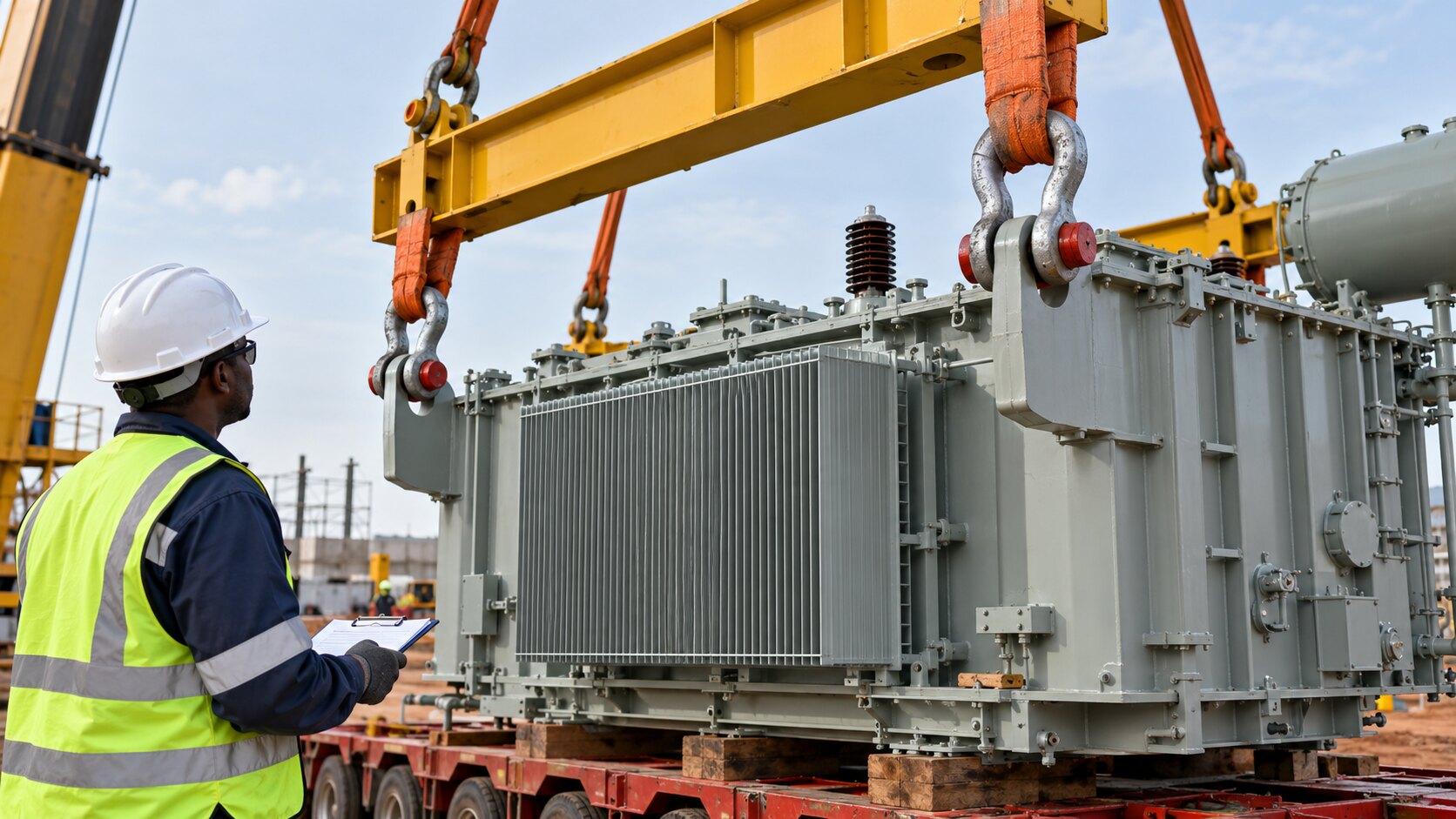
Illustrative pre-lift inspection of transformer lifting points and rigging.
Do not substitute a convenient attachment point
A transformer may include lifting lugs, jacking pads, hauling eyes, transport tie-downs and base-frame features that look mechanically substantial. They are not interchangeable. The review should trace every proposed load path to an approved drawing. If a site constraint appears to require a different point, angle or temporary attachment, stop and obtain an engineered disposition from the responsible designer and manufacturer.
Confirm the accessories that remain installed. Bushings, conservators, cable boxes, radiators and control cabinets can affect clearance and vulnerability even when their mass contribution seems small. Rigging must not bear against a bushing, pipe, cooler bank or enclosure. Temporary protection should prevent incidental contact without concealing the lifting connections during inspection.
Match the Crane Study to the Actual Workfront
The lifting contractor should base its study on the planned crane configuration and the most demanding point in the movement. The review package normally identifies the crane, boom and counterweight arrangement, reeving, hook block, operating radius, pick and set-down elevations, obstructions, rigging weight and relevant deductions. EPC reviewers should look for consistency between the layout drawing, calculation and load chart rather than accepting an isolated capacity percentage.

Illustrative drawing and method review before transformer lifting work begins.
Radius deserves special attention. The crane may pick the transformer close to the trailer but work at a larger radius while slewing or placing it over a bund wall. Boom deflection, hook clearance and tail-swing space can also affect the planned geometry. The competent lift planner must select the governing case; the EPC team should make sure the site layout used in that assessment is current.
Treat tandem lifting as a separate engineered operation
If two cranes are proposed, the plan needs more than two individual capacity checks. Load sharing changes with geometry, timing and movement, and the cranes must operate under one coordinated procedure. Zisheng Electric does not prescribe a universal allocation factor or allowable percentage because those values depend on applicable rules, equipment, contractor procedures and the engineered method. The project should require a clearly approved tandem-lift study and defined command structure.
Verify Rigging, Clearances and Equipment Condition
The rigging drawing should identify each sling, shackle, beam, link and hook arrangement and relate it to the component register. Inspection status and identification must be readable before use. Check that the specified components are actually available on site; a method based on a particular spreader arrangement cannot be quietly replaced by shorter slings because delivery is late.
Review clearance through the complete movement. Slings can move closer to conservator supports or bushings as the hook rises. A spreader can protect the tank from inward forces, but only when its design, connection points and geometry are appropriate for the approved arrangement. Tag-line use, where permitted by the method, should be planned around access, wind, snagging and exclusion controls rather than added informally.
Before rigging, compare the delivered condition with the transport record and the transformer shock recorder review. A transport concern, loose component or distorted attachment needs technical disposition before lifting changes the evidence or imposes another load case.
Release the Ground, Outrigger Area and Foundation
The crane load chart assumes the equipment is set up as required; it does not approve the site formation. The civil and lifting teams should coordinate outrigger locations, predicted reactions, mat or support arrangement, ground condition, slopes, excavation edges, drainage features and underground services. Filled trenches, recently backfilled areas and concealed chambers deserve deliberate checking.

Illustrative review of crane support, ground condition and the transformer installation zone.
Do not transfer a generic ground-bearing value from another project. A coastal site, mining expansion, urban substation and remote solar project can have very different formation, buried infrastructure and seasonal exposure. The responsible engineer should assess the actual prepared area and define inspection or improvement requirements. If heavy rain, excavation or construction traffic changes the condition after approval, the plan should trigger reinspection.
The final support must also be released. Link the lift to the transformer foundation handover: verify orientation, rails or plinth, anchor interfaces, oil containment, cable access and the installation route. A precise lift onto the wrong orientation or an unreleased foundation still produces rework.
Plan the Site Sequence, Not Only the Crane Movement
A practical schedule starts before crane setup. Confirm site access, delivery time, permits, equipment isolation, lighting if applicable, weather monitoring, communication method, exclusion zone and emergency arrangements. Identify who inspects the transformer, who accepts the crane setup, who checks rigging, who acts as lift supervisor, and who gives the commands. Everyone should understand the stop-work authority.
Use hold points that create evidence
Useful hold points can include document approval, foundation release, crane and rigging inspection, confirmation of transformer identity and mass, setup verification, a controlled initial tension or trial stage defined by the method, clearance before slewing, and final set-down acceptance. Each point should name the responsible signatory and the record produced. A signature without a drawing revision or equipment identity is weak evidence.
The plan also needs a credible response to interruption. If wind, visibility, ground condition, communication or equipment behavior moves outside the approved basis, the team should know where the transformer can be returned or safely supported. Do not improvise a temporary set-down position after the lift has begun.
Adapt the Review to African Project Logistics
“African project” is not one lifting condition. A port-area substation may have restricted working space and corrosion exposure. An inland mine may have a long mobilization route and limited replacement rigging. A hydropower or mountain project can combine gradients, narrow access and rapidly changing weather. These are prompts for project data, not assumptions about a country.
Coordinate crane mobilization with the delivery route and unloading plan. Confirm the final approach, turning area, trailer position and available setup space against the actual vehicle and transformer configuration. For inland projects, establish who will confirm current road restrictions, permits and site access before dispatch. Keep the route approval separate from approval of the crane setup.
Plan contingency around real resource availability. If a certified component, specialist supervisor or suitable crane configuration is not locally available, resolve that gap before shipment. The answer may be earlier mobilization, a different transport split or a revised installation sequence—not an unapproved substitution at site.
Assign Responsibility Before Crane Mobilization
Record the following interfaces in the purchase order and lift review register. These are suggested deliverables; the project contract and local requirements determine the actual appointments and approval authority.
| Interface | Information or decision to assign | Record to retain |
|---|---|---|
| Transformer supplier | Identify the exact transport configuration, mass and manufacturer-approved attachment provisions. | Unit-specific drawing and revision; response to equipment-data queries. |
| Appointed lift planner and lifting contractor | Develop the crane study, rigging arrangement and execution method for the actual workfront. | Approved lift plan with configuration and calculation references. |
| Civil and site engineering team | Assess crane support and release the foundation and access interfaces. | Ground/support assessment and foundation handover record. |
| EPC site management and HSE team | Coordinate permits, workfront conflicts, exclusion arrangements and named supervision. | Site readiness review and briefing record. |
| Installation and inspection team | Confirm the delivered condition and record the final position and outstanding issues. | Before-and-after photographs, inspection report and punch list. |
Supplier confirmation of transformer data is not approval of crane engineering, ground capacity or the site lifting method. The UK HSE guidance on lifting operations also distinguishes crane hire from a contract lift when allocating responsibility. Use it as a planning reference; it does not establish the legal allocation for an African project.
Put the Lifting Deliverables Into the Purchase and EPC Schedule
The transformer purchase order should identify when the supplier will issue transport mass, lifting-point information and the relevant unit drawings. The EPC schedule should then provide time for the lifting contractor’s study, civil verification, interface comments and final approval. Late drawing changes must trigger a controlled review of the method.
Use a responsibility matrix for supplier data, logistics information, crane engineering, ground approval, permits, HSE controls, installation supervision and final records. Retain the approved method, drawings, crane setup information, rigging register, permits, inspection forms, photographs and closeout notes with the installation dossier. That record supports later relocation or major maintenance without pretending the old plan can be reused unchanged.
Record Release, Hold or Re-review
The transformer lifting plan review should close each comment with an owner, evidence reference and decision. A meeting attendance sheet alone does not show that a technical issue was resolved.
- Release: the designated approver confirms that the required evidence and workfront checks are complete for the identified method revision.
- Hold: a required input or inspection is missing, inconsistent or rejected. Record the issue and the party responsible for closure before the affected work proceeds.
- Re-review: a crane, rigging component, transport configuration, setup location or site condition changes. Assess the affected documents and renew the relevant approvals before resuming.
For example, a packing list and lifting drawing that state different masses need reconciliation with the supplier; selecting whichever figure suits the crane study is not an acceptable resolution. Likewise, delivery of a different spreader beam calls for review of the approved arrangement, not just a check that the replacement has a higher marked capacity.
The HSE planning guidance identifies proximity hazards, visibility, equipment condition and clear responsibilities as planning considerations. Include overhead lines and adjacent energized equipment in the site review, with clearances and isolation arrangements established by the responsible local parties. Restrict access to the lifting danger zone and define who can stop the operation.
Minimum closeout record for the installation dossier
- Transformer serial number and actual configuration lifted.
- Approved method, drawing and calculation revisions.
- Crane and rigging identification with inspection references.
- Ground, support and foundation release references.
- Permit, briefing, hold-point and change-review records.
- Set-down inspection, orientation confirmation and unresolved defects with assigned owners.
Acceptance of the lift records physical placement and condition. It does not by itself release electrical commissioning or energization.
Transformer Lifting Plan Review FAQ
Can transformer MVA or voltage determine the crane size?
No. Use the verified lifted mass, configuration and geometry together with the actual crane load chart and planned radius. Transformers with similar electrical ratings can have different transport arrangements. The appointed lift planner must establish the required crane duty.
Is the shipping weight sufficient for the lifting calculation?
Only if its scope matches the exact item being lifted and the responsible parties have verified it. Packing, removed accessories, retained oil and temporary equipment can change the applicable mass. Reconcile the mass schedule with the released drawing rather than assuming the shipping and operating weights are interchangeable.
Who approves a transformer lifting plan?
The project must name its competent lift planner, reviewers and authorizing party under the applicable contract, local requirements and site procedure. The transformer manufacturer provides equipment information within its scope; that does not make it the approver of the entire site operation.
Can an approved plan be reused after rain or a crane substitution?
Do not assume it remains valid. The responsible parties must review the changed ground condition or equipment configuration and confirm which assessments, inspections and approvals need renewal. Keep the change decision with the lift record.
Does a successful trial stage prove the full lift is acceptable?
No. A trial stage is a check defined by the approved method. It does not replace the crane study, rigging assessment, ground verification or checks along the remaining travel and set-down path.
Request Transformer Lifting Data From Zisheng Electric
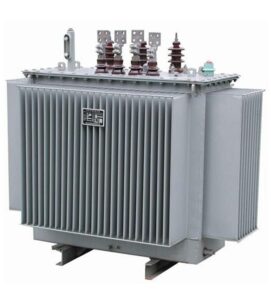
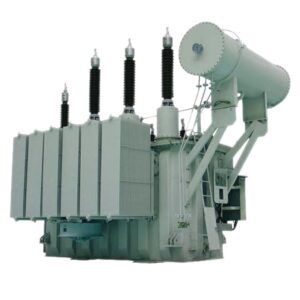
A sound transformer lifting plan review begins with accurate equipment data and ends with an installation method approved for the actual site. Zisheng Electric can coordinate unit-specific drawings and interface information for equipment such as a 10MVA 33/11kV oil-immersed power transformer, a 35kV/46kV power transformer or a 66kV/69kV power transformer. Product voltage class alone does not determine a crane or rigging arrangement.
For an equipment-data review, send the transformer model or order reference, site country, intended delivery date, proposed transport split and the lifting information requested by your appointed planner. Include the foundation layout and access constraints where they affect the equipment interface. For a new purchase, also provide the required MVA rating, HV/LV voltages and project specification.
Ask Zisheng Electric to confirm the available unit-specific transport and lifting documents and their issue dates. Your EPC and lifting specialists can then use the agreed equipment data in the site-specific plan and close outstanding questions before mobilization.
About ZISHENG ELECTRICAL
Zisheng are a professional 19+ years manufacturer in producing Oil-Immersed Transformers, Compact Substation, Pad Mounted Transformers, Pole Mounted Transformers and Dry Type Transformers. We own the certificates of ISO/CE/IEC 60076 and TUV Rheinland.
Transformers undergo rigorous FAT and type testing, support voltage/capacity customization. Welcome to consult for Catalog and Product. you can contact us at email [email protected].