How to Choose the Right Dry Type Transformer for Buildings Without Costly Mistakes?
Improper transformer selection causes inefficiency, safety risks, and high costs. Wrong choices lead to system failures. Dry type transformers offer a safer, efficient solution for buildings.
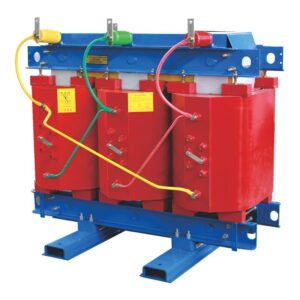
A dry type transformer is ideal for buildings due to its safety, low maintenance, and environmental benefits. It eliminates oil leakage risks, supports indoor installation, and ensures stable performance, making it suitable for commercial and high-rise applications.
Understanding key factors helps ensure optimal transformer performance and long-term reliability in building power systems.
How to Choose a Dry Type Transformer for Your Building
Selecting the right transformer requires a deep understanding of transformer selection for buildings and specific project requirements. One of the first considerations is the building power load requirements, which determine the transformer capacity. Accurate load calculation ensures that the transformer operates efficiently without overloading or underutilization.
Environmental conditions also play a critical role. Dry type transformers are particularly suitable for indoor installations, especially in commercial and residential buildings where fire safety is a priority. Ventilation, ambient temperature, and installation space must be carefully evaluated.
Additionally, users should consider insulation class, cooling methods, and noise levels. For modern buildings, low-noise operation is essential to maintain comfort. Choosing suppliers that offer custom transformer solutions allows better alignment with project specifications, ensuring optimal performance and compliance with local standards.
Comparing Dry Type and Oil-Filled Transformers for Buildings
When conducting a dry vs oil transformer comparison, several key differences emerge that influence decision-making. Dry type transformers use air or resin insulation, eliminating the need for oil. This significantly reduces fire hazards and environmental risks, making them ideal for indoor use.
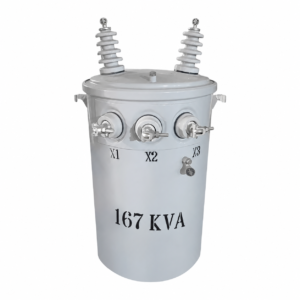
Oil-filled transformers, on the other hand, are typically used in outdoor or industrial environments due to their higher cooling efficiency and capacity. However, they require additional safety measures such as containment systems to prevent oil leakage.
For building applications, especially in urban environments, dry type transformers are often preferred due to their compact design and lower maintenance requirements. They also contribute to improved safety compliance in commercial and residential buildings.
While oil-filled transformers may offer cost advantages in certain scenarios, dry type transformers provide better suitability for indoor installations and align with modern safety standards, making them a preferred choice for many developers.
Factors Affecting Transformer Selection in Building Projects
Several factors influence the final decision in transformer selection for buildings, beyond basic capacity requirements. These include installation location, building type, and regulatory compliance. For example, a commercial building transformer must meet strict safety and efficiency standards, especially in densely populated areas.
Load characteristics, such as peak demand and load fluctuations, must also be analyzed. Buildings with elevators, HVAC systems, and data centers often require transformers with high reliability and overload capacity.
Space constraints are another critical factor. In high-density urban developments, compact transformer designs are essential. Dry type transformers, with their flexible installation options, provide an effective high-rise building power solution.
Noise levels, energy efficiency ratings, and future expansion plans should also be considered. Proper planning ensures that the transformer can accommodate future load increases without requiring costly replacements.
Cost Considerations and Long-Term Value
A comprehensive transformer cost analysis goes beyond initial purchase price. While dry type transformers may have a higher upfront cost compared to oil-filled units, they offer significant advantages in terms of long-term operational savings.
Maintenance costs are generally lower, as there is no need for oil testing, replacement, or leakage management. This reduces both operational complexity and ongoing expenses. Additionally, dry type transformers have lower installation requirements, contributing to reduced installation cost considerations, especially in indoor environments.
Energy efficiency is another critical factor. High-efficiency transformers reduce energy losses, leading to lower electricity costs over time. This contributes to overall cost savings and supports sustainability goals.
When evaluating total cost of ownership, dry type transformers often provide better value, particularly in commercial and high-rise building applications where safety and reliability are paramount.
Common Applications in Commercial Complexes and High-Rise Buildings
Dry type transformers are widely used in various building applications due to their safety and flexibility. In commercial complexes, they serve as essential components of commercial building transformer systems, ensuring stable power distribution for lighting, HVAC, and critical equipment.
In high-rise buildings, they play a crucial role in delivering reliable electricity across multiple floors. Their compact design and fire-resistant properties make them an ideal high-rise building power solution, especially in densely populated urban areas.
They are also commonly used in hospitals, shopping malls, airports, and data centers, where uninterrupted power supply is critical. These environments demand high reliability and safety, both of which are effectively addressed by dry type transformers.
Furthermore, their compatibility with modern building management systems supports efficient energy monitoring and control, enhancing overall system performance and reliability.
Working with Reliable Transformer Manufacturers and Suppliers
Choosing a reliable transformer supplier is as important as selecting the right product. A trusted manufacturer ensures consistent quality, compliance with international standards, and reliable after-sales support.
Suppliers with strong engineering capabilities can provide custom transformer solutions tailored to specific project requirements. This includes adjustments in capacity, design, and installation configurations to meet unique building needs.
Quality assurance is another critical factor. Reputable manufacturers conduct rigorous testing and provide certified documentation, ensuring product reliability and compliance. This is particularly important for large-scale projects where failures can lead to significant losses.
In addition, reliable suppliers offer clear communication, transparent pricing, and dependable delivery schedules. These factors contribute to smoother project execution and long-term partnership success.
Conclusion
Dry type transformers provide safe, efficient, and reliable power solutions for buildings, ensuring long-term performance and cost-effective operation.
About ZISHENG ELECTRICAL
Zisheng are a professional 19+ years manufacturer in producing Oil-Immersed Transformers, Compact Substation, Pad Mounted Transformers, Pole Mounted Transformers and Dry Type Transformers. We own the certificates of ISO/CE/IEC 60076 and TUV Rheinland.
Transformers undergo rigorous FAT and type testing, support voltage/capacity customization. Welcome to consult for Catalog and Product. you can contact us at email [email protected].