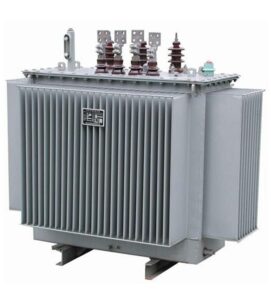
Transformer Radiator Valve Checks: 6 Critical Restart Records
Transformer radiator valve checks belong in the outage closeout, not on a list to finish after the plant has restarted. Zisheng Electric recommends that industrial maintenance teams reconcile the actual cooling circuit with the approved transformer drawings before releasing an oil-immersed unit back to service. A running fan is not proof that the oil path through its radiator is available.
This guide addresses a specific task: restoring the documented operating configuration after radiator removal, gasket work or other cooling-system maintenance. It is not a universal valve-operating sequence. The equipment manufacturer’s instructions and the authorized site procedure determine the correct positions, filling method and release conditions.

Start with the circuit, not the handle
Identify the transformer, radiator bank and every valve affected by the work. Use the current cooling arrangement drawing and a marked valve schedule. Some units have removable radiator banks with isolation valves; other tank and cooling arrangements differ. Do not transfer a checklist from a similar-looking transformer without confirming the actual configuration.
A handle, pointer or paint mark can be useful, but its meaning must be verified against the valve design. A disconnected actuator, damaged indication or undocumented replacement can make an apparent position misleading. If the indication is uncertain, record an unresolved condition and obtain an approved verification method. Do not force a stiff valve or improvise a position check on energized equipment.
Transformer radiator valve checks: six closeout records
| Check | Evidence to retain | Hold point |
|---|---|---|
| Correct equipment | Transformer and radiator-bank identity matched to drawing revision | Tag or drawing mismatch |
| Valve lineup | Specified normal position, observed indication, verifier and time | Uncertain position or damaged indication |
| Oil handling | Completed filling, venting and oil-level records required by the OEM | Incomplete procedure or unexplained level |
| Mechanical completion | Flange, gasket, fastener and leak-inspection closeout | Leakage or outstanding mechanical defect |
| Cooling controls | Available fan/pump groups and approved functional-check record | Cooling stage unavailable without an approved operating restriction |
| Release | Named maintenance, electrical and operations signatories | No accountable release authority |
Filling and venting need their own completion evidence
Do not write “valves checked” as a substitute for the oil-handling procedure. The manufacturer’s procedure may require staged valve operations and air removal during filling. Those steps depend on the transformer and radiator arrangement. Prolec’s installation and new-transformer oil-processing guidance illustrates why radiator filling and venting are coordinated activities; it should not be applied as a replacement for the instructions supplied with a different transformer.
Ask the work supervisor to identify the completed procedure revision, any deviations and the final operating lineup. If a radiator was isolated temporarily, its temporary status must be removed or explicitly carried into an approved operating restriction. A handwritten note left with one technician is not an adequate handover to the next shift.

Separate oil-path availability from control availability
Mechanical completion and control checks answer different questions. A fan may rotate correctly while a radiator path is unavailable. Conversely, an available oil circuit does not demonstrate that fan groups, pump permissives, alarms or remote indications operate correctly. Review both parts without assuming one proves the other.
For forced-cooling equipment, the available continuous loading depends on the actual design and cooling stages. Do not infer an allowable load from a generic percentage of nameplate rating. When a cooling group is unavailable, obtain the manufacturer’s operating guidance and the site’s engineering approval before defining any temporary duty. The cooling-pump failure decision guide addresses that separate loss-of-cooling problem.
Use a controlled restart observation plan
Before energization, agree who will observe the unit, which remote indications will be available and what abnormal conditions require stopping or escalating. After authorized energization, compare the recorded load and temperature behavior with the approved operating expectations. A cool radiator at a very low load is not, by itself, proof of a blocked circuit; a temperature pattern needs context. Unexpected heating, leakage, protection activity or unreliable indication requires investigation under site procedures.
For example, an illustrative factory outage may include gasket replacement on two radiator banks while a third remains untouched. The useful closeout records each affected bank separately, links its work order to the valve schedule, and confirms the common controls. It does not certify every bank merely because the final checklist contains one transformer-level tick. This is a planning example, not a reported Zisheng Electric customer project.
Resolve an incomplete closeout before release
Use the six records in the table as separate release gates. The work supervisor closes equipment identity and mechanical work; the oil-handling specialist closes filling and venting; the electrical team closes cooling controls; operations accepts the documented configuration. A single signature should not imply that one person has verified every discipline’s work.
A bank-by-bank record template
For transformer radiator valve checks, record: asset number; bank and valve tags; drawing revision; required operating position; observed indication; work-order reference; oil-handling completion reference; remaining defect; verifier; and release time. Keep a separate row for each affected valve. If the required position is not established, write “unresolved” and assign the engineering query rather than selecting an assumed normal position.
Suppose the work order says bank B was removed, but the signed valve sheet identifies bank C. That is a document mismatch, even if both banks look intact. Reconcile the job history and equipment tags before release. Record the correction with its author and revision so the next shift can distinguish a corrected record from an unexplained alteration. This is a hypothetical document-control example.
Transformer radiator valve checks: practical questions
Can a running fan confirm the radiator is in service?
No. Fan operation demonstrates an air-side function, not the valve lineup, completion of filling or an unobstructed oil path. Retain mechanical and control evidence separately.
Should every isolation valve simply be opened?
The final lineup must follow the approved drawing and OEM procedure. Different circuits and valve functions make a universal instruction inappropriate. An uncertain valve identity or indication is an open item for authorized review.
What should operations receive after the checks?
The signed bank-by-bank record, completed oil-handling and control-check references, outstanding restrictions and the restart observation plan. Transformer radiator valve checks are complete only when the required evidence is traceable and the responsible release authority has accepted it.
Write a contractor scope that can be priced and closed
Before inviting a maintenance offer, separate the physical work from its verification deliverables. A proposal for “radiator service” may cover cleaning, leak repair, gasket replacement or removal of a bank. Each has different access, oil-handling and outage requirements. State the equipment boundary and ask the contractor to list excluded activities, site support and prerequisites. This helps the plant compare the scope of competing offers rather than their total prices alone.
Documents to exchange before mobilization
Provide the available cooling arrangement, valve schedule, affected-bank list, work history and photographs taken from safe access points. Ask the contractor to identify the procedure revisions it will use, required consumables and their identification, oil-handling responsibilities, lifting arrangements where applicable, waste arrangements and the evidence it will return. Unavailable drawings should appear as an engineering action before work, not as a surprise during the outage.
Agree how substitutions will be approved. A replacement gasket, valve or indication device should not be accepted solely because its nominal size appears to fit. The responsible engineering team needs the specified material, interface, duty and manufacturer requirements. Record the approved part reference in the closeout file. This article does not establish a substitute material specification or bolt-tightening value.
Define the handover deliverable
Require a marked completion copy of the agreed scope, the signed valve record, the oil-handling report, mechanical inspection results and the cooling-control check reference. Each open item should identify its owner, technical disposition and effect on release. A contractor’s invoice or generic service certificate does not replace these asset-specific records.
For transformer radiator valve checks performed across multiple units, keep a separate package for each transformer. A common site checklist can describe the process, but the completed evidence must retain the individual asset identity, configuration and work scope. If one unit has a different cooling arrangement, record that distinction instead of copying another unit’s final lineup.
At the outage review, ask whether the documentation would let an engineer who was absent from the job explain what changed and why release was accepted. If the answer depends on calling one technician from memory, improve the record before closing the work order. The benefit is a traceable maintenance decision and a clearer scope for the next intervention.
Make the next outage easier to price
Retain clear valve access requirements, gasket identification and drawing references with the asset record. These details support future service scope and spare procurement. They also complement the practical access questions in the radiator cleaning access guide.
For a new 35 kV or 46 kV power transformer package, include radiator configuration, isolation arrangements, maintenance access and required documentation in the RFQ. Send Zisheng Electric the site constraints and cooling-duty requirements so the proposed arrangement can be reviewed before procurement. Safe maintenance and restart remain subject to the unit-specific instructions and the authorized site team.
About ZISHENG ELECTRICAL
Zisheng are a professional 19+ years manufacturer in producing Oil-Immersed Transformers, Compact Substation, Pad Mounted Transformers, Pole Mounted Transformers and Dry Type Transformers. We own the certificates of ISO/CE/IEC 60076 and TUV Rheinland.
Transformers undergo rigorous FAT and type testing, support voltage/capacity customization. Welcome to consult for Catalog and Product. you can contact us at email [email protected].