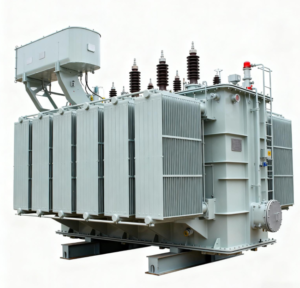
S22 Oil-Immersed Transformer: The Optimal Choice for Tier 1 Energy Efficiency Standards
For many years, S11 series transformers have been widely used in power grids, industrial projects, and infrastructure construction. However, they are gradually being phased out from new projects. Although S13 series transformers still meet basic compliance requirements, they no longer represent the future development direction of power distribution equipment.
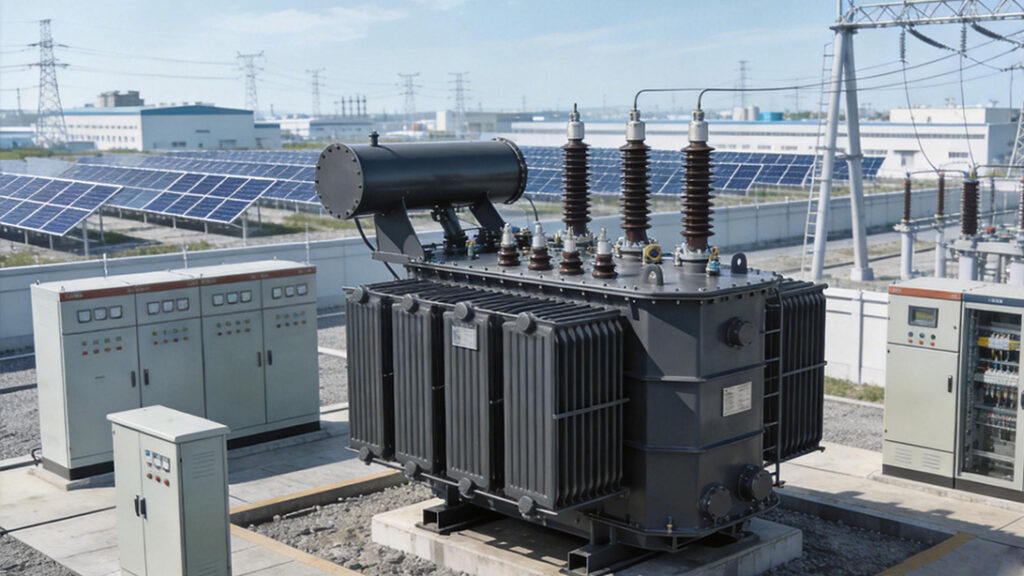
An increasing number of new projects — especially industrial parks, renewable energy projects, data centers, and large-scale overseas infrastructure developments — are now directly adopting Tier 1 energy efficiency transformers.
Against this background, S22 oil-immersed transformers are evolving from a “high-performance upgrade option” into a mainstream solution aligned with future energy efficiency standards.
The core value of S22 series oil-immersed transformers goes far beyond simply “energy saving”.
It represents the transformation of distribution equipment from traditional efficiency improvement toward full life-cycle optimization.
By adopting:
- High-performance core materials;
- Low-loss winding designs;
- Fully sealed maintenance-free structures;
- Intelligent operation monitoring solutions;
S22 series transformers achieve:
- Lower operating losses;
- Higher reliability;
- Longer service life.
For industrial loads, grid facilities, and renewable energy applications that operate continuously for many years, a transformer is not merely a one-time purchased device. It is a fundamental asset that continuously affects project operating costs.
A transformer typically operates for 20 to 30 years. Over such a long service life, the initial purchase cost represents only part of the total ownership cost. Long-term energy losses, maintenance expenses, and failure risks are the key factors determining the overall value of the equipment.
This is why Tier 1 energy efficiency transformers are becoming a global market trend.
Especially with the rapid expansion of:
- AI data centers;
- Global power grid modernization;
- Renewable energy integration;
the demand for high-efficiency and highly reliable distribution equipment is increasing rapidly.
This article will provide a comprehensive analysis of S22 series Tier 1 energy efficiency oil-immersed transformers from three perspectives:
- Technical structure;
- Performance parameters;
- Practical application scenarios.
It aims to help power equipment buyers, EPC contractors, and overseas project investors gain a deeper understanding of this next-generation distribution transformer solution.
I. Positioning of S22: Tier 1 Energy Efficiency with Advanced Technology
The S22 series oil-immersed transformer is one of the highest energy efficiency level products under China’s current GB 20052-2024 standard system, representing the latest development level of low-loss technology for distribution transformers.
According to the latest energy efficiency requirements, oil-immersed distribution transformers are classified as follows:
| Energy Efficiency Level | Oil-immersed Transformer Series | Loss Level | Compliance Status |
|---|---|---|---|
| Tier 1 | S22 (NX1 marking) | Lowest losses | Meets the highest energy efficiency requirements |
| Tier 2 | S20 (NX2 marking) | Medium losses | Meets standard requirements |
| Tier 3 | S13 | Higher losses | Current minimum mandatory standard |
Compared to the traditional S13 series, the S22 series achieves further reductions in both no-load and load losses.
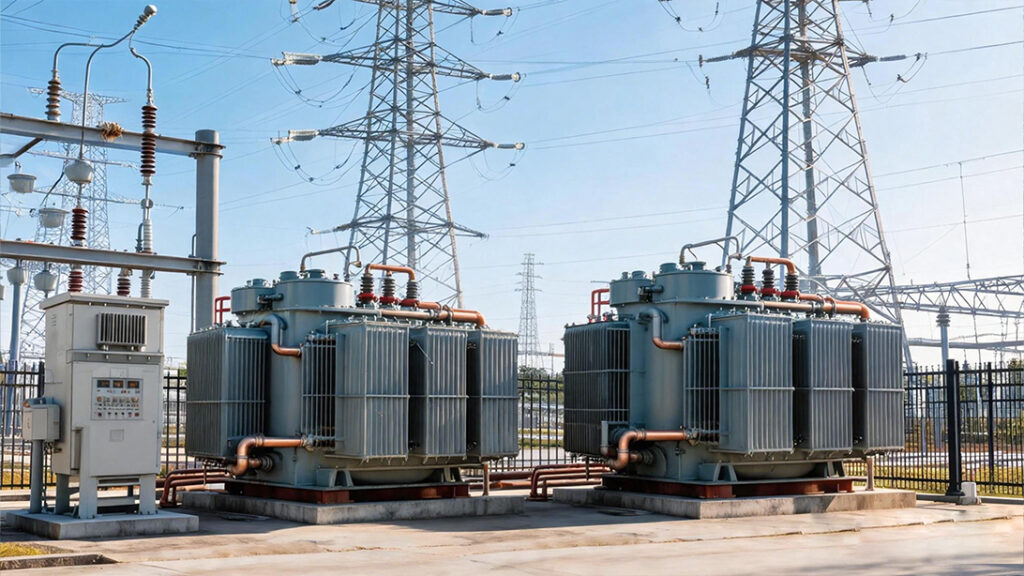
According to typical design parameters:
- No-load losses are reduced by approximately 15% compared with S13 transformers;
- Load losses are reduced by approximately 10%.
Although the energy savings of a single transformer may appear limited, for distribution equipment operating continuously over many years, the cumulative energy-saving benefits become highly significant.
Transformers remain energized throughout the year. Even without load, the transformer core must continue to be magnetized, meaning that no-load losses are continuously generated. For long-term operating scenarios such as industrial parks, commercial buildings, and data centers, reducing no-load losses can directly lower electricity costs throughout the equipment lifecycle.
From an investment perspective, Tier 1 energy efficiency transformers generally provide better lifecycle economic performance.
Although the initial purchase cost may be higher than conventional models, the reduction in operating losses allows the additional investment to be gradually recovered throughout the service life of the equipment. For large industrial projects, overseas grid construction projects, and high-load users, the energy-saving benefits are often significantly greater than the initial equipment price difference.
More importantly, as major global markets continue to increase energy efficiency requirements, high-efficiency products have become an important indicator of international competitiveness.
Currently, China’s Tier 1 energy efficiency standards for distribution transformers have reached a high technical level and are aligned with global energy-saving development trends. The S22 series not only complies with domestic regulatory requirements but also strengthens the product’s competitiveness in overseas markets including Europe, the Middle East, Southeast Asia, and Africa.
In future global market competition, energy efficiency ratings will gradually become another key evaluation criterion alongside safety certifications and quality management systems.
II. Core Technical Structure: Four Dimensions Behind S22 Performance Improvements
The ability of the S22 series to achieve Tier 1 energy efficiency is not the result of a single technical improvement. Instead, it is achieved through comprehensive optimization of:
- Transformer core;
- Windings;
- Tank structure;
- Intelligent monitoring systems.
These technological improvements collectively determine the transformer’s:
- Long-term operating efficiency;
- Reliability;
- Maintenance requirements.
1. Transformer Core: The Foundation of Ultra-Low Loss Design
The transformer core is the primary component responsible for no-load losses in oil-immersed transformers and is one of the most important factors affecting overall energy efficiency.
The S22 series adopts high-permeability cold-rolled grain-oriented silicon steel sheets (such as grade 27ZH100 or higher-grade materials). By improving magnetic permeability and reducing hysteresis losses, the core achieves lower energy consumption under the same operating magnetic flux density.
In terms of structural design, S22 adopts advanced technologies including:
- Step-lap core technology;
- Seamless binding processes;
- Fully mitered joint structures.
In traditional transformer core designs, joint areas can cause increased magnetic resistance and localized magnetic flux concentration, resulting in additional losses.
The fully mitered joint structure optimizes magnetic circuit distribution, allowing magnetic flux to pass through the core more smoothly and effectively reducing:
- Local eddy current losses;
- Hysteresis losses.
Compared with traditional S11 and S13 series transformers, S22 cores achieve lower specific losses under the same operating conditions.
The practical value is reflected in the fact that:
Even when a transformer operates under light load or no-load conditions, the core continues consuming electrical energy. By reducing core losses, S22 transformers continuously minimize unnecessary energy consumption throughout the annual operating cycle.
Especially in applications such as:
- Rural power grid modernization;
- Urban distribution network upgrades;
- Large industrial park development;
In traditional core structures, joint areas are prone to increased magnetic reluctance and localized magnetic flux concentration, resulting in additional losses.
In contrast, a fully mitered joint structure optimizes magnetic circuit distribution, allowing magnetic flux to flow more smoothly through the core and effectively reducing localized eddy current and hysteresis losses.
Compared to the traditional S11 and S13 series, the S22 core exhibits lower specific losses under identical operating conditions.
Its practical value lies in the following:
Transformers continue to consume electrical energy even under light-load or no-load conditions. By reducing core losses, the S22 model enables a continuous reduction in wasted energy consumption throughout the annual operating cycle.
High-efficiency core technology offers long-term value in reducing overall grid losses, particularly during rural grid renovations, urban power distribution upgrades, and the development of large-scale industrial parks.
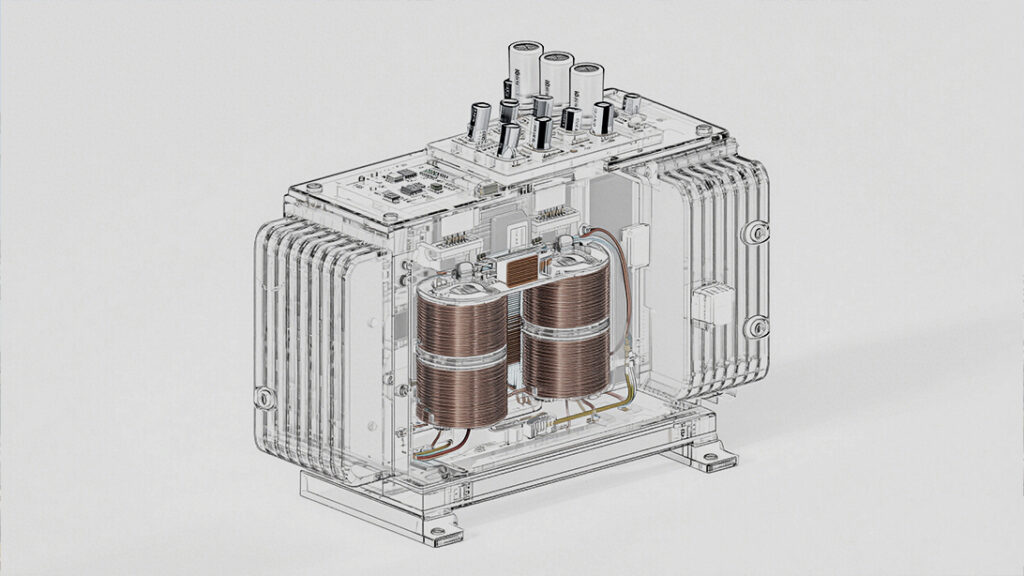
2. Windings: Efficiency and Reliability Improvements Enabled by Pure Copper Conductors
The winding is the core component responsible for electrical energy conversion in a transformer. Its material properties and structural design directly affect:
- Load losses;
- Temperature rise levels;
- Long-term operational stability.
The S22 series oil-immersed transformer adopts a high-quality pure copper winding design, rather than aluminum windings or copper-clad aluminum solutions.
Compared with other conductor materials, copper features:
- Lower electrical resistivity;
- Higher mechanical strength;
- Better thermal conductivity.
Therefore, under long-term high-load operating conditions, pure copper windings provide more stable performance and higher reliability.
Pure copper windings deliver three major advantages:
(1) Reducing Load Losses and Improving Operating Efficiency
Copper has significantly lower resistivity than aluminum. Under the same current conditions, pure copper windings can effectively reduce resistive losses.
For distribution equipment operating continuously over long periods, load losses are one of the key factors affecting operating costs.
Users such as:
- Industrial parks;
- Manufacturing plants;
- Commercial buildings;
- Data centers;
typically have continuous and high power demand. Optimizing winding materials can directly reduce long-term energy consumption and improve operational efficiency.
(2) Improving Thermal Stability and Overload Capability
Copper has excellent thermal conductivity, allowing heat generated inside the winding to transfer more quickly into the surrounding insulating oil.
Under operating conditions such as:
- High summer temperatures;
- Peak power demand periods;
- Renewable energy output fluctuations;
transformers may operate at high load levels for extended periods.
Pure copper windings help reduce localized temperature rise, improving continuous operating capability and thermal stability.
(3) Enhancing Short-Circuit Withstand Capability
During power system operation, short-circuit faults may occur infrequently, but the extremely high electromagnetic forces generated instantly can place significant mechanical stress on transformer windings.
Copper has higher mechanical strength, allowing the winding structure to better withstand short-circuit current impacts, maintain structural stability, and reduce the risk of deformation.
In terms of structural design, the S22 series adopts optimized winding configurations according to different capacity levels:
- Low-voltage side: copper foil wound cylindrical structure;
- High-voltage side: multi-layer cylindrical winding design.
This structure provides:
- More balanced ampere-turn distribution;
- Reduced leakage flux effects;
- Improved mechanical strength;
- Enhanced short-circuit resistance.
In regions such as Africa, Southeast Asia, and parts of the Middle East, grid conditions can vary significantly. Voltage fluctuations, load changes, and short-circuit impacts are more common due to differences in power infrastructure development.
By adopting pure copper windings and high-strength structural designs, S22 transformers achieve stronger adaptability to complex grid environments and reduce failure risks caused by changing operating conditions.
3. Fully Sealed Oil Tank: Enabling Long-Term Maintenance-Free Operation
In traditional oil-immersed transformer designs, conservator tanks are commonly used to compensate for changes in transformer oil volume during operation.
However, this structure also creates a potential issue — the transformer oil may come into contact with external air.
Over long operating periods, moisture and oxygen from the atmosphere may enter the oil tank, resulting in:
- Insulation oil oxidation;
- Declining oil quality;
- Reduced insulation performance;
- Shortened maintenance intervals.
To address this challenge, the S22 series adopts a fully sealed corrugated oil tank structure, using optimized structural design to completely isolate the internal transformer oil from the external environment.
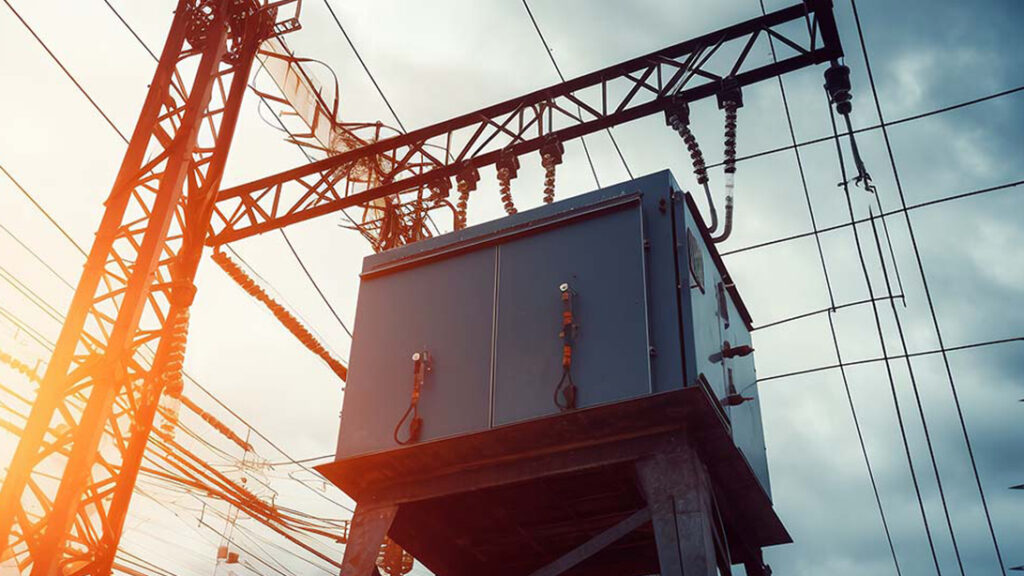
Corrugated Oil Tank: Supporting Long-Term Maintenance-Free Operation
The corrugated oil tank utilizes the elastic deformation of corrugated sheets to accommodate the expansion and contraction of transformer oil caused by temperature changes. This eliminates the need for a traditional conservator tank structure and prevents external air from entering the transformer interior.
The key advantages of this design include:
(1) Extending the Service Life of Insulating Oil
Because the internal transformer oil does not directly contact external air, oxidation and moisture ingress are significantly reduced.
As a result, the insulating oil can maintain excellent dielectric performance over a longer operating period, improving overall transformer reliability.
(2) Reducing Insulation Aging Risks
The internal insulation system of a transformer mainly relies on the combined protection of:
- Insulating oil;
- Insulation paper.
If insulating oil absorbs moisture over a long period, the overall insulation strength will decrease, accelerating the aging process of insulation materials.
The fully sealed structure effectively reduces these risks, improving insulation reliability and extending equipment service life.
(3) Reducing On-site Maintenance Requirements
Traditional oil-immersed transformers usually require regular:
- Oil level inspections;
- Transformer oil replenishment;
- Oil sampling and testing.
The fully sealed structure significantly reduces these maintenance requirements.
In some regions of Africa, Southeast Asia, and remote industrial areas, field maintenance personnel, testing equipment, and spare parts supply systems may not be fully developed. Frequent maintenance requirements can significantly increase project operating costs.
The S22 fully sealed design reduces dependence on maintenance resources, enabling customers to achieve more stable long-term operation.
From an engineering perspective, this low-maintenance feature not only reduces labor costs but also minimizes outage risks caused by insufficient maintenance.
In addition, the external surface of the S22 transformer tank adopts outdoor anti-corrosion coating treatment and is equipped with a rain protection cover, achieving an overall protection rating of IP54.
The equipment can adapt to:
- High-temperature environments;
- High-humidity environments;
- Salt spray environments;
- Dusty environments;
- Long-term outdoor operation conditions.
Therefore, S22 transformers demonstrate strong environmental adaptability in applications such as:
- Coastal industrial areas;
- Mining projects;
- Energy bases;
- Overseas infrastructure projects.
4. Intelligent Monitoring: Transforming Distribution Equipment from Fault Repair to Proactive Management
With the increasing digitalization of power systems, traditional transformers are gradually evolving from simple power conversion equipment into intelligent operating assets.
The S22 series can be equipped with intelligent monitoring systems according to project requirements, enabling real-time monitoring of key operating parameters, including:
- Oil temperature monitoring;
- Oil level monitoring;
- Winding temperature monitoring;
- Operating condition analysis;
- Abnormal condition warnings.
Some high-configuration models can also integrate protection systems to provide:
- Overload alerts;
- Fault prediction and early warnings.
For industrial users and overseas project investors, the value of intelligent monitoring is not simply additional data collection. More importantly, it transforms the traditional maintenance model.
Traditional maintenance approach:
Equipment operation → Manual inspection → Fault detection → Shutdown maintenance
Intelligent monitoring approach:
Real-time monitoring → Risk prediction → Preventive maintenance → Accident prevention
This transformation is particularly valuable for applications including:
- AI data centers;
- Large manufacturing plants;
- Renewable energy power stations;
- Unattended substations;
- Remote overseas energy projects.
Through remote monitoring systems, project operators can identify abnormal operating trends in advance and schedule maintenance proactively, avoiding greater economic losses caused by unexpected power outages.
III. Key Performance Parameters
The S22 series oil-immersed transformer adopts standardized design while supporting customization according to different national grid requirements, covering applications such as:
- Industrial power distribution;
- Grid modernization projects;
- Overseas engineering projects.
Typical technical parameters are as follows:
| Parameter | Typical Value |
|---|---|
| Rated Capacity Range | 30kVA – 2500kVA |
| High Voltage Side | 6kV / 10kV (35kV customizable) |
| Low Voltage Side | 0.4kV (400V/230V or 380V/220V) |
| Frequency | 50Hz or 60Hz |
| Vector Group | Dyn11 / Yyn0 (Optional) |
| Cooling Method | ONAN (Oil Natural Air Natural) |
| Insulation Class | Class A (Maximum temperature 105℃) |
| Insulating Oil Type | Mineral oil (High fire point vegetable oil customizable) |
| Protection Rating | IP54 (Outdoor type) |
| Design Standards | GB 20052-2024 / IEC 60076 |
Operating Capabilit
The S22 series provides strong load adaptability, including:
- Continuous operation at 1.2 times rated load;
- Short-term overload capability up to 1.5 times rated load for approximately 2 hours.
This capability is particularly important for applications with significant seasonal or temporary load variations.
Examples include:
- Summer commercial electricity peaks;
- Intensive industrial production periods;
- Renewable energy output fluctuations;
- Temporary load increase projects.
Compared with some equipment types that mainly emphasize environmental safety, oil-immersed transformers maintain clear advantages in large-scale distribution systems due to their:
- Superior heat dissipation capability;
- Strong overload performance;
- Stable long-term operating characteristics.
IV. Application Scenarios: Where Can S22 Transformers Be Used?
With Tier 1 energy efficiency performance, highly reliable structures, and strong environmental adaptability, the S22 series has been widely applied across multiple key sectors.
1 Rural Power Grid Upgrade and Modernization
Rural grid modernization is one of the important application areas for high-efficiency energy-saving transformers.
Many older transformers currently operating in rural power networks, such as S7 and S9 series models, were designed decades ago and often suffer from:
- High no-load losses;
- Low operating efficiency;
- Severe equipment aging;
- Increased failure rates.
Replacing outdated equipment with S22 transformers can effectively:
- Reduce grid losses;
- Improve power supply quality;
- Enhance energy utilization efficiency.
Especially in large-scale distributed power supply networks, the energy savings of a single transformer may appear limited, but large-scale replacement can generate significant overall energy-saving benefits.
2 Industrial Park Power Distribution
Industrial parks are application environments with extremely high requirements for transformer reliability.
Compared with ordinary commercial buildings, industrial loads typically have characteristics such as:
- Large power consumption capacity;
- Frequent load fluctuations;
- Long continuous operating hours;
- High sensitivity to power interruptions.
For users such as:
- Manufacturing plants;
- Automated production lines;
- Chemical enterprises;
- Mining projects;
transformers do more than convert electrical energy — they directly affect production continuity and operational efficiency.
The S22 series oil-immersed transformer, with:
- Lower losses;
- Higher overload capability;
- Stable thermal performance;
can meet the long-term operational requirements of industrial distribution systems.
Its ability to operate continuously at 1.2 times rated load effectively handles temporary increases in industrial production demand. The 1.5 times short-term overload capability supports special operating conditions such as:
- Large motor starting;
- Production peak periods;
- Temporary load increases.
Meanwhile, pure copper windings and optimized heat dissipation structures reduce operating temperature rise and prevent accelerated insulation aging under long-term high-load conditions.
Therefore, in:
- Industrial park development;
- Electrical capacity expansion;
- Replacement of aging equipment;
Tier 1 energy efficiency S22 transformers are becoming the preferred choice for an increasing number of engineering companies.
3 Renewable Energy Grid Connection Projects
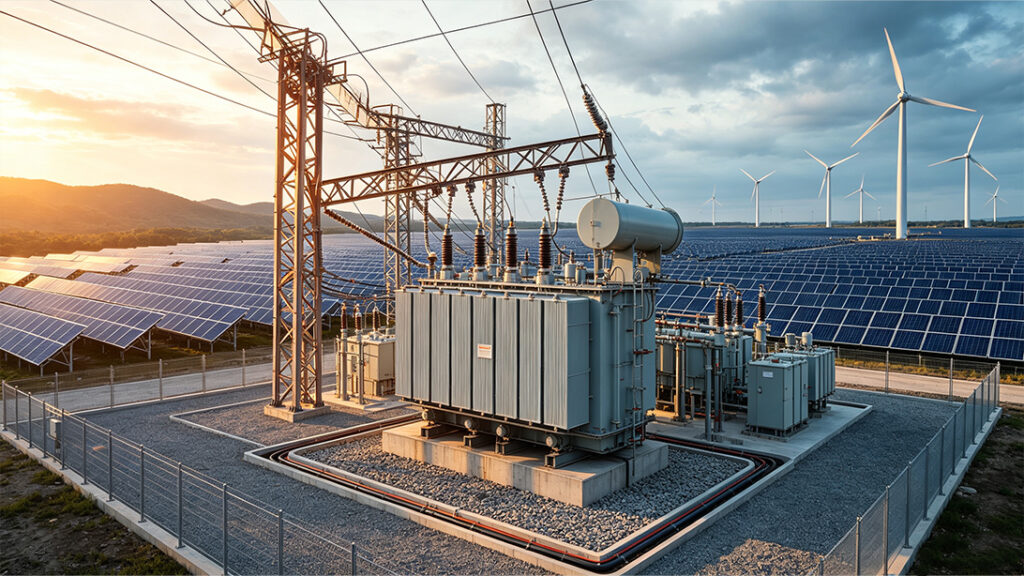
3 Renewable Energy Grid Connection Projects
The global energy structure is undergoing rapid transformation. The scale of solar power, wind power, and energy storage projects continues to expand, making renewable energy grid integration one of the key application areas driving the development of the transformer industry.
In renewable energy generation systems, the electricity produced by generation equipment must be stepped up and collected before being connected to the power grid.
Whether it involves:
- Solar photovoltaic power plants;
- Wind farms;
- Energy storage power stations;
- Distributed energy projects;
stable and reliable step-up and distribution equipment is essential for power transmission.
The S22 series oil-immersed transformers can be applied in renewable energy collection stations, prefabricated substations, and supporting distribution systems, providing highly efficient power conversion solutions for renewable energy projects.
For renewable energy investors, reducing transformer losses delivers direct economic benefits.
In addition, renewable energy projects typically have:
- Long construction cycles;
- Extended operating periods;
- Limited on-site maintenance conditions.
Equipment often needs to operate under unattended or low-maintenance conditions.
The S22 series adopts a fully sealed structure and intelligent monitoring solutions, reducing long-term operation and maintenance pressure and making it more suitable for large-scale renewable energy bases and overseas energy projects.
4 Overseas Power Distribution Projects
In recent years, global investment in power infrastructure has continued to grow. Especially in regions such as the Middle East, Southeast Asia, Africa, and South America, large numbers of grid modernization projects, industrial developments, and energy infrastructure projects are underway.
For overseas buyers, transformer selection is no longer focused only on capacity and price. More importantly, customers consider:
- Whether the equipment complies with local standards;
- Whether it can adapt to complex operating environments;
- Whether it can achieve reliable long-term operation;
- Whether future maintenance is convenient.
The S22 series is designed and manufactured according to the GB 20052-2024 and IEC 60076 international standard systems and can be customized according to different national grid requirements.
Customization options include:
- Voltage level adjustment;
- 50Hz/60Hz frequency design;
- Dyn11 or Yyn0 vector group selection;
- Different environmental protection configurations.
This flexibility enables the S22 series to serve a wide range of applications, including:
- Rural electrification projects in Africa;
- Industrial parks in Southeast Asia;
- Energy infrastructure projects in the Middle East;
- Overseas real estate and commercial building projects;
- International EPC turnkey projects.
For overseas customers, equipment reliability is often more important than simply purchasing at the lowest price.
Because a single equipment failure may result in:
- Industrial production shutdowns;
- Commercial operation interruptions;
- Renewable energy generation losses;
- High repair costs.
Therefore, the S22 series, with its Tier 1 energy efficiency performance, maintenance-free design, and international standard compatibility, has significant competitive advantages in the global distribution equipment market.
V. Differentiated Value of S22 in Overseas Markets
For international customers, selecting a transformer essentially means selecting the operating cost and reliability performance of the next 20 years or more.
Compared with conventional products, the core value of the S22 series is not only reflected in improved technical parameters. More importantly, it provides solutions to the practical challenges faced by overseas projects during long-term operation.
1. Rising Electricity Costs
Global energy price fluctuations have led enterprises to pay increasing attention to equipment operating energy consumption.
For transformers, although the purchase cost of a single unit may be limited, the energy losses generated during long-term operation continue to accumulate.
A distribution transformer typically operates for 20 to 30 years. Throughout its lifecycle:
- No-load losses continue continuously;
- Load losses increase with operating load;
- Electricity costs accumulate over time.
Therefore, the value of high-efficiency equipment is not simply saving electricity costs for several months or years — it is continuously reducing operating expenses throughout the entire equipment lifecycle.
This value is especially significant for high-load applications such as:
- AI data centers;
- Industrial manufacturing bases;
- Large commercial complexes;
- Renewable energy projects.
From an investment perspective, although the initial purchase cost of S22 transformers may be slightly higher than conventional efficiency-grade products, the long-term energy savings can effectively shorten the investment payback period.
For large project investors, total cost of ownership (TCO) has become a more important evaluation factor than initial purchase price.
2. Limited Overseas Maintenance Conditions
In some overseas regions, especially remote industrial areas and developing country markets, power equipment maintenance systems are still under development.
Project operators may face challenges such as:
- Shortage of professional technical personnel;
- Long distance from original equipment manufacturers;
- Extended spare parts supply cycles;
- High inspection and maintenance costs.
Traditional equipment requiring frequent maintenance can increase operational pressure.
The S22 series adopts a fully sealed corrugated oil tank structure, reducing dependence on local maintenance resources.
Under normal operating conditions:
- No frequent oil replenishment is required;
- No regular oil replacement is needed;
- Oil quality testing requirements are reduced;
- Manual maintenance frequency is lowered.
This design is particularly suitable for:
- Remote area grid projects;
- Overseas mining projects;
- Renewable energy bases;
- Unattended substations.
For overseas customers, stable long-term operation after installation itself represents significant value.
3. Insufficient Adaptability to Complex Environments
One of the biggest challenges in overseas markets is the wide variation in operating environments.
Different regions may experience:
- High temperatures;
- High humidity;
- Salt spray corrosion;
- Dust pollution;
- Large temperature differences between day and night.
If equipment lacks sufficient environmental adaptability, problems may occur, including:
- External corrosion;
- Reduced insulation performance;
- Accelerated oil aging;
- Increased failure rates.
The S22 series incorporates enhanced designs for outdoor operating conditions:
- Anti-corrosion coating applied to the tank surface;
- Rain protection cover installed on the top structure;
- Protection rating up to IP54;
- Operating temperature range from -5℃ to 55℃.
The fully sealed structure effectively prevents moisture and dust from entering the transformer interior, ensuring long-term stability of the insulation system.
For applications in:
- Middle East desert regions;
- Humid Southeast Asian environments;
- Coastal industrial areas;
this environmental adaptability can significantly extend equipment service life and improve operational reliability.
VI. Zisheng Electric S22 Series Products
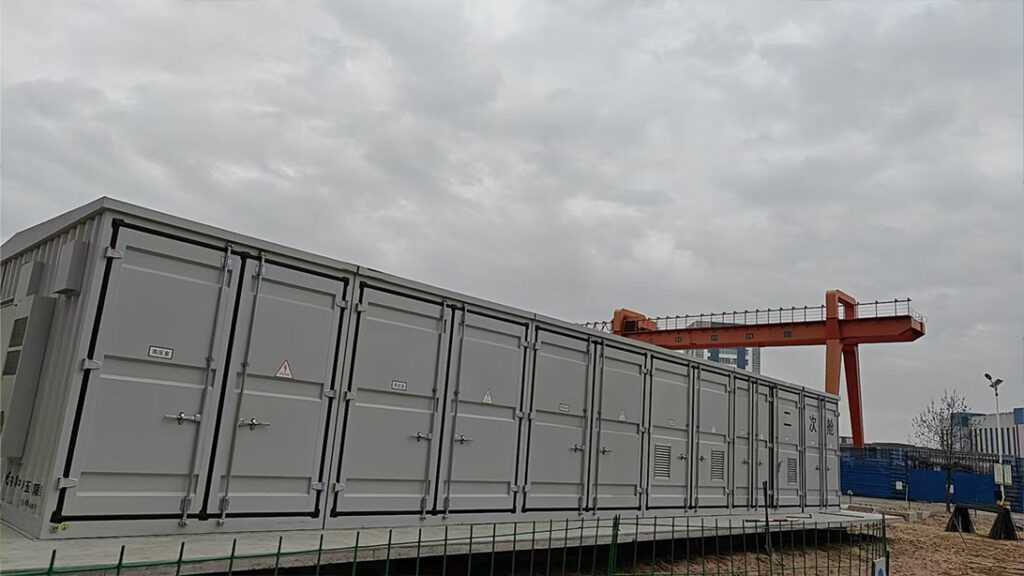
As a Chinese enterprise specializing in the research, development, and manufacturing of power distribution equipment, Zisheng Electric provides a complete portfolio of S22 Tier 1 energy efficiency oil-immersed transformers designed to meet the needs of global customers.
The product range covers capacities from 30kVA to 2500kVA, providing suitable solutions for power distribution projects of different scales.
From technical solution development to final project delivery, Zisheng Electric focuses on the practical requirements throughout the entire procurement process, helping customers achieve efficient, reliable, and seamless equipment implementation.
1. Technical Assurance: Designed According to International Standards
Zisheng Electric S22 series transformers are designed and manufactured in strict accordance with:
- IEC 60076 international standards
The core product configurations include:
- High-permeability cold-rolled grain-oriented silicon steel core;
- 100% pure copper windings;
- Fully sealed corrugated oil tank;
- High-reliability insulation system.
Through comprehensive system optimization, S22 transformers achieve:
- Lower energy losses;
- Higher operating efficiency;
- Long-term stable performance.
2. Customization Capability: Adaptation to Different Grid Requirements
Power systems and technical standards vary significantly across different countries and regions. Therefore, overseas projects often require transformer solutions tailored to local operating conditions.
Zisheng Electric can provide customized configurations including:
- Different voltage level solutions;
- 50Hz/60Hz frequency configurations;
- Dyn11/Yyn0 vector group options;
- Designs suitable for different environmental conditions.
These flexible customization capabilities help customers reduce project adaptation challenges and improve equipment procurement efficiency.
3. Certification Support: Ensuring Overseas Project Acceptance
For different international markets, Zisheng Electric can provide corresponding technical documentation and certification support based on project requirements.
Through a comprehensive quality management system and strict production inspection procedures, we ensure that products meet international engineering project requirements in terms of:
- Safety;
- Reliability;
- Product consistency.
This helps customers improve project approval efficiency and reduce technical communication costs during international procurement.
4. Delivery Assurance: Stable Supply Chain Supporting Global Projects
Leveraging China’s mature power equipment industry chain and large-scale manufacturing capabilities, Zisheng Electric provides overseas customers with stable production capacity and reliable delivery performance.
Our service capabilities include:
- Product selection recommendations;
- Technical solution support;
- Project coordination;
- Manufacturing and quality control;
- After-sales technical services.
From early-stage engineering design to final equipment operation, Zisheng Electric provides comprehensive support throughout the entire project lifecycle.
Building the Future of Global Power Infrastructure with High-Efficiency Transformer Solutions
As global power grids enter a new investment cycle, demand for power infrastructure continues to increase.
The rapid growth of:
- AI data centers;
- Renewable energy projects;
- Industrial automation;
- Smart grid development;
is continuously driving demand for high-performance transformer solutions.
For global procurement companies and EPC contractors, future power distribution equipment selection will increasingly focus on overall lifecycle value, rather than simply initial purchase price.
With the continuous advancement of global energy transition and electrification, high-efficiency and highly reliable power distribution equipment will become a critical foundation for future infrastructure development.
If your project is seeking:
- Distribution transformers that comply with the latest energy efficiency requirements;
- Power equipment capable of adapting to complex operating environments;
- Long-term stable and reliable transformer solutions;
the Zisheng Electric S22 series oil-immersed transformer provides a dependable choice.
From international standard compliance and engineering application support to product manufacturing and project delivery, Zisheng Electric is committed to providing global customers with more efficient, reliable, and sustainable power equipment solutions.
About ZISHENG ELECTRICAL
Zisheng are a professional 19+ years manufacturer in producing Oil-Immersed Transformers, Compact Substation, Pad Mounted Transformers, Pole Mounted Transformers and Dry Type Transformers. We own the certificates of ISO/CE/IEC 60076 and TUV Rheinland.
Transformers undergo rigorous FAT and type testing, support voltage/capacity customization. Welcome to consult for Catalog and Product. you can contact us at email [email protected].