Transformer Selection for Oman Desalination Plants: Coastal Salt, Motor Loads and Reliability
Transformer procurement for an Omani desalination or water-treatment plant is not a matter of taking the pump motor list, adding a spare percentage, and selecting the nearest standard kVA rating. The electrical chain is utility or captive source → incoming switchgear → transformer → LV or MV bus → variable-speed drives and motor starters → high-duty pumps → process auxiliaries. A weakness anywhere in that chain changes the duty seen by the transformer.
At Zisheng Electric, we approach an Oman desalination plant transformer enquiry as a combined load, environment, and interface review. Coastal exposure can attack external metalwork and terminals. High outdoor temperature reduces thermal margin. Large motors can pull the bus voltage down during starting. Harmonic currents from drives raise winding and stray losses. The plant owner, EPC contractor, and transformer manufacturer therefore need one agreed design basis before price comparison becomes meaningful.
Oman Electricity Transmission Company describes the Grid Code as the rules governing the national transmission system. Nama Power and Water Procurement also identifies desalination as a continuing part of the Sultanate’s infrastructure portfolio. Those official sources establish the project context, but they do not replace the project-specific utility data, connection agreement, single-line diagram, or owner specification. Engineers should confirm the actual connection voltage, frequency, fault level, voltage range, and protection requirements for the named site rather than copying assumptions from another Gulf project.
Why Desalination Loads Change Transformer Selection
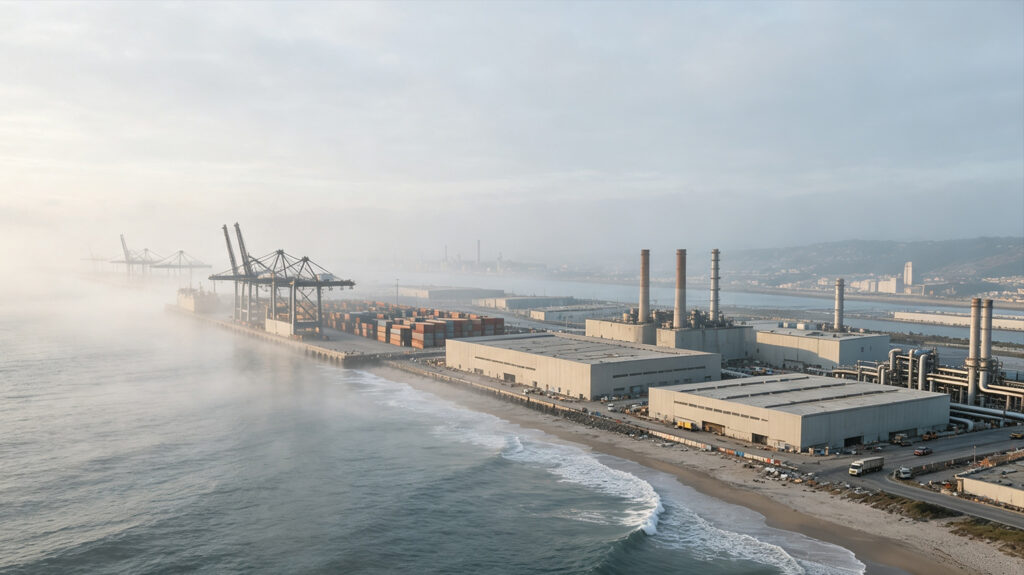
Reverse-osmosis and water-treatment plants combine continuous process demand with large rotating loads. High-pressure pumps, seawater intake pumps, booster pumps, chemical dosing systems, backwash systems, compressed air, HVAC, and building services do not all start or operate in the same way. The transformer may look lightly loaded on an average-energy calculation while still experiencing severe short-duration voltage drop or high harmonic heating.
| Project Input | Why It Matters | Main Procurement Risk | Engineering Check |
|---|---|---|---|
| Motor list and starting method | Defines inrush, acceleration time, and bus-voltage dip | Motors fail to accelerate or protection trips | Run a motor-starting study using source and transformer impedance |
| VFD quantity and pulse arrangement | Defines harmonic current and displacement power factor | Extra winding heating, noise, or capacitor resonance | Obtain vendor harmonic data and calculate transformer duty |
| Operating philosophy | Shows duty/standby combinations and future trains | Oversized no-load losses or insufficient expansion margin | Build normal, peak, maintenance, and expansion load cases |
| Utility fault level and voltage range | Affects impedance, insulation, tap range, and protection | Switchgear duty or secondary voltage outside limits | Use utility-issued data at the actual point of connection |
| Coastal site conditions | Drives corrosion, sealing, creepage, and condensation design | Premature rust, tracking, or accessory failure | State distance from coast, pollution severity, humidity, and coating system |
| Maximum ambient and solar exposure | Reduces heat dissipation | Excess temperature rise and accelerated insulation ageing | Define ambient profile, enclosure, ventilation, and loading margin |
Build the Load Case Around Process Operation
The first reliable sizing input is not connected kW. It is a load schedule that separates running power, absorbed motor power, efficiency, power factor, starting method, starting sequence, duty factor, diversity, and standby philosophy. If two high-pressure pumps are installed as one duty and one standby, summing both at full load overstates normal demand. If the owner expects future parallel operation, ignoring the standby unit understates expansion duty.
For EPC enquiries, our engineers usually ask for the motor list in editable form. We mark the largest motors, the loads behind VFDs, emergency loads, black-start restrictions, and any pump that must start while another train remains in service. This exposes the cases that a simple kVA total hides.
Motor starting is a system calculation
Voltage dip depends on the upstream source strength, cable and reactor impedance, transformer impedance, starting current, motor torque curve, and acceleration time. A transformer cannot be selected in isolation. Raising its kVA may reduce voltage drop, but it can also increase available fault current and push LV switchgear above its duty. Lowering transformer impedance can help starting and create the same protection problem.
The engineering decision is a trade-off: acceptable motor acceleration, permissible bus dip, switchgear short-circuit rating, and protection selectivity. Where direct-on-line starting is too severe, a VFD, soft starter, autotransformer starter, or staged sequence may be more effective than simply buying a larger transformer.
VFD loads need more than a power-factor line item
Large desalination pumps are often speed-controlled. For drive-heavy desalination loads, we normally ask for the converter topology, pulse number, input reactor or harmonic-filter arrangement, expected current spectrum, loading profile and whether multiple drives operate together. Harmonic current produces additional winding and structural losses that are not visible in the fundamental-frequency kVA alone.
A drive vendor’s generic “low harmonic” statement is not a design input. Request predicted harmonic currents at the operating points used in the plant study. Confirm whether the transformer will have separate secondary windings, phase shifts for harmonic cancellation, or a conventional winding feeding individual drives. The correct answer depends on process redundancy and the electrical architecture.
Oman Site Conditions Must Enter the Datasheet
“Outdoor, Middle East” is not an environmental specification. An inland site and a coastal desalination compound can have very different corrosion, dust, condensation and cooling requirements. What we need instead is a defined site condition: maximum and minimum ambient temperatures, daily temperature profile, relative humidity, altitude, airborne pollution, distance from the shoreline, windborne dust, solar radiation where relevant, and the required enclosure or corrosion category.
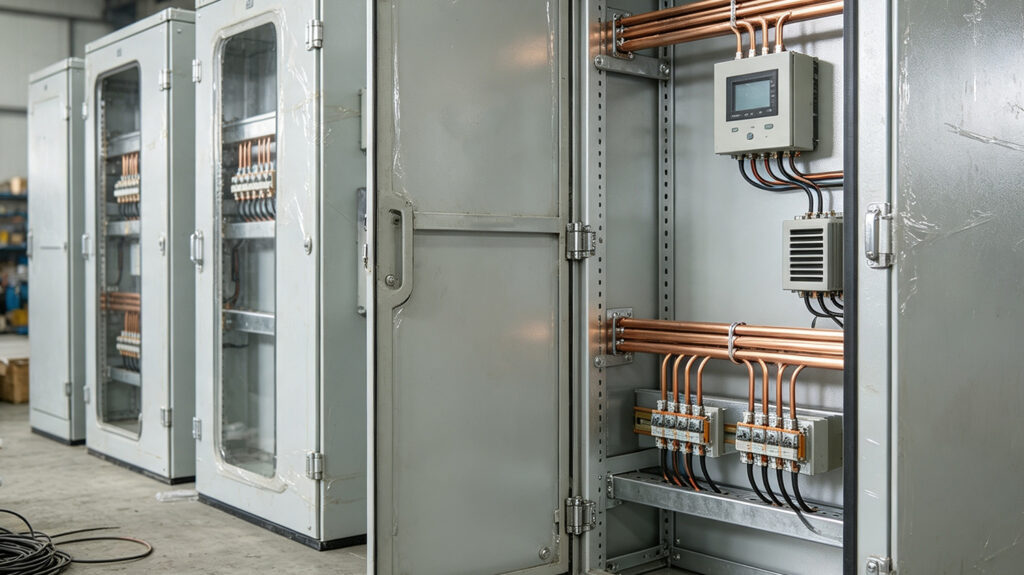
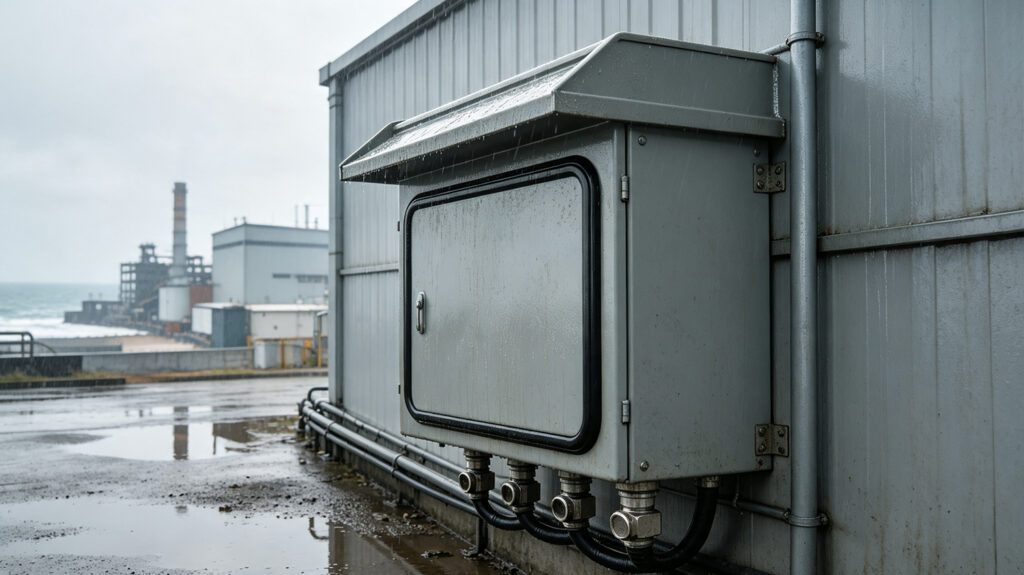
Marine air can accelerate corrosion on tank surfaces, radiators, control cabinets, fasteners, cable glands, and earthing points. Condensation can form inside marshalling boxes when humid air meets cooler metal surfaces. Dust can block radiator passages or ventilation filters. The transformer design response may include a suitable coating system, sealed or conservator arrangement, stainless or protected hardware, controlled breathers, anti-condensation heaters, screened ventilation, and increased maintenance access. The design response needs to match the stated site conditions rather than applying the same coastal package to every project.
For a useful comparison of coastal electrical risks, see Zisheng Electric’s coastal anti-corrosion distribution solution and the tropical coastal transformer design discussion. These pages are not Oman specifications; they illustrate why humidity, salt, sealing, and materials must be converted into engineering requirements.
Choose Oil-Immersed or Dry-Type by Location and Consequence
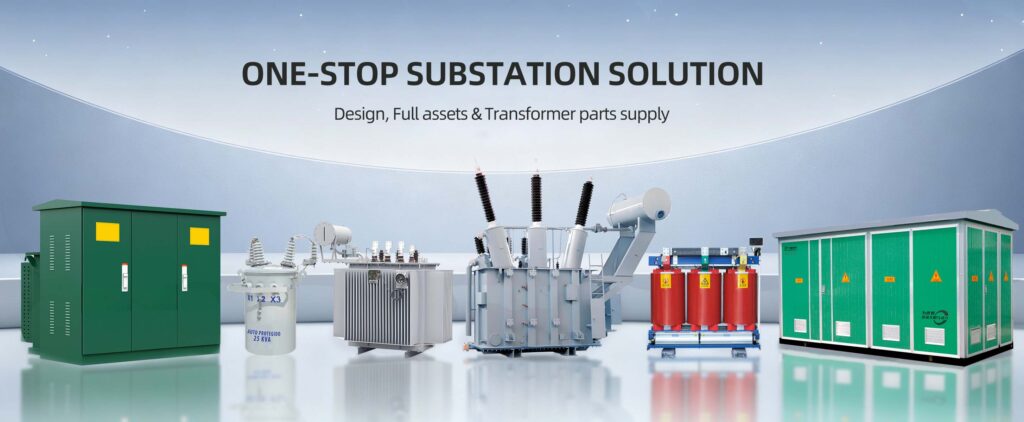
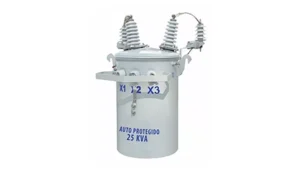
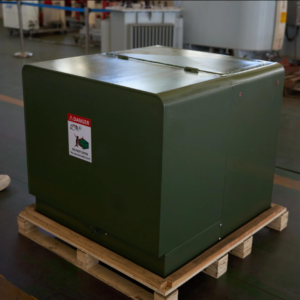
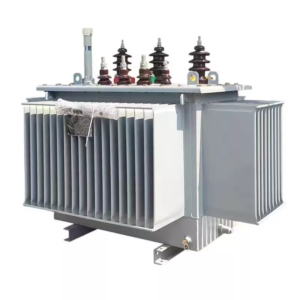
Oil-immersed transformers are often practical for outdoor substations where high capacity, thermal performance, and robust enclosure design are priorities. The oil-immersed distribution transformer range can be configured around project voltage, impedance, tap, protection, and environmental data. Larger plant substations may use a custom substation transformer integrated with MV and LV equipment.
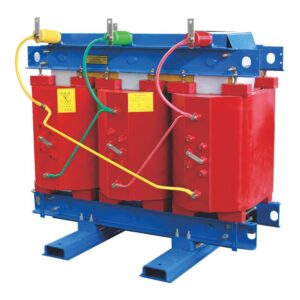
Dry-type units can suit indoor electrical rooms where fire strategy, oil containment, and maintenance access drive the decision. They still need ventilation, temperature, humidity, pollution, and harmonic checks. A dry-type transformer placed in a poorly ventilated coastal room is not automatically protected from condensation or corrosive air.
| Installation Decision | Oil-Immersed Option | Dry-Type Option | What the Buyer Should Confirm |
|---|---|---|---|
| Outdoor process substation | Commonly suitable with project coating and sealing | Requires a correctly engineered enclosure | Fire separation, oil containment, salt exposure, access |
| Indoor electrical room | Possible with fire and containment provisions | Often attractive where owner strategy favors non-liquid insulation | Room ventilation, heat rejection, humidity, fire code |
| High harmonic loading | Needs verified additional-loss design | Needs verified additional-loss design | Drive spectrum, derating method, winding temperature limits |
| Critical continuous process | Review redundancy and isolation strategy | Review redundancy and isolation strategy | N-1 philosophy, spare capacity, repair and replacement access |
Impedance, Taps, and Protection Must Be Reviewed Together
Transformer impedance affects motor starting and short-circuit current in opposite directions. We would not freeze transformer impedance from a standard percentage before checking both the motor-starting and short-circuit studies. Compare the minimum and maximum tolerances used in fault calculations, because the highest fault current and worst motor-starting voltage may occur at different impedance extremes.
The tap range should be based on the utility voltage envelope, feeder drop, and required motor-bus voltage. An off-circuit tap changer is useful for commissioning adjustments but cannot correct rapid operating variation. An OLTC adds control, maintenance, and interface requirements. Do not specify it unless the process and source conditions justify the complexity.
Protection coordination should cover transformer differential or restricted earth fault where applicable, overcurrent and earth fault, winding and oil temperature devices, pressure or gas protection for liquid-filled units, surge protection, and interfaces to the plant DCS or SCADA. Trip contacts, alarm contacts, auxiliary supply, CT ratios, and terminal schedules should be frozen before manufacturing.
FAT Should Recreate the Approved Design Basis
Factory acceptance testing verifies the manufactured unit against approved documents. The scope normally includes the routine electrical tests required by the governing standard and contract, plus functional checks on accessories, alarms, trips, fans, pumps, tap-changer controls, marshalling wiring, and communication interfaces. Project-specific harmonic loading is generally demonstrated through design calculations unless a special test is specified.
For an EPC desalination project, we expect the FAT package to remain traceable to the actual unit: serial-numbered test reports, calibrated instrument details, approved drawings, nameplate checks, accessory certificates, coating records where required, terminal schedules and a closed punch list. Owner or third-party witness points are best agreed before the transformer reaches final testing; late comments at this stage can hold a mechanically completed unit in the factory.
Maintenance Access and Spare Strategy
Desalination plants are continuity-sensitive facilities, so maintainability should influence the electrical layout. During layout review, we look at radiator cleaning access, oil-sampling points, safe bushing inspection, marshalling-box access, removable panels, lifting provisions and the route for replacing a failed transformer. A design that fits the foundation but cannot be removed without dismantling process pipework creates a long-term availability risk.
Specify commissioning spares and operating spares separately. Gaskets, temperature indicators, control relays, fan motors, breather consumables, and special terminal hardware should be selected against the actual transformer configuration. The owner should also receive maintenance instructions, alarm and trip settings, recommended inspection intervals, and a clear method for reporting serial-numbered technical issues after handover.
A Procurement Checklist for Omani Water Projects
Send bidders the same controlled information: single-line diagram, utility connection data, transformer datasheet, load schedule, motor list, drive harmonic data, starting study assumptions, site-condition schedule, civil layout, cable or busduct interfaces, protection philosophy, ITP, document schedule, spare-parts requirement, and required delivery sequence. Ask each bidder to return a clause-by-clause deviation list. A short “complies” column without data does not support a technical comparison.
Evaluate total system fit rather than headline kVA and price. A lower-cost transformer that forces a switchgear change, fails the starting study, needs an unplanned room ventilation upgrade, or uses an undefined coastal coating is not the lower-cost EPC decision.
Send the Site and Load Data Before Rating Selection
For an Oman desalination plant transformer review, send the project single-line diagram, transformer datasheet, utility connection data, motor list, VFD information, load cases, starting philosophy, site ambient and coastal conditions, protection requirements, and FAT specification. Zisheng Electric can match oil-immersed, dry-type, and substation transformer configurations to the actual process and installation requirements.
Zisheng Electric can provide technical matching based on project capacity, voltage level, environmental conditions, and technical specifications. Our engineering team will review the requirements and respond to project inquiries within 24 hours.
About ZISHENG ELECTRICAL
Zisheng are a professional 19+ years manufacturer in producing Oil-Immersed Transformers, Compact Substation, Pad Mounted Transformers, Pole Mounted Transformers and Dry Type Transformers. We own the certificates of ISO/CE/IEC 60076 and TUV Rheinland.
Transformers undergo rigorous FAT and type testing, support voltage/capacity customization. Welcome to consult for Catalog and Product. you can contact us at email [email protected].