How to Ensure Reliable Performance of Substation Transformers in Modern Power Systems?
Substation transformer failures cause outages, safety risks, and costly repairs. Poor maintenance accelerates degradation. Advanced monitoring and maintenance strategies ensure reliability and long-term performance.
Substation transformers are critical for voltage regulation and power distribution. Proper maintenance, monitoring, and modern upgrades improve reliability, extend lifespan, and ensure stable grid operation under demanding conditions.
Understanding key practices and technologies is essential to maximize transformer efficiency and prevent unexpected failures.
Essential Maintenance Practices for Substation Transformers
Effective maintenance is the foundation of reliable transformer operation. Regular Transformer preventive testing ensures early detection of potential issues before they escalate into failures. Key practices include Insulation resistance measurement, which evaluates the condition of insulation systems and helps identify moisture or degradation.
Advanced diagnostic techniques such as Frequency response analysis and Winding deformation detection are used to assess the mechanical integrity of transformer windings. These methods can reveal internal displacement caused by short circuits or transportation stress.
Routine inspections should also include Dissolved gas analysis, which detects gases generated by insulation breakdown or overheating. Combined with Partial discharge detection, operators gain a comprehensive understanding of transformer health.
Implementing these maintenance strategies supports accurate Transformer aging assessment, enabling timely interventions. This approach enhances operational stability and contributes significantly to long-term asset performance.
Common Failure Modes in Substation Transformers and How to Prevent Them
Substation transformers are exposed to various stresses that can lead to failure if not properly managed. One of the most common issues is insulation degradation, often caused by thermal stress, moisture, or electrical faults. Monitoring Overload operation impact is critical, as excessive loading accelerates insulation aging and reduces transformer lifespan.
Mechanical failures, such as winding deformation, can occur due to short-circuit forces. Techniques like Winding deformation detection and Frequency response analysis are essential for identifying such issues early.
Electrical faults, including partial discharges, can lead to catastrophic failures if undetected. Implementing advanced Transformer fault diagnosis methods and continuous Partial discharge detection helps mitigate these risks.
Preventive measures also include maintaining proper cooling systems and ensuring oil quality through regular testing. By addressing these common failure modes proactively, operators can significantly reduce downtime and improve transformer reliability.
The Role of Substation Transformers in Grid Reliability
Substation transformers play a vital role in ensuring stable and efficient power transmission. They are key components in voltage transformation, enabling electricity to be transmitted over long distances and distributed to end users.
Their performance directly impacts Grid reliability improvement, as any failure can disrupt large sections of the power network. Modern power systems rely on transformers to handle increasing demand and integrate diverse energy sources.
The integration of transformers into a Substation automation system enhances operational efficiency by enabling real-time monitoring and control. This allows operators to respond quickly to changing conditions and maintain system stability.
Additionally, the development of Smart grid transformer technologies supports advanced grid functionalities, including load balancing and fault isolation. These innovations ensure that substation transformers remain central to reliable and resilient power systems.
Digital Monitoring and Diagnostics for Modern Substation Transformers
The adoption of digital technologies has transformed transformer monitoring and diagnostics. Transformer online monitoring systems provide continuous insights into operational conditions, enabling proactive maintenance and reducing the risk of unexpected failures.
Technologies such as Fiber optic temperature sensing allow precise measurement of internal temperatures, helping prevent overheating and insulation damage. These systems offer real-time data that supports informed decision-making.
Advanced analytics and data-driven approaches enhance Transformer fault diagnosis, enabling early detection of anomalies. Integration with digital platforms allows for centralized monitoring of multiple assets, improving operational efficiency.
These innovations also support predictive maintenance strategies, reducing downtime and extending transformer lifespan. By leveraging digital monitoring solutions, utilities can achieve higher reliability and optimize asset performance in modern power systems.
Upgrading Old Substation Transformers: Retrofitting vs. Replacement
As infrastructure ages, utilities must decide between retrofitting existing transformers or replacing them entirely. Aged equipment retrofit solutions offer a cost-effective way to extend the life of existing assets while improving performance.
Retrofitting may include upgrading insulation systems, enhancing cooling mechanisms, or integrating modern monitoring technologies. These improvements contribute to Transformer life extension and better operational efficiency.
However, in cases where transformers have reached the end of their service life, replacement may be the more viable option. New transformers offer improved efficiency, compliance with modern standards, and compatibility with advanced monitoring systems.
A thorough evaluation of Transformer aging assessment data helps determine the most appropriate approach. By balancing cost, performance, and reliability, utilities can make informed decisions that align with long-term operational goals.
Environmental Trends: Eco-Friendly Insulation Fluids for Substations
Environmental considerations are increasingly influencing transformer design and operation. The use of Eco-friendly ester insulating oil is gaining popularity as a sustainable alternative to traditional mineral oil.
Natural ester transformer solutions offer several advantages, including higher biodegradability and improved fire safety. These properties support Fire-resistant substation design, reducing environmental and safety risks.
In addition, eco-friendly insulation fluids contribute to longer insulation life due to better moisture tolerance. This enhances overall transformer performance and reliability.
Sustainability initiatives also include Transformer recycling, which reduces waste and promotes resource efficiency. By adopting environmentally friendly practices, utilities can meet regulatory requirements and support global sustainability goals.
Conclusion
Proper maintenance, advanced monitoring, and sustainable solutions ensure reliable, efficient, and long-lasting performance of substation transformers in modern power systems.
About ZISHENG ELECTRICAL
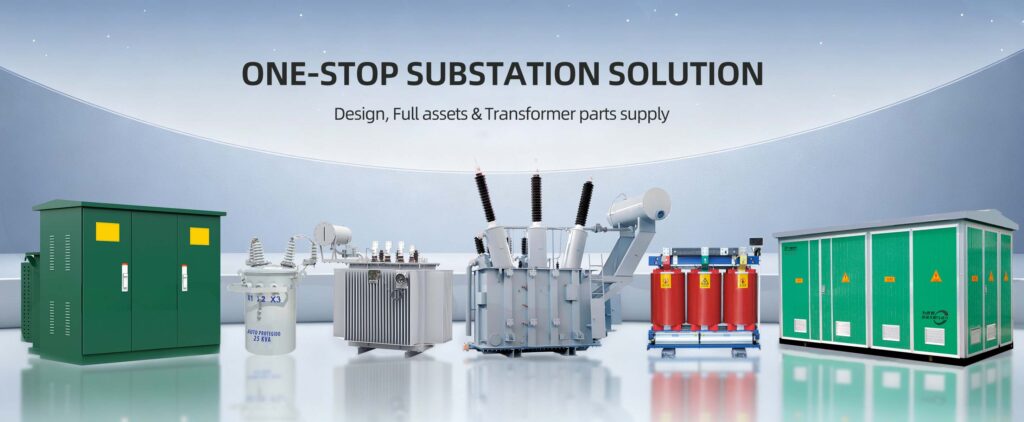
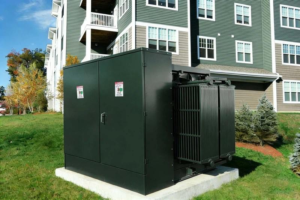
Zisheng are a professional 19+ years manufacturer in producing Oil-Immersed Transformers, Compact Substation, Pad Mounted Transformers, Pole Mounted Transformers and Dry Type Transformers. We own the certificates of ISO/CE/IEC 60076 and TUV Rheinland.
Transformers undergo rigorous FAT and type testing, support voltage/capacity customization. Welcome to consult for Catalog and Product. you can contact us at email [email protected].