How to Choose a Transformer Supplier for an EPC Project? A Clear Explanation of the Pitfalls Encountered in a South American Project.
For South American EPC projects, how should you select the right transformer supplier?
If you have been responsible for mining projects in Chile, photovoltaic power plants in Brazil, or port infrastructure projects in Peru, this question is probably not as simple as it looks.
During the tender stage, most suppliers appear similar — pricing, delivery time, and qualification documents all seem acceptable. However, problems often emerge after equipment arrives at the project site:
- Insufficient heat dissipation at high altitude
- Corrosion spots appearing within months in coastal salt spray environments
- Local certification requirements not matching the supplied equipment
At that point, making modifications can delay the project schedule. But ignoring the problems may lead to failures during commissioning and operation, leaving the EPC contractor responsible for the consequences.
After participating in several transformer supply projects for EPC contractors in South America, one lesson has become very clear:
Spending two weeks conducting a detailed supplier evaluation during the selection stage can save significant time, cost, and risk compared with solving problems after equipment arrives on site.
This article shares practical experience accumulated from actual projects. No complicated theory — just the key points that matter in real EPC execution.
1. Understand What the Project Actually Requires
Don’t Look at the Price First — Understand the Project Conditions
The first step is not checking the quotation. The first step is understanding the actual operating conditions of the project.
South America is not a single market. It is a combination of completely different environments and application scenarios.
A photovoltaic power plant in northern Chile may be located near the Atacama Desert, where 45°C daytime temperatures are common and the installation altitude can easily exceed 2,000 meters.
A wind farm in northeastern Brazil may face year-round humidity above 80%, with air moisture becoming extremely high during the rainy season.
A copper mining project in the Peruvian Andes may operate at an altitude of 3,500 meters, where transformer cooling performance can decrease significantly under standard design conditions, requiring additional temperature rise verification.
The same transformer model from the same manufacturer can perform completely differently in these three environments.
Renewable Energy Projects Are Especially Challenging
Photovoltaic and wind power projects are usually located in remote areas.
These projects often have:
- Long daily full-load operating periods
- Unstable grid connection conditions
- Limited local maintenance resources
When a transformer fails, power generation stops immediately. In many remote locations, maintenance teams may need several hours or even a full day to reach the site.
One project owner put it very clearly:
“A lower purchase price is attractive, but if the transformer fails after two years, the cost of replacement can be higher than the original purchase price.”
Industrial Projects Have the Same Requirement
The same principle applies to industrial applications.
Mining areas in Brazil, copper smelting plants in Chile, and port facilities in Peru all require 24/7 continuous operation.
For these projects, one hour of power interruption can result in losses exceeding the cost of several transformers.
When selecting equipment for these applications, there is only one key requirement:
Reliability.
2. How to Evaluate Transformer Suppliers? Check These Five Dimensions
During EPC tenders, many contractors focus mainly on:
- Price
- Delivery time
However, after equipment arrives on site, they discover problems such as:
- Incorrect standards compliance
- Mismatched technical parameters
- Incomplete documentation
At that stage, making corrections is often too late.
Based on our experience evaluating suppliers for South American projects, we recommend reviewing suppliers from five key dimensions.
A complete evaluation process can significantly reduce project risks.
2.1 Product Range and Manufacturing Capability
First, confirm whether the supplier can manufacture the transformer types required for your project.
Check whether their product range covers:
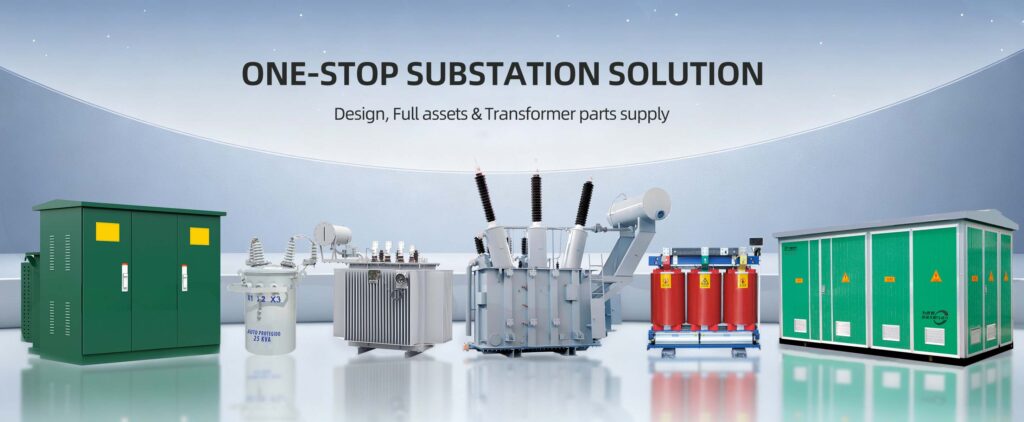
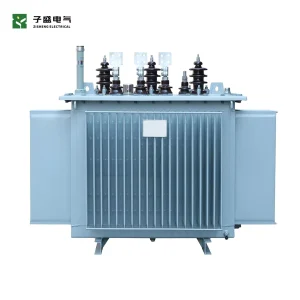
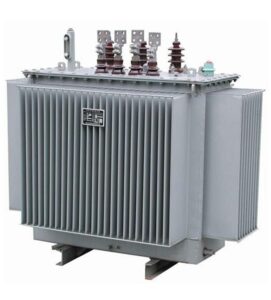
- Oil-immersed transformers
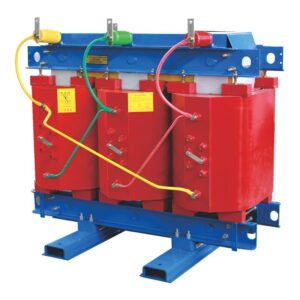
- Dry-type transformers
- Prefabricated substations
- Amorphous alloy transformers
A wider product range can simplify EPC project management.
We encountered a case where an EPC contractor won two different projects at the same time:
- A photovoltaic step-up substation requiring oil-immersed transformers
- A commercial complex requiring dry-type transformers
The contractor had to work with two different suppliers, manage two separate technical communication channels, and prepare two different spare parts systems.
If one supplier can provide a complete product portfolio, the advantages are obvious:
- One technical interface
- Simplified project coordination
- Easier spare parts management
- Lower long-term maintenance complexity
2.2 Custom Design Capability — A Critical Requirement
This is a key qualification for suppliers.
For South American EPC projects, standard transformer designs are often not enough.
The supplier should have the ability to customize designs according to actual site conditions, including:
- High-temperature operation
- High-altitude installation
- Coastal salt spray environments
- Desert dust exposure
- Special grid requirements
- Heavy industrial operating conditions
A supplier that can only provide standard products may meet factory test requirements but fail to address real operating challenges.
For EPC projects, the real value of a transformer supplier is not only manufacturing equipment — it is the ability to transform complex project conditions into a reliable engineering solution.
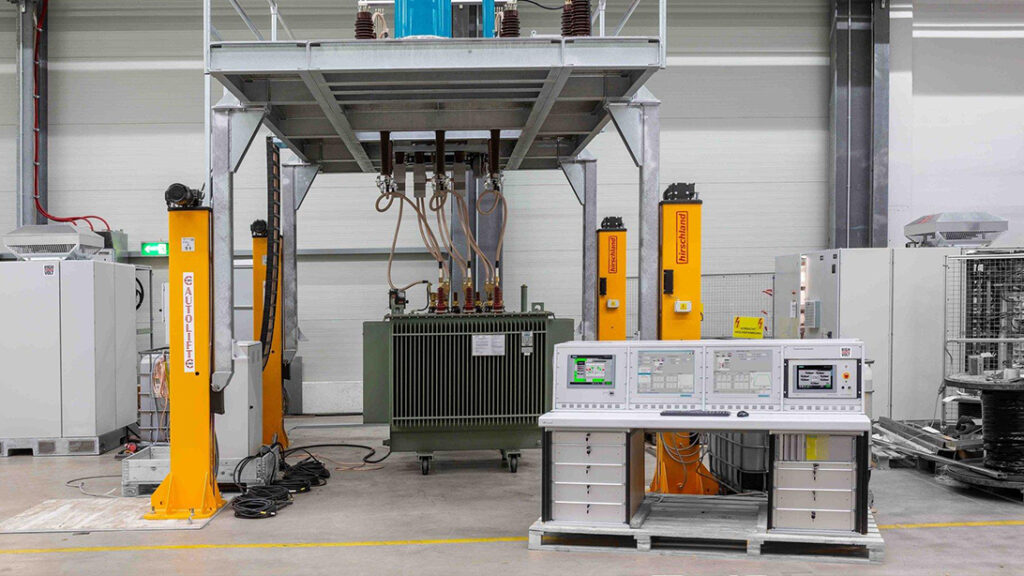
IEC Standards Provide General Conditions — Every South American Project Has Its Own Requirements
IEC standards provide reference design conditions, but every South American project has its own specific requirements.
For example:
- Chilean owners may require transformer designs for 50°C ambient temperature.
- Brazilian projects may require continuous operation at 55°C ambient temperature.
- Peruvian mining projects often require high-altitude correction.
Applying standard products directly to these projects often results in technical mismatches.
We encountered a typical case in a 35kV mining project in Brazil. The owner’s technical specification clearly stated:
“Continuous operation at 55°C ambient temperature.”
The default ambient temperature in IEC transformer design conditions is 40°C.
Several conventional suppliers submitted standard transformer designs, but their temperature rise calculations failed during technical evaluation.
Our approach was different:
First, we collected nearly 10 years of meteorological data from the project location and performed thermal calculations based on the extreme maximum temperature conditions.
The design adjustments included:
- Reducing winding current density
- Increasing radiator heat dissipation area
- Upgrading insulation thermal class from Class B to Class F
The final technical solution passed the owner’s review, and the transformers have been operating without temperature rise alarms since commissioning.
This type of customization is not simply changing nameplate parameters.
It requires a complete engineering adjustment covering:
- Electromagnetic calculation
- Thermal design
- Structural design
- Material selection
- Insulation system optimization
Without an independent engineering team, many manufacturers simply cannot provide this level of customization.
2.3 Standards and Certifications
The South American market mainly uses IEC 60076 as the technical reference. However, certification requirements vary significantly between countries.
Brazil
Brazilian projects typically require:
- INMETRO certification
- ANEEL registration/access requirements
Local representative support is often required for certification procedures.
Chile
Projects may require:
- IEC 60076 compliance
- SEC certification requirements
In addition, many utilities maintain their own approved supplier lists.
Colombia
Requirements may include:
- IEC 60076 standards
- RETIE technical regulations
- Energy efficiency requirements related to CREG regulations
These certification requirements should never be considered something to complete after winning the contract.
In many cases, certification procedures can significantly delay project schedules.
Our approach is:
During the tender stage, we create a complete certification checklist based on the project country:
- Which requirements can be handled directly by the supplier
- Which require cooperation from local agents
- Which documents need support from the project owner
Everything is clarified before bid submission.
For technical qualification documents, we provide:
- IEC 60076 type test reports
- Short-circuit withstand test reports
- Third-party laboratory test certificates
Without complete test documentation, many projects cannot even pass the technical prequalification stage.
2.4 Corrosion Protection and Protection Rating
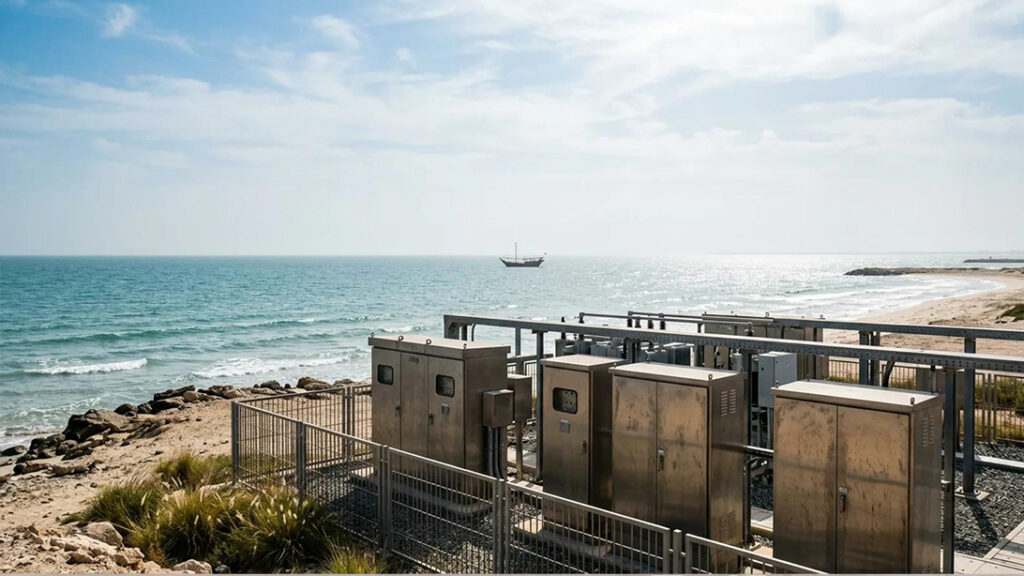
South America Has Extensive Coastlines — Corrosion Protection Cannot Be Ignored
South America has a long coastline. Regions such as northern Chile, Lima in Peru, Rio de Janeiro in Brazil, and the Caribbean coast of Colombia are all exposed to salt spray environments.
Salt spray corrosion is continuous, cumulative, and irreversible.
For transformers and prefabricated substations, ordinary galvanized steel enclosures may begin showing rust spots within two or three years when installed only a few hundred meters from the coastline. Radiators and external metal components may suffer severe corrosion and even perforation within less than five years.
By the time the problem becomes visible, replacement is expensive and repair is often difficult.
A typical example was a coastal hotel project in Lima, Peru.
The containerized substation was installed less than 200 meters from the coastline.
Initially, the owner selected C4 corrosion protection, believing it would be sufficient. After technical review, we recommended upgrading the design to C5-M protection level according to ISO 12944-2.
The solution included:
- Hot-dip galvanizing
- Three-layer coating system
- Total dry film thickness of 240 μm
- Stainless steel fasteners
- EPDM sealing materials
During the follow-up inspection three years later, the enclosure surface showed no significant corrosion.
Recommendation for EPC Contractors
Do not only evaluate the corrosion protection grade claimed by the supplier.
Evaluate the actual manufacturing process.
Hot-dip galvanizing generally provides significantly better long-term corrosion resistance compared with conventional electro-galvanizing.
The contract should clearly define:
- Coating system requirements
- Coating thickness
- Surface preparation requirements
- Inspection standards
During delivery, request the supplier to provide:
- Salt spray test report
- Testing according to ISO 9227 standard
- Minimum test duration: 720 hours or above
2.5 Delivery Capability and On-Site Support
One of the biggest uncertainties in South American EPC projects is logistics.
Shipping transformers from China to countries such as Chile or Brazil usually requires:
- 30–50 days of ocean transportation
- Additional 1–2 weeks for customs clearance
If production scheduling is not properly planned, the entire project timeline can be affected.
Our recommendation:
During supplier evaluation, require the manufacturer to provide a detailed:
- Production schedule
- Logistics plan
Including:
- Raw material procurement date
- Core and winding production schedule
- Assembly completion date
- Factory acceptance test (FAT) schedule
- Shipping booking date
- Estimated arrival date at destination port
With clear milestones, EPC contractors can coordinate site installation activities more effectively.
On-Site Technical Support Must Be Confirmed in Advance
Many South American projects do not have experienced transformer installation teams available locally.
Before signing the contract, confirm whether the supplier can provide:
- Installation guidance
- Commissioning support
- Site acceptance test assistance
- Training for local operation and maintenance personnel
For South American projects, Shengsheng Electric can provide on-site technical support when required, including:
- Installation supervision
- Commissioning test support
- Operation and maintenance training
Including these services in the contract provides greater confidence for project owners.
Transformer Supplier Evaluation Checklist
| Evaluation Dimension | What to Check | Deal-Breakers | Why It Matters |
|---|---|---|---|
| Product Range and Manufacturing Capability | Complete product portfolio including oil-immersed transformers, dry-type transformers, prefabricated substations, and amorphous alloy transformers | Unable to manufacture the required transformer type | Suppliers with broader product lines can support multiple projects under one contract and reduce management costs |
| Custom Design Capability | Electromagnetic calculation, temperature rise verification, altitude correction, special environment design capability | Only provides standard products without parameter adjustment capability | South American projects have different environmental conditions; standard products often fail to meet actual requirements |
| Standards and Certifications | IEC 60076 type test reports (including short-circuit withstand tests), country-specific certifications such as INMETRO, SEC, RETIE | Unable to provide third-party type test reports | Certification issues discovered after contract award can delay projects significantly |
| Corrosion Protection and Protection Rating | Hot-dip galvanizing process, coating system, coating thickness, salt spray test reports | Unable to meet C5-M requirements for coastal projects | Manufacturing process matters more than supplier promises; hot-dip galvanizing provides much better protection than conventional methods |
| Delivery and Site Support | Production schedule, logistics plan, installation guidance, commissioning support | No overseas project delivery experience | Ocean transportation can take 30–50 days; inaccurate scheduling affects the entire EPC timeline |
3. Three Environmental Issues That Are Most Easily Overlooked
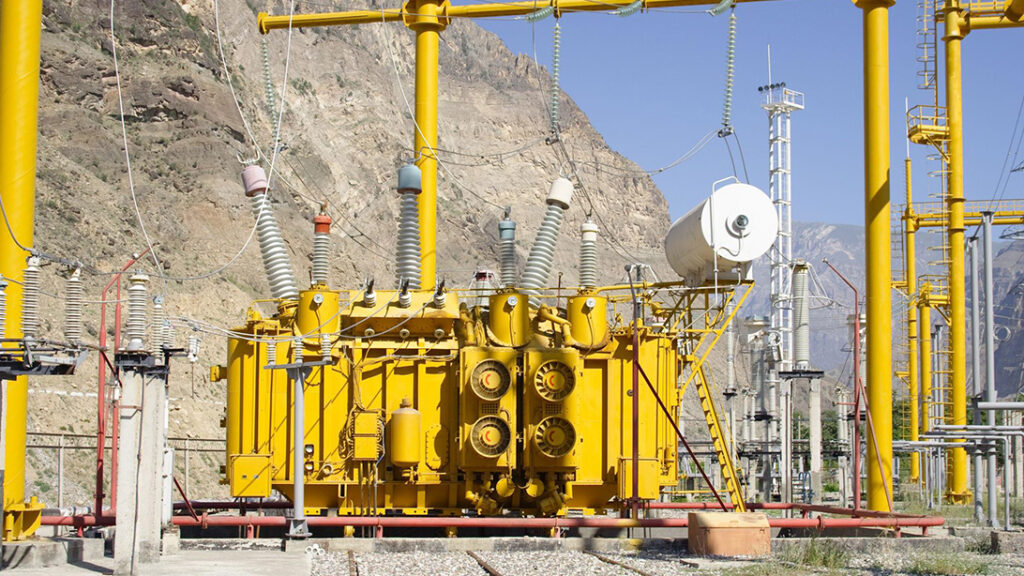
South America Is Different from the Middle East — It Combines Heat, Altitude, Humidity, and Salt Exposure
South America is not the same as the Middle East.
The Middle East is mainly a high-temperature challenge. The environment is hot, but relatively simple.
South America is more complex:
High temperature + high altitude + humidity + salt exposure often occur together.
This combination creates much higher requirements for transformer design and supplier capability.
3.1High Temperature — Northeastern Brazil
Extreme temperatures in some areas can exceed 42°C, while ground surface temperatures can be even higher.
Transformer cooling depends on the temperature difference between the transformer oil and the surrounding environment. When ambient temperature increases, heat dissipation efficiency decreases.
A standard transformer designed according to 40°C ambient conditions may experience excessive winding temperature rise when operating in a real environment above 42°C, accelerating insulation aging and reducing service life.
For Brazilian projects, our design adjustments include:
- Performing temperature rise verification based on extreme maximum temperature, not annual average temperature
- Reducing allowable temperature rise limits during design
- Increasing radiator heat dissipation capacity
- Applying enhanced forced-air cooling (ONAF) when necessary
- Automatically switching to forced cooling during high-temperature periods
- Selecting transformer capacity with an additional 15%–20% margin based on calculated load requirements
3.2High Altitude — Mining Projects in Chile and Peru
High-altitude regions create two major challenges:
- Reduced insulation strength
- Reduced cooling performance
For every 1,000-meter increase in altitude:
- Air insulation strength decreases by approximately 8%–10%
- Convection cooling efficiency also decreases
Examples:
- Bogotá: approximately 2,640 meters
- Quito: approximately 2,850 meters
- Some mining areas in the Andes: above 4,000 meters
Our design adjustments include:
- Increasing insulation distances according to altitude correction factors in IEC 60076-2
- Upgrading bushing creepage distances by one insulation level
- Applying capacity correction according to altitude derating factors
- Performing altitude correction for internal switchgear equipment inside prefabricated substations
For example:
If a project requires 2,000kVA output capacity, a transformer installed at 3,000 meters altitude may require a larger transformer body rated around 2,300kVA to maintain the same usable output capability.
3.3Salt Spray — Coastal Areas Throughout South America
Corrosion protection has been discussed previously. Several additional details are also important:
- Radiator cutting edges should be chamfered to prevent coating cracking at sharp edges
- Terminals should use silver-plated copper or tin-plated copper materials
- Nameplates should use stainless steel laser engraving, as aluminum nameplates may become unreadable after several years in coastal environments
- Sealing materials should use FKM (fluoro rubber) or EPDM, as standard nitrile rubber can age quickly under high-temperature salt spray conditions
Corrosion protection is not only about the coating system. Every external component and material choice affects long-term reliability.
4. Frequently Asked Questions When EPC Contractors Purchase Transformers
4.1 How to Evaluate Whether a Transformer Supplier Is Reliable?
Do not evaluate suppliers only through websites and product brochures.
Request:
- Export project records from the past three years
- Type test reports for corresponding projects
- Factory photos or production videos
- Manufacturing capability information
If possible, arrange a factory inspection.
During a factory audit, focus on:
- Production lines
- Testing facilities
- Current production status
- Quality control procedures
For South American projects, we often support EPC contractors with both online and on-site factory audits.
This process can eliminate many suppliers that appear qualified but lack actual project capability.
4.2 Should South American Projects Use IEC or IEEE Standards?
Most South American projects follow IEC 60076 standards.
However, some Brazilian projects, especially those involving American-owned companies, may require compliance with both:
- IEC standards
- IEEE/ANSI standards
We can design and test transformers according to both standard systems and provide bilingual technical documentation to reduce compliance concerns during project review.
4.3 How Long Is the Service Life of a Transformer?
The typical design life of a transformer is:
20–30 years
Actual service life depends on:
- Operating environment
- Loading conditions
- Maintenance quality
- Protection design
In one South American mining project, our oil-immersed transformer used:
- Fully sealed corrugated tank
- C4 corrosion protection
- IP55 protection rating
After eight years of operation, follow-up inspection showed:
- Insulating oil quality remained qualified
- No significant external corrosion was observed
The key factors are:
- Proper design during the early project stage
- Complete maintenance documentation
- Reliable spare parts supply
4.4 How Significant Is the Impact of High Altitude?
For every 1,000-meter increase in altitude:
- Cooling efficiency decreases approximately 3%–5%
- Air insulation strength decreases approximately 8%–10%
Without correction, transformer oil temperature will be several degrees higher under the same load conditions compared with low-altitude installations.
This accelerates insulation aging.
We once supported a Chilean mining project where the original supplier failed to apply altitude correction. During the first summer after commissioning, the transformer experienced temperature rise alarms and had to operate with reduced capacity, causing significant losses for the owner.
5. What Can We Provide?
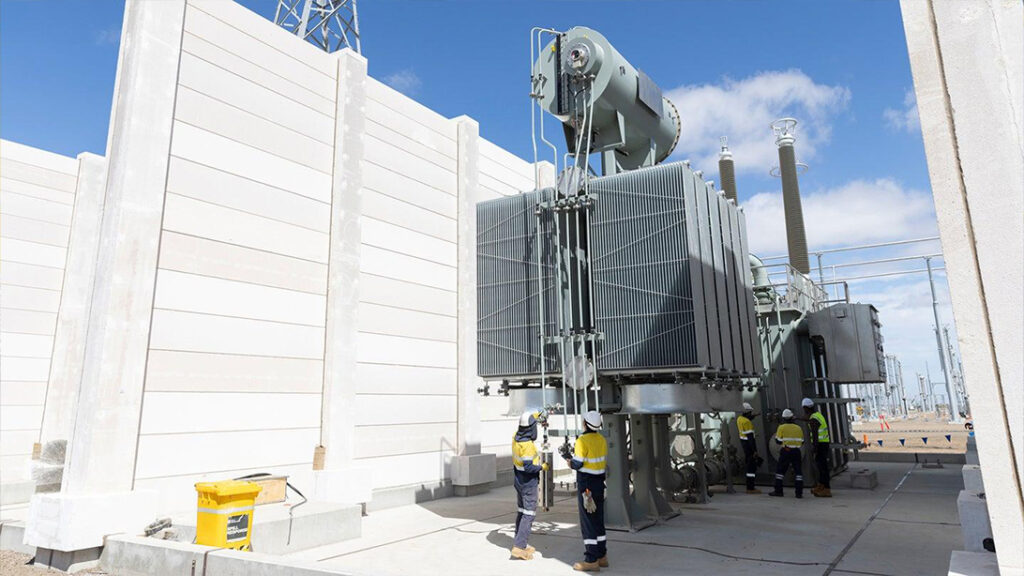
Our positioning in the South American market can be summarized in one sentence:
We do not simply supply transformers. We help EPC contractors eliminate risks throughout the entire process — from equipment selection, certification, delivery, to on-site support.
Product Capability
Our product range includes:
Oil-Immersed Transformers
- Fully sealed corrugated tank transformers
- Conventional conservator-type transformers
Dry-Type Transformers
- Epoxy resin cast transformers
- Non-encapsulated dry-type transformers
Amorphous Alloy Transformers
Prefabricated Substations
Integrated with:
- Medium-voltage switchgear
- Low-voltage switchgear
Capacity range:
315kVA to above 2500kVA
Voltage levels can be customized according to project requirements, including:
- 10kV
- 13.8kV
- 23kV
- 34.5kV
Low-voltage outputs include:
- 0.4kV
- 0.415kV
These configurations have been successfully applied in different industrial and renewable energy applications.
Technical Capability
For South American projects, we provide customized solutions including:
- High-temperature correction design
- High-altitude correction design
- C4 to C5-M corrosion protection
- IP54 to IP65 protection levels
- IE2 / IE3 energy efficiency solutions
All products can be designed and manufactured according to the IEC 60076 series of standards.
Project Support Capability
Tender Stage
We support EPC contractors with:
- Technical proposals
- Standards compliance checklists
- Project references
- Type test reports
Manufacturing Stage
Support includes:
- Third-party inspection coordination
- Factory acceptance testing (FAT) support
- Bilingual Chinese-English technical documentation
Delivery Stage
We assist with:
- Export packaging solutions
- Ocean transportation coordination
- Customs clearance support
After-Sales Stage
According to project requirements, we can provide:
- On-site installation guidance
- Commissioning support
- Operation and maintenance training
South American projects have several characteristics:
- Long project cycles
- Complex technical requirements
- Multiple stakeholders involved
For EPC contractors, completing supplier evaluation and technical planning carefully at the early stage can significantly reduce problems during later execution.
Next Step
If you are currently purchasing transformers for a South American EPC project, please provide the following information:
- Project country and specific location
- Required capacity and voltage level
- Installation environment:
- Indoor or outdoor
- Coastal or inland
- Installation altitude
- Any special owner requirements:
- Temperature rise limits
- Corrosion protection level
- Energy efficiency requirements
After receiving the project information, our technical team can provide:
Initial transformer selection recommendations and budgetary quotation range within 24 hours.
Send your project parameters to Shengsheng Electric’s official channel, and we will prepare a suitable technical solution.
You can also leave your technical questions directly, and our engineers will respond one by one.
About ZISHENG ELECTRICAL
Zisheng are a professional 19+ years manufacturer in producing Oil-Immersed Transformers, Compact Substation, Pad Mounted Transformers, Pole Mounted Transformers and Dry Type Transformers. We own the certificates of ISO/CE/IEC 60076 and TUV Rheinland.
Transformers undergo rigorous FAT and type testing, support voltage/capacity customization. Welcome to consult for Catalog and Product. you can contact us at email [email protected].