How Can Aging Infrastructure Replacement Address Growing System Failures?
Aging infrastructure causes frequent failures, inefficiency, and safety risks. Delayed upgrades increase costs and disruptions. Implementing modern replacement strategies ensures reliability, sustainability, and long-term operational stability.
Aging infrastructure replacement involves upgrading outdated systems with modern technologies to improve efficiency, safety, and resilience. It supports public infrastructure upgrades, enhances utility performance, and integrates smart infrastructure technologies, ensuring sustainable infrastructure development and long-term economic growth.
Understanding the importance and strategies of infrastructure replacement is critical for governments, utilities, and industries worldwide.
What Is Aging Infrastructure Replacement and Why It Matters
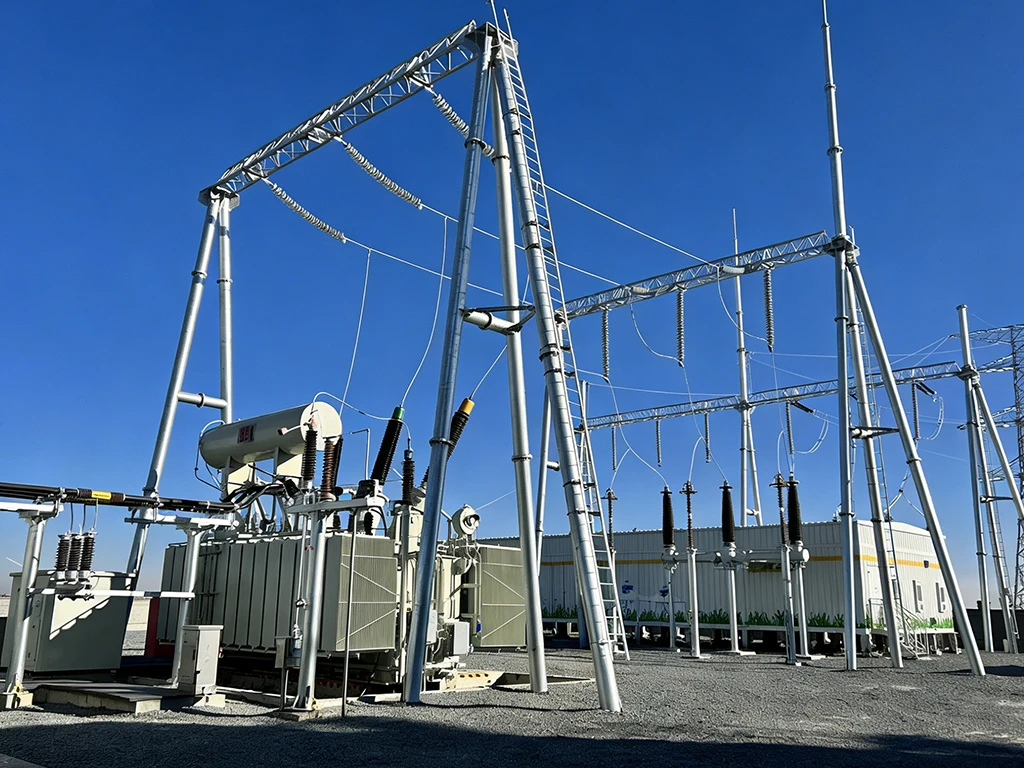
Aging infrastructure refers to systems such as roads, power grids, water networks, and industrial facilities that have exceeded their intended lifespan. Aging infrastructure poses serious risks to safety, efficiency, and economic growth, making timely replacement essential.
Infrastructure replacement solutions involve upgrading or rebuilding outdated systems using modern materials, technologies, and engineering practices. These efforts are a key part of civil infrastructure modernization, ensuring that essential services remain reliable and efficient.
The importance of replacement lies in several factors. First, deteriorating systems increase maintenance costs and reduce performance. Second, failures in utility infrastructure replacement can lead to power outages, water shortages, and transportation disruptions. Third, outdated systems are less capable of supporting modern demands, including digitalization and sustainability.
Additionally, public infrastructure upgrades are vital for economic development, supporting industries and improving quality of life. Replacing aging infrastructure ensures long-term stability, reduces risks, and enhances overall system performance.
Key Challenges in Replacing Aging Infrastructure Systems
Replacing aging systems is a complex process that involves multiple challenges. One of the most significant issues is the scale of the problem. Many countries face widespread deterioration across transportation infrastructure repair, water and wastewater infrastructure, and energy systems.
Another major challenge is funding. Infrastructure projects require substantial investment, and limited budgets can delay necessary upgrades. This makes prioritization and efficient infrastructure investment strategies critical.
Technical complexity also plays a role. Integrating new technologies with existing systems can be difficult, particularly in densely populated urban areas. In addition, disruptions during construction can impact daily operations and economic activities.
Regulatory and environmental considerations further complicate projects. Compliance with safety and environmental standards can extend project timelines. Moreover, a shortage of skilled labor in construction and engineering sectors can slow progress.
Addressing these challenges requires careful planning, collaboration, and innovative construction and engineering solutions.
Top Technologies Used in Infrastructure Replacement Projects
Modern infrastructure replacement relies on advanced technologies to improve efficiency, durability, and performance. These innovations are transforming how systems are designed and maintained.
One of the key developments is the use of smart infrastructure technologies, which incorporate sensors and data analytics to monitor system performance in real time. These technologies enable predictive maintenance and reduce the risk of unexpected failures.
Another important tool is asset management systems, which help organizations track the condition and lifecycle of infrastructure components. This supports effective infrastructure lifecycle management, ensuring timely maintenance and replacement.
Advanced materials, such as high-performance concrete and corrosion-resistant alloys, enhance durability and reduce maintenance requirements. In addition, digital modeling tools, such as Building Information Modeling (BIM), improve project planning and execution.
Automation and robotics are also being used in construction processes, increasing efficiency and safety. These technologies collectively improve the effectiveness of infrastructure replacement solutions.
Costs and Funding Strategies for Aging Infrastructure Replacement
The cost of replacing aging infrastructure is a major concern for governments and organizations. Large-scale projects require significant financial resources, making effective planning essential.
One approach is to develop comprehensive infrastructure investment strategies that prioritize critical projects and allocate resources efficiently. Public-private partnerships (PPPs) are also commonly used to share costs and risks between governments and private investors.
Another strategy is phased implementation, where projects are completed in stages to spread costs over time. This approach helps manage financial constraints while ensuring continuous progress.
Innovative financing methods, such as green bonds and infrastructure funds, are increasingly being used to support public infrastructure upgrades. These instruments attract investment by aligning with sustainability goals.
Cost control is also achieved through efficient project management and the use of advanced technologies. By optimizing design and construction processes, organizations can reduce expenses and improve outcomes.
The Role of Sustainability in Modern Infrastructure Upgrades
Sustainability is a key consideration in modern infrastructure projects. Sustainable infrastructure development focuses on minimizing environmental impact while maximizing efficiency and resilience.
One important aspect is energy efficiency. Upgraded systems, such as power grid infrastructure upgrades, reduce energy losses and improve overall performance. Similarly, modern water and wastewater infrastructure systems use advanced treatment technologies to conserve resources and reduce pollution.
The use of renewable energy and eco-friendly materials further supports sustainability goals. For example, incorporating solar power and energy-efficient systems reduces carbon emissions.
Resilience is another critical factor. Sustainable infrastructure is designed to withstand extreme weather events and other environmental challenges, ensuring long-term reliability.
Additionally, urban infrastructure renewal projects often include green spaces, improved public transportation, and smart city features, enhancing both environmental and social outcomes.
Future Trends in Aging Infrastructure Replacement and Smart Cities
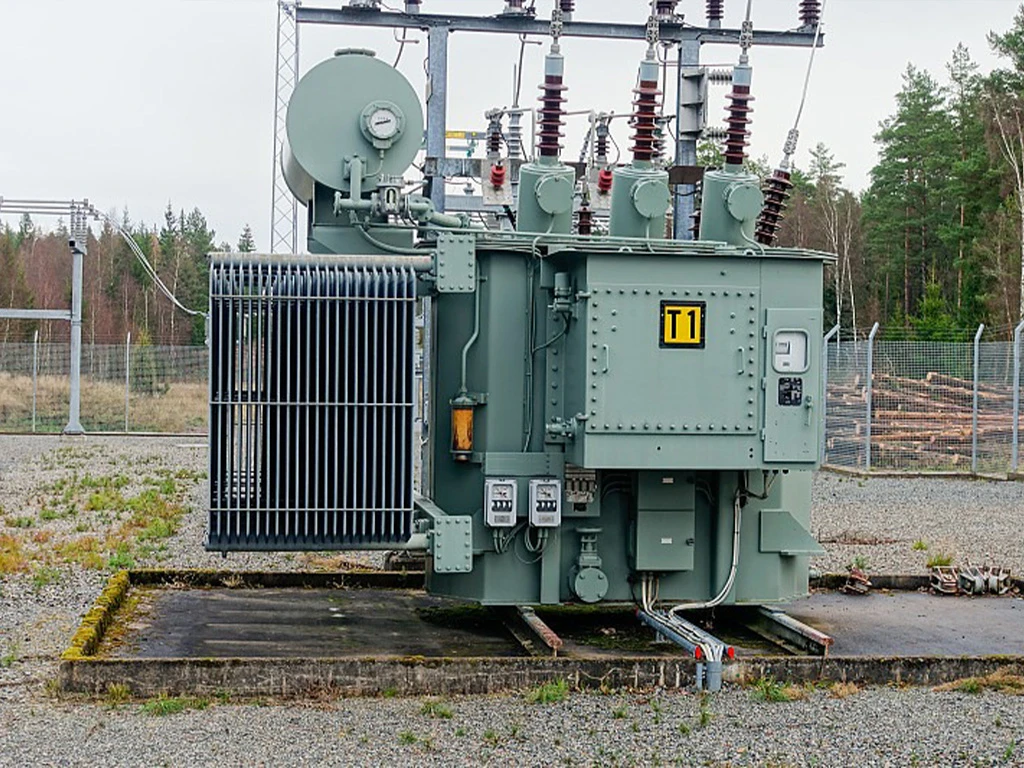
The future of infrastructure replacement is closely linked to the development of smart cities and digital technologies. These trends are reshaping how infrastructure is designed, managed, and maintained.
One key trend is the integration of smart infrastructure technologies into urban systems. These technologies enable real-time monitoring, data-driven decision-making, and improved efficiency.
Another important development is the use of digital platforms for infrastructure lifecycle management. These systems provide comprehensive insights into asset performance, helping organizations optimize maintenance and replacement schedules.
The growth of smart cities is also driving demand for urban infrastructure renewal, including intelligent transportation systems and connected utilities. These developments enhance quality of life and support economic growth.
In addition, increased focus on sustainability will continue to shape infrastructure projects. Governments and organizations are prioritizing sustainable infrastructure development to meet environmental targets.
Overall, the combination of digital innovation and sustainability will define the future of infrastructure replacement.
Conclusion
Aging infrastructure replacement ensures reliable, efficient, and sustainable systems, supporting economic growth and enabling resilient, future-ready urban and industrial development.
About ZISHENG ELECTRICAL
Zisheng are a professional 19+ years manufacturer in producing Oil-Immersed Transformers, Compact Substation, Pad Mounted Transformers, Pole Mounted Transformers and Dry Type Transformers. We own the certificates of ISO/CE/IEC 60076 and TUV Rheinland.
Transformers undergo rigorous FAT and type testing, support voltage/capacity customization. Welcome to consult for Catalog and Product. you can contact us at email [email protected].