Transformer Oil Leak Response Planning for African Industrial Sites
Transformer oil leak response planning should start while the equipment is being specified, not when a stain appears below a radiator. Zisheng Electric recommends connecting the transformer data, site response organization and service resources in one practical package. For an African industrial facility, the difficult question is often not whether a contractor can repair a joint. It is whether the right people, information, materials and transport can reach the correct asset without creating another uncontrolled risk.
This article addresses preparedness and procurement. It is not a spill-cleanup instruction, a live electrical maintenance procedure or permission to keep leaking equipment in service. The owner’s authorized electrical, safety and environmental personnel must assess an actual incident and apply the approved site procedure. A small visible mark does not establish either the release volume or the condition inside the transformer.
Make transformer oil leak response planning a service requirement
A transformer purchase normally defines rating, losses and accessories more clearly than the support available after an abnormal event. Close that gap by asking what the supplier needs to identify the equipment, assess a service enquiry and propose a controlled investigation. Specify the records handed to operations, the service contact route and the scope of any contracted response arrangement.
Keep three decisions separate: protecting people and the site, establishing the equipment condition, and authorizing repair or return to service. They may involve different organizations. A commercial acknowledgement from a supplier is not an electrical operating decision, and delivery of a replacement seal does not establish that the joint is suitable for reassembly.
Define the response boundary
Identify the transformer, connected liquid-containing accessories and any separate compartments. Record the party responsible for each interface. The main tank, radiator connection and separate tap-changer compartment should not share an ambiguous description such as “transformer oil system.” An equipment-specific boundary helps the owner request the appropriate technical support without assuming that every accessory is covered by the same service contract.
Prepare the information that an incident report will need
Build an accessible asset pack containing the serial number, approved general arrangement, fluid identity, nominal liquid inventory, accessory schedule and current maintenance instructions. Include modification history, especially fluid replacement or changes to valves, radiators and instruments. Keep an offline copy available to authorized site staff if connectivity is unreliable.
The incident form should request observations that can be made safely under site rules: asset identity, time, observed location, relevant alarms and the person reporting. Photographs should come only from an authorized safe position. Do not ask an operator to approach a suspect transformer to obtain a better image. Unknown information should remain explicitly unknown until a competent person can establish it.
Distinguish observed staining from a confirmed active leak and an estimated quantity from a measured inventory. These distinctions prevent a service enquiry from becoming an unsupported diagnosis. Previous records may help the equipment engineer interpret a change, but old photographs should not be presented as current evidence.
Use the actual fluid documentation
Obtain the current safety data sheet for the supplied fluid and the destination market. Shell describes an SDS as a source of product hazards and safe handling, use and storage information. Its Diala S4 ZX-I Australia/New Zealand SDS, revised 25 August 2026, separately addresses accidental release, protective equipment and disposal. That document illustrates the information categories to request; it is not an African regulatory specification or a substitute for the SDS applicable to another fluid.
Do not infer fluid identity from its colour or from a generic invoice description. An asset that has been retrofilled needs a verified current record. Equally, a claim that a liquid is biodegradable does not give permission to release it into soil or drainage. Environmental decisions remain with the owner’s qualified specialists and the applicable local requirements.
Turn site conditions into response resources
African industrial sites do not share one climate, road network or utility interface. Use the actual location and operating arrangement. A coastal processing plant, a high-altitude mine and an inland fabrication facility can require very different resource plans, even when their transformer ratings are similar. Ask for measured or approved project data rather than assigning a regional default.
| Planning input | Evidence to obtain | Procurement or operating decision |
|---|---|---|
| Fluid and compartments | Current fluid SDS, equipment diagram and inventory | Compatible response materials and a correctly scoped specialist enquiry |
| Drainage and containment | As-built drainage routes, inspection records and approved environmental plan | Location of response resources and responsible civil/environmental personnel |
| Access and travel | Gate arrangements, route limits, seasonal access and contractor base | Credible mobilization commitment rather than an unsupported arrival promise |
| Electrical operating boundary | Current single-line diagram, utility interface and authorized contacts | Who can assess operating restrictions and authorize a work boundary |
| Weather and storage | Temperature, humidity, dust, salt exposure and rainfall conditions | Suitable storage and inspection of response materials |
| Recovery services | Accepted contractor scope, receiving facility and documentation requirements | A complete collection and disposal route, not merely a vehicle booking |
The table is a purchasing framework, not an emergency response sequence. Give each row an owner and a review date. An unavailable contractor, inaccessible store or obsolete drawing is a readiness gap even if the transformer itself has passed its routine inspections.
Check the route between the transformer and the support resources

Review the installed arrangement with operations and the civil team. Confirm that the approved response plan reflects the actual containment bay, drainage network, trenches, nearby equipment and vehicle access. A drawing prepared before final cable installation may omit an obstruction that matters when a service vehicle or collection container arrives.
Weather can change that arrangement. Rainwater accumulation, damaged covers and sediment may affect the condition of containment infrastructure. The responsible team should define inspection and maintenance under the accepted site design. Do not assume a concrete kerb establishes adequate containment, and do not prescribe a universal capacity without the project calculation and authority requirements.
The existing oil sampling access review covers the routine service interface. Response planning asks a different question: if conditions are abnormal, which resources and decisions are available without relying on improvised access? Keep both activities connected to the same as-built layout.
Specify response materials as a maintained package

A purchase order that says “spill kit included” leaves important matters unresolved. The site safety and environmental team should define the materials suitable for the actual liquid, the intended response scope, protective equipment requirements, storage and replenishment. The supplier should identify the offered contents and their limitations, rather than promising that one box covers every possible release.
Separate portable materials from permanent containment and specialist recovery equipment. A small absorbent package is not a replacement for an engineered drainage system or a contractor capable of managing a larger incident. The accepted plan should say when staff withdraw and escalate rather than attempt an activity beyond their training or equipment.
Keep the package usable between events
Locate stores where authorized responders can reach them under the site plan, not merely where shelf space is available. Record contents, condition, inspection responsibility and replenishment trigger. Heat, dust, moisture and coastal corrosion exposure should inform the storage assessment for the supplied materials and associated hardware. Follow the relevant manufacturers’ instructions rather than applying a generic shelf-life rule.
After an exercise or actual use, record what was consumed and restore the agreed readiness level. A kit that is present but incomplete can create false confidence. Purchasing should provide a replenishment route with identified products, lead times and approved substitutions so that routine stock replacement does not require a fresh technical decision every time.
Buy a mobilization commitment that can be checked

Ask service bidders to distinguish acknowledgement, remote technical assessment, dispatch and site arrival. Each is a different milestone. A supplier can answer an enquiry quickly while a suitably equipped field team still needs travel approval, transport and access clearance. Compare offers against the actual project location and the work that is included.
For remote facilities, obtain the contractor’s resource location, after-hours contact arrangement, travel assumptions and exclusions. Confirm whether specialist equipment is owned, reserved or hired when needed. Where cross-border movement may be involved, require the contractor to identify the applicable logistics and documentation responsibilities without assuming that an ordinary domestic delivery time applies.
Site utilities deserve a separate check. Any proposed service plant must match the verified available supply, connection arrangement and approved work area. Voltage and frequency cannot be assumed from a country label. Altitude and ambient conditions may affect equipment suitability and personnel planning; obtain the service provider’s accepted operating limits for the particular package.
Separate leak repair from oil processing
Fluid handling, investigation, mechanical repair and electrical acceptance are not interchangeable services. The equipment engineer should determine the work scope after assessment. The gasket procurement checklist can support a separately approved spare-part enquiry, but neither a new gasket nor a filtration booking closes the technical cause of a leak.
Load records, temperature history and alarms may be relevant to the engineering investigation. Harmonic duty and cooling performance should be reviewed where the responsible engineer identifies a connection, not presented as automatic explanations for every leak. Avoid buying a corrective action before the fault mechanism and equipment condition have been assessed.
Rehearse the decisions without creating a spill
A document-based exercise can expose gaps without releasing liquid or operating equipment. Use an explicitly hypothetical report for a named training asset. Ask the duty team to identify the correct contact, retrieve the current fluid record, locate the response resources and explain which decisions require escalation. Do not turn the exercise into an unapproved live switching or cleanup demonstration.
Measure whether the information and responsibilities are usable. Did the contact answer? Was the asset pack current? Could staff identify the relevant drainage drawing? Was the contractor’s scope clear? Record findings as actions with owners rather than treating attendance as proof of readiness. Repeat the affected checks after significant layout, staffing or service-contract changes.
Keep recovery, repair and return to service separately documented
The incident closeout should link the observations, authorized response, recovered-material records, engineering assessment and approved repair evidence. The owner should establish the collection and receiving arrangements in advance, including the documentation required locally. This article does not prescribe waste classifications, notification thresholds or disposal rules across different countries.
Return to service requires the equipment-specific acceptance and operating authorization defined by the responsible parties. A clean floor, a completed contractor invoice or the absence of a visible drip is not enough by itself. Record outstanding restrictions and ensure the operations team receives the accepted as-left condition and any follow-up inspection requirements.
Include readiness in the transformer enquiry
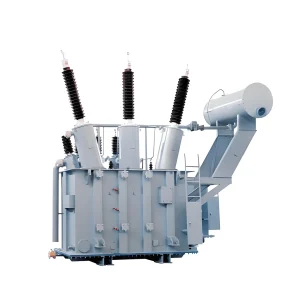
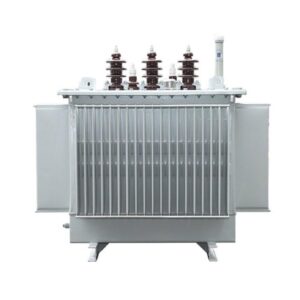
A máy biến áp ngâm dầu 400 kVA và một Máy biến áp điện 10 MVA, 33/11 kV have different equipment envelopes and service needs. Product rating alone does not define the appropriate response resources. Use the actual offered configuration, liquid inventory, accessory layout and installation conditions to make the support scope meaningful.
For transformer oil leak response planning, send Zisheng Electric the drawings, datasheets, load list, technical specification, single-line diagram, verified grid parameters, environmental conditions and installation-site access information. Include the owner’s service expectations and any existing fluid or maintenance records so our engineers can identify the equipment interfaces requiring review. Our engineering team will review the requirements and respond to project inquiries within 24 hours.
Reference basis: Shell safety data sheet overview; Diala S4 ZX-I Australia/New Zealand SDS, revision 25 August 2026. Product-specific examples are not local regulatory approvals.
Giới thiệu về ZISHENG ELECTRICAL
Zisheng là nhà sản xuất chuyên nghiệp với 19 năm kinh nghiệm Máy biến áp ngâm dầu, Trạm biến áp gọn, Biến Áp Gắn Trên Tấm, Máy biến áp gắn cột và Biến Áp Kiểu Khô. Chúng tôi sở hữu các chứng chỉ ISO/CE/IEC 60076 và TUV Rheinland.
Máy biến áp trải qua kiểm tra FAT và kiểm tra loại nghiêm ngặt, hỗ trợ tùy chỉnh điện áp/công suất. Chào mừng bạn đến tư vấn về Danh mục và Sản phẩm. bạn có thể liên hệ với chúng tôi qua email [email protected].