Selection and Design Scheme for 11kV/0.4kV Pole-Mounted Distribution Transformers for Rural Electrification Projects in Africa
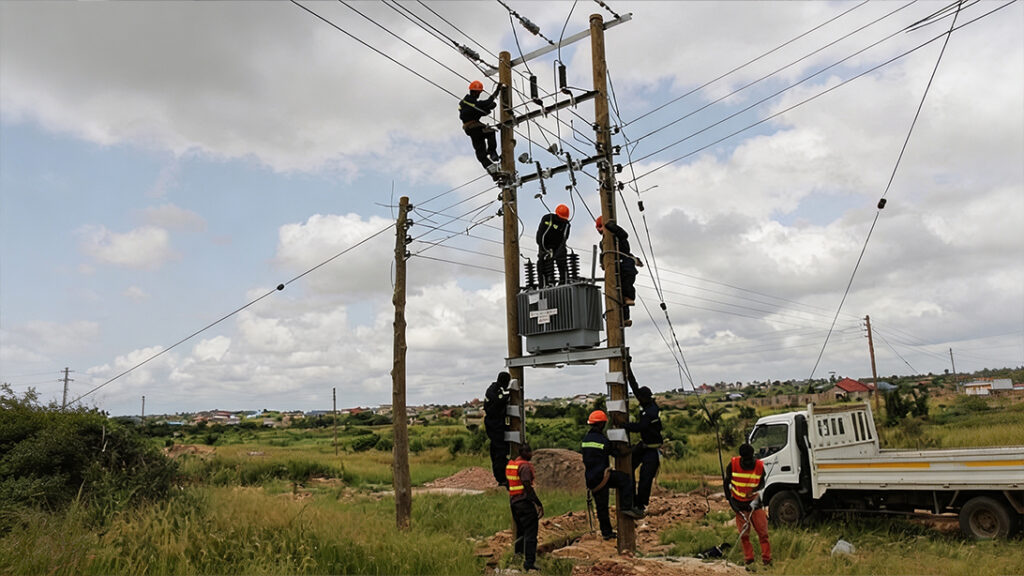
Introduction: Zisheng Electric — Building Truly “Tough Enough” Pole-Mounted Transformers for Rural Electrification in Africa
Rural electrification in Africa is never a simple replication of urban distribution networks. 11kV lines often stretch across remote areas, loads fluctuate unpredictably, high temperatures and dust erosion continue day and night, and maintenance resources are far away. Every transformer is placed in an “extreme test environment” far beyond conventional design conditions.
Many devices manufactured according to standard specifications quickly reveal problems under such conditions, including oil tank leakage, insulation degradation, and excessive temperature rise caused by overload. These issues not only disrupt power supply plans but also create significant long-term operation and maintenance costs.
Zisheng Electric has been deeply engaged in special markets including the Middle East, Africa, and Russia for more than ten years. We understand better than anyone that in rural distribution projects, field adaptability is far more important than factory-rated parameters, and lifecycle cost is far more critical than initial purchase price.
Based on feedback from hundreds of actual projects, we have implemented full-condition differentiated design for 11kV/0.4kV pole-mounted transformers. Every key aspect, including the sealing system, insulation materials, heat dissipation structure, and overload capability, is specifically reinforced according to Africa’s climate conditions, grid fluctuations, and local maintenance conditions.
Practical applications have demonstrated that our transformers achieve significantly lower failure rates, longer maintenance intervals, and improved operational stability in similar environments. They truly help customers achieve a solution that is “easy to install, reliable in operation, and worry-free throughout the service life.”
This article is based on Zisheng Electric’s practical experience in multiple African electrification projects and provides a systematic overview of key selection considerations, offering practical technical references for engineering decisions.
Choosing Zisheng means choosing a partner with years of experience in tackling the challenges of extreme operating environments.
1. Major Challenges Faced by Rural Electrification Projects in Africa
Rural electrification in Africa mainly adopts a grid extension power supply model, where branch lines are connected from existing 11kV medium-voltage networks to supply surrounding villages and towns. Electricity is then delivered to residential and small commercial users after voltage reduction through pole-mounted transformers.
Based on actual project implementation, the following constraints are commonly encountered.
(1) Long Power Supply Distances Require Higher Equipment Economic Efficiency
Rural users in Africa are typically widely dispersed. A single 11kV distribution line may need to cover multiple villages. Due to the high investment proportion of transmission and distribution infrastructure, projects usually need to balance the investment in medium-voltage line construction, distribution equipment, and future expansion requirements.
Transformer capacity selection must avoid excessive redundancy, which increases no-load losses, while also avoiding insufficient capacity that may create difficulties during future expansion.
(2) Gradual Load Growth Requires Sufficient Capacity Margin
At the early stage of rural electrification, electricity demand is relatively low, mainly consisting of lighting, mobile phone charging, small household appliances, and power consumption from public facilities such as schools and health stations.
As electrification expands, additional loads may appear, including water pumps, agricultural processing equipment, and small commercial users. Some regions experience short-term peak demand during evenings and agricultural processing seasons. Therefore, transformer selection should consider reasonable future development margins.
(3) Diverse Climate Conditions and Limited Maintenance Resources
Africa contains highly diverse climate zones with significant environmental differences.
- West African coastal regions experience high temperatures, high humidity, and salt mist corrosion.
- Sahel regions face severe dust, sandstorms, and large temperature variations.
- East African highland areas experience strong solar radiation, ultraviolet exposure, and frequent thunderstorms.
- Tropical rainforest regions maintain consistently high humidity, while biological activity may also affect equipment operation.
At the same time, many rural projects are located far from urban centers, resulting in long response times for professional maintenance teams. Therefore, improving equipment reliability and reducing maintenance frequency have become key considerations in project design.
2. Typical Parameters and Design Adaptation of African Rural Distribution Systems
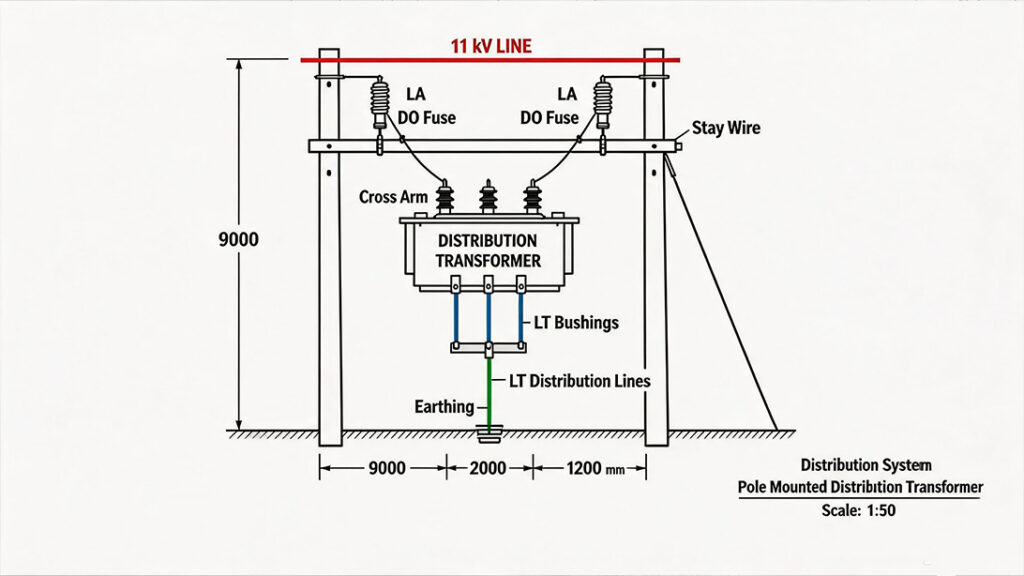
Current rural distribution projects in Africa generally adopt an 11kV medium-voltage side, 400V/230V low-voltage side, 50Hz frequency, and a three-phase four-wire system. The vector group of distribution transformers is commonly selected as Dyn11, which helps improve three-phase load imbalance and reduce harmonic impact to some extent.
Due to differences in environmental conditions across regions, transformer design should not follow a standardized configuration. Instead, it should be adjusted according to the specific installation conditions.
The key design considerations for different regions are as follows:
- Southern Nigeria and coastal areas of Ghana: The environment is characterized by high temperature, high humidity, and salt mist corrosion. The design should enhance corrosion protection treatment and increase the creepage distance of bushings.
- Northern Nigeria and the Sahel region: Due to high levels of dust and sand as well as significant temperature variations, transformers should adopt a fully sealed structure and enhanced heat dissipation capability.
- Installation locations with elevations above 1000m: The external insulation level and heat dissipation performance should be verified according to relevant standards.
- Uganda and areas surrounding the Congo Basin: Due to high humidity and significant biological impact, the equipment should improve sealing performance and enhance the protection level of the low-voltage side.
During the technical confirmation stage, it is recommended to provide the equipment installation location’s longitude, latitude, altitude, and environmental condition parameters. Zisheng Electric can perform verification of temperature rise, insulation level, and heat dissipation performance based on project parameters to ensure that the equipment meets actual operating requirements.
3. Distribution Transformer Capacity Selection: Balancing Current Demand and Future Development
Transformer capacity is one of the key parameters in technical solutions.
If the capacity is too large, it will increase the initial investment cost and no-load losses, reducing operating efficiency during low-load periods. If the capacity is too small, the transformer may not be able to accommodate future load growth and seasonal peak demand, resulting in overload operation and reduced equipment service life.
In practical projects, capacity selection usually needs to consider three factors:
- Initial number of users
- Forecasted load growth over the next 3 to 10 years
- Whether productive loads exist, such as agricultural processing or small industries
| Village Scale | Number of Users / Load Characteristics | Recommended Capacity | Alternative Capacity | Description |
|---|---|---|---|---|
| Basic residential power supply | Lighting, small household appliances | 50kVA | 30kVA or 100kVA | If future expansion is planned, 100kVA is recommended directly |
| Residential + public facilities | Schools, health stations, small shops | 100-200kVA | 160kVA | Common configuration in West African projects, balancing current demand and future growth |
| Large villages / small towns | More than 200 households, including small businesses and public services | 200-315kVA | 250kVA | Requires further confirmation based on load survey results |
| Agricultural processing loads | Grain processing, water pumps, oil extraction equipment, etc. | 300-500kVA | 315kVA or 400kVA | Special attention required for starting current and short-term overload capability |
| Mixed power supply points | Residential loads + production loads + commercial users | 500kVA and above | Depending on actual conditions | Determined based on detailed load survey data |
Typical Application Reference: 100kVA Pole-Mounted Transformer Configuration for Rural Electrification in West Africa
The following is a typical configuration reference for rural electrification projects:
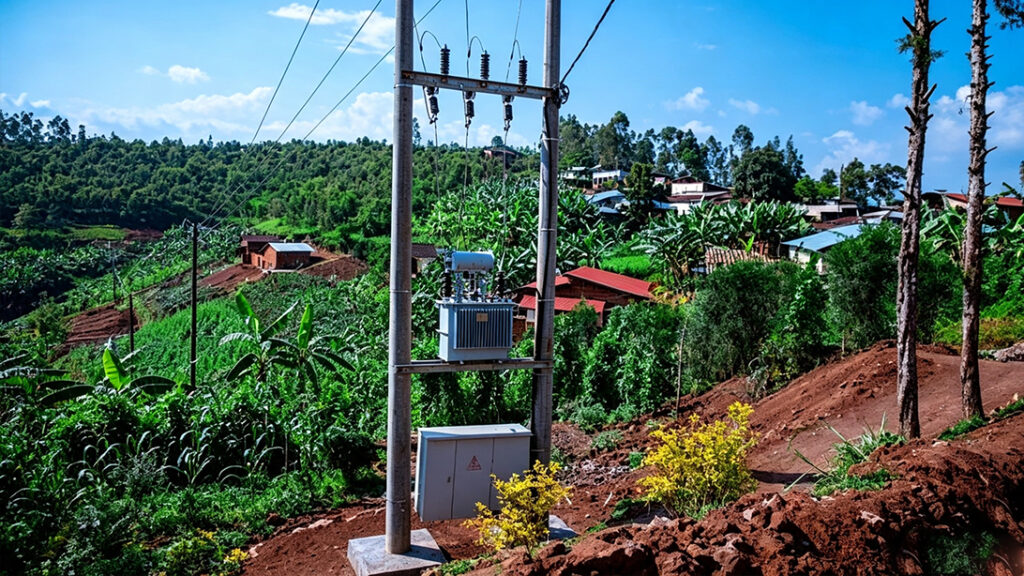
Typical Application Scenario Reference: 100kVA Pole-Mounted Transformer Configuration for Rural Electrification in West Africa
Project Location: West Africa
Voltage Level: 11kV/0.4kV
Equipment Capacity: 100kVA
Installation Method: Pole-mounted installation
Main Loads: Residential users, small commercial users, and public facilities
Project Characteristics:
- High ambient temperature conditions;
- High humidity during the rainy season;
- Limited on-site maintenance capabilities.
Equipment Configuration:
- Fully sealed oil tank structure;
- Dyn11 vector group;
- Enhanced corrosion protection treatment;
- Integrated surge arrester installation structure.
Through targeted design according to local environmental conditions, the equipment meets the requirements for long-term outdoor operation.
4. Transformer Configuration Solutions for Different Application Scenarios
In addition to capacity selection, transformer selection should also consider the installation method, power supply type, and load characteristics.
(1) 11kV Line Extension Rural Power Supply (Common Application Mode)
This is currently one of the most widely adopted rural electrification models. The basic structure is:
The 11kV medium-voltage distribution line is stepped down through a pole-mounted transformer to a 400/230V low-voltage network for end users.
Key configuration considerations include:
First, adopt a fully sealed structure.
In rural areas, professional maintenance resources are limited. Traditional transformers requiring regular oil replenishment and breather inspections are not suitable for long-term operation in such environments.
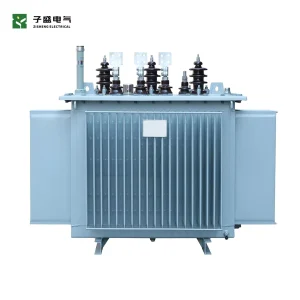
It is recommended to use a fully sealed oil tank and corrugated oil tank structure to reduce maintenance requirements.
For rural electrification projects, Zisheng Electric applies enhanced sealing designs, reserving sufficient space for oil expansion caused by ambient temperature variations and reducing the risk of oil leakage.
Second, strengthen corrosion protection design.
The impact of high humidity and salt mist is particularly significant in coastal areas of West Africa. Conventional coating systems may not meet long-term operational requirements.
Enhanced anti-corrosion coatings, high protection rating enclosure treatment, and increased bushing creepage distance can be adopted. The specific design solution should be determined according to the pollution level of the project location.
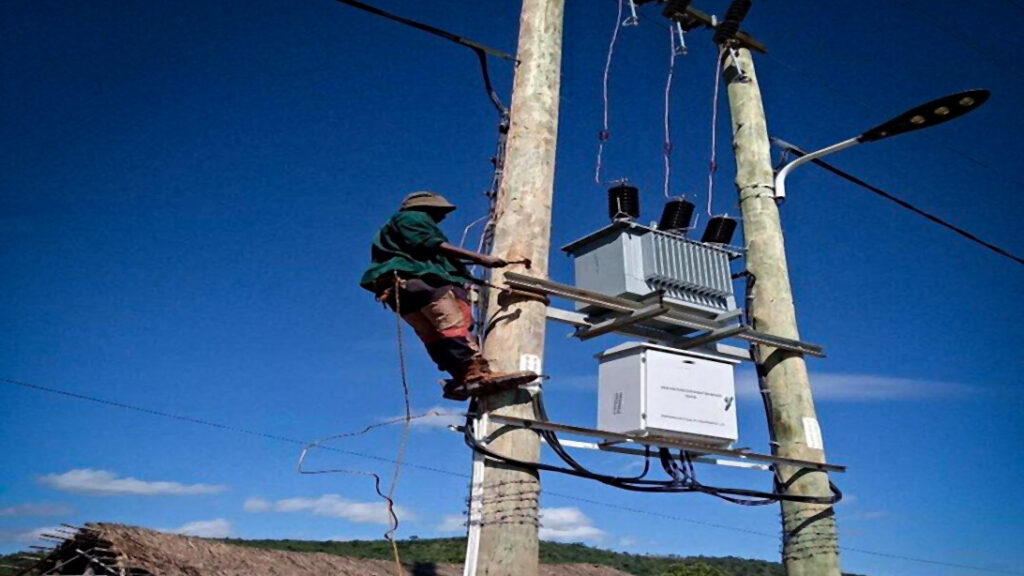
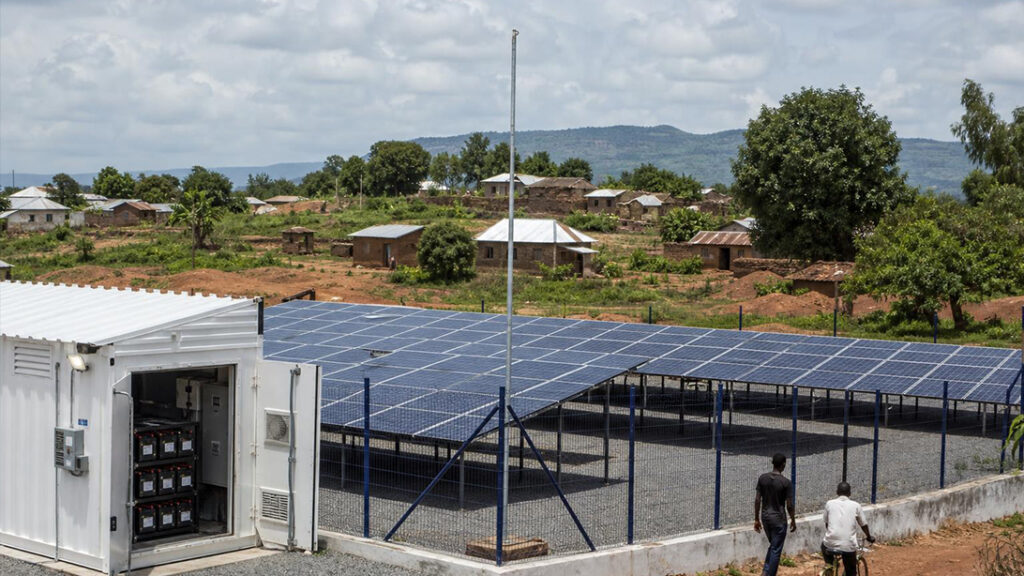
(2) Solar Energy Storage Off-Grid Microgrid Applications
For villages located far away from the main power grid, solar energy storage systems are gradually becoming a practical and viable power supply solution.
The harmonics generated by inverters in renewable energy systems may increase additional transformer losses, resulting in higher temperature rise in the windings and core. Therefore, special attention should be paid to the transformer’s harmonic withstand capability.
In such applications, key design factors include:
- Core magnetic flux density design;
- Temperature rise control under harmonic conditions;
- Low-voltage side load characteristics.
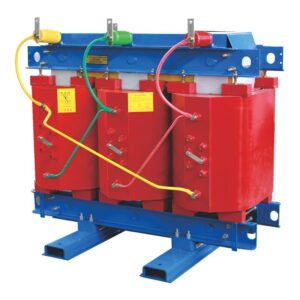
Manufacturers can provide customized oil-immersed transformer or dry-type transformer solutions based on inverter parameters, ensuring proper matching between the transformer and the renewable energy system.
(3) Small-Scale Industrial and Commercial Power Supply in Rural Areas
For rural users such as tea processing facilities in Uganda, agricultural processing plants in Tanzania, and rural commercial centers in Nigeria, the main characteristics include a large number of motor-driven devices, high starting current, and significant load fluctuations.
Recommended design considerations include:
- Proper selection of transformer impedance;
- Reserving an appropriate capacity margin;
- Installing surge protection equipment.
For projects with a high proportion of motor loads, system calculations should be carried out in combination with the motor starting method to prevent significant voltage drops during startup.
5. Key Considerations for Regional Applications
Different countries and regions have different project priorities:
West Africa focuses mainly on high temperature, high humidity, salt mist, and corrosion protection. The design should improve enclosure protection performance and strengthen insulation and sealing reliability.
East African highland regions focus mainly on altitude, lightning, and ultraviolet radiation. The insulation level should be corrected according to elevation requirements, while lightning protection measures should be enhanced.
Central African humid and tropical regions are mainly affected by long-term high humidity, biological environmental impacts, and difficult maintenance conditions. The design should focus on improving sealing reliability and reducing maintenance frequency.
For rural electrification projects, the long-term reliable operating cycle of equipment is more important than the initial purchase price. Proper technical design can effectively reduce the overall lifecycle costs caused by future power outages, maintenance, and equipment replacement.
6. Zisheng Electric Design Support and Technical Services
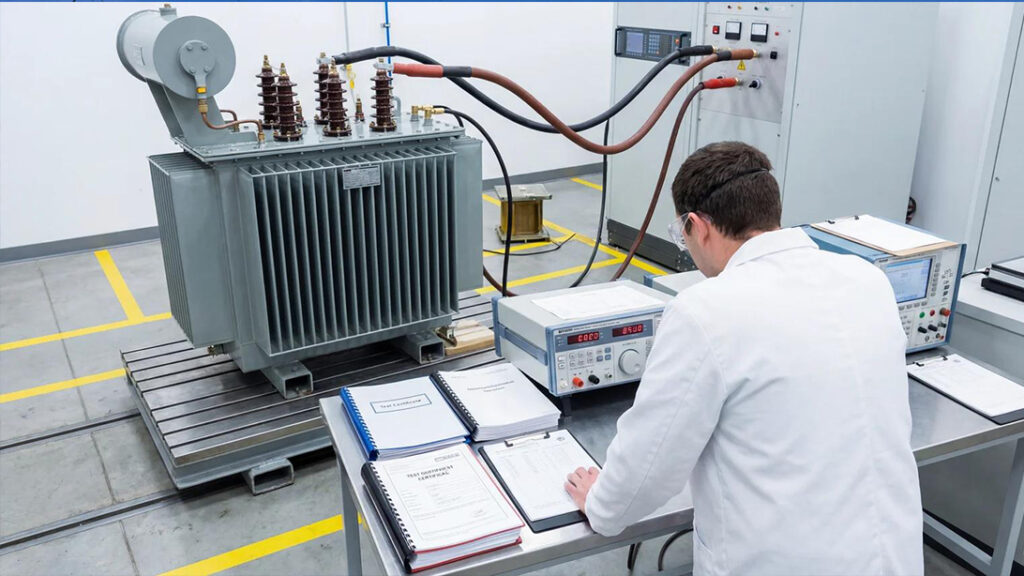
For African rural electrification projects, providing standard-compliant transformers is only the basic requirement. More importantly, the equipment must adapt to local environmental conditions and maintain long-term stable operation. During the product design stage, Zisheng Electric combines the grid conditions and site environment of the project country to make targeted adjustments to standard products.
(1) Optimization of Insulation and Temperature Rise Design for High-Temperature Environments
Some regions of Africa experience high temperatures throughout the year, and equipment heat dissipation conditions may be limited during continuous operation. If transformers are designed according to normal environmental conditions, problems such as excessive winding temperature rise, accelerated insulation aging, and reduced long-term load capability may occur.
Therefore, for projects in tropical regions, sufficient margin should be considered in temperature rise design. Based on project ambient temperature requirements, we can optimize winding temperature rise, insulation material grade, cooling structure, and oil tank heat dissipation capability.
For special application scenarios, higher thermal resistance grade insulation materials can be selected to improve long-term operational reliability.
(2) Low-Maintenance Design for Remote Areas
One of the practical challenges faced by African rural projects is limited maintenance capability after equipment commissioning. Some projects are located far from urban areas, and professional maintenance teams may require a long time to reach the site. Therefore, transformer design should minimize maintenance requirements as much as possible.
Optimization measures include:
- Adoption of fully sealed oil tank structures;
- Improving weather resistance of sealing components;
- Reducing components requiring regular maintenance;
- Enhancing the overall protection rating.
For pole-mounted transformers, the fully sealed design reduces the entry of air, moisture, and pollutants into the oil tank, improving long-term operational stability.
(3) Lightning Protection and Grid Fluctuation Protection Design
Some areas of Africa experience frequent thunderstorms. Rural distribution lines are usually long, resulting in significant voltage fluctuations at the end of the network.
During the design stage, attention should be paid to:
- High-voltage side lightning protection;
- Selection of appropriate insulation level;
- Tap range design;
- Low-voltage side surge protection.
Based on local grid parameters, we can provide suitable lightning protection and insulation configuration recommendations.
(4) Technical Documentation and Standard Compliance
Different countries and project owners may have different requirements for technical documentation.
Our products can be designed and manufactured according to:
- IEC 60076 series standards;
- Relevant GOST standards;
- Project owner technical specifications.
We can provide:
- Product technical data sheets;
- General arrangement drawings;
- Foundation installation drawings;
- Factory test reports;
- Quality documentation.
For projects in French-speaking African countries, technical documents can also be provided in corresponding languages according to project requirements, facilitating project acceptance and on-site communication.
(5) Spare Parts Supply and Delivery Recommendations
Considering that some rural projects have long maintenance cycles, it is recommended to prepare commonly used spare parts together with equipment shipment, including:
- Sealing rings;
- Operating accessories;
- Wear-prone connection components;
- Special maintenance tools.
These components may have long local procurement lead times. Preparing them in advance can reduce maintenance waiting time in the future.
7. Quick Transformer Selection Reference for African Rural Projects
| Project Item | Recommended Configuration |
|---|---|
| Capacity Range | 10-500kVA, customizable according to load requirements |
| High-voltage Side | 11kV, with tap adjustment options |
| Low-voltage Side | 400/230V three-phase four-wire system |
| Vector Group | Dyn11 |
| Oil Tank Structure | Fully sealed corrugated oil tank |
| Installation Method | Pole-mounted installation |
8. Conclusion: Reliable Power Supply Beyond Basic Electrification
The goal of African rural electrification projects is not only to complete line construction and equipment installation, but more importantly, to ensure long-term stable operation of power equipment.
From the high-temperature and high-humidity coastal regions of West Africa, to the dusty environments of the Sahel region, and the altitude and lightning conditions of the East African highlands, different regions impose different requirements on distribution transformers.
Transformer selection should not focus only on rated capacity and purchase price. Instead, it should comprehensively evaluate:
- Local environmental conditions;
- Future load development trends;
- Maintenance capabilities;
- Overall lifecycle cost of the project.
Zisheng Electric specializes in power equipment research, development, and manufacturing. Our product portfolio covers oil-immersed transformers, dry-type transformers, amorphous alloy transformers, and supporting switchgear equipment. Products can be designed and manufactured according to international standards including IEC 60076 and GOST.
For markets including Africa, the Middle East, South America, and Russia, we provide project-specific transformer design, manufacturing, and technical support based on local grid parameters and technical requirements.
Frequently Asked Questions
Q: What transformer specifications are commonly used in African rural electrification projects?
A: 11kV/0.4kV pole-mounted transformers are widely used. Capacity selection depends on the number of users and load characteristics. Common capacities include 50kVA, 100kVA, 160kVA, 200kVA, 315kVA, and 500kVA. The final capacity should be determined through load calculation.
Q: Why are fully sealed oil-immersed transformers recommended for African rural projects?
A: Rural areas often have limited maintenance conditions. The fully sealed structure reduces the entry of air and moisture into the oil tank, slows down insulating oil aging, reduces oil replenishment requirements, and is suitable for long-term operation in remote areas.
Q: Is the IEC 60076 standard applicable to African transformer projects?
A: IEC 60076 is an internationally recognized transformer standard and is widely adopted in many African power projects and EPC projects. However, actual projects should also consider local grid standards, owner technical specifications, and environmental requirements.
Q: How should transformers be selected for high-temperature environments?
A: Key factors include temperature rise design, heat dissipation capability, insulation level, and load margin. Transformers should not be selected directly based on standard environmental conditions.
Q: What parameters should be provided when purchasing transformers for African rural electrification projects?
A: It is recommended to provide:
- Rated capacity;
- High-voltage side voltage;
- Low-voltage side voltage;
- Installation method;
- Project country and region;
- Altitude;
- Ambient temperature;
- Required technical standards.
This information enables manufacturers to develop an accurate transformer design solution.
Zisheng Electric — with years of experience in power equipment research, development, and manufacturing. Our products cover dry-type transformers, oil-immersed transformers, amorphous alloy transformers, and switchgear equipment. We provide customized production according to international standards including IEC 60076 and GOST, serving markets across the Middle East, South America, Africa, and Russia.
For transformer selection solutions, technical specifications, and procurement support for African rural electrification projects, please send your project parameters to Zisheng Electric’s official channels for professional technical assistance.
About ZISHENG ELECTRICAL
Zisheng are a professional 19+ years manufacturer in producing Oil-Immersed Transformers, Compact Substation, Pad Mounted Transformers, Pole Mounted Transformers and Dry Type Transformers. We own the certificates of ISO/CE/IEC 60076 and TUV Rheinland.
Transformers undergo rigorous FAT and type testing, support voltage/capacity customization. Welcome to consult for Catalog and Product. you can contact us at email [email protected].