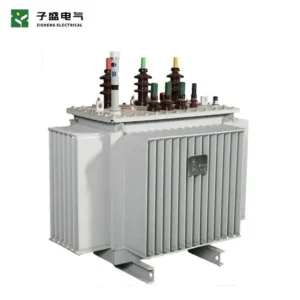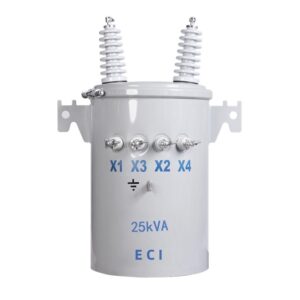
Pad Mounted Transformer Procurement in Latin America: Utility Interfaces, Safety and Delivery
Procurement teams often treat a pad-mounted transformer as a compact catalog item. In practice, the enclosure, cable interfaces, protection scheme, civil pad, access rules and utility documentation can decide whether the unit is accepted without redesign. Zisheng Electric reviews these interfaces at quotation stage because a technically adequate transformer can still create a costly site problem when its compartments, ratings or foundation arrangement do not match the project.
This 2026 procurement update explains how to specify a pad mounted transformer for Latin American distribution, industrial, commercial and renewable-energy projects. It is not a substitute for the applicable utility specification. The project owner must confirm the local service voltage, grounding method, metering arrangement, protection philosophy and adopted standard before purchase.
Why the pad mounted transformer specification starts at the utility interface
The first question is not simply kVA. It is where ownership changes and which party controls the medium-voltage service. A utility-owned unit may follow a standardized arrangement for bushings, fuses, locks, labels and metering. A privately owned unit may permit more choices, but the owner still has to coordinate the incoming cable system, upstream protection and operating procedure.
Do not assume that a voltage used elsewhere in the same country is automatically correct for a new site. Large cities, industrial concessions and isolated systems can use different distribution practices. The tender should state the nominal system voltage, highest equipment voltage, frequency, number of phases, neutral treatment and basic insulation level. If these values are still under utility review, mark them as hold points rather than allowing the manufacturer to infer them.
Standards also need a precise statement. The title of IEEE C57.12.25 addresses pad-mounted, compartmental-type, self-cooled single-phase distribution transformers with separable insulated high-voltage connectors. Three-phase applications, enclosure integrity, accessories and testing may invoke other documents or the utility’s own construction standard. A purchase order that says only “IEEE transformer” does not identify the required document, edition or project deviations.
| Decision item | Information to state | Why it matters | Risk if omitted |
|---|---|---|---|
| System interface | Nominal and highest voltage, frequency, phases, grounding | Controls insulation, winding connection and protection | Incompatible equipment or delayed utility approval |
| Rating basis | Continuous kVA, load profile, ambient, altitude, future growth | Defines thermal duty and usable capacity | Overheating, poor loading efficiency or unnecessary cost |
| MV connection | Connector type, bushing positions, cable size and bend radius | Aligns transformer compartment with the cable system | Field adapters, cable rework or unsafe clearances |
| Protection | Upstream device, internal fuses, coordination study inputs | Defines fault-clearing sequence and selectivity | Nuisance operation or inadequate fault protection |
| Civil interface | Pad drawing, conduit window, anchor points, access zone | Coordinates manufacturing with construction | Misaligned ducts, blocked doors or pad reconstruction |
| Evidence | Drawings, routine test report, manuals, packing list | Supports review, energization and asset records | Delayed release or incomplete handover dossier |
Translate the load list into a defensible transformer rating
A connected-load total is not a sizing calculation. The engineer should separate continuous demand, intermittent duty, motor starting, nonlinear loads, future expansion and emergency operating cases. Diversity assumptions must be visible. A hospital, cold-storage warehouse, water plant and logistics park may all request the same nominal kVA while imposing very different cycling, harmonic and reliability requirements.
Continuous demand and growth margin
Start with a time-based load profile where possible. Identify the maximum coincident demand and the duration of that peak. Then add a stated growth allowance that reflects the project plan rather than an arbitrary percentage. Excessive oversizing increases capital cost and can keep the unit lightly loaded for years. Too little margin can force accelerated ageing or a second procurement cycle.
Motors and voltage dip
For pumps, compressors, elevators or crushers, provide motor kW, starting method, locked-rotor current or starting current, power factor and allowable voltage dip. Transformer impedance affects both secondary fault current and motor-starting voltage performance. Selecting impedance from a familiar catalog without checking the downstream study can produce either excessive fault duty or unacceptable voltage depression.
Harmonics and power-electronic loads
EV chargers, variable-frequency drives, data equipment and inverter systems can distort current. The specification should identify the expected harmonic spectrum or at least the nonlinear load share and mitigation arrangement. The transformer design review can then consider winding losses, neutral loading, temperature rise and shielding requirements. Do not claim a “harmonic-rated” solution without defining the duty against which it is evaluated.
For readers comparing broader regional procurement criteria, Zisheng Electric’s guide to transformer voltage regulation for industrial plants illustrates how load behavior, impedance and tap range interact. The electrical principles remain useful even though every local utility interface must be confirmed separately.
Compartment arrangement is an engineering interface, not a cosmetic choice
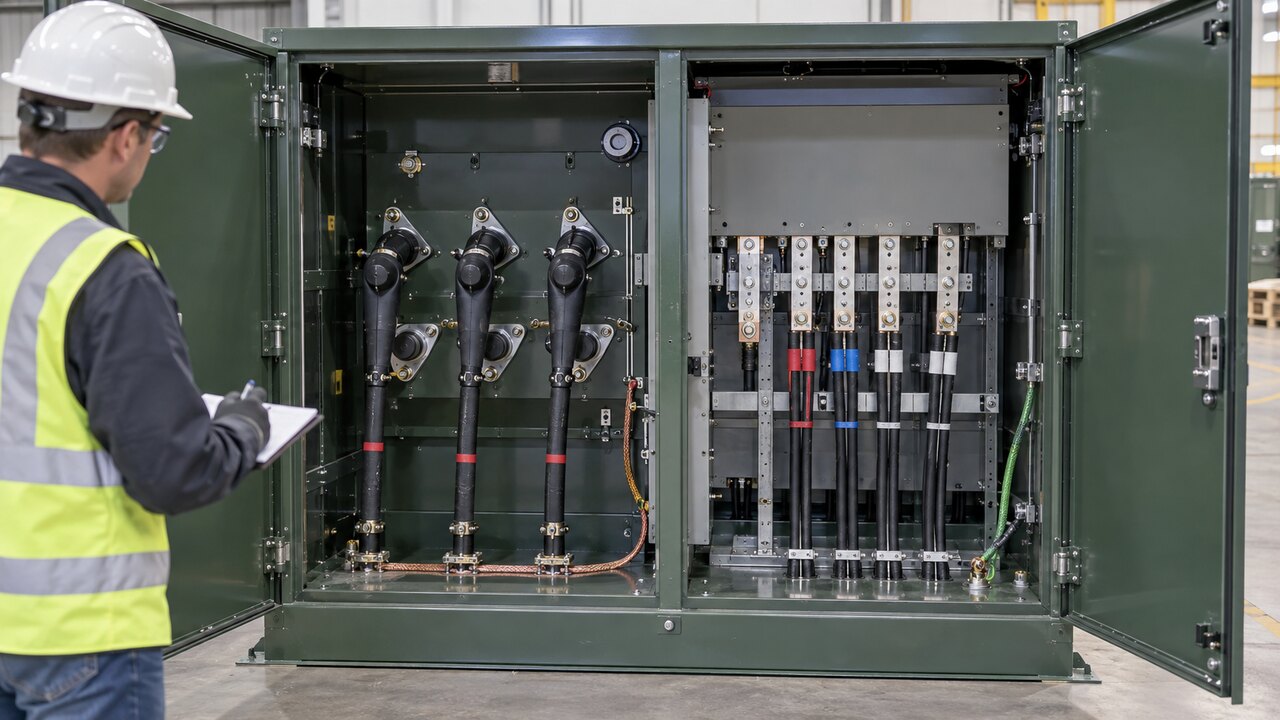
A pad-mounted unit places terminations and operating points behind a lockable enclosure. That compact arrangement demands early coordination. The approved general arrangement should identify the medium-voltage and low-voltage compartments, barrier, door swing, locking provisions, bushing coordinates, fuse access, pressure-relief direction, nameplates and grounding points.
Provide the cable manufacturer’s termination data. The installer needs enough space for connector installation and for the minimum bending radius of every cable. A drawing that shows only conduit centers is incomplete when large conductors, parallel runs or elbow connectors must be handled inside the enclosure. Phase sequence and front-view orientation also need confirmation; a mirrored interpretation can cause avoidable cable crossings.
Where the site is exposed to public access, the project should define enclosure security and operating responsibility. Where dust, rain or coastal air is significant, state the environmental conditions and the required enclosure protection and coating system. IEC explains that IP ratings classify resistance to intrusion by solids and liquids, but an IP code alone does not define corrosion class, condensation control, coating preparation or maintenance. Those items require separate specification.
Coordinate the concrete pad before releasing manufacture
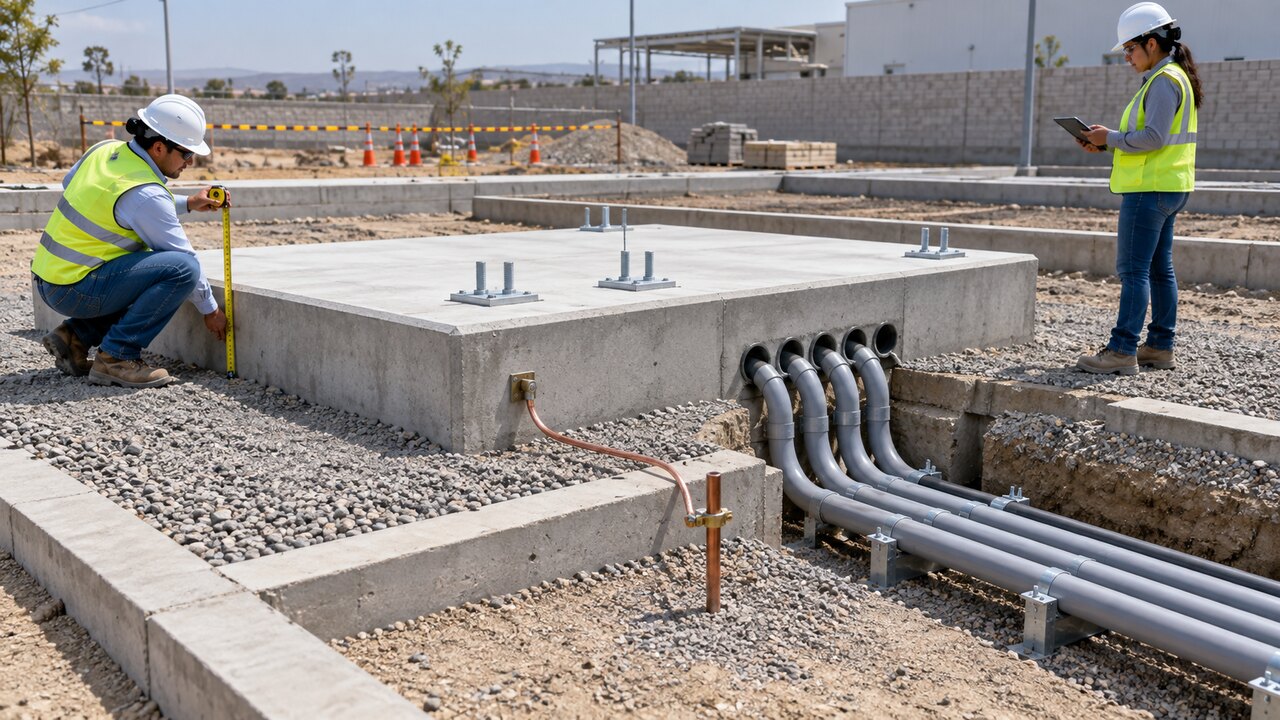
The civil pad connects the transformer drawing to the actual site. Check finished elevation, drainage, equipment mass, anchor pattern, cable opening, duct-bank approach, grounding conductor, bollards and working clearances. Door swing and removable-panel access must remain available after fences, walls, landscaping and parking controls are installed.
The transformer manufacturer’s base-channel drawing and the civil contractor’s pad drawing should be overlaid. This simple interface review catches four common problems: ducts emerging beneath steel members, insufficient cable sweep, anchor bolts conflicting with the tank base, and the pad placed too close to a wall for door operation. If oil containment, fire separation or local setback rules apply, the owner and authority having jurisdiction must confirm them before construction.
Protection and switching must be reviewed as a system
Internal fuses, bayonet devices, current-limiting elements or external switchgear are not independent selections. The engineer should document available fault current, transformer impedance and tolerance, upstream relay or fuse curve, downstream main device, cable ratings and the required coordination objectives. The study must also consider transformer inrush so normal energization does not operate protection.
Operating procedures matter. Identify whether the compartment contains loadbreak or deadbreak interfaces, who is authorized to operate them, and what isolation and grounding steps the utility requires. The equipment label cannot compensate for an undefined ownership boundary. For industrial buyers assessing upstream and transformer coordination, the regional article on 33 kV transformer project interfaces provides a useful comparison of data that should be frozen before manufacture.
Specify environmental duty with project data
“Outdoor tropical” is too broad for design. Give the manufacturer maximum and minimum ambient temperatures, solar exposure, altitude, humidity, rainfall, flood level, airborne dust and corrosive contaminants. Altitude can influence external insulation and cooling; high solar load can raise enclosure temperature; salt-laden air can accelerate coating and hardware degradation; flooding can invalidate an otherwise acceptable pad elevation.
Latin America includes coastal, tropical, arid and high-altitude environments, sometimes within one national procurement program. Therefore this article does not assign one design condition to the region. Each site datasheet should carry its own verified values. A comparable environmental checklist is available in our article on transformers for humid coastal service, but the coating class, insulation level and thermal calculations must be based on the actual project.
FAT and document review for a pad mounted transformer
The inspection and test plan should distinguish routine electrical tests, design evidence, special tests and mechanical inspections. The buyer should state the governing standard, acceptance criteria, witness points and document language. Test names alone are not sufficient; the contract must say which results are recorded and how deviations are handled.
Before shipment, compare the completed unit with the approved drawing. Verify nameplate data, vector group or polarity, tap arrangement, bushing positions, cable-space dimensions, door operation, compartment barriers, grounding points, accessories, coating condition and loose-item packing. Confirm that the test report identifies the same serial number and rating as the equipment. Photographing these points can help handover, but photographs should supplement—not replace—signed inspection records.

Example procurement data block — hypothetical
The following is a format example only. It is not a real project specification and its values must not be copied without engineering review.
- Application: privately owned commercial distribution, outdoor pad-mounted installation
- System: three-phase, 60 Hz; primary and secondary voltages to be confirmed by utility
- Rated power: based on approved load schedule and demand study
- Primary interface: separable insulated connectors; exact type and coordinates subject to cable submittal
- Secondary interface: cable lugs sized from final conductor schedule and fault duty
- Protection: coordinated with upstream utility device and downstream main breaker
- Environment: site-specific temperature, altitude, humidity, pollution and flood data attached
- Documents: outline drawing, schematic, nameplate drawing, foundation loads, test plan, routine test report, manuals and packing list
Delivery planning should begin before the purchase order
Pad-mounted equipment is compact, but the delivery path still needs checking. Record transport dimensions and mass, unloading method, lifting points, center of gravity, temporary storage conditions and final access. Confirm whether the enclosure, radiators or accessories ship installed. If a crane cannot reach the pad, the project may need rollers, skates or a temporary access route, all of which affect civil planning.
Preservation requirements become important when the unit arrives before the site is ready. The handover plan should define packaging inspection, moisture checks, storage interval, space-heater supply where applicable, periodic inspections and the condition record before installation. Our discussion of transformer logistics and delivery interfaces shows why transport assumptions belong in the procurement package rather than being left to the final week.
What to send Zisheng Electric for a project review
A well-defined pad mounted transformer inquiry lets engineering teams compare compliant alternatives instead of guessing at utility and civil interfaces. Zisheng Electric can review requirements for distribution and power transformer solutions, including oil-immersed power transformers, 35–46 kV power transformers and cast-resin dry-type transformers where the project configuration calls for a different installation approach.
Please provide the single-line diagram, utility service requirements, load list, transformer datasheet, protection study inputs, cable schedule, general arrangement, civil pad drawing, grid parameters, environmental data and installation-site conditions. Clearly identify any values still awaiting utility confirmation. Our engineering team will review the requirements and respond to project inquiries within 24 hours.
About ZISHENG ELECTRICAL
Zisheng are a professional 19+ years manufacturer in producing Oil-Immersed Transformers, Compact Substation, Pad Mounted Transformers, Pole Mounted Transformers and Dry Type Transformers. We own the certificates of ISO/CE/IEC 60076 and TUV Rheinland.
Transformers undergo rigorous FAT and type testing, support voltage/capacity customization. Welcome to consult for Catalog and Product. you can contact us at email [email protected].