How to Choose a Reliable Transformer Manufacturer? A Comprehensive Procurement Guide for Industrial and EPC Projects
1. The Decision-Making Challenges in Transformer Procurement
During years of project involvement, we have found that when many customers purchase 33kV or 35kV transformers for the first time, their biggest challenge is not finding suppliers, but understanding how to determine whether the data provided by suppliers is reliable. Unlike ordinary electrical products, transformers are usually required to operate continuously for more than 20 years. Once quality issues occur, they not only involve high repair costs but may also cause the entire project to stop operation, resulting in losses far exceeding the value of the equipment itself.
During our project experience, we found that many purchasers face similar challenges: suppliers can provide complete quotations and technical parameters, but procurement teams often find it difficult to determine whether these parameters are accurate and reliable, and whether the manufacturing capability matches the quoted price level. The geographical distance between purchasers and manufacturers makes on-site inspections costly; different regional markets have significant differences in standards, operating conditions, and acceptance requirements; and suppliers vary greatly in technical capability and quality control levels. Under the combined influence of these factors, selecting a reliable transformer manufacturer is more important than simply comparing prices.
When evaluating transformer bids, the lowest quotation does not always represent the lowest Total Cost of Ownership (TCO). Low-cost transformers often use lower-quality core materials, less efficient winding designs, or insufficient insulation systems, which can result in significantly higher electrical losses throughout their service life.
For customers, a qualified transformer supplier must not only have manufacturing capabilities but also meet international standards, provide technical solution confirmation, ensure quality management systems, and guarantee stable delivery capability.
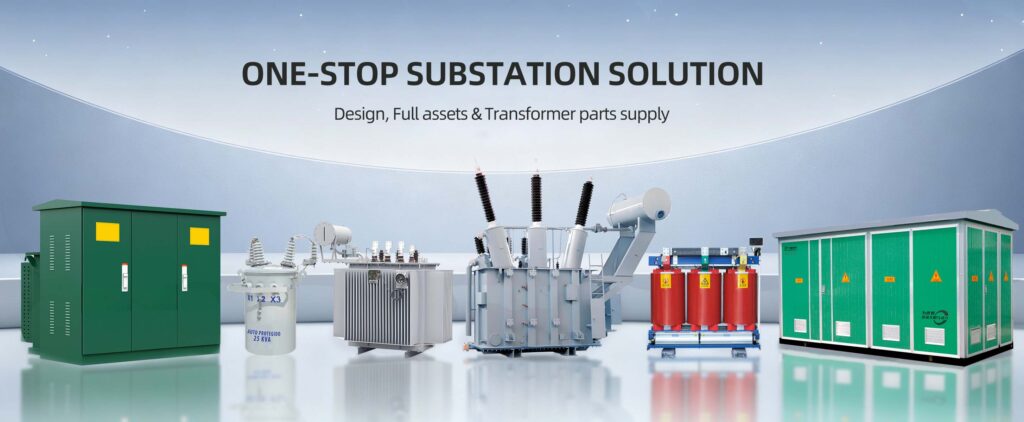
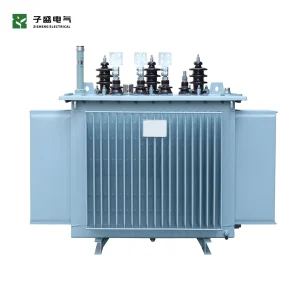
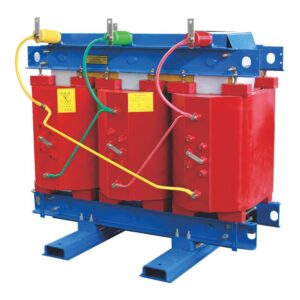
Zisheng Electric specializes in the research, development, and manufacturing of oil-immersed transformers, dry-type transformers, amorphous alloy transformers, and related power equipment. The company can design and manufacture products according to international standards such as IEC 60076 and GOST, providing customized transformer solutions for EPC projects, industrial enterprises, and power engineering projects.
Based on years of export experience in markets including the Middle East, South America, Africa, and Russia, Zisheng Electric has accumulated technical capabilities in standard adaptation, special operating condition handling, and project delivery. This article systematically analyzes the key evaluation factors in transformer procurement from multiple perspectives, including manufacturing capability, standard compliance, quality inspection, material control, project experience, and delivery assurance.
2. Evaluation of Manufacturer Production Capability
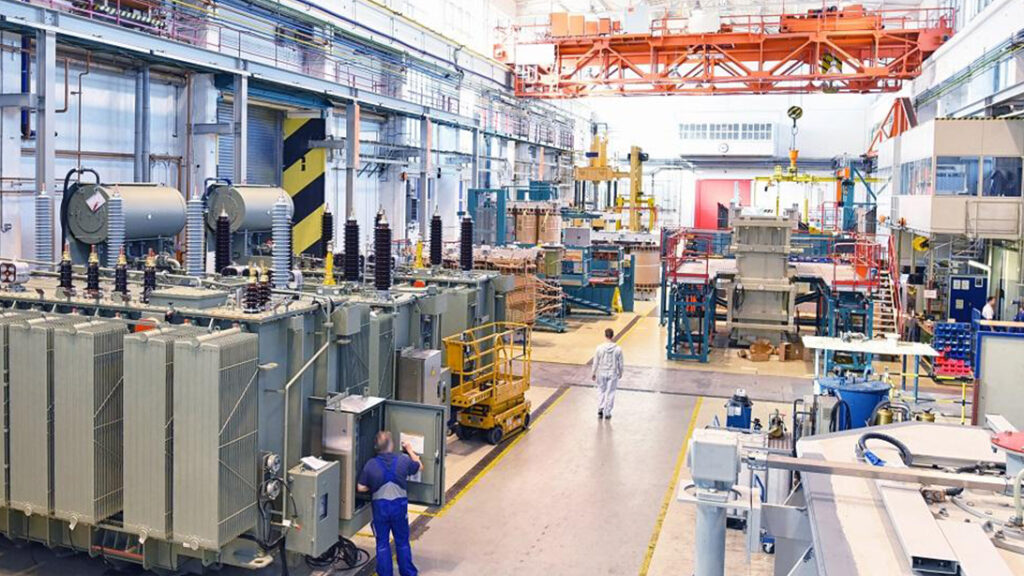
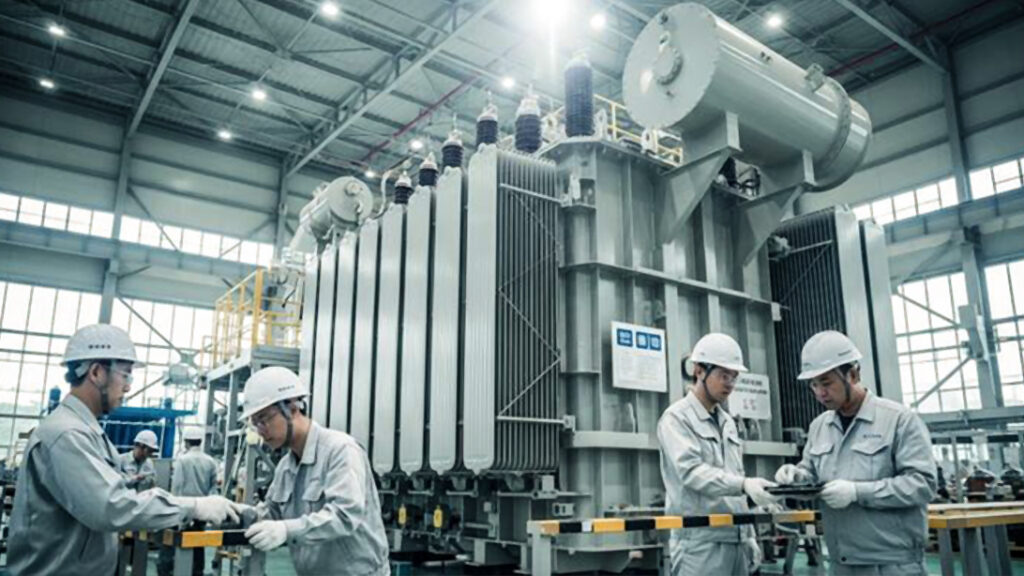
Transformer manufacturing involves multiple processes, including core processing, winding manufacturing, insulation treatment, tank fabrication, vacuum drying, product assembly, and factory testing. A complete manufacturing system is the fundamental guarantee of product quality.
There are some suppliers in the market that do not have complete manufacturing capabilities and only perform simple assembly by purchasing components from external sources. Although such suppliers may offer lower quotations, they carry greater risks in terms of product consistency, delivery schedule, and after-sales service.
When evaluating manufacturers, purchasers can conduct assessments from the following aspects:
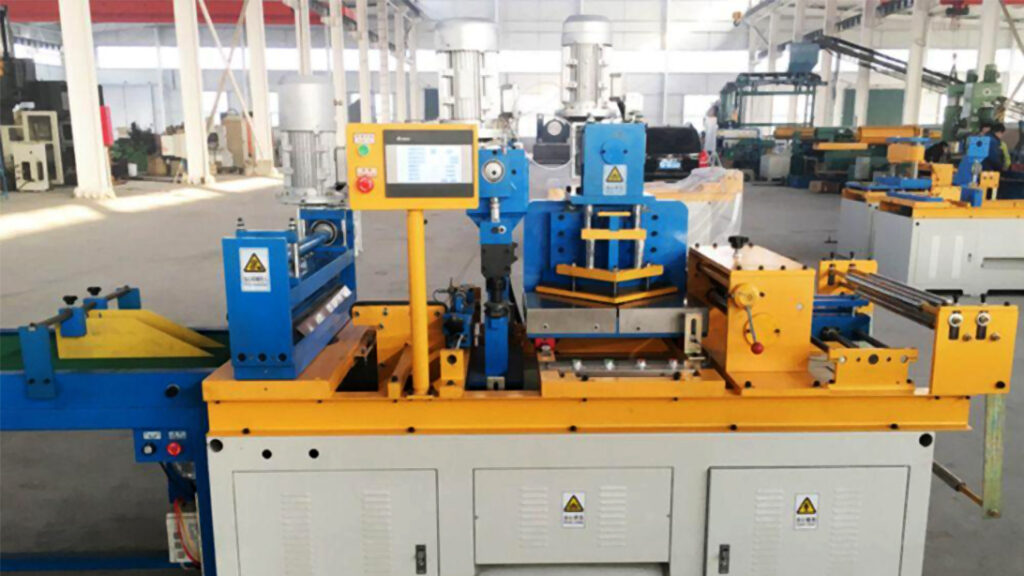
Production facilities and equipment level. Having its own production base and equipped with automated manufacturing equipment is an important indicator for measuring a manufacturer’s overall strength. Core processing requires automatic slitting lines and cutting lines; winding manufacturing requires automatic foil winding machines and vertical winding machines; insulation drying requires vapor-phase drying tanks or kerosene vapor-phase drying equipment; and factory testing requires a complete testing and inspection system.
Production process records. During supplier audits, it is recommended that customers request complete quality documents covering incoming raw material inspection, production process records, and final factory test reports. Purchasers can request production process documents for specific orders to verify the actual operation of the supplier’s quality control system.
On-site inspection or video factory audit. For projects where on-site inspections are not possible, factory audits can be conducted through remote verification methods. The key areas to review include production workshops, work-in-progress status, testing equipment, and finished product warehouses.
Summary of evaluation points:
- Whether the manufacturer has its own production base and core manufacturing equipment
- Whether it can provide complete production process records
- Whether it accepts customer on-site inspections or video factory audits
3. Compliance with International Standards
For project procurement, compliance with standards is an important basis for selecting suppliers. The commonly applied standards in international projects include the IEC 60076 power transformer standard, IEC 60076-11 dry-type transformer standard, IEEE C57 series standards, and local grid technical specifications.
In actual export projects, customers usually do not only require transformers to be “compliant with IEC 60076”, but also further require corresponding type test reports for the specific capacity rating.
Based on our project service experience, simply stating “compliant with IEC standards” in the quotation documents is usually insufficient to meet the review requirements of EPC projects. Many customers further require suppliers to provide type test reports for products with the corresponding capacity and voltage levels.
Purchasers should further confirm the following specific documents:
Type test reports. Type tests conducted according to the IEC 60076 standard should be issued by qualified laboratories. Test items usually include temperature rise tests, lightning impulse tests, short-circuit withstand tests, and other related tests. The report should match the actual purchased product model, capacity, and voltage level.
Routine test reports. Routine test records performed on each product before shipment, including winding resistance tests, ratio tests, no-load loss tests, load loss tests, insulation tests, and power frequency withstand voltage tests.
Standard clause compliance. Technical documents should clearly specify which specific clauses of IEC 60076 are followed for product design and manufacturing.
Summary of evaluation points:
- Whether a type test report matching the product model is provided
- Whether routine test reports for each product are provided
- Whether technical documents clearly correspond to specific standard clauses
4. Transformer Testing Capability
Transformers are long-term operating equipment, and testing capabilities during the manufacturing process directly affect equipment reliability. Manufacturers with a complete testing system can generally provide more stable product quality.
Factory routine tests include winding resistance tests, ratio tests, no-load loss tests, load loss tests, impedance tests, insulation tests, and power frequency withstand voltage tests.
According to project requirements, type tests may include temperature rise tests, lightning impulse tests, short-circuit withstand tests, and partial discharge tests.
International procurement projects usually require manufacturers to provide complete test documentation to ensure that the equipment meets design requirements. When selecting suppliers, purchasers should focus on reviewing the calibration status of factory testing equipment, the qualifications of testing personnel, and quality inspection procedures. Manufacturers with ISO 17025 accredited laboratories generally have higher credibility in their test data.
Summary of evaluation points:
- Whether complete factory testing equipment is available
- Whether testing equipment is regularly calibrated and test records are properly archived
- Whether special type tests can be conducted according to project requirements
5. Core Material Quality Control
The performance of transformers depends not only on the design but also on the quality of core materials used during the manufacturing process.
Core materials. The core determines the operating efficiency of a transformer. High-quality transformers usually use high magnetic flux density oriented silicon steel (Hi-B steel). The core structure adopts low-loss laminated designs or three-dimensional wound core designs, combined with multi-step joint technology. These designs can effectively reduce no-load losses, operating noise, and long-term energy consumption.
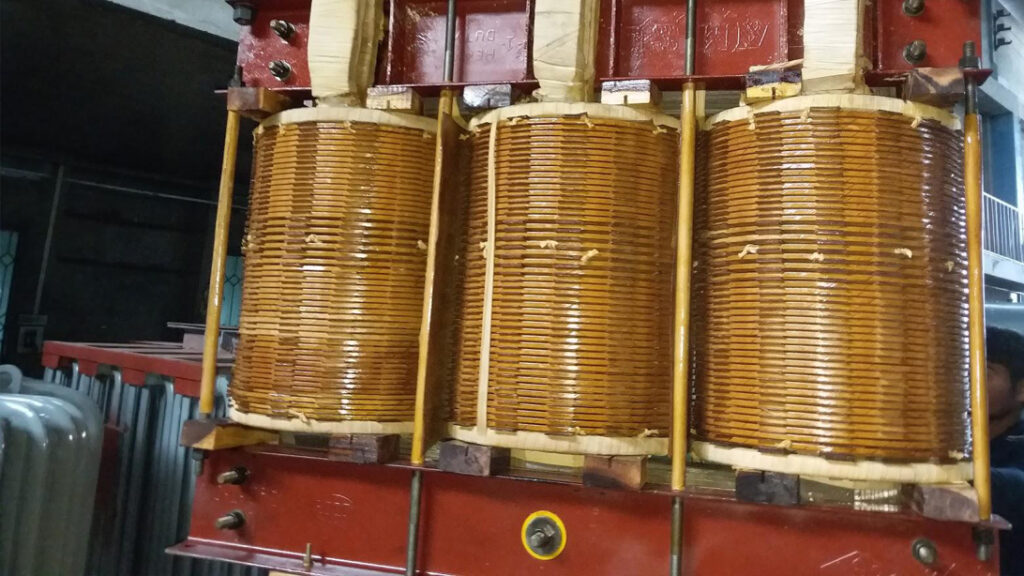
Winding materials. Windings directly affect the transformer’s load capacity, temperature rise level, and short-circuit withstand capability. During procurement, it is necessary to confirm whether the winding material is copper or aluminum, whether the conductor specifications meet design requirements, and whether the insulation class (Class F or Class H) meets the project operating conditions. For industrial projects, large-scale plants, and renewable energy projects, winding reliability is particularly critical.
Insulation system. The heat resistance level and aging resistance performance of insulation materials directly affect the designed service life of transformers. For oil-immersed transformers, the type of insulating oil (mineral oil or natural ester oil) and oil quality indicators also need to be confirmed.
Purchasers can request manufacturers to provide core material supplier information, incoming inspection reports, and material performance test data.
Summary of evaluation points:
- Whether the core uses high magnetic flux density oriented silicon steel (Hi-B steel)
- Whether the winding is copper or aluminum, and whether the insulation class meets operating conditions
- Whether core material supplier information and incoming inspection reports can be provided
6. Project Evaluation Recommendations
Manufacturers with project experience usually have a better understanding of operating conditions in different regions, technical document requirements, packaging and transportation standards, and installation and commissioning processes. For EPC contractors, a supplier’s project experience can directly reduce project execution risks.
African markets need to consider high-temperature environments, dust impact, grid fluctuations, and long-distance transportation. The selected transformers should have sufficient temperature rise margins, a protection level of no less than IP54, and radiator areas should be corrected according to ambient temperature conditions.
Middle Eastern markets need to consider high-temperature operation, outdoor installation, and corrosion protection requirements. Equipment should be equipped with high-temperature-resistant insulation systems, and the corrosion protection level should be suitable for coastal or desert environments.
South American markets need to consider high humidity, salt mist corrosion, and high-altitude conditions. Transformers should be designed with anti-corrosion coatings according to the ISO 12944 standard.
Russian markets need to consider extremely cold climates and low-temperature starting conditions. The pour point of insulating oil should be below -45°C, and sealing materials should maintain low-temperature elasticity.
Purchasers can evaluate a manufacturer’s practical experience in the target market through previous project cases, customer references, and on-site service records.
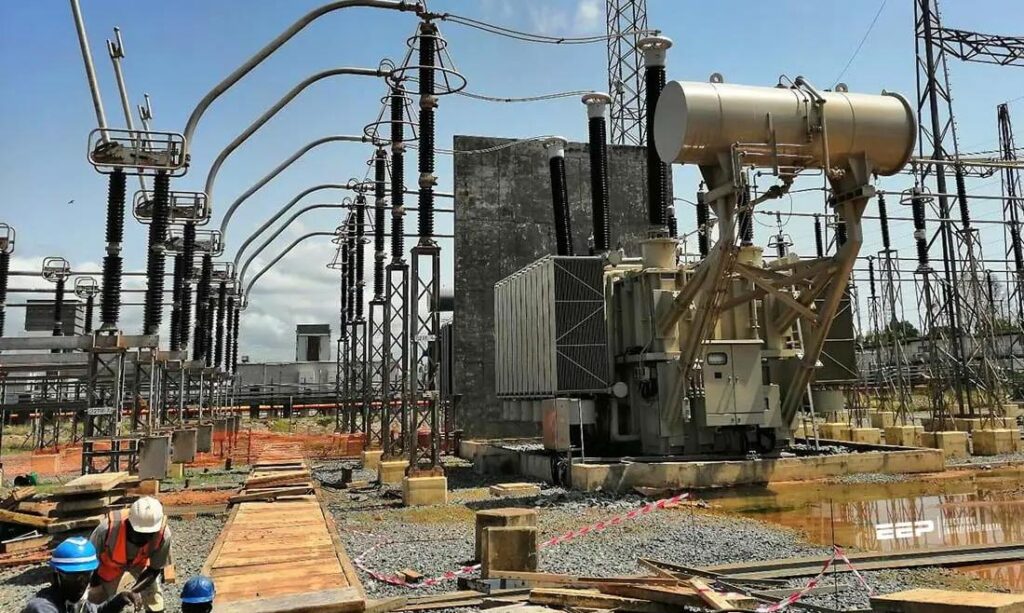
Project experience: Zisheng Electric’s products have been exported to markets including the Middle East, South America, Africa, and Russia, accumulating extensive engineering experience. Typical projects include:
- Large-scale photovoltaic power plant step-up transformer project in Saudi Arabia (several 33kV step-up transformers, desert high-temperature environment)
- Zambia steel plant power supply project (11/0.415kV distribution transformers, tropical plateau climate)
- Brazzaville city center substation project in the Republic of Congo (33/0.4kV distribution transformers, tropical rainforest climate)
- Russian industrial park power distribution project (10kV oil-immersed distribution transformers, -45°C extremely cold environment)
- Jeddah seawater desalination plant power supply project in Saudi Arabia (dry-type transformers, high salt mist environment along the Red Sea coast)
These project experiences have also helped us develop design expertise for different environmental conditions, such as heat dissipation design in high-temperature regions, corrosion protection treatment in coastal areas, and insulation system optimization in low-temperature regions.
7. Technical Support Capability
Transformer procurement is not simply a purchasing transaction. In engineering projects, supplier technical support runs throughout the entire project lifecycle.
Technical solution stage. Manufacturers should assist EPC contractors in confirming key parameters such as transformer capacity, voltage level, short-circuit impedance, energy efficiency level, corrosion protection requirements, and protection level. Based on project conditions, suppliers should recommend oil-immersed or dry-type solutions, standard designs or special environmental designs, and standard products or customized solutions to help customers optimize selection decisions.
Design confirmation stage. Provide detailed outline drawings, foundation drawings, electrical wiring diagrams, and user manuals, and cooperate with design institutes to complete drawing reviews.
Installation and commissioning stage. According to contract requirements, technical personnel should be assigned to the project site to provide guidance for installation, commissioning, and operation.
Operation and maintenance stage. Provide remote technical consultation and respond to fault diagnosis and operation training requirements through email or instant messaging tools.
Summary of evaluation points:
- Whether selection consultation and solution optimization services are provided
- Whether complete technical documents and drawings are provided
- Whether on-site installation guidance capability is available
- Whether long-term remote technical support and spare parts supply are provided
Technical support services: Zisheng Electric provides full-process technical support covering selection consultation, technical solution confirmation, customized design, factory testing, and on-site installation guidance. The technical sales team can directly communicate technical issues and business inquiries in English. According to contract requirements, technical personnel can be assigned to project sites to guide installation, commissioning, and operation. Technical service personnel all have field service experience and have carried out on-site tasks in multiple countries, including Nigeria, Ghana, Kenya, Saudi Arabia, and Indonesia. For remote support, technical consultation and fault diagnosis requests can be responded to within 24 hours on working days.
8. Delivery Capability Evaluation
In recent years, global infrastructure construction has continued to grow, and the supply cycles of some power equipment have been affected. For large-scale projects, delivery capability has become an important factor when selecting suppliers.
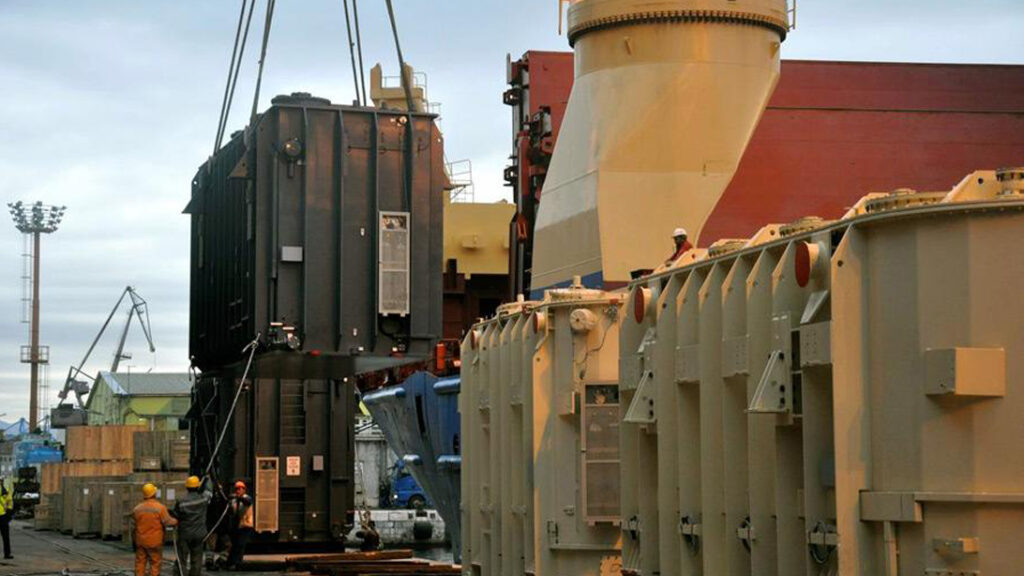
Before procurement, it is recommended to confirm the following information:
- Standard product delivery time and customized product production cycle
- Raw material inventory status and supply chain stability
- Production schedule and capacity utilization rate
- Technical confirmation timeline and FAT acceptance schedule
- Shipping plan and sea or land transportation packaging solutions
In actual EPC projects, we usually recommend that customers require suppliers to provide detailed production schedules, including raw material procurement, winding manufacturing, final assembly, FAT testing, and shipment milestones, and complete manufacturing and testing before the contract-specified deadlines.
For projects, the packaging plan needs to consider moisture protection, rust prevention, and shock resistance requirements for sea transportation. Oil-immersed transformers should be transported using vacuum pumping and nitrogen filling methods to ensure that the insulation system remains protected from moisture during long-distance transportation.
Summary of evaluation points:
- Whether a clear production schedule and delivery commitment are provided
- Whether a stable raw material supply chain is available
- Whether the packaging solution meets export sea transportation requirements
- Whether manufacturing and shipment can be completed within the contract schedule
9. Transformer Supplier Evaluation Checklist
| Evaluation Item | Key Points of Attention |
|---|---|
| Enterprise Strength | Establishment history, factory scale, manufacturing experience, own production base |
| Product Range | Oil-immersed transformers, dry-type transformers, amorphous alloy transformers, and switchgear |
| Standard System | IEC 60076, ISO quality system, GOST |
| Testing Capability | Whether complete factory testing equipment is available and whether test records are properly archived |
| Material Control | Hi-B steel core, copper windings, insulation class, material inspection reports |
| Project Experience | Cases and customer references in the Middle East, South America, Africa, and Russia |
| Technical Support | Selection services, drawing review, on-site installation guidance, remote diagnosis |
| Delivery Capability | Production cycle, raw material supply, packaging solutions, shipment coordination |
| After-sales Service | Warranty terms, spare parts supply, on-site service capability |
10. Conclusion
The core objective of transformer procurement is not to purchase equipment at the lowest price, but to select a partner capable of ensuring long-term reliable operation. A reliable transformer manufacturer should have stable production capabilities, an international standard manufacturing system, comprehensive testing capabilities, extensive project experience, and fast-response technical support.
For engineering projects, power grid construction, and industrial projects, equipment quality directly determines the stability of project operation. Selecting an experienced and technically reliable transformer manufacturer can help reduce future maintenance costs, improve project investment returns, and ensure the long-term safe operation of power systems.
Zisheng Electric specializes in the research, development, and manufacturing of oil-immersed transformers, dry-type transformers, amorphous alloy transformers, and related power equipment. The company can design and manufacture products according to international standards such as IEC 60076 and GOST, serving markets including the Middle East, South America, Africa, and Russia.
For transformer selection consultation, technical solution confirmation, or procurement support for specific projects, please send project parameters through Zisheng Electric’s official channels to obtain technical feedback.
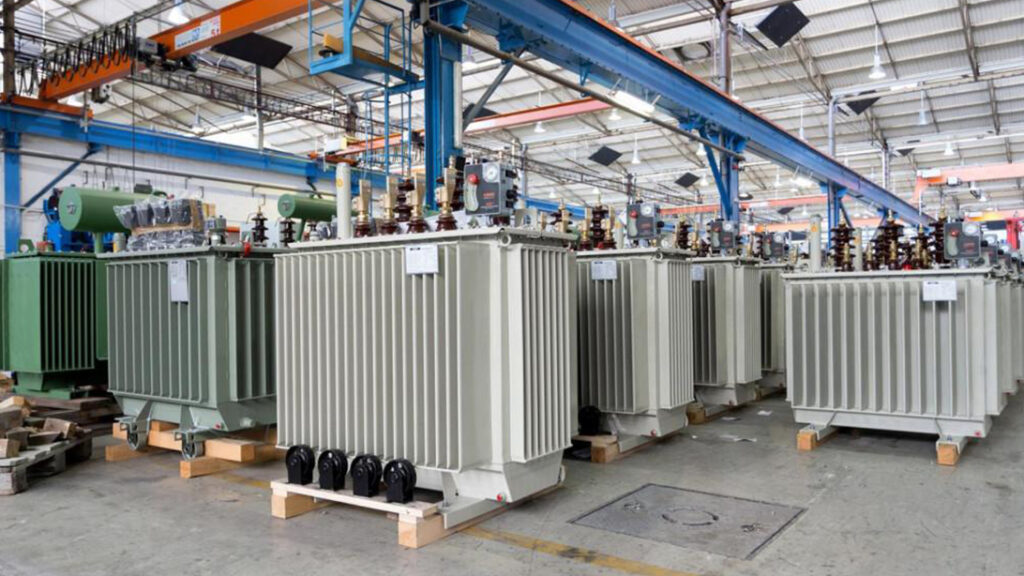
About ZISHENG ELECTRICAL
Zisheng are a professional 19+ years manufacturer in producing Oil-Immersed Transformers, Compact Substation, Pad Mounted Transformers, Pole Mounted Transformers and Dry Type Transformers. We own the certificates of ISO/CE/IEC 60076 and TUV Rheinland.
Transformers undergo rigorous FAT and type testing, support voltage/capacity customization. Welcome to consult for Catalog and Product. you can contact us at email [email protected].