How Can the Right Transformer Improve Renewable Energy System Performance?
Renewable systems face instability and inefficiency due to fluctuating generation. Poor transformer selection causes losses and grid issues. Specialized transformers ensure stability, efficiency, and reliable integration.
Transformers are critical in renewable energy systems, enabling voltage regulation, efficient power transmission, and grid stability. Advanced designs improve performance, support integration, and address variability challenges in solar and wind applications.
Explore how transformer technologies optimize renewable energy systems and ensure long-term operational success.
Why Renewable Energy Needs Specialized Transformer Designs
Renewable energy systems operate under unique and often unpredictable conditions, making Transformer design and selection a critical factor. Unlike conventional power generation, renewable sources such as solar and wind introduce variability due to weather dependence. This leads to the Impact of intermittent generation, requiring transformers that can handle frequent load fluctuations and dynamic operating conditions.
Specialized transformer designs must accommodate Bidirectional power flow characteristics, especially in distributed generation systems where energy flows both to and from the grid. Additionally, materials must withstand Insulation material thermal cycling, as frequent temperature changes can degrade performance over time.
Modern transformers also focus on minimizing Transformer copper loss and iron loss, improving efficiency and reducing energy waste. Advanced solutions such as Amorphous metal transformers further enhance efficiency by reducing core losses. These innovations play a key role in enabling reliable Renewable grid integration technology, ensuring stable and efficient energy delivery.
The Role of Transformers in Solar PV System Efficiency
Transformers are essential for achieving PV system efficiency optimization by ensuring proper voltage conversion and minimizing energy losses. In solar photovoltaic systems, power generated at low voltage must be stepped up for transmission and grid connection, making transformer efficiency crucial.
High-performance transformers reduce losses and improve overall system output. Managing Harmonic suppression and power quality is particularly important in PV systems, as inverters can introduce harmonics that affect grid stability. Transformers designed with advanced filtering capabilities help maintain consistent power quality.
Another critical aspect is Grid frequency regulation, where transformers contribute to maintaining stable frequency levels despite fluctuations in solar generation. Integration with IoT sensor monitoring enables real-time performance tracking, allowing operators to detect inefficiencies and optimize operations.
By improving energy conversion and maintaining system stability, transformers significantly enhance the performance and reliability of solar PV installations.
Key Challenges in Grid Connection for Renewable Transformers
Integrating renewable energy into existing grids presents several Grid connection technical challenges. One major issue is ensuring compliance with strict Grid code compliance requirements, which vary by region and demand high levels of reliability and performance.
Transformers must also provide adequate Voltage ride-through capability to maintain operation during grid disturbances such as voltage dips or surges. Failure to meet these requirements can result in disconnection from the grid, leading to energy losses and reduced system reliability.
Another challenge is managing power quality, including harmonics and voltage fluctuations. Advanced Transformer fault diagnosis technology is essential for identifying and addressing issues before they escalate.
Additionally, renewable systems often require rapid response to changing conditions. Transformers equipped with intelligent monitoring systems can adapt to these changes, ensuring stable operation and seamless integration with the grid.
Oil vs Dry-Type Transformers: Which is Best for Wind Farms?
The choice between oil-filled and dry-type transformers is a key consideration in Oil vs dry-type transformer comparison for Wind farm electrical systems. Each type offers distinct advantages depending on the application environment.
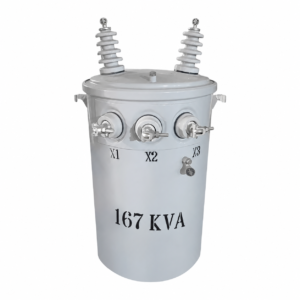
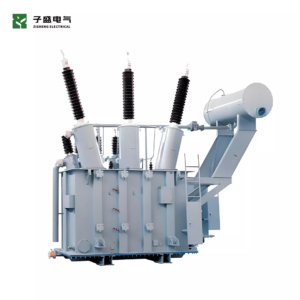
Oil-filled transformers are known for their superior cooling performance and are often used in large-scale or offshore installations. They are particularly suitable for Offshore wind electrical requirements, where high capacity and efficient heat dissipation are critical.
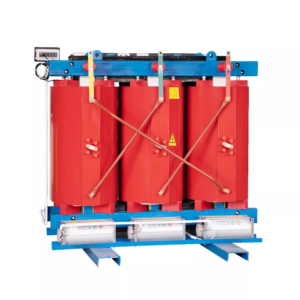
Dry-type transformers, on the other hand, offer enhanced safety due to the absence of flammable oil. They are ideal for onshore wind farms and installations where environmental and fire safety concerns are paramount.
Factors such as maintenance requirements, installation conditions, and environmental impact must be considered. While oil-filled transformers may offer higher efficiency in certain scenarios, dry-type transformers provide safer and more environmentally friendly solutions, making them increasingly popular in modern wind energy projects.
Innovations in Smart Transformers for the Green Energy Grid
The development of Smart transformer innovations is transforming the way renewable energy systems operate. These advanced transformers integrate digital technologies to enhance monitoring, control, and performance optimization.
Technologies such as Digital twin technology allow operators to create virtual models of transformers, enabling real-time simulation and performance analysis. This improves decision-making and reduces operational risks.
Integration with IoT sensor monitoring provides continuous data collection, enabling Predictive maintenance algorithms to detect potential issues before they result in failures. This proactive approach enhances reliability and reduces maintenance costs.
Smart transformers also support advanced grid functions, such as dynamic voltage regulation and load balancing. These capabilities are essential for modern power systems that rely heavily on renewable energy sources, ensuring stability and efficiency across the grid.
A Complete Guide to Transformer Maintenance in Solar Plants
Effective Transformer preventive maintenance is essential for ensuring long-term performance in solar plants. Regular inspections and testing help identify potential issues and prevent unexpected failures.
Key maintenance practices include Insulation oil testing for oil-filled transformers, which ensures that the insulating properties remain effective. For both oil-filled and dry-type transformers, Partial discharge online monitoring is critical for detecting insulation degradation.
Another important technique is Infrared thermography inspection, which identifies hotspots and overheating components. These methods, combined with advanced Transformer fault diagnosis technology, provide comprehensive insights into transformer health.
Implementing predictive maintenance strategies further enhances reliability. By leveraging real-time data and analytics, operators can optimize maintenance schedules and reduce downtime. This approach ensures consistent performance and supports the long-term sustainability of renewable energy systems.
Conclusion
Advanced transformers enable efficient, stable, and reliable renewable energy systems, supporting long-term sustainability and optimized grid performance.
About ZISHENG ELECTRICAL
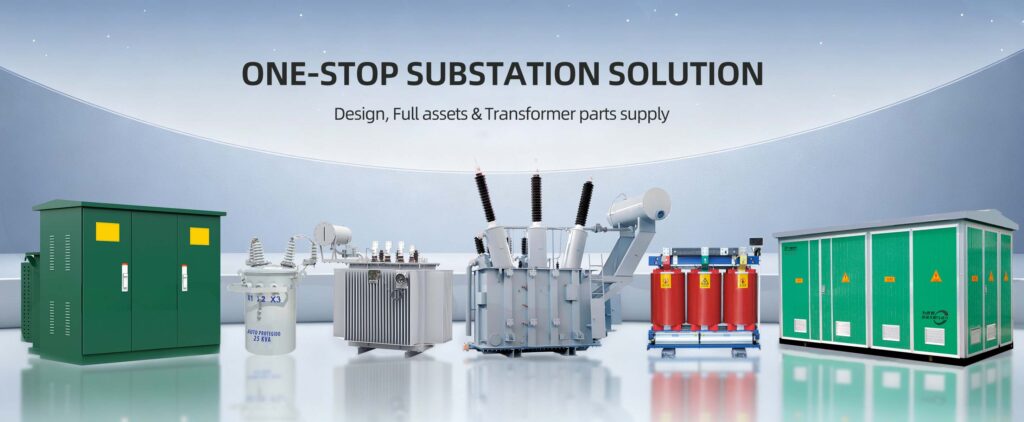
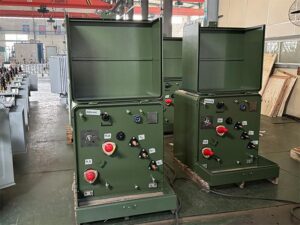
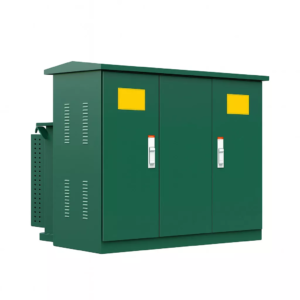
Zisheng are a professional 19+ years manufacturer in producing Oil-Immersed Transformers, Compact Substation, Pad Mounted Transformers, Pole Mounted Transformers and Dry Type Transformers. We own the certificates of ISO/CE/IEC 60076 and TUV Rheinland.
Transformers undergo rigorous FAT and type testing, support voltage/capacity customization. Welcome to consult for Catalog and Product. you can contact us at email [email protected].