How Can Low Voltage Transformers Ensure Safe and Efficient Power Distribution in Modern Electrical Systems?
Voltage fluctuations, overload risks, and unsafe distribution threaten electrical systems. These issues cause equipment damage and safety hazards. Low voltage transformers provide stable, efficient, and secure power delivery.
Low voltage transformers are essential components in electrical distribution systems, converting voltage to safe levels for residential, commercial, and industrial use. They ensure efficient energy transfer, improve safety, and support reliable operation across modern power networks and building electrical systems.
Understanding their function helps improve system performance and long-term reliability.
Low Voltage Transformer: Definition, Features, and Key Applications
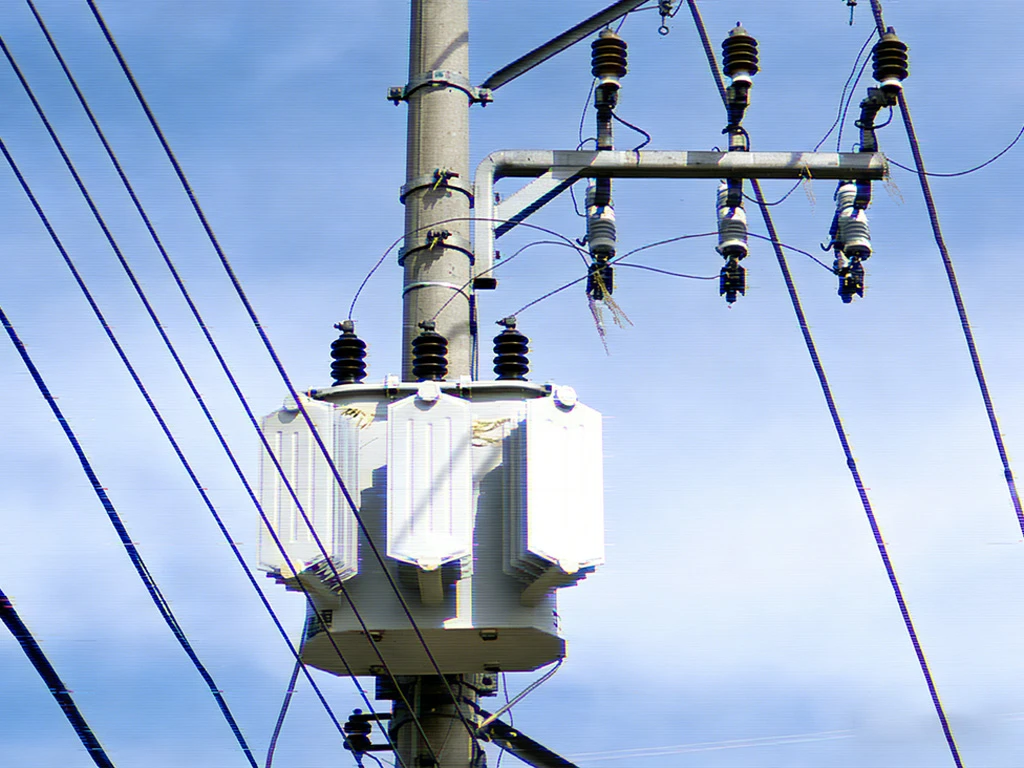
A low voltage transformer is designed to reduce voltage levels to safer, usable ranges, typically below 1 kV, making it essential in low voltage power distribution. These transformers are widely used in electrical distribution systems to supply power to end users.
They are commonly found in residential electrical transformers, commercial facilities, and industrial environments. Their role is to ensure that electricity is delivered safely and efficiently to equipment and appliances.
In building electrical systems, low voltage transformers support lighting, HVAC systems, and other critical loads. As power supply transformers, they ensure consistent voltage output, improving reliability and performance.
Their compact design, efficiency, and safety features make them indispensable in modern energy systems.
Types of Low Voltage Transformers Used in Residential and Industrial Systems
There are various types of low voltage transformer solutions designed for different applications. Step-down transformers are the most common, reducing higher voltage levels to safe operating ranges.
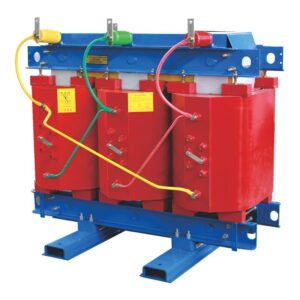
Dry-type transformers are widely used in indoor environments due to their safety and low maintenance requirements. They eliminate the risk of oil leakage and are suitable for sensitive applications.
Isolation transformers provide electrical separation between circuits, enhancing safety and protecting equipment from faults. These are often used in industrial and medical applications.
In industrial low voltage transformers and commercial power transformers, design variations depend on load requirements and environmental conditions. Each type ensures optimal performance and safety in specific applications.
How Low Voltage Transformers Work in Power Distribution Networks
Low voltage transformers operate based on electromagnetic induction, converting electrical energy between different voltage levels. This process is essential for efficient low voltage power distribution.
In electrical distribution systems, they step down voltage from medium or high levels to usable levels for end users. As power supply transformers, they ensure stable and consistent output.
They also help maintain transformer efficiency and performance by minimizing energy losses during conversion. Their operation supports safe and reliable electricity delivery in both residential and industrial settings.
By ensuring proper voltage regulation, low voltage transformers play a critical role in maintaining system stability and efficiency.
Design, Efficiency, and Safety Considerations for Low Voltage Transformers
Designing a low voltage transformer requires careful attention to performance, efficiency, and safety. Engineers must consider load capacity, insulation materials, and cooling methods.
Improving transformer efficiency and performance is essential to reduce energy losses and operational costs. The use of energy-efficient transformers helps achieve better sustainability and lower carbon impact.
Compliance with electrical safety standards is critical to ensure safe operation in all environments. Features such as insulation, grounding, and overload protection are essential.
Proper design ensures reliable performance, enhanced safety, and long service life in building electrical systems and industrial applications.
Installation and Maintenance Best Practices for Low Voltage Transformers
Proper installation is essential for the safe operation of low voltage transformer systems. Following recommended guidelines ensures compatibility with electrical distribution systems and prevents operational issues.
Regular maintenance, including inspection of connections, insulation, and cooling systems, is necessary to maintain transformer efficiency and performance. Preventive maintenance reduces the risk of unexpected failures.
For dry-type transformers, maintenance is relatively simple, while other types may require more frequent inspection. Ensuring compliance with electrical safety standards is critical during both installation and operation.
These practices help extend equipment lifespan and ensure reliable performance.
Future Trends in Low Voltage Transformer Technology and Smart Power Systems
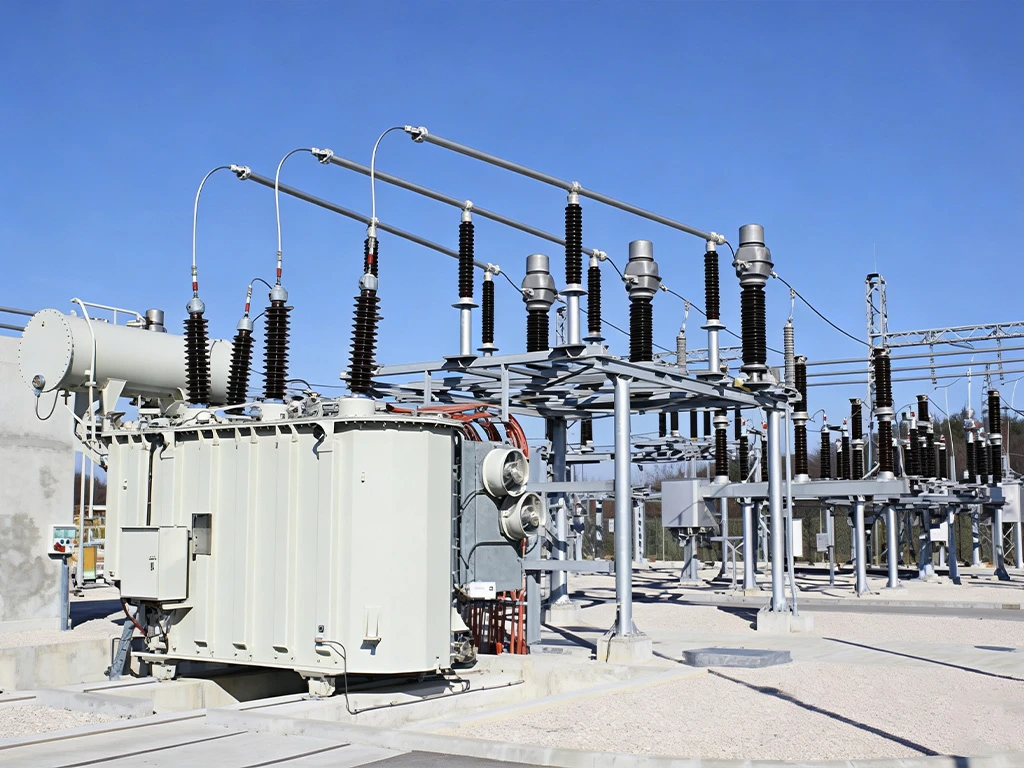
The future of low voltage transformer technology is driven by innovation and digitalization. Advancements in materials and design are improving efficiency and reducing environmental impact.
Integration with smart power distribution systems enables real-time monitoring and control, enhancing performance and reliability. These systems support modern energy management strategies.
The development of energy-efficient transformers and compact designs will further improve sustainability and reduce operational costs. These innovations are shaping the next generation of electrical infrastructure.
As technology evolves, low voltage transformers will continue to play a key role in supporting efficient and intelligent power systems.
Conclusion
Low voltage transformers ensure safe, efficient, and reliable power distribution, supporting modern electrical systems and enabling sustainable energy use.
About ZISHENG ELECTRICAL
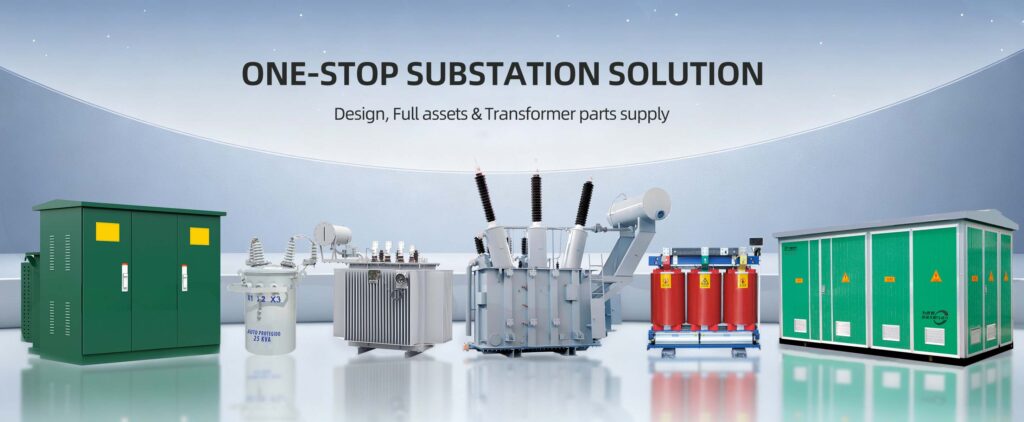
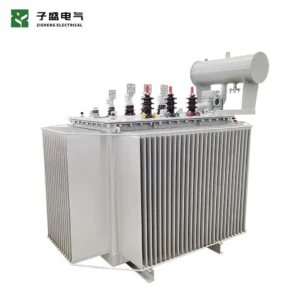
Zisheng are a professional 19+ years manufacturer in producing Oil-Immersed Transformers, Compact Substation, Pad Mounted Transformers, Pole Mounted Transformers and Dry Type Transformers. We own the certificates of ISO/CE/IEC 60076 and TUV Rheinland.
Transformers undergo rigorous FAT and type testing, support voltage/capacity customization. Welcome to consult for Catalog and Product. you can contact us at email [email protected].