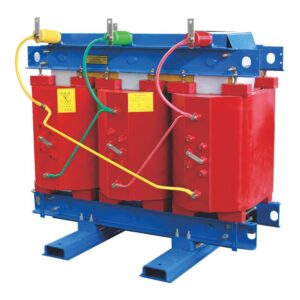
Brazil Distribution Transformer Efficiency: 2026 Inmetro Tables and Procurement Checks
Zisheng Electric treats Brazil distribution transformer efficiency as a procurement question that connects official model information with the electrical duty of the equipment being purchased. An efficiency label, a factory loss report and a utility-approved specification answer different questions. A reliable purchase package keeps them connected without treating any one document as a substitute for the others.
For Brazilian distributors, EPC contractors and industrial owners, the useful starting point is the current information published by Inmetro. Buyers then need to establish whether their exact equipment and supply arrangement fall within the applicable requirements, identify the responsible parties, and compare losses on a common basis. A transformer that looks economical in a catalog may be a poor choice when its operating hours, loading pattern and installation interfaces are considered.
Brazil distribution transformer efficiency: the official information checked
As checked on 15 September 2026, Inmetro’s official liquid-insulated distribution transformer page lists a 2026 Curve C table for new equipment, a separate 2026 table for reconditioned equipment, and testing spreadsheets. The page records an update on 10 July 2026. This is an update to the available procurement reference material; it should not be described as proof that a new law took effect on that date.
The practical implication is straightforward: use the current official record, distinguish new equipment from reconditioned equipment, and preserve the document version used during bid evaluation. A table heading alone does not establish that a particular offered transformer is covered, listed or approved. The purchaser should obtain model-specific evidence and confirm the applicable regulatory scope with the party responsible for the Brazilian supply.
This article does not claim that any Zisheng Electric model holds Inmetro registration or utility approval. Those matters require separate, verifiable documentation for the actual offer. Technical review can begin while evidence is being collected, but compliance-dependent purchase or shipment release should follow the agreed verification process.
Identify the equipment before comparing its losses
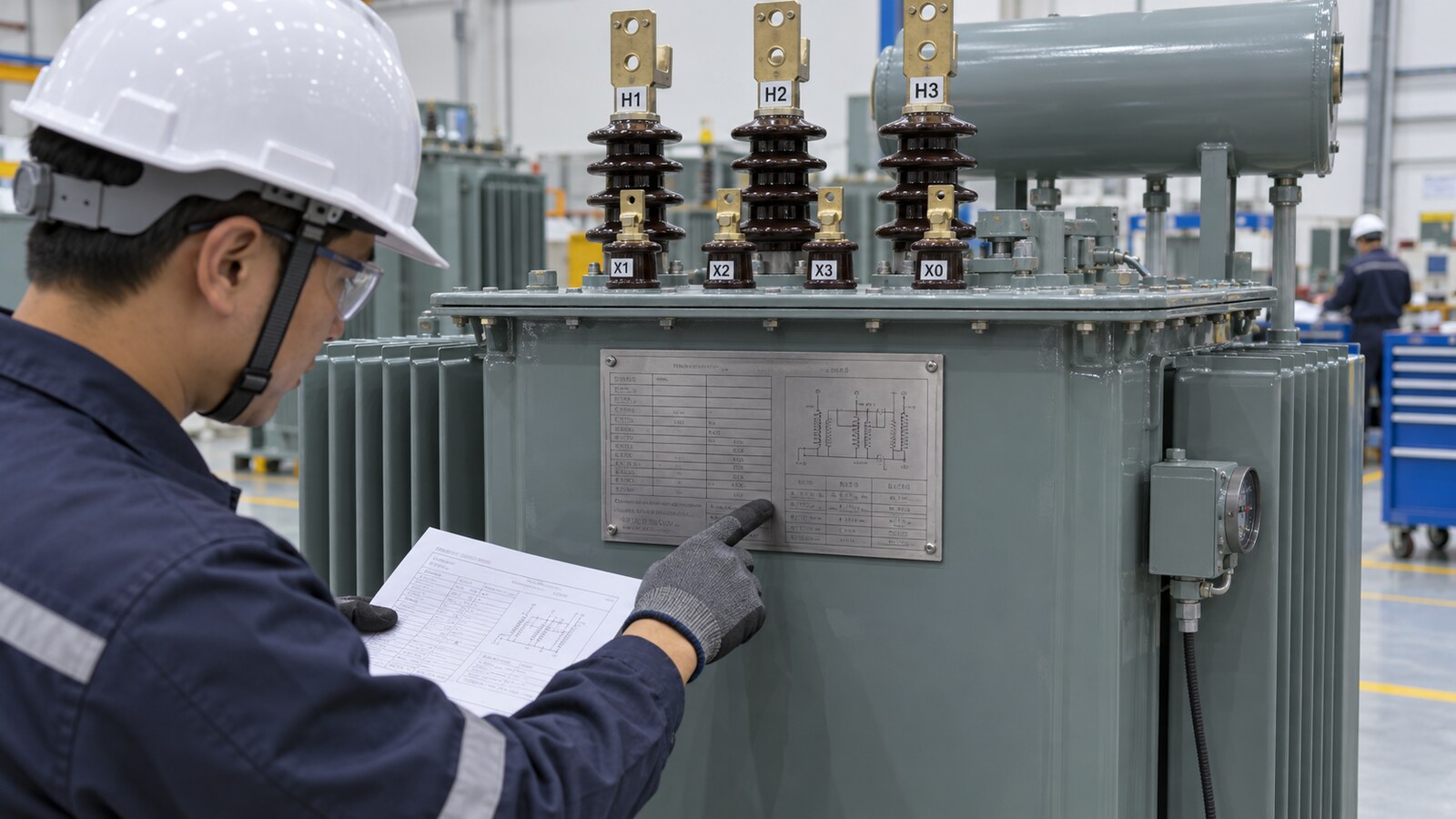
Begin with a single equipment identity: manufacturer, model designation, rated power, winding voltages, phases, frequency, insulating liquid and intended installation. Record whether the unit is new or reconditioned. A quotation, nameplate drawing, test report and official listing should refer to an identifiable configuration rather than a broad product family with several unrelated ratings.
The point of connection also matters. A utility-owned distribution transformer, an industrial owner’s incoming transformer and a larger plant power transformer can follow different procurement routes and interface specifications. Do not assume that a distribution-transformer reference applies to every transformer installed in Brazil. Obtain the serving utility’s current project documents and have the responsible local party confirm the equipment scope.
Keep language and document identity consistent
Where Portuguese and English documents are exchanged, retain the original designation beside its translation. Avoid translating a model code into a different code or shortening a document title so that traceability is lost. The bid register should show revision, date, issuing organization and the particular transformer configuration to which each document applies.
Use a decision table that separates evidence from assumptions
| Review item | Evidence to request | Engineering decision | Risk if omitted |
|---|---|---|---|
| Equipment identity | Model, rating and nameplate drawing | Match the offer to the referenced record | Evidence belongs to another configuration |
| Regulatory scope | Applicable requirements and responsible local party | Define the acceptance and supply route | Shipment proceeds with unresolved obligations |
| No-load loss | Guaranteed value and measurement basis | Evaluate energized hours | Underestimated continuous energy use |
| Load loss | Guaranteed value, current and temperature basis | Evaluate the actual load profile | Misleading comparison between bids |
| Installation duty | Utility interface, site environment and load data | Confirm suitability beyond efficiency | Thermal, voltage or mechanical mismatch |
| Release evidence | Approved documents and serial-specific test records | Authorize shipment against agreed conditions | Untraceable or incomplete delivery |
Assign an owner and due date to every unresolved item. A table filled with “to be confirmed” is useful during development only if it leads to an explicit release decision. When a commercial offer changes, review which technical and documentary assumptions changed with it. A lower price should not silently replace the approved equipment identity or remove an agreed inspection requirement.
Separate no-load loss from load-dependent loss
No-load loss is relevant whenever the transformer remains energized, even when the process takes little power. Load-dependent losses become increasingly important as current increases. The preferred balance therefore depends on the operating pattern. A lightly loaded unit energized throughout the year presents a different evaluation problem from a heavily loaded unit serving a limited production schedule.
For an initial comparison, a purchaser may use an explicitly simplified estimate: energy loss equals energized hours multiplied by no-load loss, plus the sum of each load interval multiplied by the square of its per-unit current and the rated-current load loss. Keep the input units consistent. This screening calculation assumes a common loss basis and does not replace a detailed assessment of temperature, harmonic currents, auxiliary consumption or changing voltage.
Use squared current, not average load alone
Two daily profiles can have the same average current and different average squared current. Using only the average can therefore conceal the effect of high-load intervals. Request representative time-series data or a set of operating blocks that preserves the important peaks and durations. Record whether a stated loading fraction describes current, apparent power or active power; the terms are not interchangeable without additional assumptions.
A cost comparison should use the purchaser’s approved energy-price assumptions, evaluation period and financial method. This article supplies no current Brazilian tariff or investment return. If the commercial team supplies those inputs, keep sensitivity cases visible so that a small change in forecast loading does not turn a fragile preference into an apparently certain result.
Keep loss guarantees comparable during the tender
Specify whether quoted losses are guaranteed limits, expected design values or informational catalog figures. State the measurement and correction basis, selected tapping position, applicable contractual standard and treatment of tolerances. Ask every bidder to complete the same schedule. Comparing one supplier’s maximum guarantee with another supplier’s typical value can produce a false ranking.
Separate transformer losses from fans, pumps or other auxiliary equipment where those items are present. Identify the operating states in which auxiliaries run. Also examine the consequences of a proposed design change: a different core or winding arrangement may affect dimensions, impedance, noise, cooling requirements and transport mass. Efficiency is one input to an integrated equipment decision.
For the connected network, use the same approved electrical assumptions throughout the study. The engineering considerations in our guide to transformer voltage regulation explain why ratio, taps, impedance and load conditions must be coordinated. Its regional examples do not establish Brazilian utility requirements.
Translate Brazilian project conditions into the specification
Brazil is too large and varied for one generic environment statement to describe every project. Request the actual site altitude, ambient-temperature profile, exposure to moisture or salt contamination, installation enclosure and maintenance access. Use project records or authoritative local data. Do not substitute a country’s average conditions for the conditions at the transformer location.
A coastal installation may require a different corrosion review from an inland industrial room. An indoor location needs a heat-removal assessment based on equipment losses and the room arrangement. A remote site needs a realistic plan for spare components, inspection access and replacement transport. These are project questions to verify, not blanket claims that every Brazilian transformer faces the same exposure.
Confirm the service voltage, frequency, earthing arrangement, protection interface and required connection hardware directly from approved project and utility information. An interface-oriented transformer procurement review can help structure the questions, but ratings used in another market must not be copied into a Brazilian purchase specification.
Agree what the factory report must demonstrate
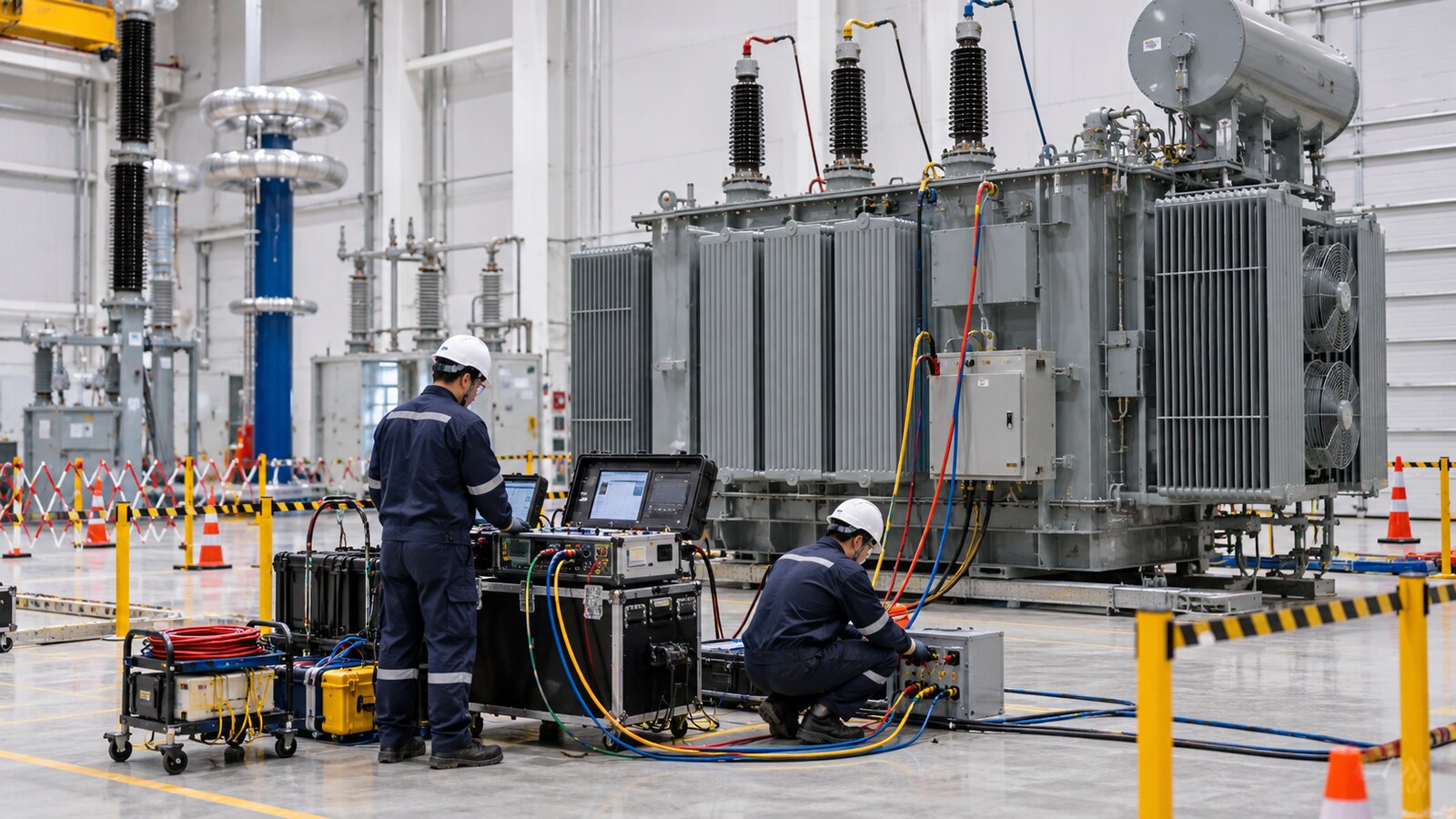
The purchase order should define the test scope, acceptance criteria, report format and witness arrangements before manufacturing release. For loss evaluation, require traceability to the equipment serial number and approved rating. The report should identify the relevant test conditions and corrections so the measured result can be compared with the contractual guarantee.
A successful factory test does not by itself establish every local approval needed for supply. Equally, a model listing does not replace the serial-specific manufacturing and test record promised under the contract. Keep these evidence streams separate in the document register and close both where they are required.
Example bid-review record for a distribution project
Hypothetical example only; this is not an actual Zisheng Electric project. An industrial buyer is considering two offers for the same confirmed distribution duty. Offer A has lower no-load loss and higher load loss. Offer B reverses that balance. The buyer first verifies that both offers use the same rating, temperature basis, installation conditions and documentary scope.
The engineering team then evaluates a low-demand operating case and a higher-demand expansion case using the owner’s load data. The preferred loss balance changes between the two cases. Instead of declaring one design universally superior, the review records the assumptions, the expected operating period and the uncertainty surrounding expansion. Commercial evaluation follows the owner’s approved cost method.
Before award, the team resolves model identity, applicable Brazilian documentation, utility interfaces, guaranteed losses and factory evidence. Before shipment, it checks the serial-specific records and approved drawings against that baseline. This creates a traceable purchasing decision that remains understandable when a different engineer reviews the package months later.
Prepare a model-specific inquiry
For Brazil distribution transformer efficiency review, send the single-line diagram, datasheet, load schedule, energized hours, technical specification, verified grid parameters, environmental data and installation drawings. Include the utility requirements and the applicable local documentation already identified by your Brazilian project team.
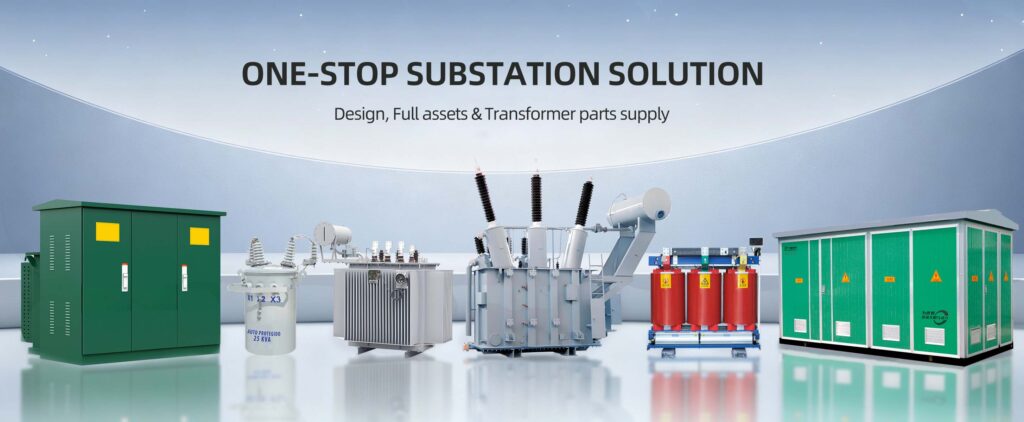
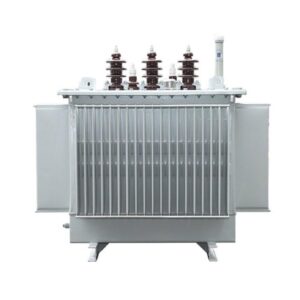
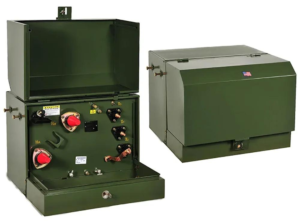
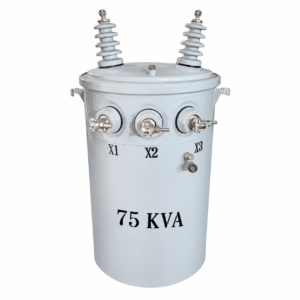
Zisheng Electric’s three-phase pad-mounted transformer and oil-immersed power transformer pages provide equipment references for discussion across different duties; they are not evidence that those models fall within one regulatory scope or hold Brazilian approval. Our engineering team will review the requirements and respond to project inquiries within 24 hours.
About ZISHENG ELECTRICAL
Zisheng are a professional 19+ years manufacturer in producing Oil-Immersed Transformers, Compact Substation, Pad Mounted Transformers, Pole Mounted Transformers and Dry Type Transformers. We own the certificates of ISO/CE/IEC 60076 and TUV Rheinland.
Transformers undergo rigorous FAT and type testing, support voltage/capacity customization. Welcome to consult for Catalog and Product. you can contact us at email [email protected].