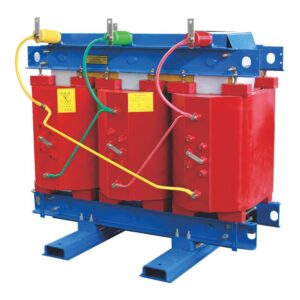
نظام حماية المحولات من اقتحام الحيوانات للمواقع الصناعية الأفريقية
Transformer animal intrusion protection starts with the paths an animal can use, not with a catalogue of guards. For African industrial projects, Zisheng Electric recommends linking the transformer arrangement, cable entries, surrounding ground and maintenance practices in one procurement review. A fence may restrict people while leaving small openings at ground level. A well-sealed terminal box may still have an unfinished spare cable entry. Each weakness belongs to a different interface.
The useful buying question is therefore specific: what contact or entry mechanism must this package interrupt, and how will the owner keep that protection effective? This guide addresses that decision for outdoor industrial transformer installations. It does not assume that every African location has the same wildlife, climate, voltage or utility rules. Those inputs must come from the project team and the connecting utility.
Map Transformer Animal Intrusion Protection by Exposure Path
Start with the equipment outline and walk the proposed routes from the site boundary to the electrical interfaces. Look at vegetation, adjacent roofs, fence lines, trenches, cable conduits and gaps around doors. Ask the operating team for dated observations or incident records. An unverified story about a nearby facility is a reason to investigate, not evidence that the same failure mechanism exists on this site.
Separate three concerns. First, an animal may bridge energized parts or an energized part and earth. Second, it may enter an enclosure and damage insulation or auxiliary wiring. Third, nesting material or accumulated debris may obstruct inspection, drainage or ventilation. These concerns overlap, but they require different measures. An external bushing cover does not close a cable duct; a mesh screen does not establish an electrical clearance.
Define the responsibility boundary
Mark which features are supplied with the transformer, which belong to the civil contractor and which remain the operator’s responsibility. Include temporary conditions during installation. A cabinet that arrives with transport blanks can lose its protection when cables are pulled and spare openings are left unfinished. The acceptance point should be the installed arrangement, not only the factory condition.
Record the interface owner, drawing revision and evidence required for each exposure path. This makes a bid comparison more useful than a single line saying “animal proof.” Avoid that absolute claim unless its meaning, limits and verification method are contractually defined.
Translate Local Conditions into Design Inputs
Ask for the actual location, site elevation, minimum and maximum ambient conditions, seasonal rain and humidity, airborne contamination and maintenance access constraints. Coastal salt exposure may affect metal hardware and surface condition; dusty environments can change the maintenance burden of screens and covers. Neither factor establishes a universal inspection interval. The owner should set intervals using the selected materials, exposure and operating experience.
Vegetation growth and nearby food or waste sources should be reviewed with the facility team. Keep wildlife management humane and consistent with local environmental requirements. This article makes no claim about protected species or legal permissions in a particular country. Where wildlife handling is required, use the responsible local authority or qualified specialist rather than assigning it to electrical maintenance personnel.
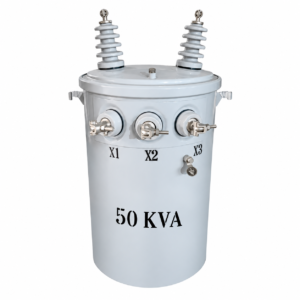
Supply voltage and frequency, earthing arrangement and utility interface requirements remain project inputs. They must not be inferred from the regional label. Confirm whether exposed bushings, cable boxes or plug-in connections are intended before asking vendors to price accessories. Those arrangements present substantially different contact paths and service tasks.
Match Bushing Covers to the Complete Connection
Purpose-designed wildlife covers are commercially available. For example, TE Connectivity’s Raychem bushing cover description identifies covers intended to reduce animal-caused outages by covering energized components. This establishes the function of that product family, not automatic compatibility with a Zisheng Electric transformer or acceptance by a particular utility.
Procurement should provide the cover supplier with the bushing outline, terminal hardware, conductor approach and adjacent grounded geometry. Ask for written confirmation of the applicable equipment and electrical rating, dimensional fit, environmental suitability, attachment method and maintenance restrictions. A cover that fits the porcelain diameter may not accommodate the actual lug, cable bend or connector extension.

Keep electrical and mechanical questions separate
The electrical review concerns the intended insulation function and the relationship to surrounding clearances. The mechanical review concerns retention, movement, access and possible loads on the bushing or conductor. Both are needed. A generic photograph cannot demonstrate either. Do not alter an accessory in the field unless the relevant manufacturers have reviewed the change.
Wildlife protection is not personal protective equipment and does not make an energized connection safe to touch. Installation and inspection must follow the owner’s authorized electrical work procedures and the selected manufacturer’s instructions. This guide is a procurement framework, not a live-work method.
Keep pollution performance in the same review without confusing it with animal protection. The existing guide to bushing creepage selection and maintenance explains a separate insulation-selection question. Adding a guard does not justify reducing the agreed bushing requirements or abandoning the cleaning and inspection plan.
Close Enclosure Entries without Creating a Cooling Problem
Prepare an entry schedule for the terminal enclosure and auxiliary cabinets. Distinguish cable glands, ducts, ventilation openings, drains and deliberately removable panels. Specify how unused entries will be closed and who will inspect the final installation. Improvised foam or unreviewed mesh should not become the default solution simply because it is available on site.
For a ventilated enclosure, the equipment designer must review any added screen or restriction. An exclusion measure can also collect dust or debris and reduce useful airflow. Ask how the screen is accessed, cleaned and replaced, and whether its condition can be checked without exposing personnel to electrical hazards. A design that requires frequent difficult access may be a poor match for a remote facility.
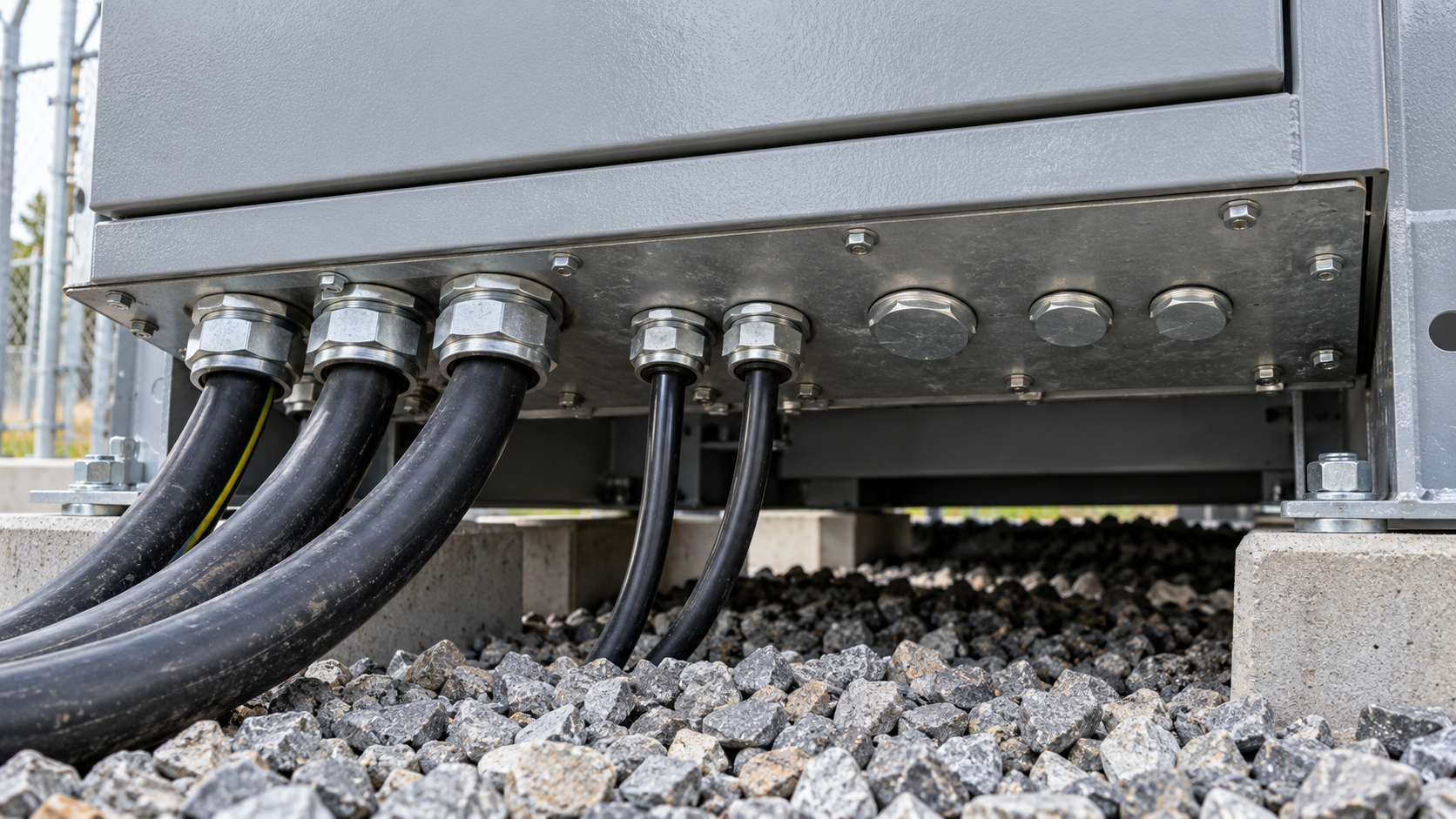
Drainage must remain deliberate. Closing an opening without understanding its function can trap moisture, while leaving a drainage path unprotected can create another entry route. Obtain a coordinated detail rather than asking the site team to solve these competing requirements independently. No universal aperture size is proposed here; the selected system and the local exposure determine the appropriate detail.
Auxiliary wiring deserves equal attention. Coordinate gland plates and internal routing with the marshalling kiosk terminal schedule so that late cable additions do not undermine the completed enclosure. Record any reserved future entries and the approved closures that must remain in place until use.
Use a Procurement Decision Table
The table below is an enquiry and review aid, not a set of universal acceptance limits. Replace each evidence request with the applicable project document and named reviewer. Where evidence is missing, retain an open action instead of treating a catalogue statement as installation approval.
| Exposure or interface | Information to obtain | Decision and evidence | Common scope gap |
|---|---|---|---|
| Exposed bushing connection | Bushing outline, lug and conductor geometry, adjacent grounded parts | Accessory supplier and transformer manufacturer confirm compatibility | Cover selected by voltage label alone |
| Cable box entry | Final cable sizes, gland arrangement and unused holes | Approved entry drawing and installed inspection record | Transport blank removed without permanent closure |
| Ventilation or drainage opening | Thermal design, water path and exclusion requirements | Equipment designer approves the combined detail | Screen blocks airflow or drain is sealed |
| Perimeter and vegetation | Site layout, observed access routes and maintenance reach | Civil completion record and operator upkeep plan | Fence handed over without ground-level review |
| Maintenance replacement | Part identity, inspection method and delivery lead time | Approved spare list and controlled replacement instructions | Locally available substitute assumed equivalent |
Compare Bids by Scope, Not by the Number of Accessories
Require bidders to identify included covers, excluded interfaces, information still needed and work performed after delivery. A lower accessory count may reflect an enclosed connection arrangement rather than a weaker proposal. Conversely, a long list of guards may leave the actual cable trench interface unresolved. Compare the interruption of the identified exposure paths.
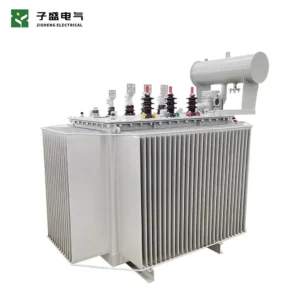
For a smaller installation, the 400 kVA oil-immersed transformer product page can start an equipment enquiry, but the final terminal arrangement and site accessories must be agreed separately. At a larger industrial supply point, a محول طاقة مغمور بالزيت بقدرة 10 ميجا فولت أمبير و33/11 كيلو فولت introduces a different physical layout and maintenance boundary. These examples do not imply that one protection kit fits both.
Include transport and storage in the comparison. Determine whether accessories travel fitted or packed separately, how loose parts are identified and who reinstates them. A shipment split can become a permanent omission if the receiving checklist only counts the transformer and major accessories. Ask for package references that connect delivered parts to the approved arrangement.
An illustrative bid clarification
Suppose one offer includes bushing covers while another includes a closed cable box but leaves site cable glands to the EPC contractor. Neither offer can be ranked on the accessory description alone. The buyer needs the final connection drawings, evidence of compatibility and a clear installation boundary. The clarification should produce an agreed arrangement and responsibility list, not merely an additional price line.
Inspect the Finished Interface and Plan Its Upkeep
At receipt, compare accessory identity and condition with the packing list and approved documents. Before energization, an authorized team should verify the installed configuration under the project’s safe work arrangements. Check that planned closures are present, retention features are complete and no temporary construction opening remains unassigned. Photographs should be tied to equipment and location identifiers rather than stored as an undifferentiated album.
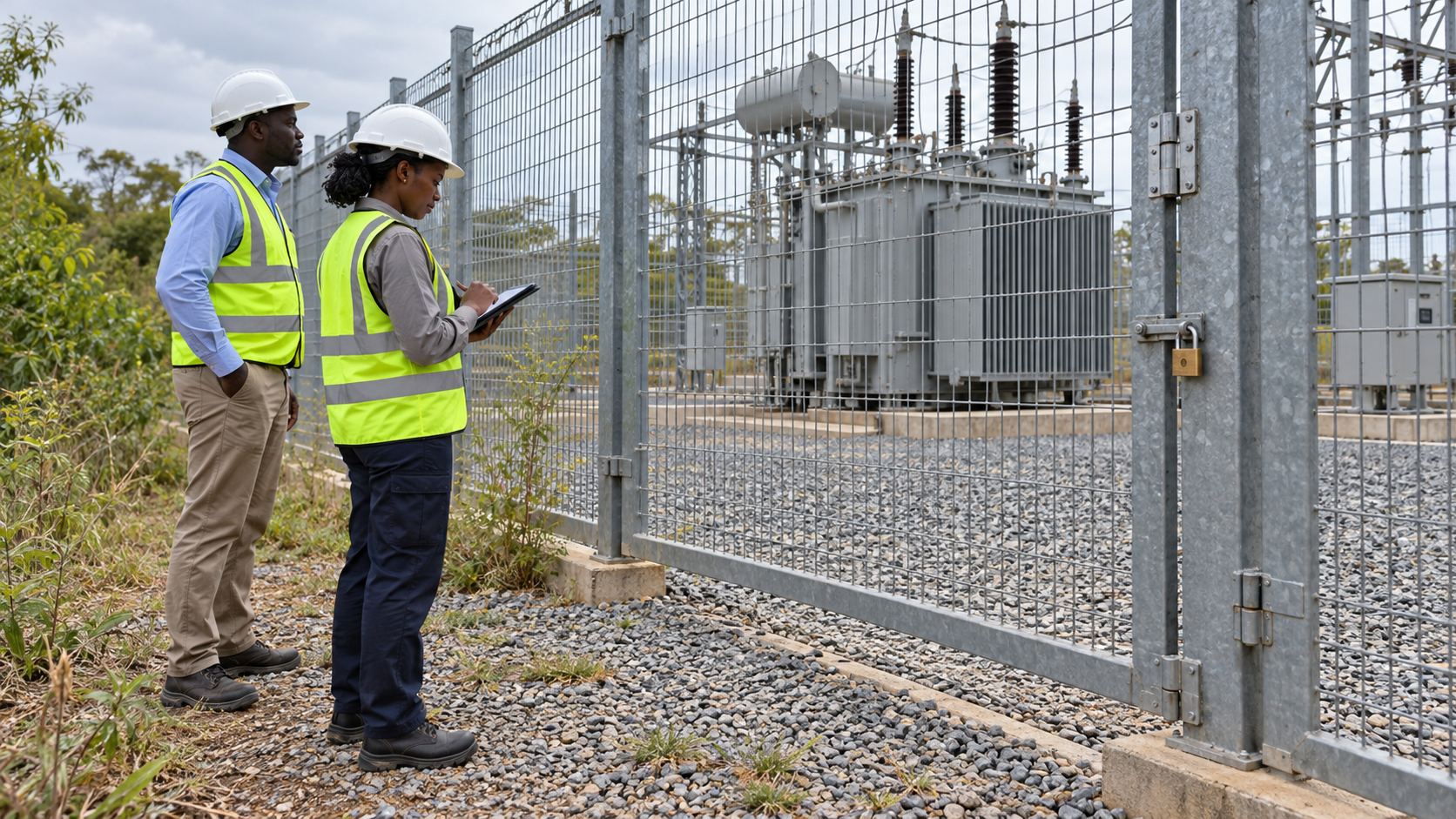
Give operations a practical list of observable conditions: damaged covers, missing closures, displaced screens, nests or debris, vegetation changes and evidence of cable damage. These observations trigger qualified assessment; they are not permission to approach exposed electrical parts. If animal presence is suspected inside equipment, preserve the evidence and follow the site’s electrical and wildlife-response arrangements.
Plan replacement stock around part specificity and replenishment time. Keep approved drawings and accessory identifiers available to the maintenance team and local service partner. A visually similar substitute can have a different retention method or dimensional envelope. Record the review before changing it. After an incident, investigate the actual contact or entry path before simply fitting more of the same hardware.
Make the handover usable for a remote maintenance team. Identify who can authorize an outage, who holds the accessory drawings and which supplier can confirm a replacement. If travel or import lead times are significant, agree a realistic response plan before delivery. The most effective solution is not necessarily the one with the most parts; it is the one whose important interfaces remain identifiable and maintainable after construction personnel have left.
Prepare a Project-Specific Enquiry
A useful transformer animal intrusion protection enquiry brings the electrical and site packages together. Send Zisheng Electric the single-line diagram, transformer datasheet, load list, connection drawings, utility requirements, actual voltage and frequency, environmental conditions and installation layout. Include photographs or observations of relevant access paths, intended maintenance resources and any agreed accessory requirements.
Zisheng Electric can review these interfaces alongside the proposed oil-immersed transformer configuration so that procurement, installation and after-sales support use the same requirements. Final accessory compatibility and site acceptance remain subject to the approved project design and supplier evidence. Our engineering team will review the requirements and respond to project inquiries within 24 hours.
عن شركة ZISHENG ELECTRICAL
زيشينغ هي شركة متخصصة ذات خبرة تمتد لأكثر من 19 عاماً في التصنيع والإنتاج المحوّلات المغمورة بالزيت, المحطات الفرعية المدمجة, المحوّلات المركبة على القواعد, المحوّلات المثبتة على الأعمدة و المحوّلات الجافة. نحن نمتلك شهادات ISO/CE/IEC 60076 وTUV Rheinland.
تخضع المحولات لاختبارات FAT واختبار المواصفات النوعية بشكل صارم، وتدعم تخصيص الجهد/السعة. نرحب باستشارتكم بشأن كتالوج و المنتج. يمكنك الاتصال بنا عبر البريد الإلكتروني [email protected].