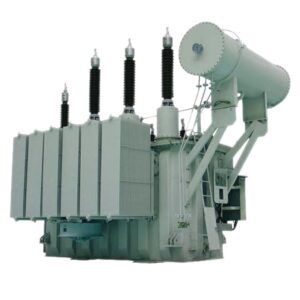
Transformer Pressure Relief Response: 3 Gates Before Return to Service
Transformer pressure relief response should preserve evidence before anyone tries to make an alarm disappear. A device may have relieved pressure, an electrical indication may need investigation, or several protection events may be involved. Zisheng Electric recommends a response package that connects the equipment identity, the event sequence and the person authorized to decide what happens next.
This article addresses industrial asset owners, maintenance managers and EPC teams preparing abnormal-event procedures and service contracts. It is a planning and engineering-review framework. An actual event requires the owner’s emergency and electrical operating procedures, qualified personnel and the relevant equipment manufacturer’s instructions.
Gate 1: transformer pressure relief response starts with event control
Follow the site’s immediate response instructions and keep personnel clear of potential oil or gas discharge. Record the operating state through the approved reporting route. This guide does not authorize an approach to the device, a reset, a restart attempt or a change to a protection setting.
Identify the exact transformer and the protected compartment. A main-tank device and a device associated with a separate tap-changer compartment can require different technical follow-up. Use the installed model, drawings and approved cause-and-effect schedule rather than a generic SCADA label such as “pressure alarm.”
Record observations without resetting their history
Preserve the alarm and trip sequence, relevant relay records, load history and available operating trends. Record whether the event coincided with switching, maintenance or another known change. Photographs and local observations should be gathered only when the site authorizes safe access.
Keep the observation separate from its interpretation. “The local indicator was seen in this position at this time” is a useful record. “The valve is fine because the alarm cleared” is a conclusion requiring evidence. Retain any uncertainty about timestamps or equipment identity in the incident package.
Understand what the installed device can show
Qualitrol’s LPRD description identifies a mechanical pressure-relief function and optional operation indication and contacts. Device arrangements vary. Do not assume every alarm point measures pressure continuously or every installed model retains the same local indication.
For example, the CEDASPE VP/VS/VP150 manual describes a valve that reseals after pressure falls while its signal pin retains an operated state. It addresses checking the trip circuit and investigating the reason for operation. These are model-specific details, not a reset procedure for another manufacturer’s equipment.
Gate 2: resolve the cause before selecting the repair
The transformer pressure relief response record needs a technical owner who can combine mechanical observations, protection information and the transformer’s recent history. A service purchase order can mobilize support, but it cannot by itself authorize the unit to return to operation.
Start the investigation with a clear question. Is there evidence that the device operated mechanically? Is the remote signal consistent with the local state? Were other protective functions involved? Which findings remain unknown? Use the answers to define the manufacturer’s review and any further inspection or diagnostic work.
| Evidence available | Decision still required | Record that supports closure |
|---|---|---|
| Remote alarm only; local condition not yet verified | How will the signal source and device identity be established safely? | As-found observations and an approved investigation scope |
| Mechanical operation confirmed | What caused the event, and what additional equipment assessment is needed? | Manufacturer or responsible engineer’s disposition with supporting evidence |
| Local and remote indications disagree | Is the discrepancy in the device, wiring, input mapping or event interpretation? | Documented signal-path checks and an explained final state |
| Replacement device proposed | Is it suitable for this tank, mounting and protection arrangement? | Approved model, operating data, interfaces and installation requirements |
| Repairs and checks completed | Has the cause been resolved and the owner authorized return to service? | Closed findings, restoration records and the named release authority |
The absence of an obvious leak does not explain an event, and an oil stain does not identify every problem inside the equipment. If oil has escaped, coordinate containment and environmental responsibilities through the site’s procedures. The oil leak response planning guide addresses the supporting resources and responsibilities.
Resolve an indication discrepancy as an engineering finding
Where the investigation includes an outdoor signal circuit, its scope may need to address enclosure condition, cable entries, terminals and the approved input mapping. Define that work from the actual drawing and defect evidence. Do not treat moisture, damaged seals or a wiring fault as established causes merely because they are possible.

A complete signal record identifies the physical source, contact state, terminal references and control-room point. The same interface discipline used for a transformer temperature indication and protection circuit is useful here, although the devices perform different functions.
Gate 3: close the transformer pressure relief response
A transformer pressure relief response is not complete when a local flag has been reset. The release decision should state how the cause was addressed, which checks were completed and whether any restrictions or follow-up actions remain. Device reset and asset return to service belong to the same controlled record, but they are distinct decisions.
Confirm that the approved protection arrangement has been restored, including any temporary test conditions or disconnected signals introduced during investigation. Identify who performed the work and who reviewed it. If a control or protection function cannot be verified, record the open item and obtain the owner’s technical disposition.
Make the release record usable by the next shift
Provide one concise status statement: the asset identity, the authorized operating state, the evidence supporting that state and the person responsible for further review. Link the detailed reports rather than leaving the next operator to assemble a conclusion from several email threads.
Any supervised return plan should define the relevant observations and escalation route for this equipment. Avoid a generic “monitor closely” instruction. The owner needs to know which information is being watched, who reviews it and which approved condition changes the operating decision.
Specify the transformer pressure relief response package before purchase
At procurement, ask for the accessory schedule, installed model, applicable operating data, mounting arrangement, discharge direction and electrical interface information. Check the response responsibilities against the transformer and accessory supply boundaries. An accessory brochure is useful identification material but not a complete operating procedure.
A replacement enquiry should include the existing device and tank information. Operating pressure, mounting, sealing materials, contacts and discharge arrangements require an approved match. External resemblance or an available stock code does not establish equivalence. Do not alter a setpoint to suppress repeat operation without the responsible design authority’s review.
Service terms should define the information needed for initial assessment, the scope of remote support, site attendance arrangements and responsibility for the final technical disposition. For a remote industrial plant, a clear evidence package helps the specialist arrive prepared and reduces time spent requesting basic drawings after mobilization.
Questions buyers should close
Does an automatically resealed valve mean the transformer is healthy?
No. Resealing describes a device action. The event cause and the condition of the protected equipment still require assessment under the applicable instructions.
Can an alarm be dismissed when the local indicator looks normal?
The discrepancy needs an explanation consistent with that model and its signal circuit. Preserve the event history and have the responsible personnel investigate it.
Is replacing the pressure-relief device enough to close the incident?
Only the completed investigation can establish the required scope. A new accessory does not, by itself, demonstrate that the original cause has been resolved.
Zisheng Electric can review accessory, protection and service requirements for 110kV or 115kV power transformers و 132kV or 138kV power transformers. For transformer pressure relief response support, provide the nameplate, accessory model, tank and control drawings, alarm sequence, available operating records and the site’s current technical disposition. Our engineering team will review the requirements and respond to project inquiries within 24 hours.
عن شركة ZISHENG ELECTRICAL
زيشينغ هي شركة متخصصة ذات خبرة تمتد لأكثر من 19 عاماً في التصنيع والإنتاج المحوّلات المغمورة بالزيت, المحطات الفرعية المدمجة, المحوّلات المركبة على القواعد, المحوّلات المثبتة على الأعمدة و المحوّلات الجافة. نحن نمتلك شهادات ISO/CE/IEC 60076 وTUV Rheinland.
تخضع المحولات لاختبارات FAT واختبار المواصفات النوعية بشكل صارم، وتدعم تخصيص الجهد/السعة. نرحب باستشارتكم بشأن كتالوج و المنتج. يمكنك الاتصال بنا عبر البريد الإلكتروني [email protected].