Argentina Wind Farm Transformer Procurement: Collector System, Grid Duty and Remote Logistics
Zisheng Electric approaches an Argentina wind farm transformer as part of the complete generation, collection and grid-connection system. The transformer cannot be selected from megawatt rating and voltage ratio alone. Turbine converter behavior, collector-circuit losses, reactive-power duty, fault levels, harmonics, switching frequency, site altitude, transport routes and the utility connection agreement all influence the final specification.
Argentina covers a wide range of terrain and climatic conditions, so a national label is not a design value. A project in a cold, high-wind southern region and one in a hot or high-altitude inland location may require different insulation, cooling, enclosure, corrosion and logistics decisions. Procurement should therefore convert the actual site basis and approved grid studies into guaranteed transformer requirements rather than copying a datasheet from another wind project.
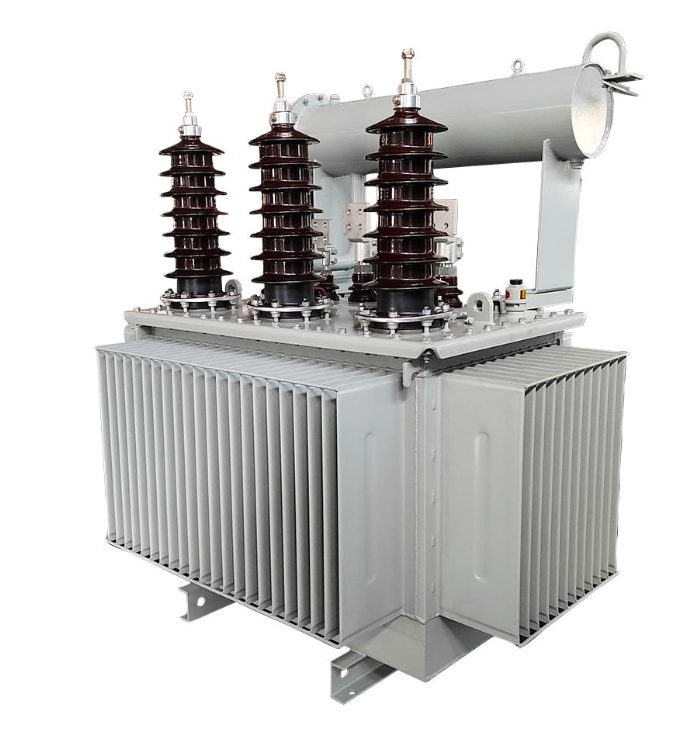
Separate Turbine Transformers from the Main Substation Transformer
A wind project normally contains more than one transformer duty. Turbine step-up units connect individual generators to the medium-voltage collector network. The main substation transformer connects several collector circuits to the grid connection voltage. Auxiliary transformers supply control buildings, cooling, communications and station services. These units have different loading patterns, insulation interfaces and failure consequences.
IEC/IEEE 60076-16:2018 applies specifically to transformers used to connect a wind turbine generator to a wind-farm collection system or adjacent distribution network, with stated scope limits. It does not cover the main transformer that connects multiple turbines to a transmission or distribution system. The purchase specification should identify which duty is being procured and call up the applicable transformer standards accordingly.
| Project input | Transformer decision | Risk if omitted | Required procurement evidence |
|---|---|---|---|
| Turbine and converter data | Loading, harmonics and reactive-power capability | Unexpected heating or restricted plant output | Converter spectrum and operating envelope |
| Collector voltage and cable network | Winding voltage, vector group and insulation coordination | Incompatible equipment or resonance exposure | Approved single-line diagram and cable study |
| Grid fault level | Transformer impedance and switchgear duty | Excessive fault current or poor voltage performance | Minimum and maximum short-circuit cases |
| Reactive-power requirement | Tap range and plant voltage-control strategy | Failure to meet connection-point obligations | Power-flow study and controller philosophy |
| Site climate and altitude | Cooling, clearances, insulation and enclosure details | Derating, overheating or flashover risk | Project environmental design basis |
| Road, bridge and crane limits | Shipping split and accessory arrangement | Delivery delay or unsafe handling | Route survey and lifting plan |
Build the Argentina Wind Farm Transformer Duty from Power-Flow Studies
The nameplate rating should cover the credible operating envelope, not only the installed turbine megawatts. The study needs active and reactive power at different wind conditions, collector-system losses, auxiliary demand, curtailment modes, capacitor or reactor switching and any grid-support duty. A wind farm may be required to exchange reactive power even when active output is low. That can produce winding current and losses that are not obvious from an active-power-only calculation.
Define continuous, cyclic and emergency loading separately. If the project expects temporary overload following the loss of a parallel transformer or collector circuit, state its magnitude, duration, initial temperature and cooling availability. Do not turn a contingency requirement into an informal assumption. The manufacturer needs an explicit duty to evaluate winding hot-spot temperature, accessory ratings and cooling stages.
Do not hide uncertainty inside an oversized MVA value
An oversized transformer can add no-load losses, increase magnetizing inrush and raise procurement and transport cost. An undersized unit can limit export, accelerate insulation ageing or operate cooling equipment continuously. The bid package should distinguish committed turbine capacity, possible future phases and required contingency margin. This allows bidders to explain the basis of their rating rather than applying unrelated margins.
Coordinate Voltage Ratio, Tap Range and Plant Control
The approved connection agreement and utility studies must provide the point-of-connection voltage, operating range, fault level, earthing method and voltage-control obligations. Do not infer these values from Argentina’s general network characteristics or another project. The transformer ratio and tap range need to work with turbine converters, the plant power controller, collector cable voltage rise and reactive-power devices.
An on-load tap changer may be appropriate for the main substation transformer when the project must regulate the collector voltage through changing export and grid conditions. The specification should state the regulated winding, tap range, step size, normal target, control mode, parallel operation and limits on unnecessary tap operations. Where the grid operator controls voltage or reactive power, define the signal and responsibility boundary between the plant controller and transformer tap-changer controller.
Transformer impedance affects fault current, voltage regulation and dynamic response. Selecting impedance only to reduce switchgear duty can increase voltage variation. Selecting a very low value to support voltage can raise fault current beyond collector switchgear ratings. The EPC contractor should freeze impedance after checking maximum and minimum grid strength, collector cables, generator contribution and protection coordination.
Evaluate Harmonics, Switching and Resonance
Power-electronic converters introduce harmonic currents, while collector cables and reactive-power equipment create frequency-dependent impedance. The transformer supplier needs the harmonic current spectrum at the transformer terminals, not only a total harmonic distortion percentage. Individual frequencies matter because additional winding and stray losses do not rise uniformly.
The harmonic study should cover credible turbine operating points, capacitor and reactor configurations, grid impedance variation and any harmonic filters. If the final converter model is unavailable at tender stage, define conservative study cases and a controlled update point. A generic phrase such as “suitable for wind farm harmonics” is not an acceptance criterion.
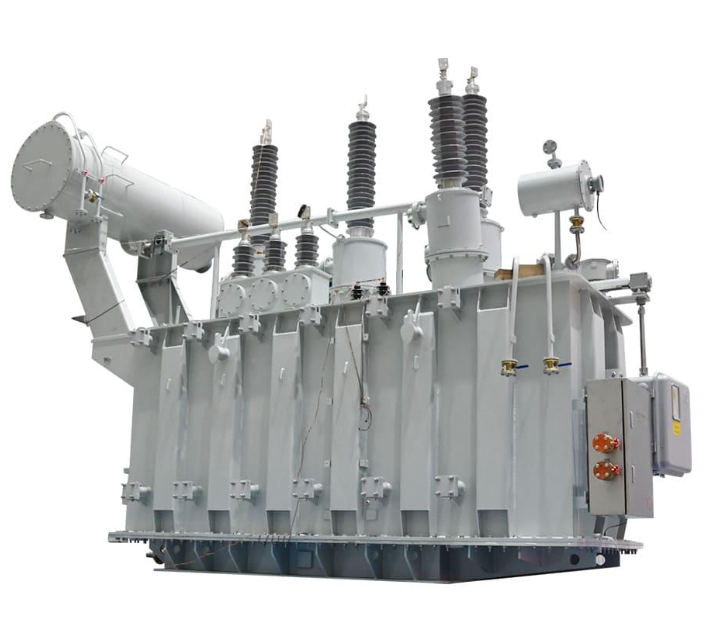
Specify Environmental Conditions from the Actual Site
Wind farms are often placed where exposure is severe. The project basis should provide minimum and maximum ambient temperatures, daily variation, altitude, wind speed used for mechanical design, solar radiation, dust, salt contamination, precipitation and icing where applicable. High wind can improve natural heat transfer in some conditions but it also imposes mechanical loads and drives dust or salt into cabinets. It should not be treated as guaranteed cooling capacity.
Altitude can affect external insulation clearances and cooling performance. Low temperature affects oil viscosity, gaskets, mechanisms and auxiliary equipment. Coastal exposure changes coating systems and the protection needed for marshalling cabinets and fasteners. The specification should state the site data and required service life for the coating system without claiming a universal “Argentina climate.”
For auxiliary and control cabinets, review enclosure protection, anti-condensation heaters, filtered ventilation, cable glands and sunshields together. A high IP rating alone can trap heat. The owner should state whether cabinet doors may be opened during maintenance under prevailing dust and wind conditions and whether space-heater supply is available before energization.
Design the Earthing and Protection Interfaces
The main transformer vector group and neutral arrangement must match the collector-system earthing study and grid protection philosophy. State neutral grounding equipment, expected earth-fault current and duration, current-transformer locations and ownership of neutral conductors. A missing interface can produce an earth-fault path different from the one used in relay settings.
Protection normally involves transformer differential, restricted earth fault where applicable, overcurrent, earth fault, temperature, pressure and oil-level functions. The trip matrix must identify whether each operation trips the transformer breakers, collector feeders, turbines or the complete plant. CT ratios, classes, secondary ratings and knee-point or accuracy requirements should be frozen before transformer drawings and protection panels are released.
Switching studies should consider transformer energization from the grid and from any alternative source. Inrush current and sympathetic inrush can affect protection, voltage and nearby transformers. Define point-on-wave switching or pre-insertion measures only when supported by study results and an agreed equipment scope.
Compare Bids Using Losses and Guaranteed Performance
Wind-farm transformers operate across a variable load profile. Compare guaranteed no-load loss, load loss, auxiliary cooling power and reference conditions using the project’s energy valuation method. The transformer loss evaluation guide explains why two bids cannot be compared reliably when guaranteed values or temperatures use different bases.
Ask bidders to state tolerances, capitalization values used, cooler power at each stage and the guaranteed temperature-rise basis. The efficiency calculation should include expected years of operation and the actual probability distribution of loading. Purchase price remains important, but a lower price can be offset by higher lifetime loss or a configuration that restricts plant operation.
Prepare a Usable Procurement Datasheet
The following is a hypothetical filling example. It is not a real Argentine project and the values must not be copied without project studies.
| Field | Hypothetical entry |
|---|---|
| Duty | Main wind-farm substation transformer for multiple collector feeders |
| Rated power | Insert study-derived continuous and emergency MVA ratings |
| Voltage ratio | Insert approved collector and connection voltages |
| Tap changer | OLTC range and steps to be confirmed by power-flow study |
| Reactive duty | Insert leading and lagging operating envelope at each active-power case |
| Harmonics | Attach terminal current spectrum and resonance study cases |
| Environment | Insert measured/project values for altitude, temperature, wind, dust and salt |
| Grid data | Attach connection agreement, fault levels and earthing philosophy |
Plan FAT, Logistics and Site Handover
The inspection and test plan should link approved design data to routine tests, agreed type or special tests, tap-changer functional checks, cooling controls, alarms, trips and accessory wiring. Confirm ratio, vector group, winding resistance, losses, impedance and dielectric test scope against the adopted standards. If harmonic or unusual loading affects design, require the manufacturer to identify how the design review addresses it; do not invent a special test that has not been agreed.
Remote projects require early route and lifting studies. Record shipping dimensions, mass, center of gravity, oil-shipment condition, removable radiators and bushings, shock indicators, storage needs and crane clearances. The remote-project logistics checks are relevant, but Argentina-specific routes, permits and seasonal access must be confirmed by the project logistics team.
Before delivery, verify foundations, oil containment, rails, fire separation, cable trenches, earthing tails and maintenance access. If the transformer arrives before the substation is ready, define preservation inspections, auxiliary heater supply, pressure or nitrogen checks, desiccant control and responsibility transfer.
Argentina Wind Farm Transformer Procurement Checklist
- Approved single-line diagram and connection agreement.
- Active and reactive power-flow cases, including curtailment and contingency.
- Collector cable data, fault levels and earthing study.
- Converter harmonic spectrum and resonance assessment.
- Tap-control philosophy and plant-controller interface.
- Site altitude, temperature, wind, dust, salt and icing data.
- Guaranteed losses, impedance and temperature-rise basis.
- Protection CT schedule, alarm and trip matrix.
- Route survey, shipping split, crane study and storage plan.
- FAT witness points and final document requirements.
Request an Engineering Review
A reliable Argentina wind farm transformer procurement package connects grid requirements, turbine data, collector studies, environmental conditions and delivery constraints. The country and project capacity are only the starting point. The decisive inputs are the approved operating envelope and responsibility boundaries.
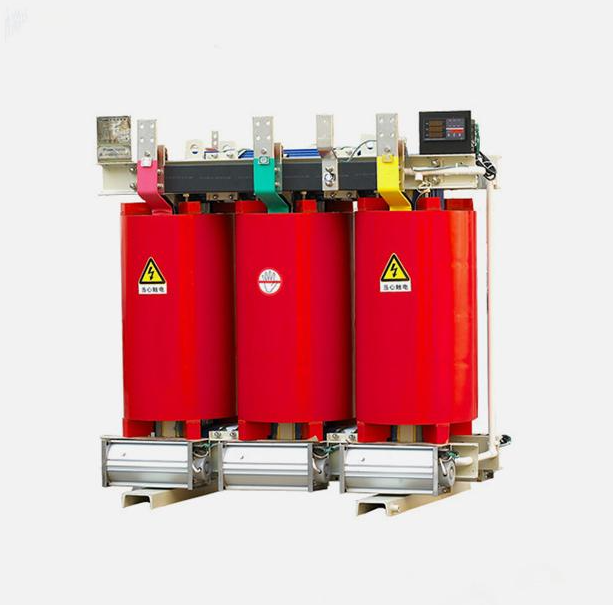
Zisheng Electric can review requirements for a 35 kV or 46 kV power transformer, coordinated medium-voltage switchgear and dry-type auxiliary transformers. Send the single-line diagram, load-flow and fault studies, converter data, connection agreement, environmental basis, layout, route survey and technical specification. Our engineering team will review the requirements and respond to project inquiries within 24 hours.
About ZISHENG ELECTRICAL
Zisheng are a professional 19+ years manufacturer in producing Oil-Immersed Transformers, Compact Substation, Pad Mounted Transformers, Pole Mounted Transformers and Dry Type Transformers. We own the certificates of ISO/CE/IEC 60076 and TUV Rheinland.
Transformers undergo rigorous FAT and type testing, support voltage/capacity customization. Welcome to consult for Catalog and Product. you can contact us at email [email protected].