Qatar District Cooling Transformer Selection: Phased Loads and Plant Restart
A district cooling plant can have its full mechanical capacity installed while only part of the surrounding development is occupied. That mismatch matters when buying transformers. In a technical enquiry to Zisheng Electric, the useful starting point is the electrical load in each operating stage, not the final refrigeration capacity printed on a master plan. Qatar district cooling transformer selection needs a connection schedule, a credible dispatch strategy and a defined restoration sequence.
The engineering question is direct: which transformer supplies which equipment, at what current, and for how long? If those answers change when a chiller is unavailable or a new building connects, the quotation must reflect the changed duty. A large nameplate alone does not settle it.
Define the Qatar Cooling-Service Boundary Before the Electrical Boundary
Qatar Cool describes centralized chilled-water production serving buildings through a distribution network. Its explanation of an indirect energy transfer station distinguishes the district circuit from the building circuit through a heat exchanger. For transformer procurement, that distinction prevents a common accounting error: putting customer-side equipment into the central plant load schedule, or omitting it from the building supply. Industry Reference: Qatar Cool — District Cooling and Building Cooling Interfaces.
Draw two boundaries on the single-line diagram. One identifies the electrical connection and metering point. The other identifies ownership of chillers, network pumps, energy transfer station controls and customer-side pumps. They need not coincide. Record the responsible party against every motor and auxiliary circuit before adding the connected kilowatts.
KAHRAMAA identifies a dedicated District Cooling Design and Water Management Code on its official website. That is a reason to obtain the applicable cooling requirements alongside the electrical connection documents, not a basis for inventing one universal transformer specification for Qatar. Ask the owner to identify the governing revisions and any project-specific departures. Official Utility Reference: KAHRAMAA — District Cooling Design Code.
Keep the supply voltage a confirmed project input
The RFQ should state the approved primary voltage, secondary voltage, frequency, earthing arrangement and available fault-level range. Do not substitute a familiar regional voltage ratio for the connection offer. The plant may have separate voltage levels for large chillers and smaller auxiliaries; a distribution transformer serving pumps is not automatically the transformer feeding the main refrigeration equipment.
Mark unconfirmed inputs as hold points with an owner and due date. A technically qualified quotation can be useful before those points close, provided its assumptions are explicit and the manufacturer is not released to build against provisional data.
Build a Qatar District Cooling Transformer Duty Schedule
Use operating states rather than one demand factor applied to the entire plant. Early customer occupancy, mature summer operation, storage charging and equipment maintenance can place different loads on the same transformer. The mechanical designer must identify the machines that actually run together; the electrical designer must map them to individual bus sections.
| Plant condition | Main transformer risk | Procurement check |
|---|---|---|
| Initial customer connections | Installed capacity greatly exceeds the operating load | State which transformers are energized and which future units remain isolated |
| Mature coincident cooling demand | Actual running current exceeds a diversified tender estimate | Provide simultaneous chiller, pump, fan and auxiliary input data |
| Thermal storage charging | Night operation creates an overlooked sustained load | Define charging duration, chiller dispatch and concurrent customer demand |
| One bus section unavailable | Transfer overloads the surviving transformer or switchboard | Identify allowed transfers, required load shedding and available continuous capacity |
| Restoration after supply interruption | Automatic restart produces an unacceptable voltage dip | Submit the approved restart sequence and individual starting-current profiles |
| Future plant extension | Additional equipment is connected to an already committed bus | Reserve a defined load block, feeder position and physical connection route |
A useful schedule includes duration as well as magnitude. Ten minutes of transferred duty and twelve hours of storage charging are different thermal cases. Record ambient conditions and cooling equipment availability for each. Avoid treating all contingency duty as a short overload simply because it is infrequent.
Do not convert refrigeration tons directly into transformer kVA
Refrigeration capacity measures cooling output. Transformer capacity concerns electrical apparent power. Start from equipment electrical input at the specified operating point, then include the relevant power factor and simultaneous auxiliary demand. Do not divide electrical input by motor efficiency again; that correction belongs only when the starting value is mechanical shaft output.
Consider an illustrative load block, not a Zisheng Electric project or a Qatar utility sizing rule. If its combined electrical input is 900 kW and its true power factor is 0.90, the apparent-power requirement is 1,000 kVA. At a hypothetical 0.415 kV three-phase bus, that corresponds to approximately 1,391 A, using I = S / (√3 × V). This arithmetic excludes starting duty, environmental rating adjustments and project margin. It is a checkpoint, not a final transformer selection.
A chiller efficiency figure expressed in kW per refrigeration ton also needs a boundary. Does it cover only the chiller, or the complete plant including cooling towers and distribution pumping? Two efficiency figures with different boundaries cannot support the same transformer calculation.
Thermal Storage Changes the Load Shape, Not Just the Peak
KAHRAMAA notes that thermal storage can smooth the district cooling load profile. The electrical implication is that a transformer may carry a sustained charging duty outside the period of maximum customer cooling demand. That implication must be tested against the actual dispatch model; it is not permission to reduce the installed electrical capacity by a fixed percentage.
Official Utility Reference: KAHRAMAA — What Is District Cooling?.
Ask for three time series on a common time axis: cooling supplied to customers, storage charging or discharging, and electrical demand at each transformer. Include pump operation when cooling is supplied from storage. A stored-cooling tank can reduce chiller operation during a selected interval while the network still needs electrical power to circulate water and maintain control.
The procurement decision is whether staged transformer installation, staged energization or a fixed fully energized arrangement best matches the operating plan. Each option has a consequence for access, switching, spare capacity and later construction beside operating equipment. Put those consequences into the evaluation instead of treating early low utilization as a defect that always requires a smaller unit.
Specify Chiller and Pump Electrical Inputs Together
A variable-speed drive changes the current drawn from the supply. It can reduce starting demand compared with a direct-on-line arrangement, but that does not make its input current sinusoidal. ABB identifies harmonics as a source of equipment heating and operational problems and discusses drive-based mitigation. The transformer review therefore needs the proposed drive configuration, not merely a statement that the plant uses VFDs.
Technical Reference: ABB — Harmonics in Drive Applications.
Request total RMS input current, true power factor and the harmonic spectrum at representative operating points. Include bypass operation where it exists. A bypassed pump can create a different starting case from normal drive operation, while a substitute drive offered late in procurement may change the harmonic assumptions used to evaluate the transformer.
Keep the study boundary clear. A limit at the utility connection point and the heating duty inside one transformer are related but are not the same acceptance criterion. For a separate critical-facility example of source and nonlinear-load coordination, see our UAE data center transformer selection guide; its project requirements should not be copied into a Qatar cooling specification.

Buy Cooling Continuity, Not an Unqualified N+1 Label
Qatar Cool describes standby cooling capacity as part of district cooling reliability. Electrical procurement must translate that objective into a working supply arrangement. A spare chiller offers little protection against loss of a common transformer feeding both the duty and standby machines. Industry Reference: Qatar Cool — Operational Efficiency.
Trace the path from the incoming supply through switchgear, transformer, motor-control equipment and plant controls. Identify which single failures interrupt the required cooling service. Then calculate the load on the surviving path, with any agreed cooling reduction made explicit. Do not assume that two incoming feeders are independent simply because they have different labels.
The restart sequence needs its own review. Establish auxiliary power, permissives and water circulation before releasing chiller starts in the order approved by the equipment suppliers. The exact timing belongs to the plant design. Transformer energization current and motor acceleration current are different events and should not be hidden inside a single arbitrary starting multiplier.
Choose the Installation Arrangement Against the Real Plant Layout
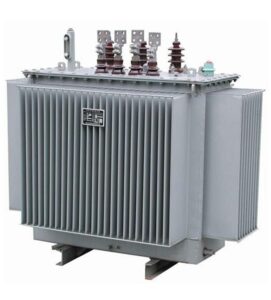
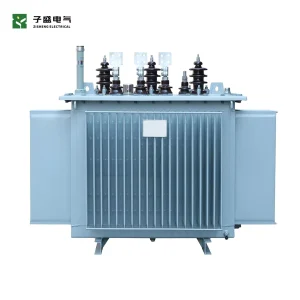
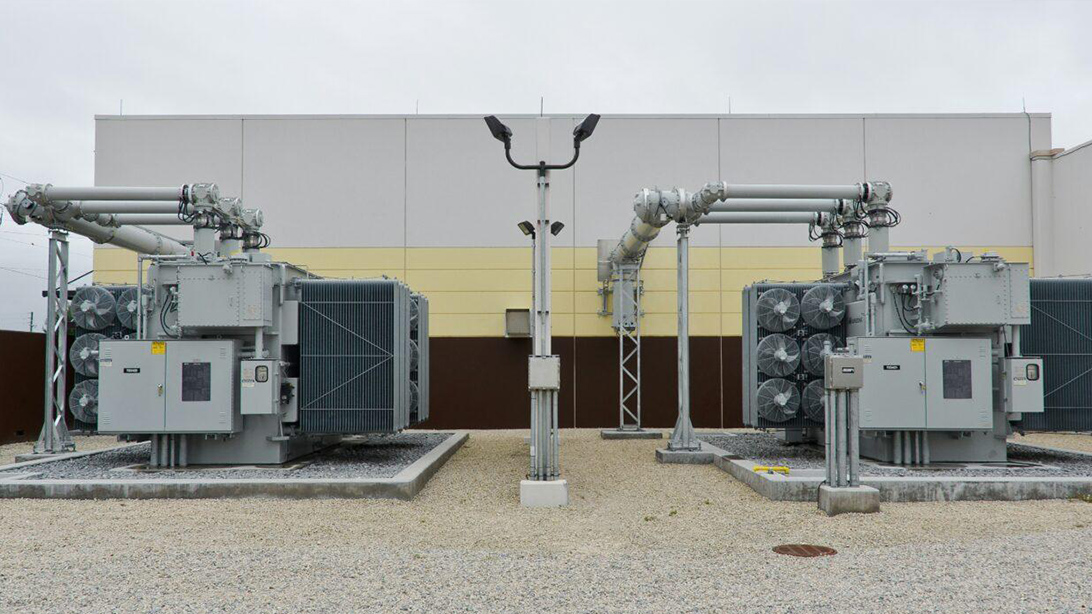
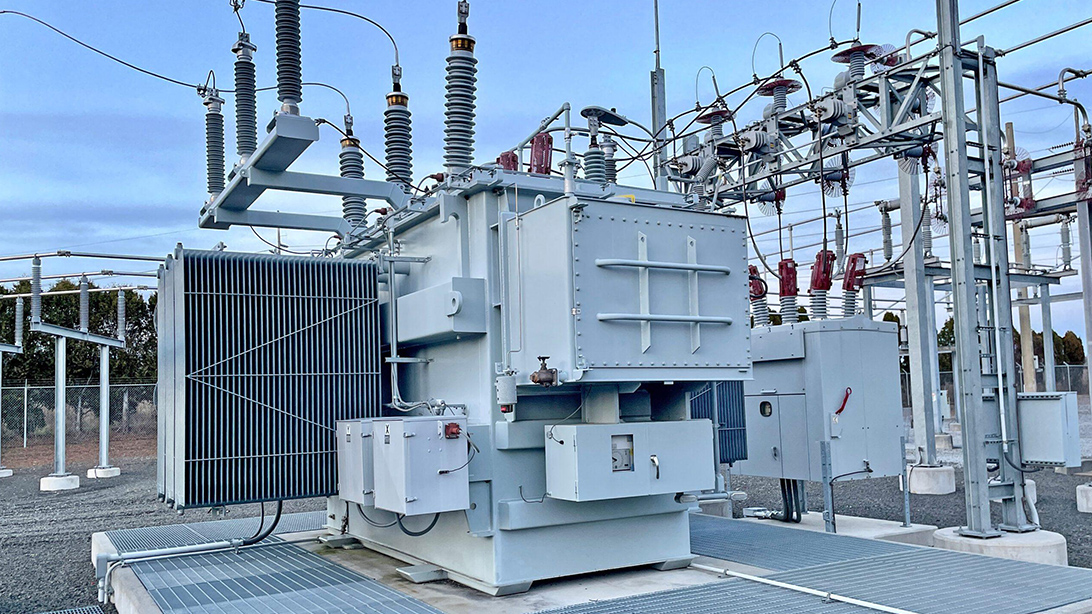
An outdoor oil-immersed transformer requires a coordinated fire strategy, containment where specified, radiator clearance and replacement route. An indoor dry-type transformer requires a room heat-rejection calculation, suitable enclosure arrangements and accessible inspection space. Neither option removes the need to review its actual cooling air conditions. The linked products are equipment examples, not a proposed Qatar voltage ratio or an approved plant rating; selection remains subject to the connection data and project review.
For a Qatar plant, obtain the contractual outdoor ambient profile, room inlet temperature, solar exposure and local contamination assessment. Where the transformer is near cooling-tower discharge, assess the potential wet or contaminated airflow at the proposed location. Where the site is exposed to airborne salts or dust, specify the required material, sealing and maintenance provisions from that exposure assessment. Country-wide assumptions are not a substitute for the plot plan.
During a transformer design review, a drawing that blocks radiator airflow or leaves no cable-termination working space is a design issue, not a finishing detail. Zisheng Electric’s project-specific transformer configuration options provide a starting point for discussing those interfaces. Final dimensions must still be tied to an approved arrangement.
Close the Commercial Offer With Verifiable Engineering Deliverables
| RFQ input or deliverable | Why it matters | Bid-review check |
|---|---|---|
| Operating-state load schedule | Defines real duty rather than final connected capacity | Supplier states the continuous and contingency rating basis |
| Approved connection data | Fixes voltage, frequency, earthing and source conditions | Assumptions and deviations are listed individually |
| Drive and starting data | Links thermal performance to pump and chiller behavior | Normal, bypass and restart cases are covered |
| Loss and impedance guarantees | Supports electrical studies and equipment comparison | Reference conditions and contractual tolerances are stated |
| FAT and inspection plan | Defines evidence required before dispatch | Tests, witness points and document acceptance are agreed |
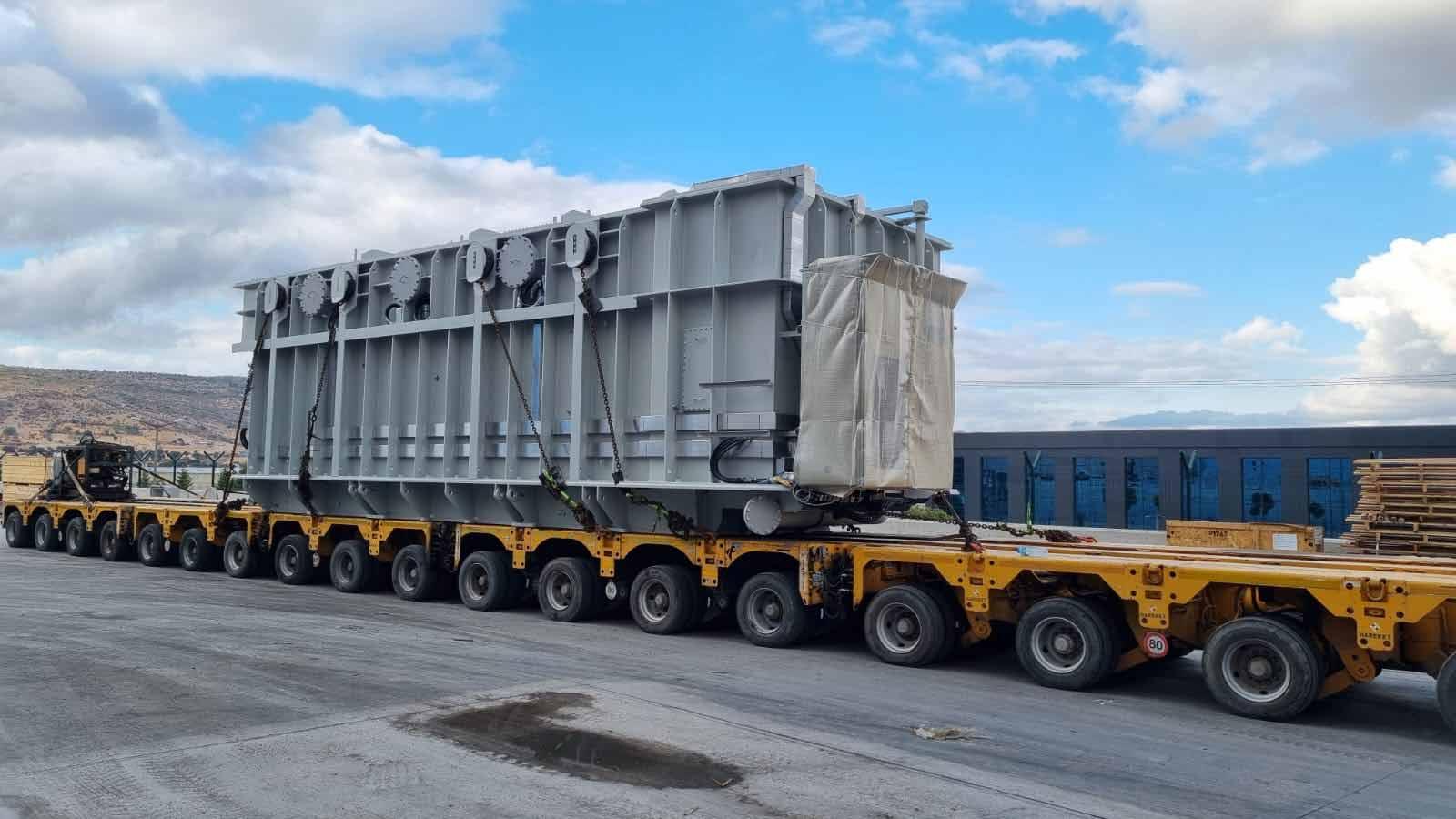
| Transport and installation envelope | Prevents delivery of equipment that cannot reach its position | Shipping mass, lifting provisions and clear access are confirmed |
FAT should verify the delivered unit against the agreed transformer datasheet and inspection plan. It does not by itself prove the plant’s full operating sequence or the utility connection performance. Assign the remaining system demonstrations to the appropriate site tests, with responsibilities agreed before equipment arrives.
Prepare a Decision-Ready Transformer Enquiry
For a Qatar district cooling transformer enquiry, send the single-line diagram, utility connection documents, chiller and pump schedules, phased customer-load forecast, storage dispatch profile and proposed plant layout. Include drive data, restart philosophy and the required cooling service during maintenance. These documents let engineering compare practical supply arrangements instead of quoting against an undefined capacity allowance.
About ZISHENG ELECTRICAL
Zisheng are a professional 19+ years manufacturer in producing Oil-Immersed Transformers, Compact Substation, Pad Mounted Transformers, Pole Mounted Transformers and Dry Type Transformers. We own the certificates of ISO/CE/IEC 60076 and TUV Rheinland.
Transformers undergo rigorous FAT and type testing, support voltage/capacity customization. Welcome to consult for Catalog and Product. you can contact us at email [email protected].