How to design protection and heat dissipation systems for transformers in desert environments
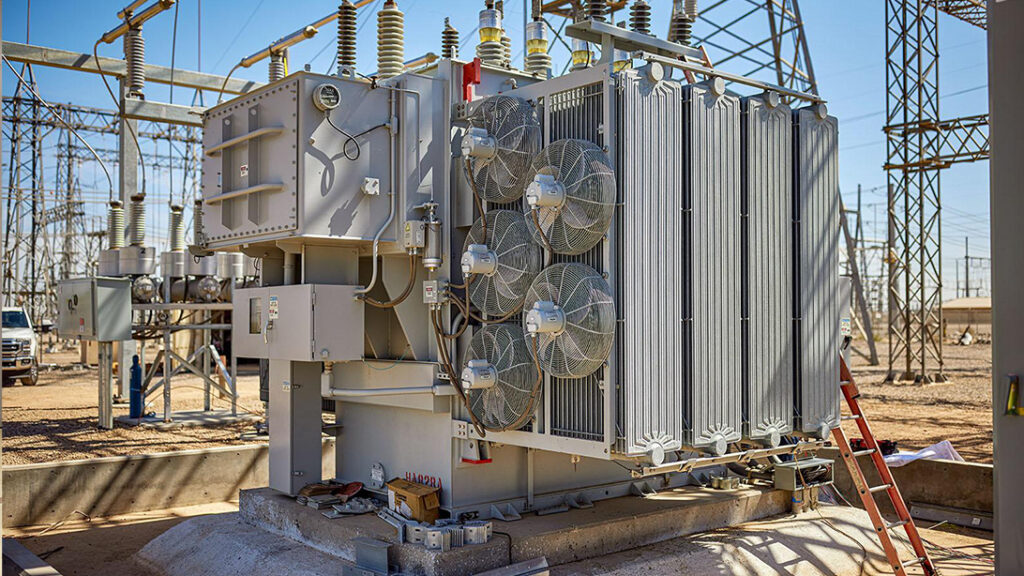
The engineering team at Zisheng Electric is often asked the same question during project visits:
“What is different about the transformers you provide for desert environments compared with conventional products?”
Behind this question lies the real experience of Middle East customers accumulated over decades.
In desert regions, ambient temperatures can rise to 55°C, ground surface temperatures can exceed 80°C, and a single sandstorm can cover equipment with several kilograms of dust within half an hour.
Operating transformers in such environments means that cooling performance and protection capability are not optional improvements — they are the factors that determine whether the equipment can operate reliably.
Let’s break it down.
Heat Is Not the Only Challenge
The desert environment attacks transformers through a combination of factors.
Heat is the most visible challenge. Rising ambient temperatures increase winding hot-spot temperatures and accelerate thermal aging of insulation materials. According to the IEEE C57.91 thermal aging model, insulation life decreases significantly as hot-spot temperature increases. The classic rule in IEEE C57.91 is that when the winding hot-spot temperature is around 98°C, the relative aging rate is defined as 1. For every additional 6°C increase, the insulation aging rate approximately doubles, meaning the expected insulation life is reduced by half.
Sand is the hidden threat. Dust particles with a diameter of 1–10 microns can easily penetrate weak points in ordinary sealing structures. Once these particles enter the transformer, they can accumulate on the surfaces of the windings and core, acting like a layer of thermal insulation material around the equipment and further reducing heat dissipation efficiency.
Ultraviolet radiation creates a long-term impact. Continuous exposure to strong sunlight accelerates coating aging and cracking. A transformer enclosure that originally meets an IP55 protection level may fail to maintain the same protection performance after years of harsh exposure.
Therefore, the design philosophy of a desert transformer is not about optimizing a single factor. It requires simultaneous improvement in three areas:
- Thermal management
- Dust-proof sealing
- Weather-resistant materials
Only by strengthening all three aspects can reliable long-term operation be achieved.
Cooling System: Forced Air Cooling Is Not the Only Solution
Conventional oil-immersed transformers often rely on fin radiators for natural cooling. This approach can work in moderate or tropical environments.
However, in desert regions, the temperature difference driving natural convection is significantly reduced, causing cooling efficiency to drop sharply.
Our design approach focuses on three steps.
Step 1: Increase Cooling Margin
For the same capacity rating, a desert-type transformer requires a larger heat dissipation capacity than a conventional design.
Typically, the radiator surface area is increased by 30%–50% compared with standard designs.
For example, for a 33/11kV-20MVA transformer, a conventional design may use 22 radiator groups, while our desert solution uses 32 groups.
The additional 10 radiator groups provide extra thermal safety margin for extreme conditions.
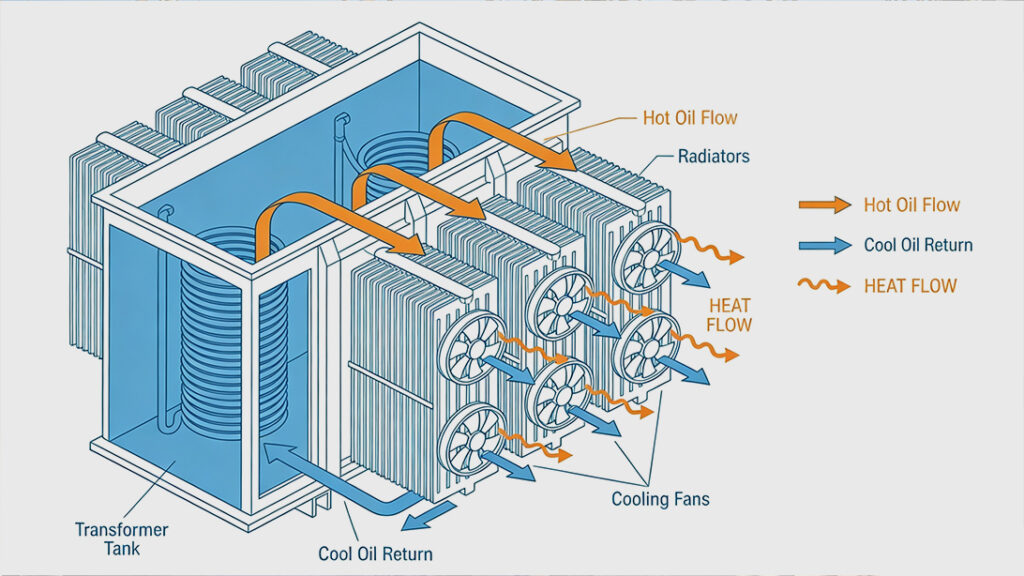
Step 2: Use Forced Cooling as Supplementary Support
High-efficiency axial fans are installed at the bottom of the radiators. The temperature control system automatically starts and stops the fans according to the top oil temperature.
Fan operation is controlled based on:
- Top oil temperature
- Transformer loading condition
The purpose is to intervene before temperatures rise excessively.
The fans themselves require desert adaptation:
- Dust-resistant design
- Sealed, maintenance-free bearings
- Double-layer stainless steel mesh filters
- Replaceable synthetic fiber filter elements
These measures help maintain cooling efficiency while reducing maintenance requirements in dusty environments.
Step 3: Optimize Oil Flow Direction
Under desert operating conditions, oil viscosity changes significantly with temperature.
To improve cooling efficiency, we install internal oil guide structures inside the transformer tank to force the oil flow through the hottest winding areas before entering the radiators.
This detail is often overlooked by manufacturers, but it has a significant impact on reducing winding hot-spot temperature.
Measured performance data:
Under:
- Ambient temperature: 50°C
- Continuous full-load operation
Our desert-type transformer achieves:
- Top oil temperature reduction of 12–15°C compared with conventional designs
- Winding hot-spot temperature controlled below 105°C
Protection System: Sealing Is the Foundation, Materials Are the Guarantee
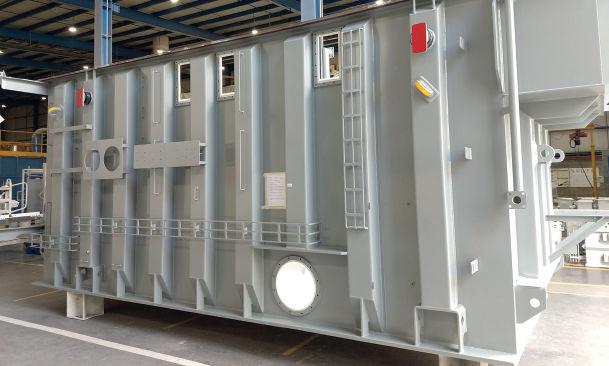
Cooling solves the problem of survival. Protection determines how long the transformer can continue operating reliably.
The sealing system is the first line of defense for a desert transformer.
For all static sealing points, we adopt a double sealing groove design. The primary sealing ring uses HNBR hydrogenated nitrile rubber, while the secondary sealing ring uses fluororubber (FKM). These two materials complement each other in terms of temperature resistance, aging resistance, and dust resistance.
For dynamic sealing points, such as the drive shaft of the on-load tap changer, we use a combined solution of magnetic fluid sealing and labyrinth sealing to completely eliminate potential dust penetration paths.
For auxiliary control cabinets, terminal boxes, and outdoor accessories, the protection level can be upgraded to IP65/IP66 according to project requirements.
IP66 means the equipment can withstand powerful water jets. Some customers may ask: there is very little water in desert environments, so why require such a high protection level?
The reason is not rainfall protection alone. During maintenance, high-pressure air blowing is often used to remove accumulated sand and dust. The IP66 design ensures that high-pressure airflow will not force dust particles into the enclosure.
The coating system is another commonly underestimated factor.
We use a three-layer coating system:
- Primer layer: Zinc-rich epoxy primer
- Intermediate layer: Epoxy micaceous iron oxide coating
- Top coating: Polyurethane acrylic resin
The total dry film thickness is no less than 280 microns.
The top coating contains UV-resistant additives, and accelerated aging tests demonstrate performance of more than 3,000 hours without blistering or chalking.
Comparison of Key Protection and Cooling Design Solutions for Desert Transformers
| Design Aspect | Conventional Transformer Design | Desert Environment Optimization Solution | Engineering Value |
|---|---|---|---|
| Ambient Temperature Design | Normally designed according to a 40°C standard environment | Thermal calculations based on actual project climate data, considering 50°C or higher ambient temperatures | Reduces winding hot-spot temperature and prevents long-term overheating |
| Thermal Design Margin | Designed to meet standard temperature rise requirements at rated capacity | Increased cooling margin, optimized tank structure, radiator capacity, and oil flow paths | Improves stability under high-temperature and high-load operation |
| Cooling Method | Small and medium capacity units typically use ONAN natural oil circulation cooling | Uses ONAN + ONAF forced cooling according to capacity, with automatic fan operation based on oil temperature | Enhances cooling capability under extreme heat conditions |
| Radiator Design | Heat dissipation area designed according to standard environmental conditions | Increased radiator surface area, optimized fin spacing, reduced sand accumulation impact | Improves heat dissipation efficiency and reduces oil and winding temperature rise |
| Oil Circulation Design | Standard oil circulation structure | Optimized internal oil guide structures to ensure oil flow through high-temperature winding areas | Reduces winding hot-spot temperature and extends insulation life |
| Insulation System Design | Insulation materials selected according to standard environments | Increased thermal margin and optimized insulation material configuration for high-temperature operation | Slows insulation aging and improves long-term reliability |
| Enclosure Protection Design | Standard outdoor protection structure | Enhanced enclosure sealing and dust protection, with upgraded protection level according to project requirements | Prevents dust ingress and reduces maintenance frequency |
| Sealing System | Standard rubber sealing structure | High-temperature and aging-resistant sealing materials with reinforced flange sealing design | Reduces oil leakage risks during long-term operation |
| Corrosion Protection Design | Standard industrial anti-corrosion coating | Enhanced coating systems according to environmental conditions, suitable for coastal and high salt-fog areas | Extends outdoor service life |
| Accessory Selection | Standard outdoor accessories | Weather-resistant temperature indicators, oil level gauges, terminal boxes, and control components | Ensures long-term outdoor operating reliability |
| Breathing System | Standard silica gel breather | Moisture-resistant and dust-resistant breathing devices according to environmental conditions | Reduces moisture and dust entering the transformer tank |
| Maintenance Design | Inspection cycles based on normal environments | Increased inspection frequency and cleaning requirements according to high-temperature and dusty conditions | Reduces unexpected failure probability |
Installation and Maintenance: The Final Line of Defense
Even with optimized design and advanced manufacturing, installation quality and maintenance management remain critical factors determining the long-term reliability of desert transformers.
A well-designed transformer can still experience premature problems if:
- The foundation is not properly prepared
- Cable connections are not correctly installed
- Cooling equipment is not commissioned properly
- Regular cleaning and inspection are neglected
Therefore, for desert projects, transformer reliability is not only achieved through product design. It requires a complete lifecycle approach covering:
Design optimization → Manufacturing control → Installation guidance → Preventive maintenance
Only through this complete system can transformers maintain stable operation under extreme desert conditions for decades.
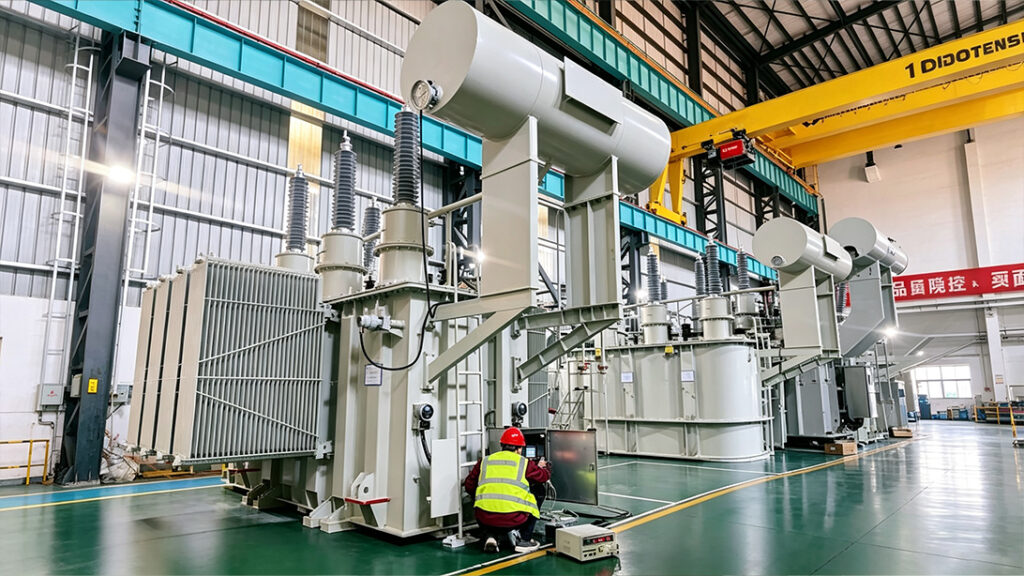
Even the best design can lose its effectiveness if on-site installation is careless by just one inch.
For desert projects, we require the installation team to pay special attention to three key points.
First, the foundation height.
The transformer foundation should be at least 500 mm above ground level to reduce direct heat transfer from the desert surface to the bottom of the transformer tank.
Second, maintain sufficient space around the radiators.
Adequate airflow channels must be reserved around the cooling system to allow regular high-pressure air cleaning for sand removal.
We generally recommend performing this cleaning operation every two weeks in severe desert environments. In many cases, regular cleaning is more effective than relying only on sealing design, because accumulated dust can significantly reduce heat dissipation performance.
Third, select accessories suitable for desert conditions.
Oil level gauges and temperature indicators should be equipped with sand protection covers. Otherwise, the viewing windows can become scratched and unclear within a short period due to continuous dust impact.
There is another issue that is easy to overlook: oil filling operation.
Desert regions often experience extremely large temperature differences between day and night. If oil is filled to the standard level during the daytime, when the temperature drops significantly at night, the oil volume contracts and the oil level may fall below the minimum scale line.
Therefore, our operation procedure requires:
Oil filling should preferably be performed during the lowest ambient temperature period, using the low-temperature oil level as the reference point.
This small detail is often overlooked, but it directly affects long-term oil level monitoring reliability.
Real Feedback from Middle East Projects
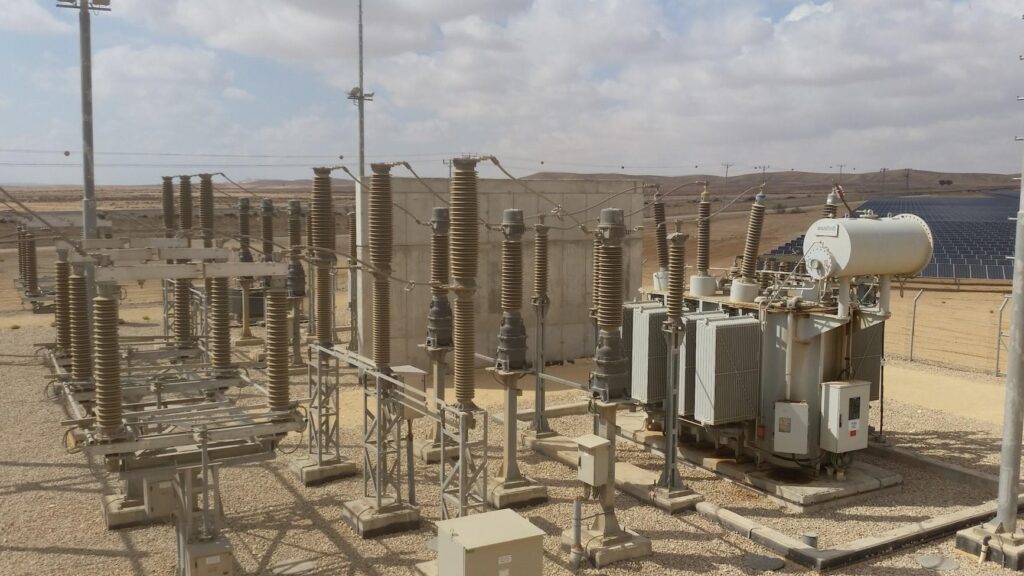
Last year, we delivered a batch of desert transformers for a distribution project in the UAE. The specifications were 33/0.415kV-2.5MVA, with a total of 12 units supplied.
After one year of operation, the customer conducted transformer oil sample analysis. The dissolved gas analysis results were normal, and no abnormal increase in furan content was detected.
The customer’s operation and maintenance manager said something that left a deep impression on me:
“Previously used transformers started showing oil leakage problems after around three years. For this batch, even after one year of operation, the amount of sand and dust accumulation on the tank surface is noticeably lower than the surrounding equipment.”
This result was consistent with our original design philosophy.
Good sealing naturally reduces oil leakage risks; a smooth and durable surface coating prevents dust from easily attaching to the equipment surface.
There is no mystery behind desert transformer design. It is about making every detail right — every sealing gap, every cooling passage, and every micron of coating thickness.
The engineering team at Zisheng Electric has accumulated operational data from more than 200 desert transformers per year in Middle East desert regions, proving that this design approach is reliable and practical.
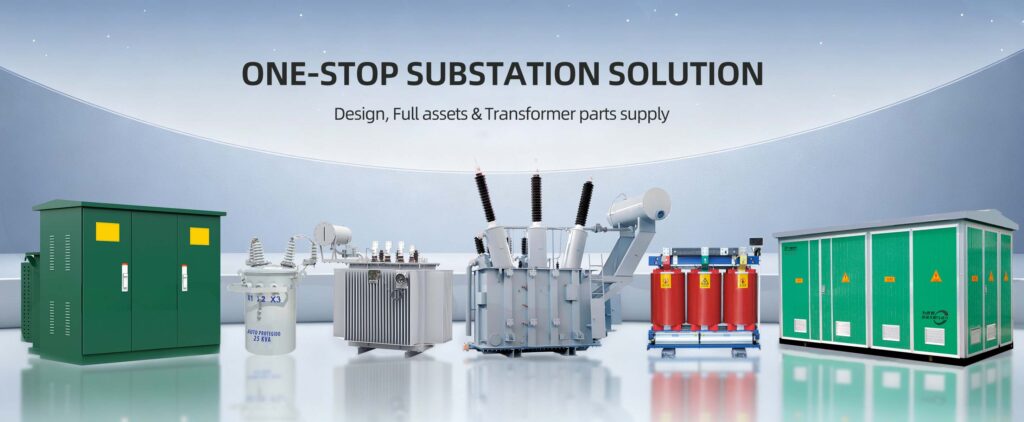
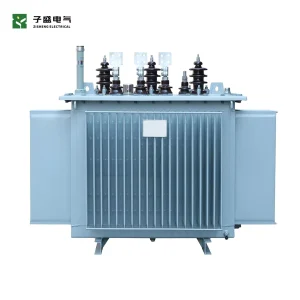
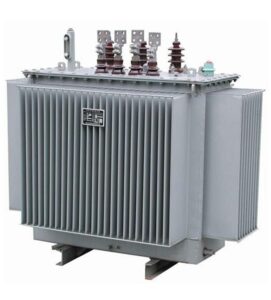
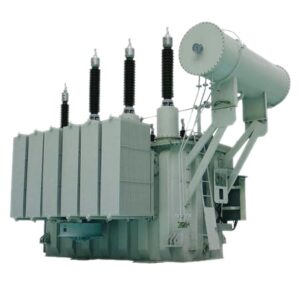
Our product portfolio includesOil-Immersed Transformers, Compact Substation, Pad Mounted Transformers, Pole Mounted Transformers and Dry Type Transformers.
The company has obtained 22 utility model patents and 3 software copyrights, is certified under the ISO 9001 Quality Management System, and complies with relevant IEC standards for transformer design and manufacturing.
Based on your specific capacity requirements, voltage levels, and local climate data, we can provide customized thermal simulation analysis and protection design solutions.
Zisheng Electric — Professional Desert Transformer Manufacturer, Ensuring Reliable Transformer Operation in Extreme Environments.
About ZISHENG ELECTRICAL
Zisheng are a professional 19+ years manufacturer in producing Oil-Immersed Transformers, Compact Substation, Pad Mounted Transformers, Pole Mounted Transformers and Dry Type Transformers. We own the certificates of ISO/CE/IEC 60076 and TUV Rheinland.
Transformers undergo rigorous FAT and type testing, support voltage/capacity customization. Welcome to consult for Catalog and Product. you can contact us at email [email protected].