Case Study of Saudi Arabia 2500kVA Oil-Immersed Transformer Project: EPC High-Temperature Environment Selection and Long-Term Operation Optimization Experience
I am an engineer from Zisheng Electric. I have been working in the transformer industry for more than ten years and have traveled to many domestic and overseas project sites. In recent years, while working on projects in the Middle East, I have noticed a common issue: many EPC projects provide complete technical specifications when purchasing transformers, and all factory test reports show qualified results. However, our field experience tells us that many problems do not occur during the manufacturing stage. Some equipment passes all factory inspections, operates normally after installation and energization, but real issues gradually appear after two or three years of operation.
For example, problems such as high oil temperature, reduced cooling efficiency, and accelerated insulation aging often emerge over time. Tracing these issues back to the root cause, many of them are related to the early-stage evaluation of site environmental conditions.
Last year, we participated in a power distribution upgrade project for an industrial park in eastern Saudi Arabia, where we supplied seven units of 2500kVA oil-immersed transformers and were responsible for preliminary technical confirmation, production testing, and on-site installation support.
This was a typical Middle East industrial EPC project. The EPC contractor was responsible for the overall design, procurement, construction, and commissioning. The transformers were used to supply power to production equipment, auxiliary power systems, and the plant-wide distribution network of the industrial facility.
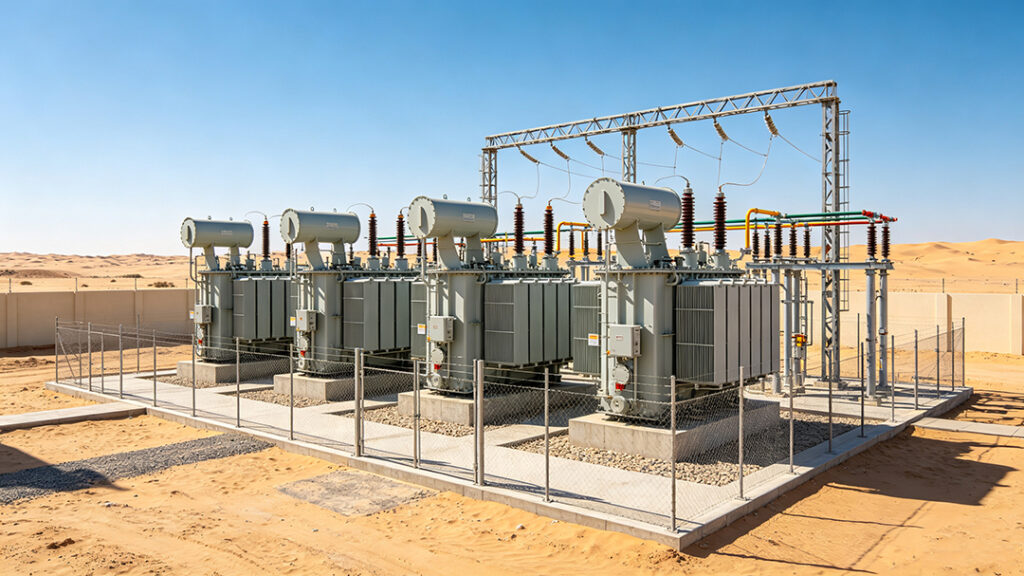
The technical specification does not look complicated. 33kV medium-voltage incoming supply, 0.4kV low-voltage output, 2500kVA capacity, and compliance with the IEC 60076 standard. The design institute completed the load calculations, and the capacity configuration met the project requirements.
However, during our review of the technical documents, we noticed one detail. The project design was based on the standard ambient temperature of 40℃, but the actual installation location was in eastern Saudi Arabia, which has a typical hot and dry climate. During summer, the daytime maximum temperature often exceeds 45℃. The equipment was installed in an open area without shading, and under direct afternoon sunlight, the transformer enclosure temperature could rise significantly above the ambient air temperature.
This configuration would have no problem in a normal industrial environment. But Saudi Arabia is different. In long-term high-temperature regions like this, if the goal is to achieve stable operation for more than 15 years, it is not enough to only check whether the capacity meets the requirements. The temperature rise, losses, and cooling design must also be re-evaluated to ensure they match the actual operating conditions.
1. Basic Project Information
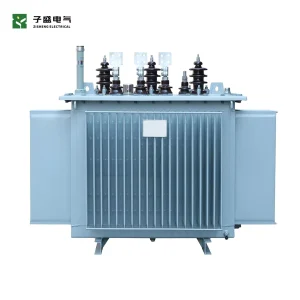
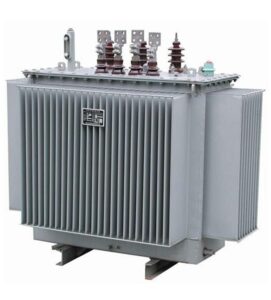
Seven units of 2500kVA oil-immersed distribution transformers were installed to provide low-voltage distribution power for the industrial park.
Project Location: Eastern Industrial Park, Saudi Arabia
Project Type: Industrial Plant Power Distribution Upgrade
Project Mode: EPC Turnkey Project
Power Supply System: 33kV/0.4kV
Number of Transformers: 7 units
Rated Capacity per Unit: 2500kVA
Total Capacity: 17500kVA
High Voltage Side Voltage: 33kV
Low Voltage Side Voltage: 400V
Frequency: 60Hz
Cooling Method: ONAN
Vector Group: Dyn11
Impedance Voltage: 6%
Insulation Class: Class F
Applicable Standard: IEC 60076
Installation Environment: Outdoor, high temperature, and dusty conditions
2. Capacity Is Sufficient, So Why Make Adjustments?
Let’s look at the load calculation. We rechecked the project’s maximum calculated load. The total capacity of the seven 2500kVA transformers is 17,500kVA, and the overall capacity margin is sufficient. From a capacity perspective alone, there is indeed no issue.
However, the biggest difference between overseas projects and ordinary domestic industrial projects is precisely the operating environment.
In a previous UAE project, the oil temperature during summer operation was nearly 8℃ higher than the design value. After reviewing the project, we found that the environmental correction factors had not been fully considered during the design stage. The equipment operated normally during the initial commissioning period. But after three to five years? Problems gradually appeared, including higher temperature rise, accelerated insulation aging, and increased maintenance frequency. In many cases, the issue is not poor manufacturing quality, but insufficient consideration of local operating conditions during the design phase.
Many people understand that high-temperature environments consume temperature rise margin. But what about the cumulative impact of long-term full-load operation on insulation? What about the additional temperature rise caused by outdoor solar radiation? What about the gradual decline in cooling efficiency caused by dust accumulation on the equipment surface? These factors are often overlooked during the design stage and only begin to appear after three to five years of operation.
Therefore, our recommendation to the EPC team was not simply to increase the transformer capacity. Upgrading all seven units to a higher capacity level would significantly increase costs, and the owner would not approve such an approach. Instead, we adopted a different strategy — do not increase capacity, optimize the design. The goal was to make the 2500kVA transformers truly adapt to the local environment, rather than forcing the environment to accommodate the equipment.
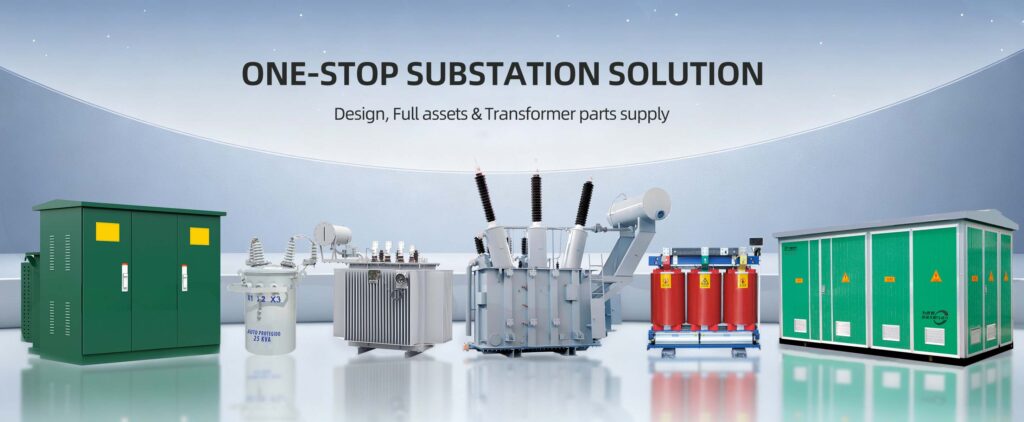
Our company has extensive experience in overseas EPC projects, providing oil-immersed transformers, dry-type transformers, and compact substations. For high-temperature regions such as Saudi Arabia, we generally prioritize oil-immersed transformer solutions, improving long-term reliability by optimizing the tank structure, cooling design, and insulation system. For applications with higher fire safety requirements, such as airports, commercial buildings, and data centers, we select dry-type transformers instead.
3. What Adjustments Were Made for the High-Temperature Environment in Saudi Arabia?
During the technical confirmation stage, we communicated with the EPC team through several rounds of discussions. In the end, three key areas of adjustment were finalized.
(1) Temperature Rise Margin
The original design was based on standard environmental conditions: top oil temperature rise of 55K and average winding temperature rise of 65K. After reviewing the actual site conditions and performing calculations, we felt that the margin was insufficient. We recommended reducing the top oil temperature rise to below 50K and controlling the winding temperature rise within 60K.
Simply put, the equipment should not be running at its limit every day. Short-term full-load operation is not a problem, but in regions like Saudi Arabia, high-load operation for more than ten hours every day is normal. Insulation materials, oil temperature, and mechanical structures are all under additional stress. Over time, this leads to reduced service life. This is a cost that needs to be calculated in advance.
(2) Cooling Structure
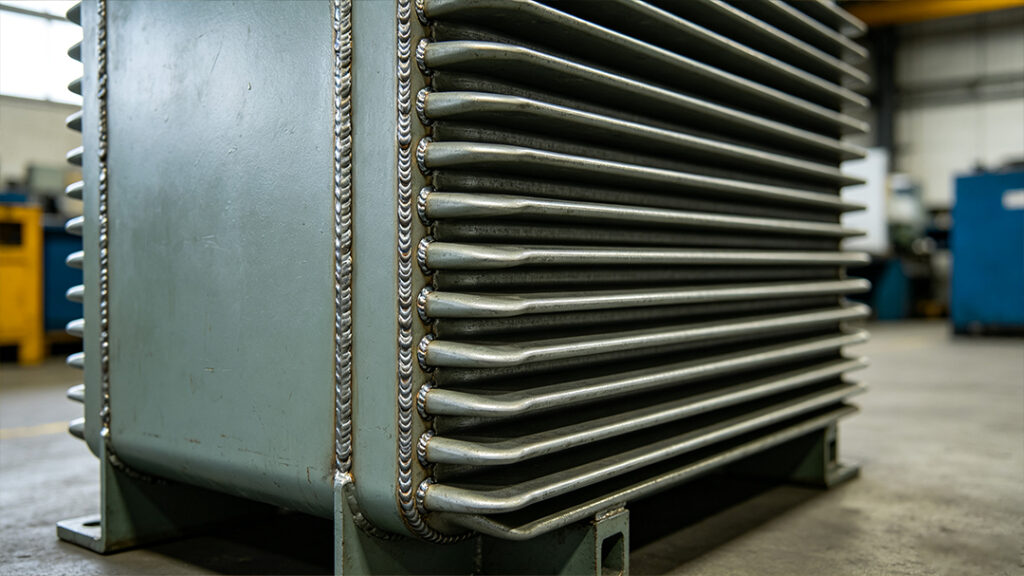
Several modifications were made based on Saudi Arabia’s environmental conditions. For the cooling system, we did not simply increase the heat dissipation area. Instead, we recalculated the oil flow path.
The optimization included the number of radiators, internal oil circulation inside the tank, and top oil temperature distribution. The goal was not just to reduce temperature temporarily, but to maintain stable temperature rise under Saudi Arabia’s long-term high-temperature conditions.
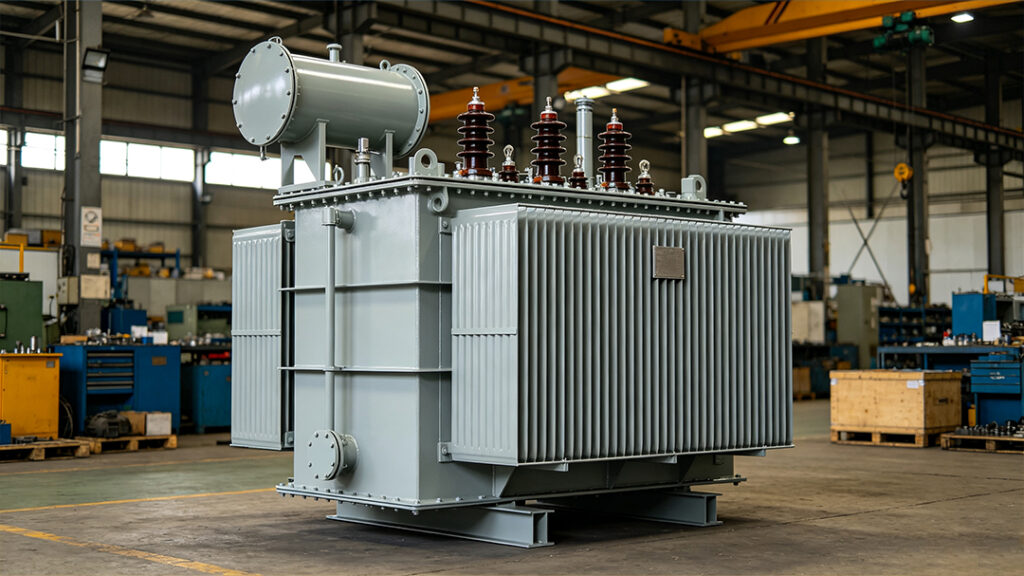
The purpose was to improve convection efficiency. The tank structure was changed to a fully sealed corrugated tank design, with significantly better thermal radiation performance compared with conventional designs.
These modifications may sound simple, but their impact is significant in high-temperature environments. We have encountered similar challenges in previous Middle East projects, which is why we pay particular attention to these details today.
Our exported transformers cover voltage levels from 10kV to 33kV, serving various applications including distribution networks, industrial projects, and renewable energy projects. Different markets have completely different priorities.
The same 2500kVA transformer installed in a normal domestic factory and one installed in the Saudi desert require completely different design approaches. Temperature rise levels, insulation performance, protection structures, loss requirements, and tank design all need to be adjusted according to actual site conditions.
There is no universal solution that works everywhere.
(3) Operating Losses
During the EPC procurement stage, equipment price is usually the primary concern. This is completely understandable — every project has a budget. However, the purchase cost of a transformer is only the beginning. The electricity consumed by the equipment over 20 years of operation represents another major cost, and in some cases, it can exceed the initial equipment investment.
Let’s take a simple calculation. For this 2500kVA transformer, we controlled the no-load loss within 2.1kW.
| Item | Parameter |
|---|---|
| Single transformer capacity | 2500kVA |
| No-load loss | ≤2.1kW |
| Annual operating hours | 8760 hours |
| Annual no-load loss energy | Approx. 18,400kWh |
| Industrial electricity price | 0.12 USD/kWh |
| Annual loss cost | Approx. 2,200 USD |
| 20-year cost | Approx. 44,000 USD |
With continuous operation throughout the year, the annual no-load loss energy consumption of one unit is approximately 18,400kWh. Based on a local industrial electricity price of 0.12 USD/kWh, the annual loss cost is around 2,200 USD. Over 20 years, this reaches more than 40,000 USD per unit.
For seven transformers, the 20-year no-load loss cost alone is close to 300,000 USD. And this does not even include load losses.
Therefore, we always recommend that project teams evaluate the total lifecycle cost rather than focusing only on the initial purchase price. A few thousand dollars difference in procurement cost becomes insignificant over a 20-year operating period. However, accumulated differences in energy losses can easily reach tens or even hundreds of thousands of dollars.
Without calculating this clearly, projects may face unexpected costs later.
4. What Exactly Changed After the Optimization?
The differences before and after adjustment are summarized below.
Environmental design condition: The original design was based on 40℃. We revised the calculation based on an environment above 45℃.
Top oil temperature rise: The original design was 55K. We reduced it to below 50K.
Winding temperature rise: The original design was 65K. We controlled it within 60K.
Tank structure: The original design used a conventional structure. We upgraded it to a reinforced fully sealed corrugated tank.
Cooling system: The original design used standard configuration. We increased the number of radiators and improved the thermal margin.
Loss requirements: The original design only needed to meet IEC standards. We optimized the performance beyond the basic standard requirements.
The biggest change was the design objective. The original goal was to pass delivery acceptance. We changed it to achieve long-term stable operation.
Simply put, the former focuses on delivering the equipment successfully, while the latter focuses on ensuring the equipment operates reliably for ten or twenty years. Anyone with field experience understands the difference between these two approaches.
5. FAT Testing: The Final Gate Before Shipment Must Be Controlled
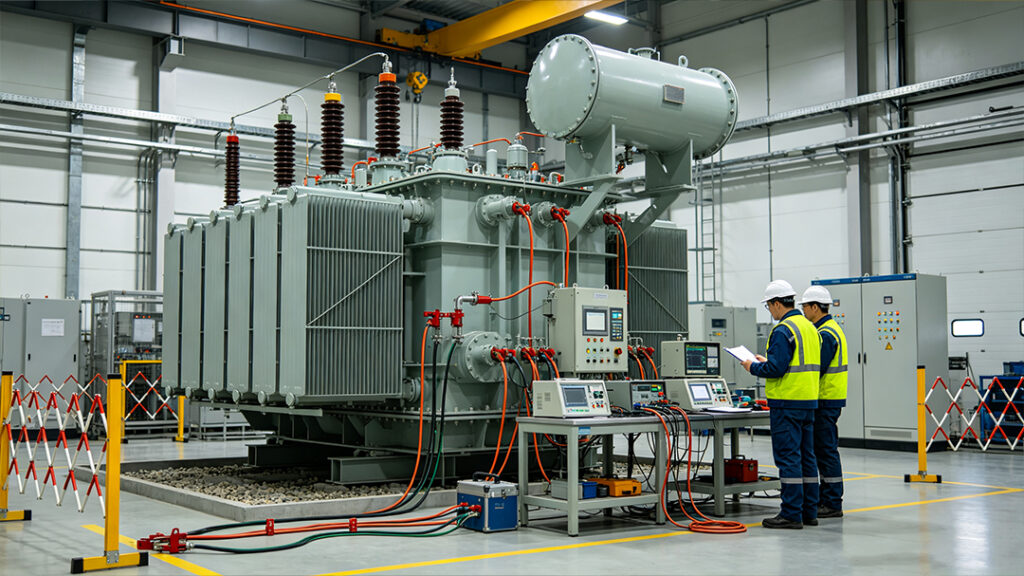
Overseas EPC projects place great importance on Factory Acceptance Testing (FAT).
Why? Because equipment shipped from China to the Middle East usually requires 30 to 40 days by sea. If problems are discovered after arriving at the site, the cost and time required for corrective actions can be unacceptable. Completing all inspections and tests before shipment is far more cost-effective than solving problems after installation.
Everyone understands this principle, but when project schedules become tight, some people may consider skipping certain procedures to save time. Our approach has always been: do not cut corners.
According to the IEC 60076 standard, we conducted a complete series of tests, including: winding resistance test, ratio test, no-load loss test, load loss test, short-circuit impedance test, power frequency withstand test, induced voltage withstand test, and leakage/sealing performance test. Not a single item was omitted.
Overseas EPC projects also have high requirements for document delivery. Complete technical documentation was provided with the equipment, including design drawings, factory test reports, type test documents, material certificates, and installation and maintenance manuals.
These documents are equally important during project acceptance and future operation and maintenance. They cannot be treated casually.
6. FAT Test Results
All seven transformers successfully passed factory testing, and all performance indicators met the project requirements.
Taking two units as examples:
Transformer No.1:
No-load loss: 1.86kW
Load loss (75℃): 18.1kW
No-load current: 0.21%
Impedance voltage: 6.02%
Power frequency withstand test: Passed
Transformer No.2:
No-load loss: 1.91kW
Load loss (75℃): 18.3kW
No-load current: 0.22%
Impedance voltage: 6.01%
Power frequency withstand test: Passed
The test results of the remaining five units were at the same performance level, and all transformers fully met the project technical requirements.
7. On-Site Installation and Energization
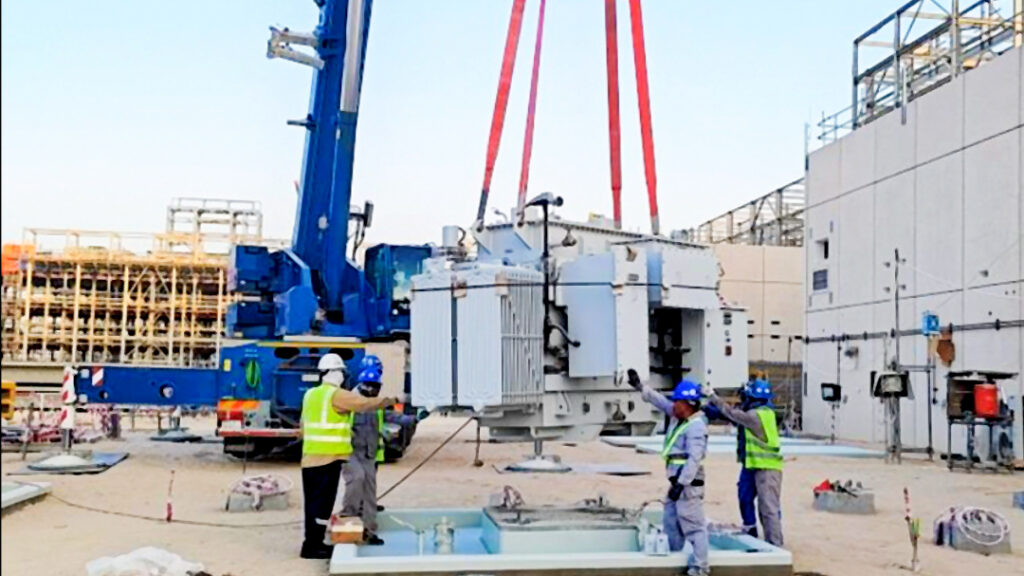
After the equipment arrived at the Saudi site, we participated in the unpacking inspection and installation guidance.
In overseas projects, many problems occur outside the manufacturing process, which is often overlooked. Transportation damage, improper on-site storage, and insufficient installation procedures can all create hidden risks.
Some problems may seem minor, such as a loose bolt caused during transportation. However, if the equipment is energized without inspection, it could potentially lead to a failure. Therefore, every necessary inspection must be carried out carefully.
The key points of the site inspection included: checking whether the tank/enclosure had any transportation damage, verifying that the high-voltage and low-voltage bushings were intact, confirming that the oil level was normal, checking whether all accessories were complete, and ensuring that the grounding system met the requirements.
Every transformer went through the complete inspection process.
After installation was completed, on-site testing and energization commissioning were carried out.
Before the first energization, everyone was still very cautious. The equipment had traveled more than 6,000 kilometers, and if any issue occurred on site, the troubleshooting cycle would be long, involving significant manpower and cost.
The seven transformers were energized in batches, and all of them were successfully energized on the first attempt. The operating parameters were normal.
To be honest, we were all relieved at that moment.
8. Operation Feedback
One year after commissioning, the EPC team provided feedback: the seven transformers have been operating stably.
Even during summer periods when the maximum temperature approached 47℃, the oil temperature, load conditions, and output voltage remained normal. There were no high-temperature alarms and no unexpected shutdowns.
This feedback was actually within our expectations, but hearing the confirmation still gave us confidence.
For industrial projects, stable operation is far more valuable than simply reducing the purchase price. A single unplanned shutdown can cause production losses that far exceed the price difference of the equipment itself.
The owners understand this principle, and so do we.
9. Key Takeaways
After participating in multiple Middle East projects, several lessons have become increasingly clear to us.
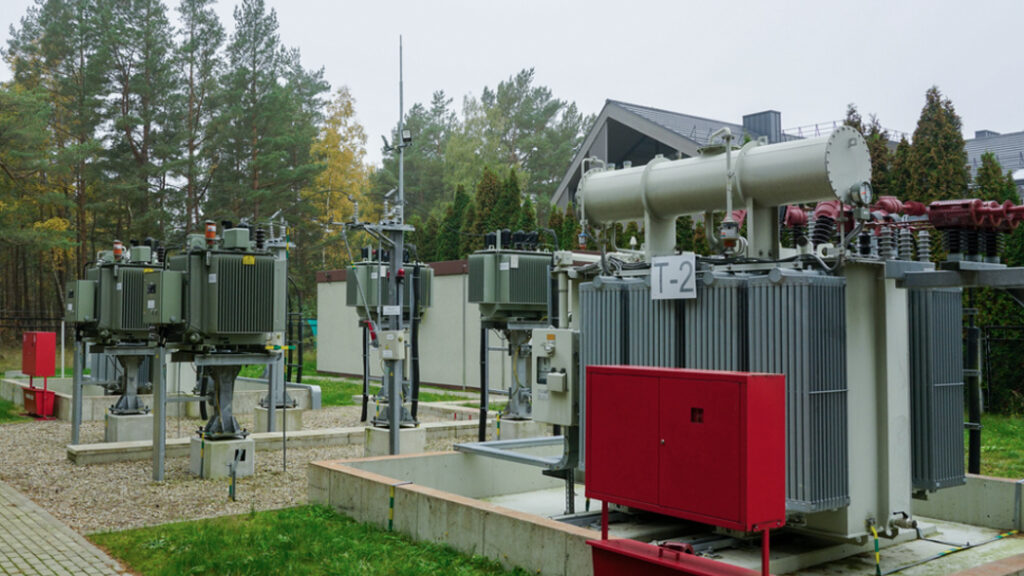
1.transformer selection cannot focus only on capacity and price.
The impact of high temperatures, dust, and continuous operation environments on equipment often does not become apparent until after three to five years of operation. Investing more effort in environmental condition verification during the early project stage is far more effective than dealing with failures later. We have experienced this in previous projects, which is why we pay particular attention to this aspect today.
2.what EPC projects truly need is not just an equipment supplier that manufactures according to drawings
but a partner who can identify and solve problems during the technical stage before they become risks. Many potential issues are hidden in areas not clearly specified in technical documents, such as ambient temperature correction, cooling margin, and loss evaluation requirements. If these details are not confirmed during the contract stage, it becomes very difficult to make adjustments later. Once problems appear after commissioning, it is often unclear who should take responsibility.
3. lifecycle cost deserves serious consideration.
The difference in procurement price is a short-term factor, while energy losses and maintenance costs continue throughout the entire operating period. In overseas projects, owners care more about whether equipment can operate reliably for ten or twenty years, not just the price at the moment of delivery. Ultimately, a transformer is not a consumable product; it is equipment designed for long-term service.
For many years, we have provided oil-immersed transformers, dry-type transformers, and compact substations for overseas EPC contractors, engineering companies, and end users. Our goal is not simply to complete one delivery, but to help customers reduce project risks and improve the operational reliability of their equipment over the next ten or twenty years.
It sounds simple, but in practice, every transformer requires attention to countless details.
We always follow one principle: transformers are not operated under laboratory conditions. The design should match the actual site environment.
For renewable energy, industrial, and grid upgrade projects in the Middle East, reliable operation is the true value of a transformer. This is not just a slogan — it is experience gained through real projects and real costs.
Zisheng Electric has been deeply engaged in the African market, specializing in oil-immersed transformers, substation transformers, pad-mounted transformers, pole-mounted transformers, dry-type transformers, and other power distribution equipment. We also provide system solutions covering the entire process from equipment selection to operation and maintenance.
We do not just supply equipment. We aim to help customers build a clear understanding of their power distribution systems, ensure stable operation, reduce operational risks, and improve long-term reliability.
About ZISHENG ELECTRICAL
Zisheng are a professional 19+ years manufacturer in producing Oil-Immersed Transformers, Compact Substation, Pad Mounted Transformers, Pole Mounted Transformers and Dry Type Transformers. We own the certificates of ISO/CE/IEC 60076 and TUV Rheinland.
Transformers undergo rigorous FAT and type testing, support voltage/capacity customization. Welcome to consult for Catalog and Product. you can contact us at email [email protected].