Cast Resin Transformer: Why Is It the Best Choice for Safe and Efficient Power Distribution?
Frequent fire risks and high maintenance costs in power systems can disrupt operations and increase losses. Choosing the right transformer improves safety, efficiency, and long-term reliability.
A cast resin transformer is a type of dry-type transformer that uses epoxy resin for insulation, offering high fire resistance, low maintenance, and reliable performance. It is widely used in indoor power transformers, industrial power distribution, and smart grid applications due to its safety and environmental advantages.
Understanding its structure, benefits, and applications helps buyers make informed decisions and optimize power system performance.
Cast Resin Transformer: Features and Key Applications
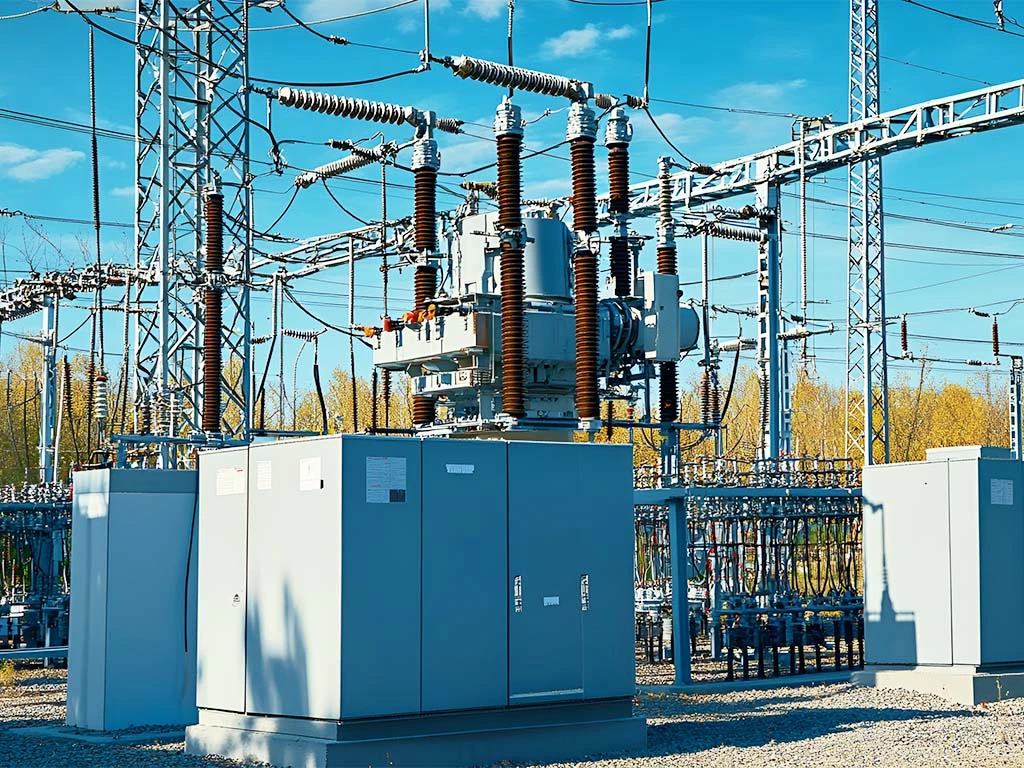
A cast resin transformer is a specialized dry-type transformer designed with solid insulation, typically using epoxy resin to encapsulate the windings. This design eliminates the need for liquid insulation, making it safer and more environmentally friendly.
These transformers are widely used in industrial power distribution, commercial buildings, hospitals, data centers, and renewable energy projects. As indoor power transformers, they are particularly suitable for locations where fire safety and environmental protection are critical.
Their classification as fire-resistant transformers makes them ideal for densely populated areas and sensitive installations. In addition, they are commonly used as substation dry-type transformers in urban grids, where space constraints and safety regulations require compact and reliable solutions.
Types of Cast Resin Transformers in Power Distribution Systems
There are several variations of epoxy resin transformer designs used in modern systems. These include medium voltage dry transformer models for distribution networks and low voltage dry-type transformer units for end-user applications.
Medium voltage units are typically used in substations and industrial plants, while low voltage transformers serve commercial and residential needs. Different cooling methods, such as air natural (AN) and air forced (AF), are applied depending on load requirements.
Another classification is based on enclosure types, such as open-type or fully enclosed transformers, designed for different environmental conditions. These variations ensure flexibility across a wide range of electrical transformer design requirements, allowing engineers to tailor solutions for specific projects.
How Cast Resin Transformers Work and Their Advantages
To understand how a cast resin transformer operates, it is important to consider its transformer insulation systems. The windings are encapsulated in epoxy resin, which provides excellent insulation and protection against moisture, dust, and contaminants.
Electrical energy is transferred between windings through electromagnetic induction, similar to other transformer types. However, the absence of oil eliminates leakage risks and reduces environmental impact.
Among the key benefits are their classification as maintenance-free transformers, requiring minimal servicing compared to oil-filled units. They are also recognized as energy-efficient transformers, offering low losses and stable performance. These features make them a reliable option for modern infrastructure projects.
Design and Technical Specifications of Cast Resin Transformers
The electrical transformer design of cast resin transformers focuses on safety, efficiency, and durability. Key parameters include voltage rating, insulation class, cooling method, and protection level.
Typical medium voltage dry transformer ratings range from 6kV to 35kV, while capacities can vary depending on application requirements. Engineers must carefully evaluate load demand, environmental conditions, and installation space when selecting specifications.
Advanced transformer insulation systems enhance thermal performance and extend service life. Additionally, modern designs incorporate monitoring systems to improve operational reliability. These technical features ensure that cast resin transformers meet the demands of complex power distribution networks.
Installation, Maintenance, and Safety of Cast Resin Transformers
One of the main advantages of dry-type transformer technology is ease of installation. As indoor power transformers, cast resin units do not require oil containment systems, reducing infrastructure costs and simplifying setup.
Installation flexibility allows placement close to load centers, improving efficiency and reducing transmission losses. Safety is significantly enhanced due to their classification as fire-resistant transformers, making them suitable for high-risk environments.
Maintenance requirements are minimal, reinforcing their reputation as maintenance-free transformers. Routine inspections typically involve visual checks and cleaning. These characteristics make them highly reliable for long-term operation in critical facilities.
Future Trends in Cast Resin Transformer Technology and Smart Grids
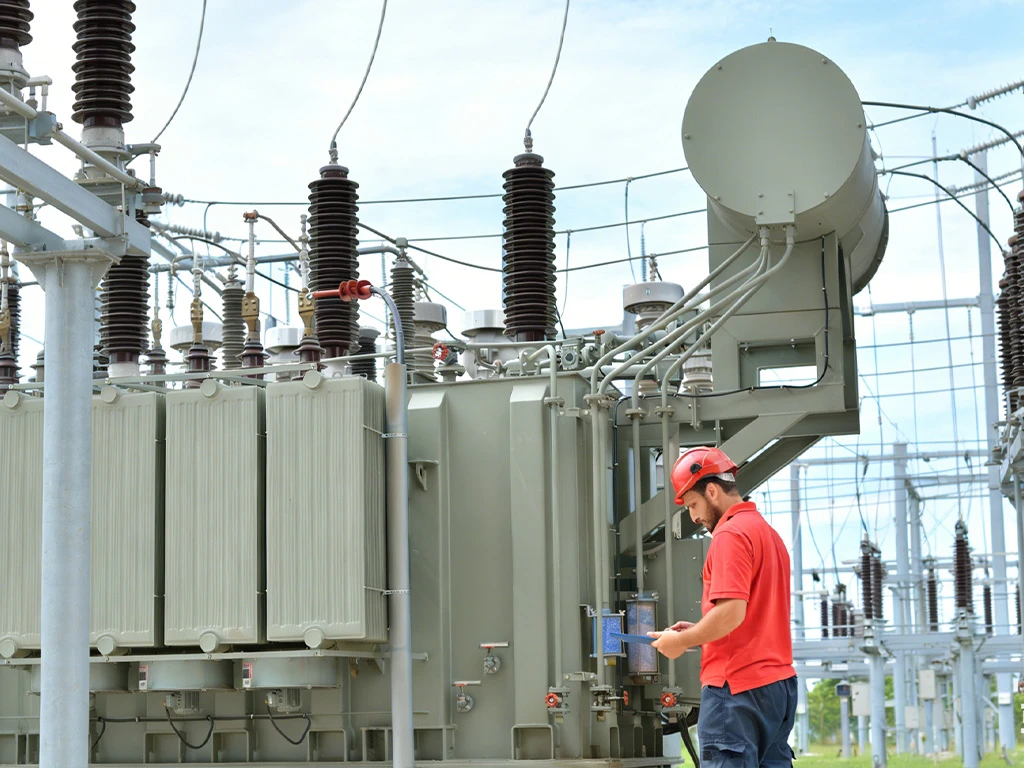
The future of cast resin transformer technology is closely linked to advancements in smart grid applications and sustainable energy systems. As demand for cleaner and safer energy solutions increases, these transformers are becoming more prominent.
Innovations in green transformer technology focus on improving efficiency, reducing energy losses, and enhancing recyclability. Integration with digital monitoring systems allows real-time performance tracking and predictive maintenance.
With growing urbanization and renewable energy deployment, cast resin transformers will play a key role in modernizing power infrastructure. Their adaptability and environmental benefits position them as a preferred solution for future energy systems.
Conclusion
Cast resin transformers provide safe, efficient, and eco-friendly solutions, making them essential for modern power distribution and sustainable energy development.
About ZISHENG ELECTRICAL
Zisheng are a professional 19+ years manufacturer in producing Oil-Immersed Transformers, Compact Substation, Pad Mounted Transformers, Pole Mounted Transformers and Dry Type Transformers. We own the certificates of ISO/CE/IEC 60076 and TUV Rheinland.
Transformers undergo rigorous FAT and type testing, support voltage/capacity customization. Welcome to consult for Catalog and Product. you can contact us at email [email protected].