How Do Section 232 Tariffs Impact Transformer Costs in the US Market?
Rising tariffs increase transformer costs, strain budgets, and delay projects. Without cost strategies, margins shrink. Understanding tariff impacts helps control expenses and maintain project competitiveness.
Section 232 tariffs on steel and aluminum significantly increase transformer manufacturing costs in the United States. These tariffs drive raw material cost inflation, raise electrical steel prices, and impact copper price trends, leading to higher power transformer pricing trends and increased energy infrastructure costs across the power sector.
To navigate these challenges, it is essential to understand how tariffs influence pricing, supply chains, and procurement decisions.
Impact of Tariffs on Transformer Costs Under US Section 232
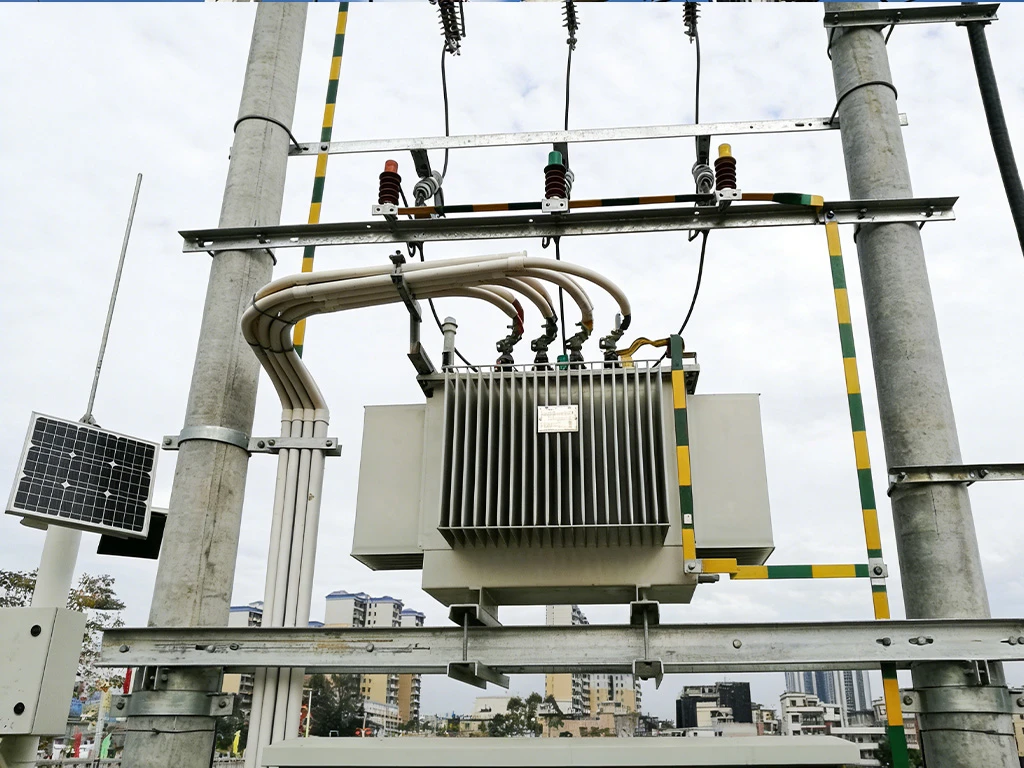
The Section 232 tariffs have had a measurable impact on the cost structure of transformers in the United States. These tariffs primarily target imported steel and aluminum, which are essential raw materials in transformer production.
As a result, manufacturers face rising transformer manufacturing costs, which directly translate into higher product prices. This has led to noticeable distribution transformer cost increase across multiple voltage classes. Additionally, tariff-related price pressures have contributed to fluctuating power transformer pricing trends, making budgeting more complex for utilities and contractors.
Another key effect is the increased gap between domestic vs imported transformers. While tariffs aim to support domestic production, they also raise costs for local manufacturers who rely on imported materials. Consequently, overall grid equipment pricing has increased, affecting project feasibility and timelines.
These cost pressures highlight the need for strategic planning and sourcing decisions.
What Is Section 232 and How It Affects the Transformer Industry
Section 232 tariffs are part of the broader US trade policy on steel and aluminum, designed to protect national security by supporting domestic industries. These tariffs impose additional duties on imported raw materials, particularly steel and aluminum products.
In the transformer industry, these materials are critical components. Electrical steel is used in transformer cores, while aluminum and copper are essential for windings. The tariffs have caused a ripple effect throughout the supply chain, increasing industrial equipment tariffs and production costs.
For transformer manufacturers, this means higher input costs and reduced pricing flexibility. The policy also affects procurement strategies, as companies must decide between higher-cost domestic materials or tariff-impacted imports.
Overall, Section 232 has reshaped the competitive landscape, influencing both supply and pricing dynamics within the transformer market.
How Steel and Aluminum Tariffs Increase Transformer Manufacturing Costs
Steel and aluminum tariffs directly contribute to rising transformer manufacturing costs by increasing the price of essential materials.
One of the most significant impacts is on electrical steel prices, which have risen due to restricted imports and increased domestic demand. Electrical steel is a key component in transformer cores, and any price increase significantly affects total production cost.
In addition, the copper price impact on transformers cannot be ignored. While copper is not directly targeted by Section 232, market shifts and supply constraints have led to price volatility, further increasing costs.
These factors contribute to overall raw material cost inflation, which affects every stage of production. Manufacturers must either absorb these costs or pass them on to customers, resulting in higher prices for utilities and developers.
Ultimately, tariffs create a cascading effect, raising costs across the entire value chain.
Supply Chain Disruptions and Pricing Trends in the US Transformer Market
The implementation of tariffs has also contributed to supply chain disruptions in energy sector, affecting availability and delivery timelines.
One major issue is reduced import volumes, which limit access to competitively priced materials. This creates bottlenecks in production and contributes to longer lead times. As a result, manufacturers experience delays that further impact power transformer pricing trends.
Additionally, uncertainty in trade policies leads to price volatility. Companies must frequently adjust pricing to reflect changing material costs and tariff conditions. This unpredictability complicates project planning and budgeting.
The imbalance between supply and demand has also intensified competition for available resources, further driving up energy infrastructure costs. These challenges highlight the importance of resilient supply chain strategies.
Strategies for Managing Tariff-Driven Cost Increases in Power Equipment
To address rising costs caused by tariffs, companies must adopt effective utility procurement strategies and cost management approaches.
One key strategy is supplier diversification. By sourcing materials and equipment from multiple regions, companies can reduce dependence on tariff-affected imports. Another approach is long-term contracting, which helps stabilize prices and reduce exposure to market fluctuations.
Value engineering is also critical. Optimizing design and material usage can help offset raw material cost inflation without compromising performance. Additionally, companies are increasingly exploring local sourcing options to minimize tariff impacts.
Inventory management plays an important role as well. Maintaining strategic stock levels can mitigate risks associated with supply chain disruptions in energy sector.
By implementing these strategies, organizations can better control costs and maintain project profitability.
Future Outlook for Transformer Costs and Trade Policy in the US
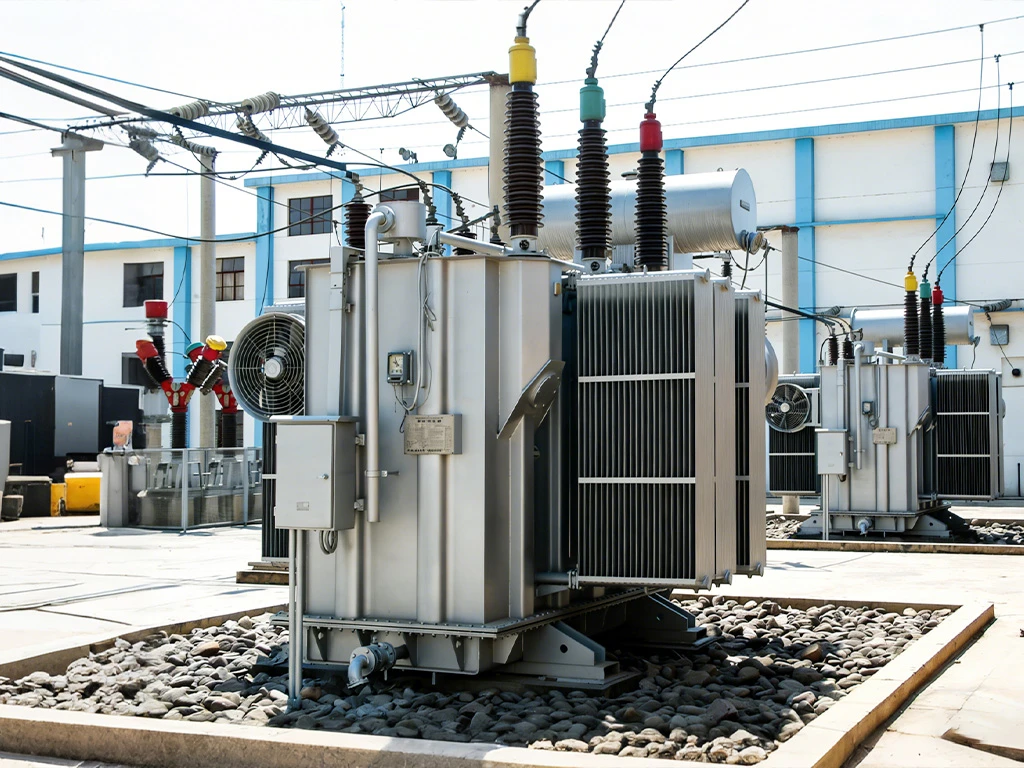
The future of transformer costs in the United States will largely depend on evolving trade policies and market conditions.
While Section 232 tariffs remain in place, there is ongoing debate about their long-term impact on the economy. Potential policy adjustments could either ease or intensify cost pressures in the transformer industry.
At the same time, global demand for energy infrastructure continues to grow, contributing to sustained power transformer pricing trends. Investments in grid modernization and renewable energy will further drive demand for transformers.
Technological advancements and increased domestic production capacity may help stabilize costs over time. However, uncertainties in global trade and material supply will continue to influence pricing.
Overall, companies must remain adaptable and proactive in managing risks associated with tariffs and market fluctuations.
Conclusion
Section 232 tariffs significantly impact transformer costs, requiring strategic sourcing, cost management, and flexible procurement to maintain competitiveness in the evolving energy market.
About ZISHENG ELECTRICAL
Zisheng are a professional 19+ years manufacturer in producing Oil-Immersed Transformers, Compact Substation, Pad Mounted Transformers, Pole Mounted Transformers and Dry Type Transformers. We own the certificates of ISO/CE/IEC 60076 and TUV Rheinland.
Transformers undergo rigorous FAT and type testing, support voltage/capacity customization. Welcome to consult for Catalog and Product. you can contact us at email [email protected].