Why Are More Solar EPC Contractors Choosing Pad Mounted Transformers in 2026?
Typical Technical Specifications for Solar Applications
Although transformer ratings vary depending on project design, utility-scale photovoltaic projects commonly specify pad mounted transformers within the following range:
| Parameter | Typical Value |
|---|---|
| Rated Capacity | 500 kVA – 5000 kVA |
| Primary Voltage | 11 kV, 13.8 kV, 22 kV, 33 kV |
| Secondary Voltage | 400 V, 415 V, 480 V, 690 V |
| Frequency | 50 Hz / 60 Hz |
| Vector Group | Dyn11 (Most Common) |
| Cooling Method | ONAN |
| Insulation Class | Class A |
| Temperature Rise | 55 K / 65 K |
| Protection Degree | IP54 – IP55 |
| Standard | IEC 60076 / ANSI C57 |
These specifications cover the majority of medium-voltage distribution systems used in commercial and utility-scale solar farms worldwide.
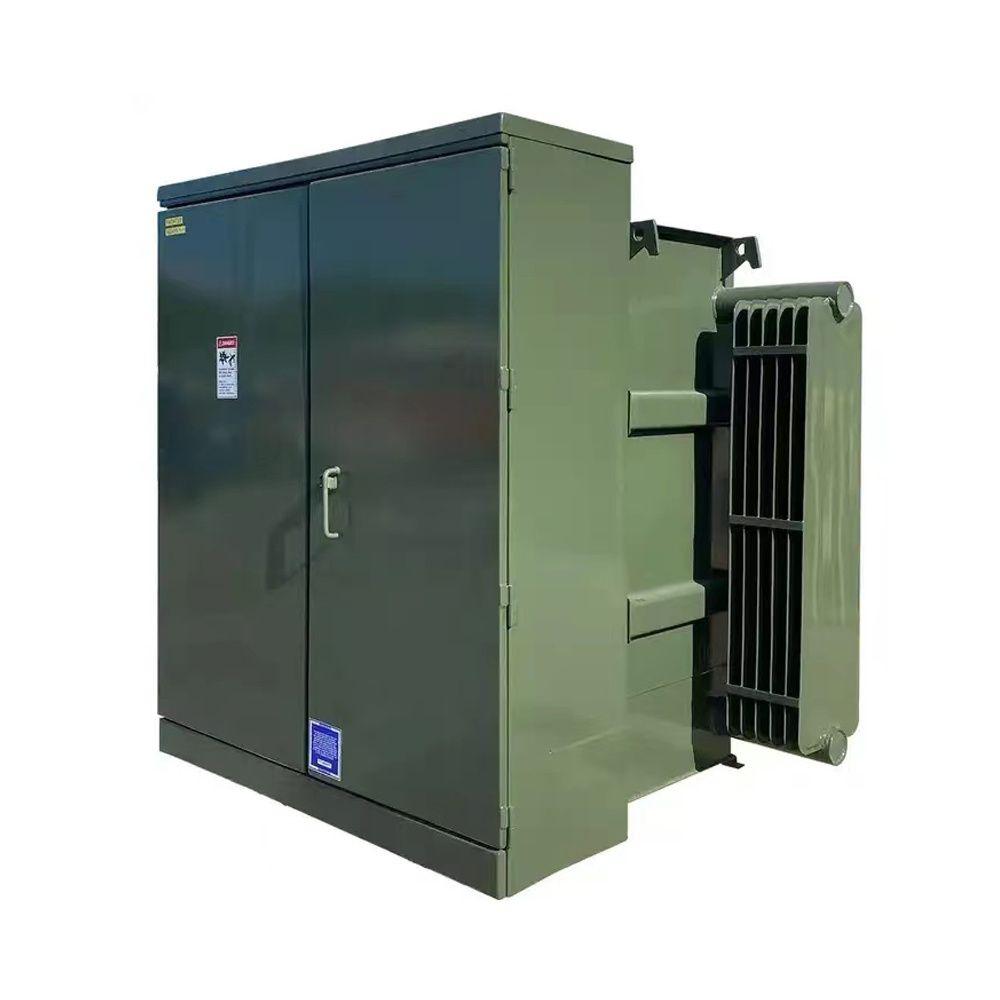
Engineering Performance That Matters
Modern photovoltaic projects no longer evaluate transformers solely on purchase price.
Project owners increasingly focus on lifecycle performance indicators.
For example, a 2500 kVA oil-filled pad mounted transformer typically offers:
- No-load Loss: ≤2.6 kW
- Load Loss (75°C): 21–23 kW
- Efficiency at Full Load: 98.7–99.1%
- Impedance Voltage: 5.5%–6%
- Expected Service Life: 25–35 years
Lower no-load losses are particularly important because solar transformers remain energized throughout the day, even when generation fluctuates due to cloud cover or seasonal irradiance.
Reducing core losses directly improves the long-term return on investment for renewable energy assets.
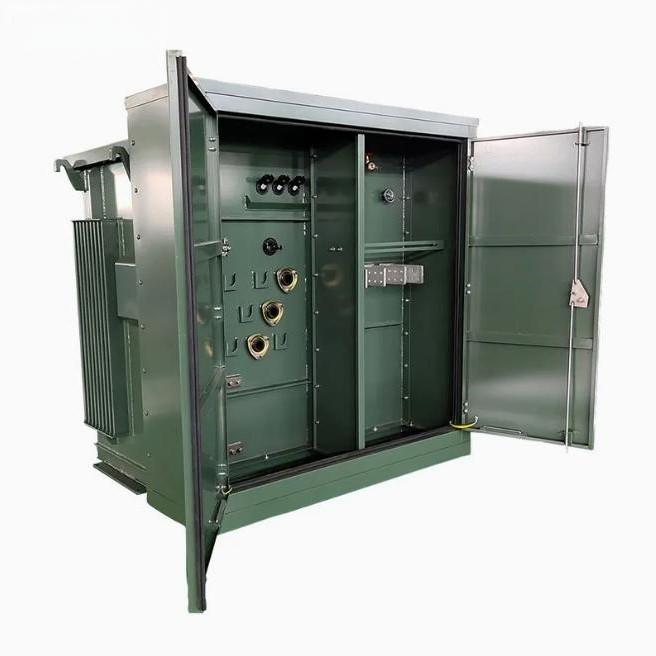
Why Dyn11 Is the Preferred Vector Group
More than 80% of utility-scale PV projects specify Dyn11 transformers.
The configuration offers several advantages:
- Better compatibility with modern inverter systems
- Stable neutral grounding
- Lower harmonic influence
- Improved three-phase load balancing
- Easier integration into distribution networks
For projects involving battery energy storage systems (BESS), Dyn11 also provides excellent operational flexibility.
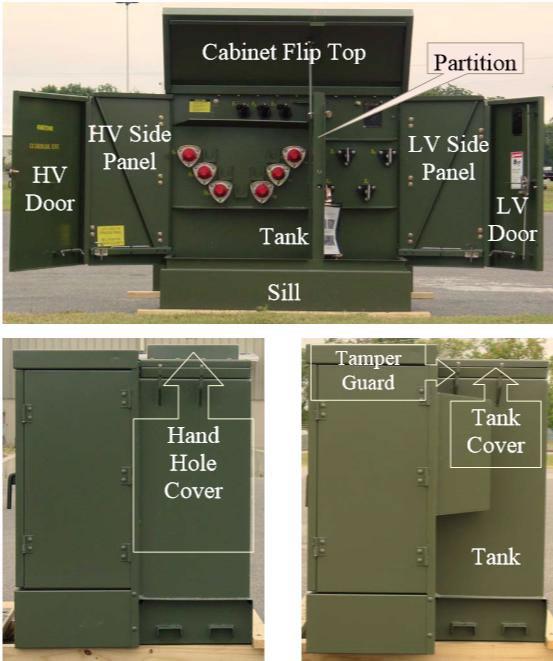
Overload Capability During Peak Solar Production
Solar power output can fluctuate rapidly because of weather conditions.
Therefore, transformers should tolerate temporary overloads without excessive winding temperatures.
Typical overload capability includes:
- 110% rated load for 2 hours
- 120% rated load for 30 minutes
- Hot-spot winding temperature below 140°C
- Top-oil temperature maintained within IEC recommendations
A transformer designed with high-quality copper windings and optimized cooling channels can safely withstand these operating conditions.
Material Selection Directly Affects Lifetime Performance
Transformer reliability depends heavily on manufacturing materials.
For high-performance pad mounted transformers, engineers generally recommend:
Core Material
- Cold Rolled Grain Oriented (CRGO) Silicon Steel
- High magnetic permeability
- Low hysteresis loss
- Low vibration
- Reduced audible noise (<55 dB for many distribution ratings)
Winding Material
99.99% electrolytic copper windings provide:
- Lower resistance
- Better short-circuit withstand capability
- Lower operating temperature
- Longer insulation life
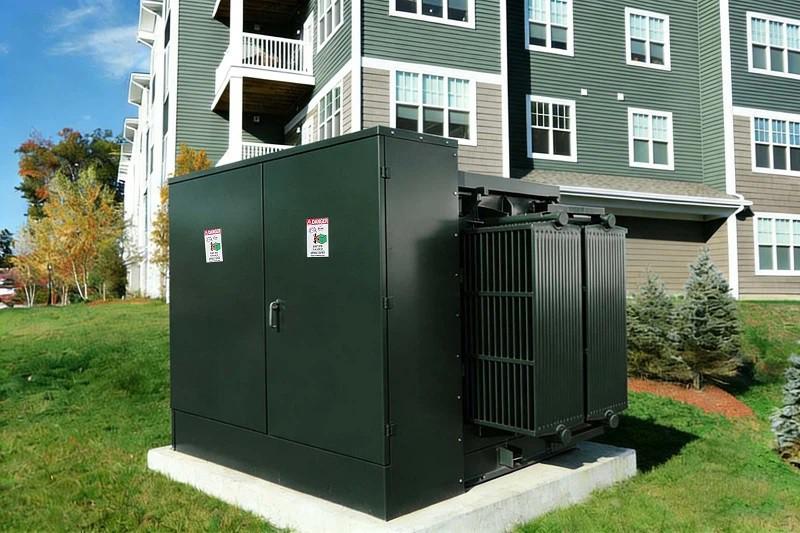
Factory Testing Before Delivery
Before shipment, every transformer should undergo routine testing according to IEC 60076.
Typical factory tests include:
- Transformer Ratio Test (TTR)
- Winding Resistance Test
- No-load Loss Test
- Load Loss Test
- Applied Voltage Test
- Induced Voltage Test
- Insulation Resistance Test
- Oil Dielectric Strength Test
- Leak Test
- Temperature Rise Verification (Type Test when required)
Comprehensive testing helps ensure reliable operation after installation and reduces commissioning risks on site.
Why These Technical Details Matter for Solar EPC Contractors
For EPC contractors, every percentage point of transformer efficiency affects the project’s financial performance.
For example:
A 5 MW solar plant equipped with two 2500 kVA pad mounted transformers operating for more than 25 years can save tens of thousands of kilowatt-hours by reducing transformer losses alone.
Lower losses mean:
- Higher annual energy export
- Lower operating expenses
- Improved project IRR
- Faster return on investment
- Easier compliance with utility efficiency requirements
This is why lifecycle cost has become a more important purchasing criterion than initial equipment price.
About ZISHENG ELECTRICAL
Zisheng are a professional 19+ years manufacturer in producing Oil-Immersed Transformers, Compact Substation, Pad Mounted Transformers, Pole Mounted Transformers and Dry Type Transformers. We own the certificates of ISO/CE/IEC 60076 and TUV Rheinland.
Transformers undergo rigorous FAT and type testing, support voltage/capacity customization. Welcome to consult for Catalog and Product. you can contact us at email [email protected].