What Makes a Transformer Suitable for Industrial Plant Applications?
Industrial plants face unstable loads, high energy demand, and harsh environments. Poor transformer performance leads to downtime and equipment damage. A reliable industrial power transformer ensures stable operations.
A transformer for industrial plant applications is a heavy-duty transformer designed to handle high power capacity, continuous operation performance, and complex industrial load demand. It supports efficient industrial equipment power supply, ensures industrial voltage regulation, and enhances reliability in harsh environment operation conditions.
Understanding the role and specifications of transformers is essential for ensuring efficiency and reliability in industrial facilities.
What Is a Transformer for Industrial Plant?
A transformer for industrial plant applications is a specialized industrial power transformer designed to support large-scale electrical systems. It plays a critical role in the power distribution system, ensuring that electricity is delivered at the correct voltage levels to various types of industrial equipment.
Unlike standard transformers, industrial units are built with a robust transformer design to handle heavy loads, fluctuating demand, and continuous operation. These transformers are essential for maintaining stable industrial equipment power supply across manufacturing processes, processing plants, and heavy industries.
A key feature is their ability to provide consistent industrial voltage regulation, which is vital for protecting sensitive machinery and ensuring production efficiency. They are also equipped with advanced electrical insulation system components to withstand high electrical stress.
Overall, these transformers serve as the backbone of industrial electrical infrastructure, ensuring safe, efficient, and reliable power delivery.
Types of Transformers Used in Industrial Facilities
Industrial facilities utilize a variety of transformers depending on operational requirements. The most common type is the heavy-duty transformer, designed for high power capacity and continuous industrial use.
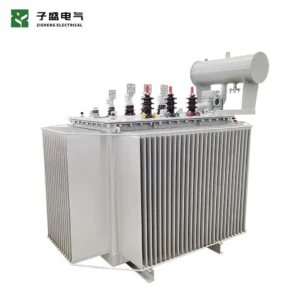
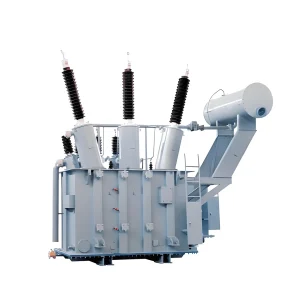
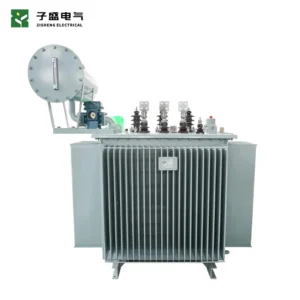
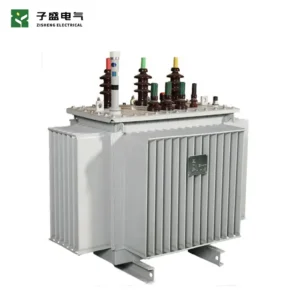
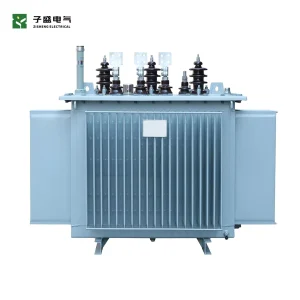
Oil-immersed transformers are widely used due to their excellent cooling performance and durability. These transformers support high industrial load demand and are suitable for large-scale operations such as steel plants and mining facilities.
Dry-type transformers are another option, especially in indoor environments where safety and environmental concerns are critical. They offer reliable performance with minimal maintenance requirements.
Specialized transformers, such as rectifier transformers and furnace transformers, are used for specific industrial processes. These units are designed with enhanced short circuit resistance and high tolerance for load fluctuations.
Each type is engineered to ensure optimal continuous operation performance, making them suitable for demanding industrial applications.
Key Technical Requirements for Industrial Power Systems
Industrial power systems have strict technical requirements to ensure efficiency and safety. One of the most important factors is high power capacity, which enables transformers to handle large-scale energy consumption.
The electrical insulation system must be designed to withstand high voltage stress and temperature variations. This ensures long-term durability and reduces the risk of insulation failure.
Another critical requirement is industrial voltage regulation, which maintains stable voltage levels despite fluctuating loads. This is essential for protecting sensitive equipment and ensuring consistent production quality.
Transformers must also exhibit strong short circuit resistance to withstand fault conditions without sustaining damage. This is particularly important in industries with high fault current levels.
Additionally, energy efficiency and cooling system efficiency play a significant role in reducing operational costs and improving performance.
Meeting these technical requirements ensures reliable and efficient operation of industrial power systems.
Load Characteristics and Power Demand in Industrial Plants
Industrial plants are characterized by complex and dynamic load patterns. The industrial load demand often includes a mix of continuous, intermittent, and peak loads, requiring transformers to adapt to varying conditions.
High-energy equipment such as motors, compressors, and furnaces demand stable and reliable power. A properly designed industrial power transformer ensures consistent industrial equipment power supply under these conditions.
Load fluctuations can cause voltage instability, making industrial voltage regulation a critical function. Transformers must be capable of maintaining stable output despite rapid changes in demand.
Additionally, the presence of non-linear loads can introduce harmonics into the system, affecting overall performance. Advanced transformer designs help mitigate these issues and maintain power quality.
Understanding load characteristics is essential for selecting the right transformer and ensuring efficient system operation.
Cooling Systems and Thermal Management Solutions
Effective transformer thermal management is essential for maintaining performance and extending transformer lifespan. Industrial transformers generate significant heat due to high load conditions, making efficient cooling systems critical.
Oil-immersed transformers typically use natural or forced oil circulation combined with air cooling to achieve high cooling system efficiency. These systems are suitable for handling heavy loads and ensuring stable operation.
Dry-type transformers rely on air-based cooling systems, which are ideal for indoor applications. They are designed to provide adequate heat dissipation while maintaining safety standards.
Advanced cooling technologies improve continuous operation performance by preventing overheating and reducing thermal stress on components.
Proper thermal management also enhances the reliability of the electrical insulation system, ensuring long-term durability.
Selecting the right cooling solution is crucial for optimizing transformer performance in industrial environments.
Operational Reliability in Harsh Industrial Environments
Industrial environments often involve extreme conditions such as high temperatures, humidity, dust, and chemical exposure. Transformers must be designed for harsh environment operation to ensure long-term reliability.
A robust transformer design with high temperature resistance is essential for maintaining performance under such conditions. These features help prevent failures and reduce maintenance requirements.
The use of advanced materials and protective enclosures enhances durability and protects internal components from environmental damage.
Additionally, transformers must support continuous operation performance, as industrial processes often run around the clock. Any interruption can result in significant production losses.
High-quality electrical insulation system and strong short circuit resistance further improve reliability and safety.
By addressing these challenges, industrial transformers provide dependable performance even in the most demanding environments.
Conclusion
Industrial transformers ensure stable power, high efficiency, and reliable performance, supporting continuous operation in demanding industrial environments.
About ZISHENG ELECTRICAL
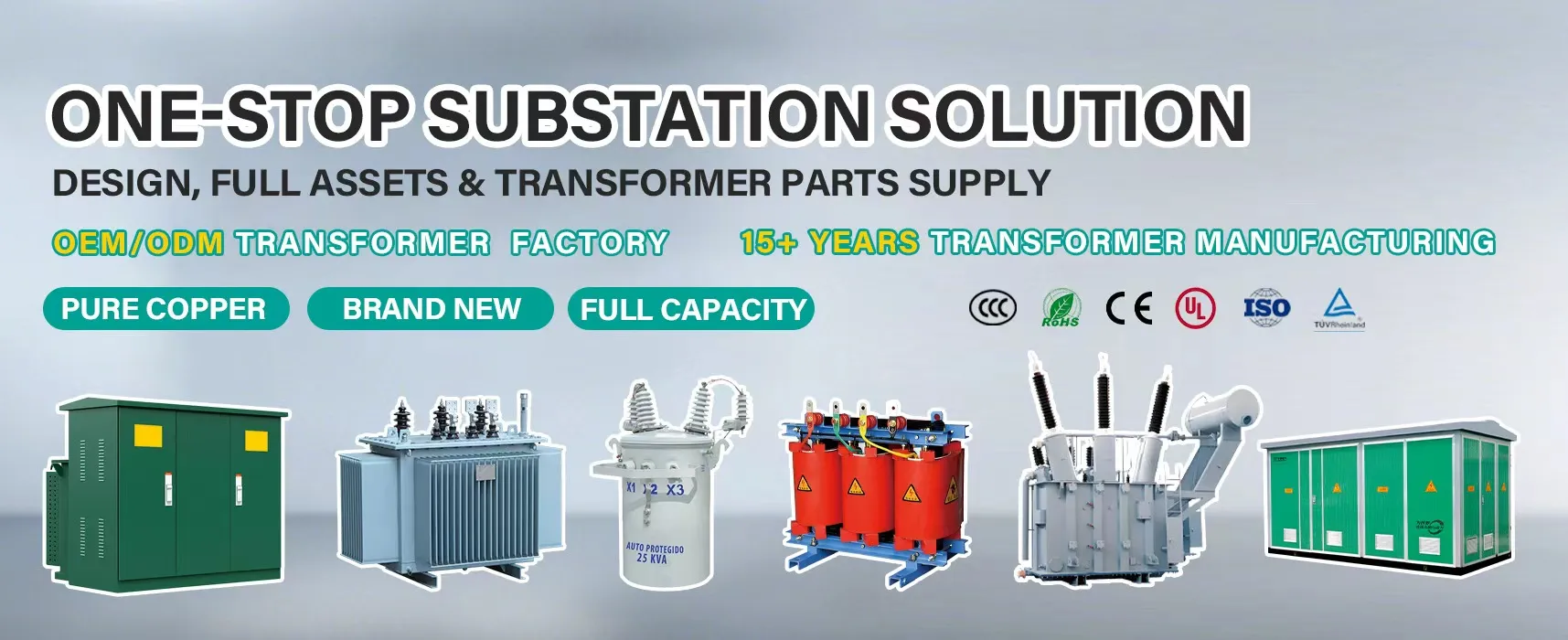
Zisheng are a professional 19+ years manufacturer in producing Oil-Immersed Transformers, Compact Substation, Pad Mounted Transformers, Pole Mounted Transformers and Dry Type Transformers. We own the certificates of ISO/CE/IEC 60076 and TUV Rheinland.
Transformers undergo rigorous FAT and type testing, support voltage/capacity customization. Welcome to consult for Catalog and Product. you can contact us at email info@bdzstransformer.com.