What Is an Oil Immersed Transformer? Complete Guide
Oil immersed transformers are among the most widely used electrical equipment in power transmission and distribution systems worldwide. They play a critical role in transferring electrical energy efficiently between voltage levels while ensuring stable power supply for industrial, commercial, utility, and renewable energy applications.
As global electricity demand continues to grow, oil immersed transformers remain the preferred choice for power utilities, EPC contractors, industrial facilities, and infrastructure projects due to their high efficiency, excellent cooling performance, and long service life.
This guide explains what an oil immersed transformer is, how it works, its components, advantages, applications, and how to choose the right transformer for your project.
What Is an Oil Immersed Transformer?
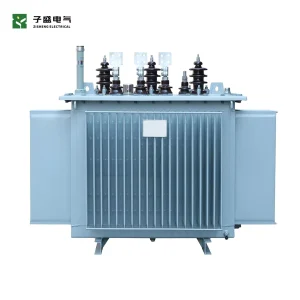
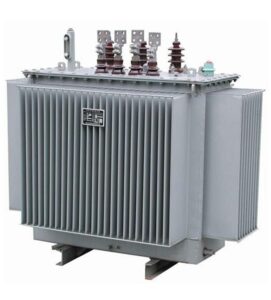
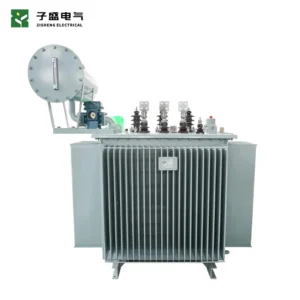
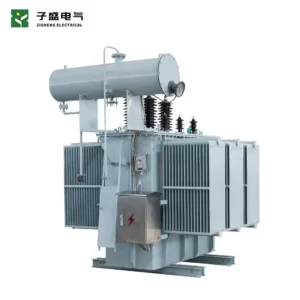
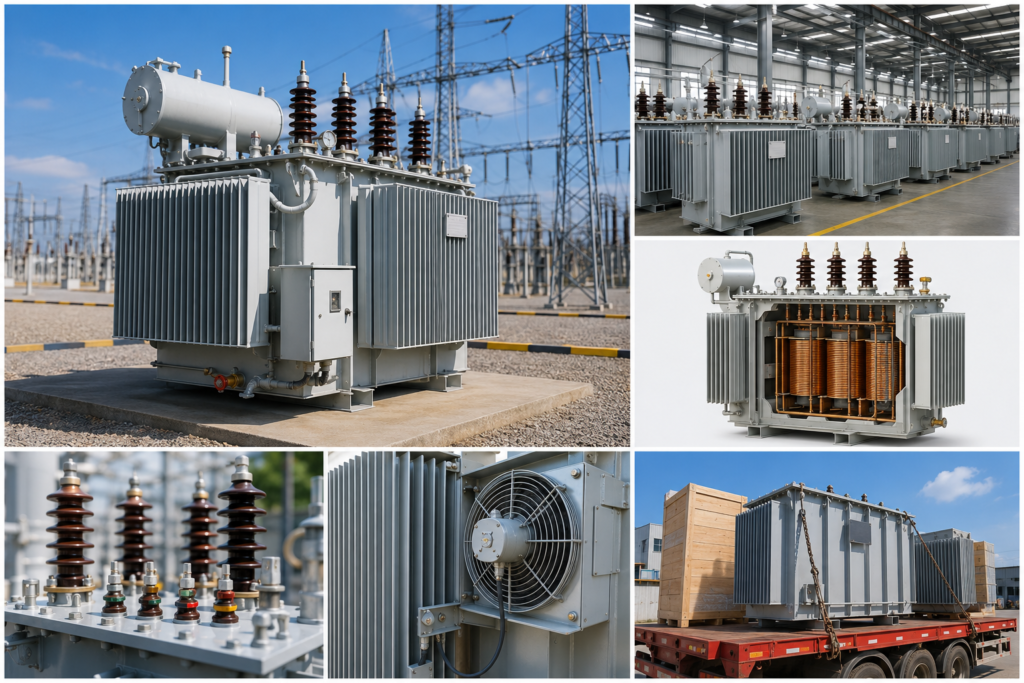
An oil immersed transformer, also known as an oil-filled transformer, is a type of transformer in which the core and windings are completely submerged in insulating mineral oil or other dielectric fluids.
The transformer oil performs two essential functions:
- Electrical insulation between energized components
- Heat dissipation generated during transformer operation
By combining insulation and cooling functions, transformer oil enables the equipment to operate safely under heavy electrical loads and harsh environmental conditions.
Oil immersed transformers are commonly available in capacities ranging from a few kilovolt-amperes (kVA) to several hundred megavolt-amperes (MVA), making them suitable for both distribution and power transmission applications.
How Does an Oil Immersed Transformer Work?
The operating principle of an oil immersed transformer is based on electromagnetic induction.
When alternating current flows through the primary winding, it creates a magnetic flux within the transformer core. This magnetic field induces voltage in the secondary winding, transferring electrical energy from one voltage level to another.
During operation, losses in the core and windings generate heat. The transformer oil absorbs this heat and transfers it to the tank walls and cooling radiators, where it is dissipated into the surrounding environment.
This continuous cooling cycle helps maintain safe operating temperatures and improves transformer reliability.
Main Components of an Oil Immersed Transformer
Transformer Core
The core is constructed from high-quality silicon steel laminations designed to minimize hysteresis and eddy current losses.
Its primary function is to provide a low-reluctance path for magnetic flux.
Windings
The windings are typically made from copper or aluminum conductors.
They are insulated and arranged around the transformer core to transfer electrical energy through electromagnetic induction.
Transformer Oil
Transformer oil serves as both an insulating medium and cooling agent.
Common insulating liquids include:
- Mineral oil
- Natural ester oil
- Synthetic ester oil
The choice depends on environmental requirements, fire safety standards, and project specifications.
Tank
The transformer tank houses the core, windings, and insulating oil.
It protects internal components from moisture, dust, and external environmental factors.
Cooling System
Cooling systems vary depending on transformer size and application.
Common cooling methods include:
- ONAN (Oil Natural Air Natural)
- ONAF (Oil Natural Air Forced)
- OFAF (Oil Forced Air Forced)
- OFWF (Oil Forced Water Forced)
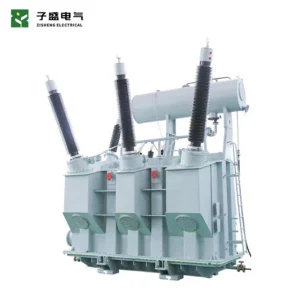
Conservator Tank
The conservator accommodates oil expansion and contraction caused by temperature changes.
It helps maintain proper oil levels and prevents contamination.
Breather
The breather contains silica gel to absorb moisture from incoming air, protecting the insulating oil from degradation.
Advantages of Oil Immersed Transformers
Excellent Cooling Performance
Transformer oil effectively removes heat from internal components, allowing higher power ratings and improved load capacity.
High Energy Efficiency
Oil immersed transformers generally achieve higher efficiency than many alternative transformer designs, reducing operational energy losses.
Longer Service Life
With proper maintenance, oil immersed transformers can operate reliably for more than 25 to 40 years.
Superior Overload Capability
The efficient cooling system allows transformers to withstand temporary overload conditions without significant performance degradation.
Better Insulation Performance
Transformer oil provides excellent dielectric strength, improving operational safety and reducing the risk of insulation failure.
Suitable for Harsh Environments
Oil immersed transformers perform well in:
- High-temperature regions
- High-humidity environments
- Industrial facilities
- Mining operations
- Utility substations
Applications of Oil Immersed Transformers
Oil immersed transformers are widely used across various industries.
Utility Power Distribution
Electricity utilities use distribution transformers to reduce medium voltage to low voltage for residential and commercial consumers.
Industrial Facilities
Manufacturing plants, refineries, steel mills, and mining operations depend on oil immersed transformers for stable power supply.
Renewable Energy Projects
Solar farms and wind power plants use transformers to connect generated electricity to the utility grid.
Infrastructure Development
Airports, railways, ports, hospitals, and commercial complexes require reliable transformer solutions for power distribution.
Data Centers
Large-scale data centers rely on efficient transformers to support critical IT infrastructure.
Oil Immersed Transformer vs Dry Type Transformer
| Feature | Oil Immersed Transformer | Dry Type Transformer |
|---|---|---|
| Cooling Efficiency | Excellent | Moderate |
| Capacity Range | Large | Small to Medium |
| Initial Cost | Lower | Higher |
| Maintenance | Moderate | Low |
| Outdoor Installation | Excellent | Limited |
| Overload Capacity | High | Lower |
| Service Life | Long | Moderate |
Oil immersed transformers are generally preferred for outdoor installations and large-capacity applications, while dry type transformers are often selected for indoor environments requiring enhanced fire safety.
How to Choose the Right Oil Immersed Transformer
When selecting an oil immersed transformer, buyers should consider several factors.
Rated Capacity
Determine the required kVA or MVA rating based on project load demand.
Voltage Levels
Confirm primary and secondary voltage requirements.
Installation Environment
Evaluate ambient temperature, humidity, altitude, and environmental conditions.
Efficiency Requirements
Choose energy-efficient transformer designs to reduce operational costs.
Applicable Standards
Ensure compliance with international standards such as:
- IEC 60076
- ANSI/IEEE
- BS Standards
Protection Requirements
Consider additional accessories such as:
- Buchholz relay
- Oil temperature indicator
- Winding temperature indicator
- Pressure relief device
Manufacturer Reliability
Select a transformer manufacturer with:
- Proven export experience
- Certified production facilities
- Quality control systems
- Technical support capabilities
Maintenance of Oil Immersed Transformers
Regular maintenance is essential to maximize transformer lifespan and reliability.
Typical maintenance activities include:
- Oil quality testing
- Dissolved gas analysis (DGA)
- Insulation resistance testing
- Cooling system inspection
- Breather maintenance
- Bushing inspection
- Tightening electrical connections
Preventive maintenance can significantly reduce unexpected failures and downtime.
Why Oil Immersed Transformers Remain the Preferred Choice
Despite advances in transformer technology, oil immersed transformers continue to dominate global power distribution networks because of their superior cooling performance, high efficiency, long service life, and cost-effectiveness.
For utility companies, EPC contractors, industrial facilities, renewable energy developers, and infrastructure projects, oil immersed transformers provide a reliable solution capable of delivering stable electrical power under demanding operating conditions.
As power demand and renewable energy investments continue to increase worldwide, oil immersed transformers will remain a critical component of modern electrical infrastructure.
Conclusion
An oil immersed transformer is a highly efficient electrical device that uses insulating oil for cooling and insulation purposes. Its robust construction, excellent thermal performance, and long operational life make it one of the most widely used transformer types in power distribution and transmission systems.
Whether for utility substations, industrial plants, solar power projects, or infrastructure developments, selecting a high-quality oil immersed transformer from a reliable manufacturer is essential for ensuring long-term operational reliability and energy efficiency.
About ZISHENG ELECTRICAL
Zisheng are a professional 19+ years manufacturer in producing Oil-Immersed Transformers, Compact Substation, Pad Mounted Transformers, Pole Mounted Transformers and Dry Type Transformers. We own the certificates of ISO/CE/IEC 60076 and TUV Rheinland.
Transformers undergo rigorous FAT and type testing, support voltage/capacity customization. Welcome to consult for Catalog and Product. you can contact us at email [email protected].