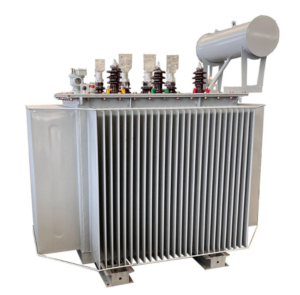
Transformer Insulation Resistance Comparison: Why a Lower Reading May Need a Better Baseline
Transformer insulation resistance comparison starts with the test conditions, not the size of the latest number. A lower insulation-resistance reading can trigger a drying quotation or delay a plant restart before anyone checks whether the two tests are comparable.
At Zisheng Electric, an engineering enquiry is more useful when it contains the complete test conditions, not just a photograph of the latest number. The first decision is whether the evidence supports a real change in the transformer or only a change in how it was measured.

This transformer insulation resistance comparison guide is for industrial maintenance engineers and equipment buyers reviewing insulation-resistance results after an outage. It explains comparison and escalation, rather than providing a universal test voltage, connection procedure or pass limit. The approved equipment instructions and the responsible test engineer govern the actual work and return-to-service decision.
Define the insulation path represented by each result
Start with the serial number and the tested configuration. Identify which winding or winding group was connected to the test instrument, what was connected to earth and which external circuits remained attached. Keep a connection sketch with the report. A result that includes a cable or accessory cannot be treated as the isolated transformer’s result without understanding that boundary.
Record the test instrument identity, applied DC voltage, timed reading point and relevant instrument mode. If a report says only “IR satisfactory,” ask for the underlying record before adding it to a trend. A transformer insulation resistance comparison needs like-for-like quantities; a shared unit such as megohms does not establish a shared measurement basis.
Review the purpose as well. A commissioning baseline, a routine outage check and an investigation after a fault may require different evidence. The report should explain what was tested and why, so a future maintenance team can repeat the comparison without reconstructing the original engineer’s assumptions.
Temperature and surface condition belong beside the number
Megger’s temperature-comparison guidance explains that insulating materials respond differently to temperature and discusses using a reference temperature for comparisons. It also addresses moisture and surface contamination. The practical implication is to use a correction method appropriate to the actual insulation system, rather than applying a generic multiplier to every transformer.
Request the measured temperature, its measurement location and the correction method used. Ambient air temperature immediately after shutdown may not represent the insulation temperature. Preserve both the raw reading and any corrected result. A corrected value without its method and input temperature is difficult to audit.
Record weather, humidity and the condition of accessible insulating surfaces. A wet or contaminated external surface can affect the measurement path, but that observation does not establish the moisture content of the internal solid insulation. Conversely, a visually dry bushing does not prove that every relevant part of the insulation system is healthy.
Compare records before comparing percentages
Suppose a fictional 1,000 kVA, 11 kV/415 V, 50 Hz transformer has an earlier recorded result of 5 GΩ and a new result of 2 GΩ. The raw arithmetic shows a 60% reduction. However, assume the earlier report identifies a 20°C condition while the later report lists 35°C, and the later connection sketch is missing.
For this transformer insulation resistance comparison, the first conclusion is that the records are incomplete. The 60% figure describes the two recorded numbers, not a proven 60% deterioration in the insulation. Ask the test engineer to establish the measurement boundaries and applicable temperature treatment before deciding whether further investigation is justified. These hypothetical values are not minimum limits or actual Zisheng Electric test data.
Transformer insulation resistance comparison: six checks for the review matrix
| Comparison item | Earlier record | New record | Review action |
|---|---|---|---|
| Equipment identity | Serial number and winding details | Same identified asset | Resolve mismatches before trending |
| Test boundary | Connection sketch and attached circuits | Equivalent documented configuration | Identify added cable, accessory or surface paths |
| Voltage and duration | Applied voltage and reading time | Matching approved test basis | Do not compare unlike timed readings as equivalents |
| Temperature treatment | Raw result, temperature and correction | Equivalent temperature basis | Retain the justified correction method |
| Environment and condition | Surface state and weather notes | Current observations | Separate external contamination from internal-condition claims |
| Test quality | Instrument and report reference | Instrument, setup and anomaly notes | Resolve interference or data-quality concerns |
Mark a missing item as missing. Substituting a remembered temperature or assuming that an old connection diagram was reused can make a weak trend appear precise. The matrix should support the engineer’s judgment, not manufacture certainty from incomplete records.

Choose the next action from the evidence gap
When the test basis is inconsistent
Ask whether a controlled repeat is needed under the approved procedure. Define the configuration, observation period and reporting requirements before testing. Preserve the earlier result and explain why a repeat was performed. Do not replace an inconvenient record with a more favorable number without a documented technical reason.
When comparable results remain materially different
Escalate to the responsible engineer and transformer manufacturer with the complete history. The next assessment may involve other diagnostic evidence selected for the suspected mechanism. Insulation resistance is one measurement; it should not be presented as a complete diagnosis of winding condition or as a substitute for every other electrical test.
Schneider Electric’s low-voltage dry-type transformer guidance emphasizes repeated testing in a consistent manner and recording ambient conditions. Its scope matters: that guidance is not a universal acceptance criterion for an oil-filled power transformer. Use it as an example of disciplined records, and obtain the actual acceptance basis for the supplied equipment.
Keep the release decision distinct from the test result
The transformer insulation resistance comparison report should state the observation, the comparison basis, any remaining uncertainty and the approved disposition. Identify who authorizes cleaning, further testing, repair or restart. A high resistance value alone should not close an unrelated open defect, and a low value should not automatically become a drying order without assessment.
Test work must follow authorized isolation, discharge, grounding and restoration arrangements for the equipment and instrument. Do not increase test voltage or duration simply to obtain a clearer separation between two results. Confirm the method and limits with the responsible test authority.
Write the diagnostic service order around a decision
A service enquiry should explain what the plant needs to decide before asking a contractor to quote. “Repeat the insulation test” leaves the reporting basis and responsibility unclear. A better scope asks the contractor to identify the previous test configuration, document the proposed comparison basis and state what evidence will be returned for engineering review.
Separate the agreed investigation from conditional work. Reviewing records, preparing a test plan and reporting results can be defined before mobilization. Drying, dismantling, accessory replacement or additional diagnostic tests should have an approval gate tied to findings. This keeps an unexplained reading from becoming an open-ended repair instruction.
For a transformer insulation resistance comparison, name the person responsible for resolving each missing record. The plant may hold an old commissioning report while the contractor holds the instrument file. Someone must reconcile those sources before the final report is accepted. Treat unavailable information as an explicit limitation, with an agreed action, rather than silently filling gaps.
- Define the asset, work boundary and decision required in the enquiry.
- Require the proposed test basis to be reviewed by the responsible engineer before execution.
- Ask for raw readings, connection records and supporting conditions in an editable schedule as well as the signed report.
- Separate factual observations, interpretation, unresolved limitations and recommended next steps.
- Identify who can approve additional work and who can authorize return to service.
Agree the reporting format before the outage. Two contractors can submit technically detailed reports that remain difficult to compare because they organize the evidence differently. Request one comparison schedule showing each result beside its conditions and source document. Keep the contractor’s original files as attachments; a convenient summary should not replace the underlying record.
Should the purchase order promise a successful retest?
No. Define completion through the approved work and its evidence, rather than a guaranteed favorable resistance value. A contractor may complete a properly authorized investigation and still identify a concern requiring further assessment. The commercial acceptance of the report and the technical acceptance of the transformer are separate decisions.
What if the earlier report cannot be recovered?
State that limitation in the transformer insulation resistance comparison. Ask the responsible engineer whether a documented present-condition assessment and a new reference record can support the required decision. Do not label the latest result a confirmed deterioration trend when the earlier configuration and conditions remain unknown. Retain the uncertainty in the handover record so the next outage team does not repeat the same assumption.
Make the next service enquiry evidence-based
Include the nameplate, circuit drawing, raw test reports, temperatures, connection sketches, instrument details and relevant outage history. Connect the records to the plant’s transformer service evidence package. Explain what changed before the latest measurement, including maintenance, external connections and storage or environmental exposure.
If the investigation leads to a replacement oil-immersed transformer enquiry, state the required commissioning baseline and future reporting format with the purchase specification. Send Zisheng Electric the operating duty and complete diagnostic record so the proposed supply or service scope addresses the engineering question instead of responding to a single unexplained number.
About ZISHENG ELECTRICAL
Zisheng are a professional 19+ years manufacturer in producing Oil-Immersed Transformers, Compact Substation, Pad Mounted Transformers, Pole Mounted Transformers and Dry Type Transformers. We own the certificates of ISO/CE/IEC 60076 and TUV Rheinland.
Transformers undergo rigorous FAT and type testing, support voltage/capacity customization. Welcome to consult for Catalog and Product. you can contact us at email [email protected].