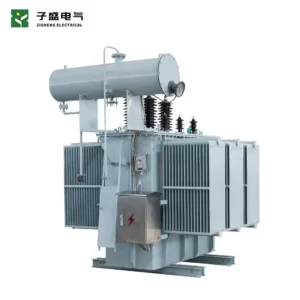
Transformer for Marine: How to Ensure Reliable and Safe Power Supply on Ships?
Salt corrosion, humidity, and vibration often damage onboard electrical systems, causing failures and safety risks. Without proper solutions, operations suffer. Marine transformers ensure stable, safe, and durable ship power systems.
A marine transformer is a specialized electrical device designed for shipboard and offshore environments, providing reliable voltage conversion, corrosion resistance, and safety compliance. It ensures stable power distribution across marine electrical systems, supporting safe and efficient vessel operations.
Understanding their working principles, types, and selection criteria helps ensure long-term performance in harsh marine conditions.
What Is a Marine Transformer and How Does It Work?
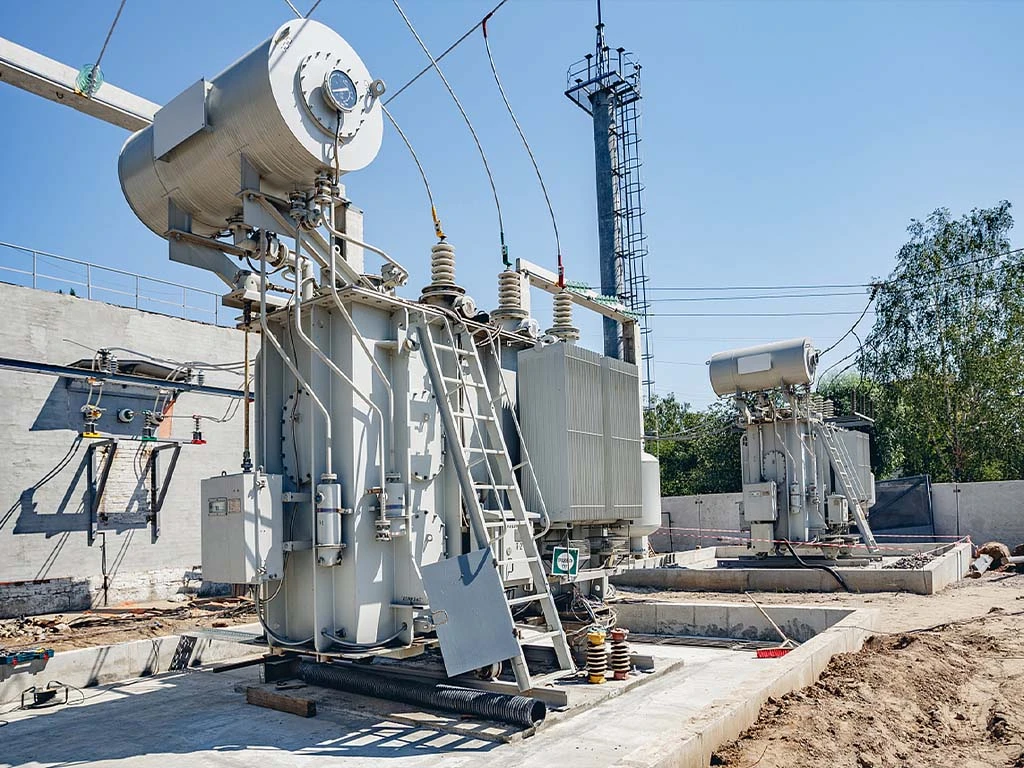
To understand what is a marine transformer, it is essential to recognize that it is specifically designed for harsh maritime environments. Unlike standard units, marine transformers must operate reliably under high humidity, salt exposure, and continuous vibration.
Explaining how marine transformers work, they function based on electromagnetic induction, converting voltage levels between circuits. Electrical energy flows through the primary winding, creating a magnetic field that induces voltage in the secondary winding.
These transformers are engineered with enhanced insulation and sealing systems to protect against moisture and corrosion. This ensures stable operation within marine electrical systems and supports efficient power conversion in demanding shipboard environments.
What Types of Transformers Are Used on Ships?
Understanding the types of transformers used on ships helps in selecting the right equipment for different onboard systems. Common types include isolation transformers, step-up and step-down transformers, and distribution transformers.
Marine isolation transformers are widely used to enhance safety by providing electrical separation. Medium voltage marine transformers support main power distribution, while low voltage marine transformers are used for auxiliary systems.
Specialized designs such as offshore transformer solutions are applied in oil platforms and marine renewable energy installations. Each type is designed to meet strict marine transformer safety requirements, ensuring reliable operation in harsh environments.
Where Are Marine Transformers Commonly Applied?
Exploring marine transformer applications reveals their critical role in modern vessels and offshore facilities. These transformers are used in propulsion systems, navigation equipment, lighting, and onboard machinery.
They are essential in shipboard power systems, ensuring proper voltage levels across different operational units. In offshore environments, they are used in oil rigs and renewable energy platforms, forming part of offshore transformer solutions.
Compared to land-based systems, the marine transformer vs industrial transformer comparison highlights the need for higher durability and corrosion resistance. Their wide application ensures efficient and reliable power distribution in marine operations.
How to Choose the Right Transformer for Marine Applications
Knowing how to choose a marine transformer is critical for ensuring performance and reliability. Key factors include voltage rating, load capacity, environmental conditions, and installation requirements.
Reviewing marine transformer specifications such as insulation class, cooling method, and protection level ensures compatibility with onboard systems. Proper evaluation helps avoid operational failures.
Cost is also an important consideration. When analyzing marine transformer cost, buyers should balance initial investment with durability and maintenance requirements. Selecting the best transformer for marine use ensures long-term efficiency and safety.
What Are the Key Challenges in Marine Transformer Design?
Designing marine transformers involves addressing several challenges. One of the main issues is corrosion protection for transformers, as saltwater exposure can significantly reduce equipment lifespan.
Another challenge is ensuring effective insulation and cooling in confined spaces. Engineers must develop compact designs that maintain performance under continuous vibration and temperature fluctuations.
Meeting strict marine transformer safety requirements is also critical. These standards ensure that transformers operate safely in hazardous environments. Overcoming these challenges is essential for delivering reliable solutions for modern marine applications.
What Is the Future of Marine Transformers in Electrified Vessels?
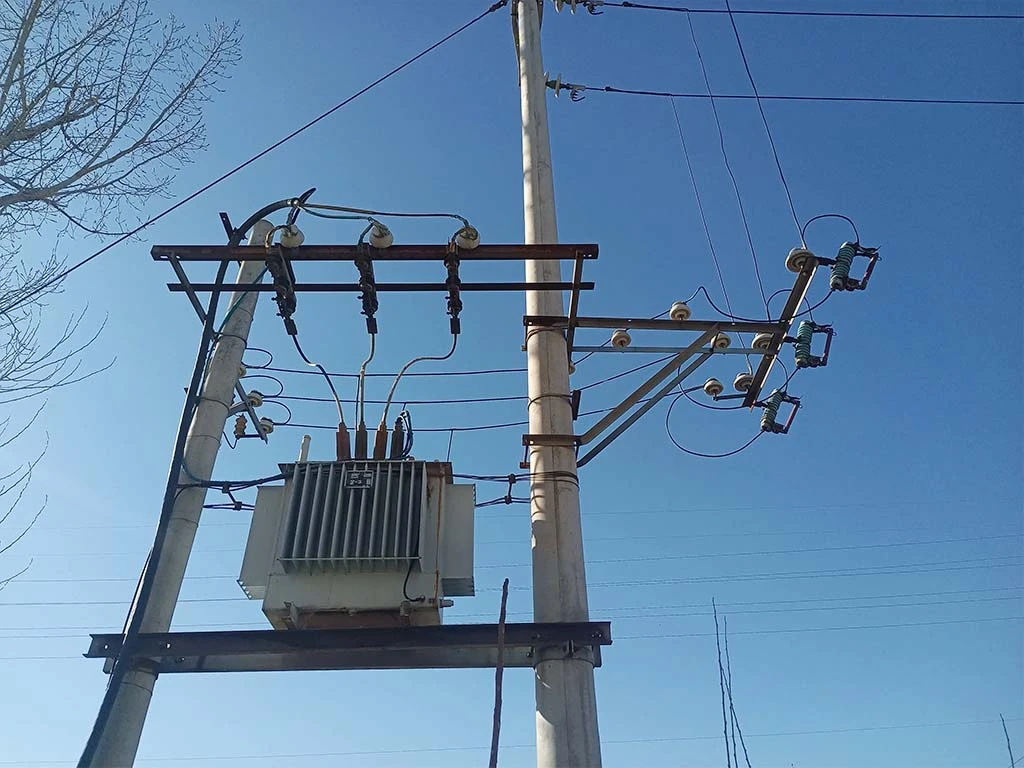
The future of marine electrification is driving innovation in transformer technology. As ships adopt electric propulsion and hybrid systems, the demand for advanced marine transformers is increasing.
New designs focus on improved efficiency, digital monitoring, and integration with smart energy systems. These advancements enhance reliability and reduce operational costs.
With the growth of sustainable shipping and offshore renewable energy, offshore transformer solutions will continue to evolve. Marine transformers will play a key role in supporting cleaner, more efficient maritime operations.
Conclusion
Marine transformers ensure safe, efficient, and reliable power, supporting modern vessels and offshore systems in demanding marine environments.
About ZISHENG ELECTRICAL
Zisheng are a professional 19+ years manufacturer in producing Oil-Immersed Transformers, Compact Substation, Pad Mounted Transformers, Pole Mounted Transformers and Dry Type Transformers. We own the certificates of ISO/CE/IEC 60076 and TUV Rheinland.
Transformers undergo rigorous FAT and type testing, support voltage/capacity customization. Welcome to consult for Catalog and Product. you can contact us at email info@bdzstransformer.com.