Transformer Cost: How Much Should You Budget for a Reliable Power Transformer?
Unclear pricing, hidden costs, and unreliable quotes often disrupt projects. Poor decisions can lead to budget overruns and system failures. Understanding transformer costs helps buyers make smarter investments.
Understanding how much does a transformer cost depends on capacity, type, materials, and supplier. The average transformer price varies widely, but evaluating transformer price per kVA, installation, and maintenance costs helps buyers achieve accurate budgeting for transformer projects and secure the best value transformer supplier.
To make informed decisions, it is essential to break down pricing factors, compare options, and explore strategies to reduce overall costs.
How Much Does a Transformer Cost?
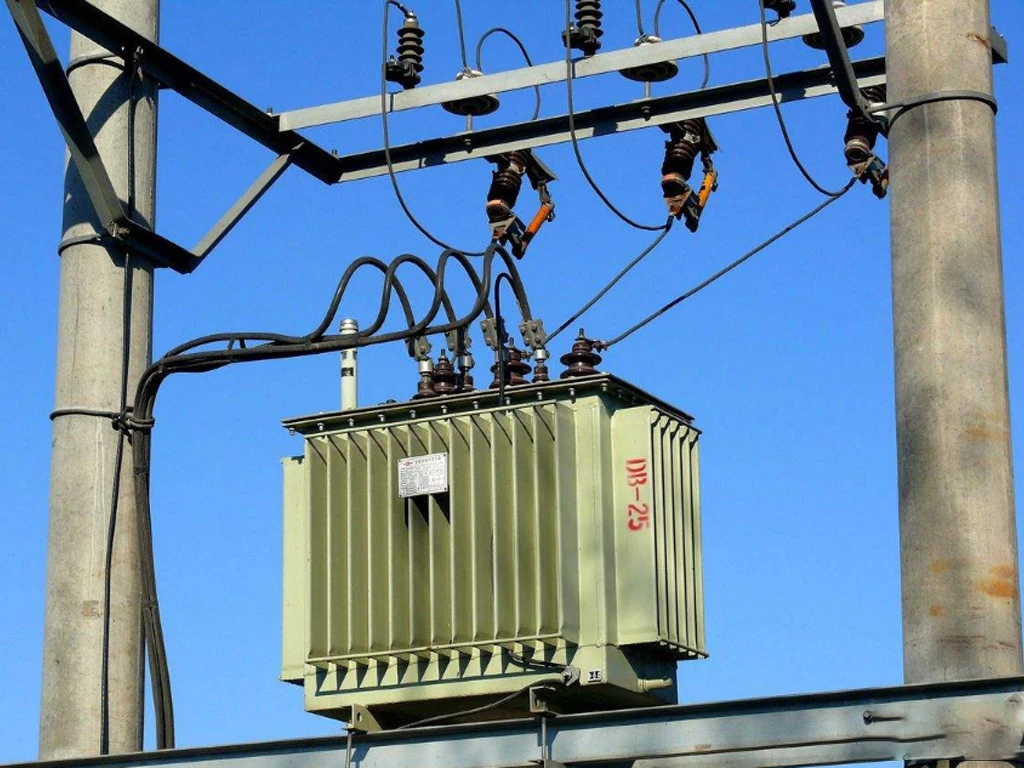
The question how much does a transformer cost does not have a single answer, as pricing varies significantly depending on specifications and application. Generally, the average transformer price can range from a few thousand dollars for small distribution units to hundreds of thousands for large power transformers.
For smaller systems, the cost of distribution transformer is relatively lower due to simpler design and lower voltage ratings. In contrast, the cost of power transformer is much higher because of advanced insulation systems, larger capacity, and complex engineering requirements. Buyers often evaluate pricing using transformer price per kVA, which provides a standardized way to compare different products.
In addition to the base price, buyers must also consider transformer installation cost and transportation expenses. These additional costs can significantly impact the total project budget. Therefore, a comprehensive understanding of pricing helps ensure accurate budgeting for transformer projects and prevents unexpected financial risks.
What Factors Influence Transformer Pricing?
Several key elements determine what affects transformer price, and understanding these factors is essential for making cost-effective decisions. The most significant factor is capacity, as higher kVA ratings require more raw materials such as copper, steel, and insulation components.
Material quality also plays a critical role. High-grade silicon steel and copper windings increase efficiency and durability but also raise the transformer cost breakdown. Additionally, the type of transformer—oil-immersed or dry-type—affects pricing due to differences in cooling systems and safety requirements.
Customization is another important factor. Special designs, such as those for extreme temperatures or renewable energy applications, increase engineering and production costs. Furthermore, certifications and compliance with international standards can add to the overall expense.
Market conditions, including fluctuations in raw material prices and global demand, also influence the average transformer price. By understanding these variables, buyers can better evaluate quotations and conduct an effective transformer price comparison.
How to Reduce Transformer Costs for Your Project
Reducing expenses without compromising quality is a key objective for buyers seeking how to reduce transformer cost. One of the most effective strategies is sourcing directly from manufacturers rather than intermediaries. Working with cheap transformer suppliers or factory-direct providers can significantly lower procurement costs.
Bulk purchasing is another effective approach. Ordering multiple units allows buyers to negotiate better pricing and optimize logistics, reducing overall expenses. Standardizing specifications across projects can also minimize customization costs and simplify maintenance.
Efficient design selection is equally important. Choosing the appropriate capacity and avoiding over-specification helps reduce unnecessary spending. Additionally, considering lifecycle costs, including transformer maintenance cost, ensures long-term savings rather than just initial price reduction.
By combining these strategies, buyers can achieve better cost control and improve overall project profitability while maintaining reliable performance.
What Is the Cost Difference Between Transformer Types?
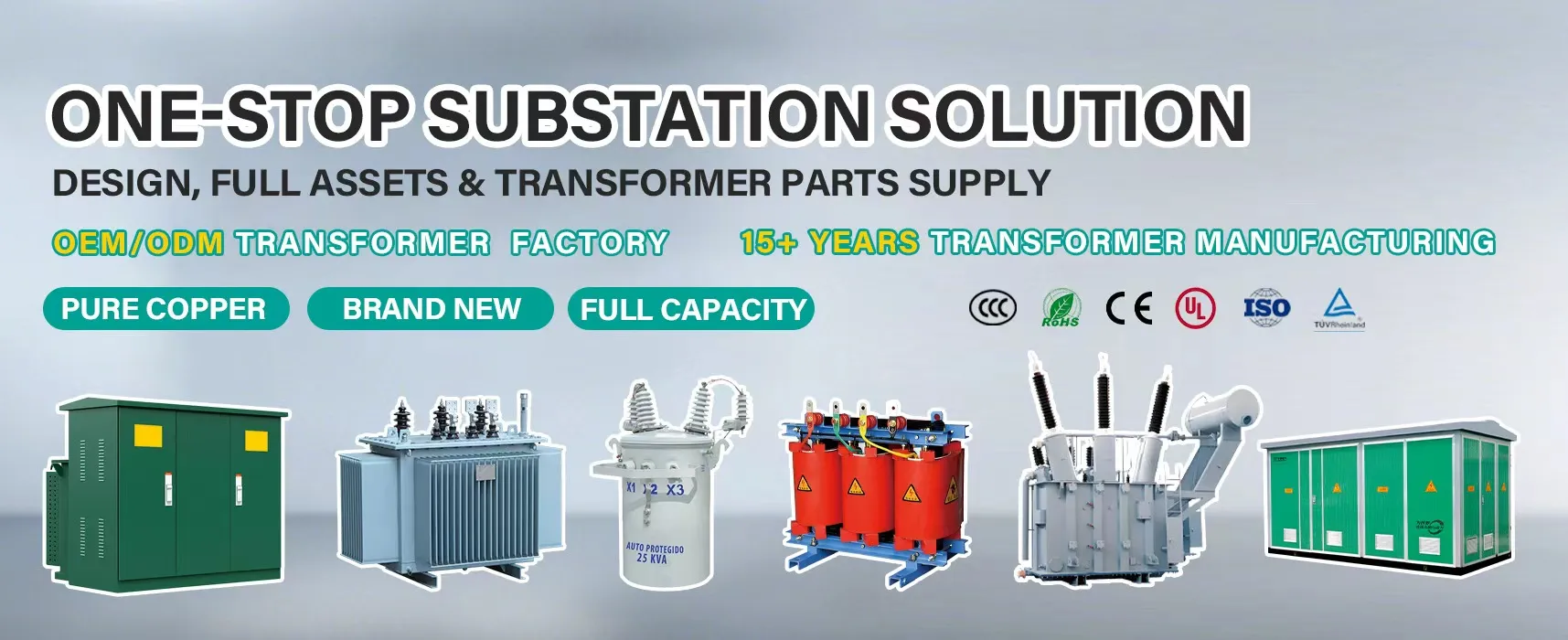
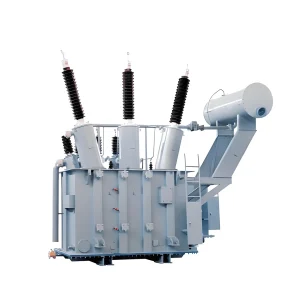
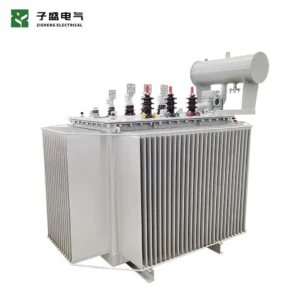
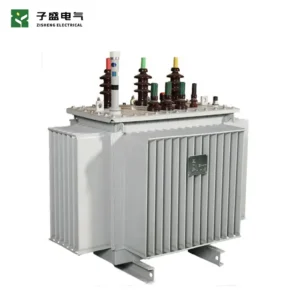
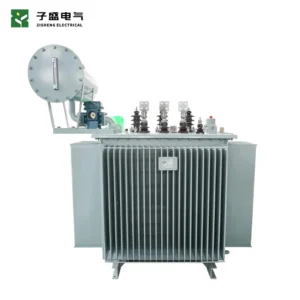
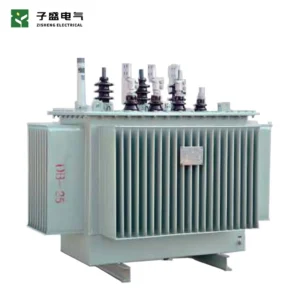
Understanding the differences between transformer types is essential for accurate transformer price comparison. Oil-immersed transformers are typically more cost-effective for large-scale applications due to their efficient cooling and lower production costs. This makes them a preferred choice for many industrial and utility projects.
Dry-type transformers, on the other hand, generally have a higher initial cost due to advanced insulation materials and safety features. However, they offer advantages such as reduced fire risk and lower transformer maintenance cost, making them suitable for indoor or sensitive environments.
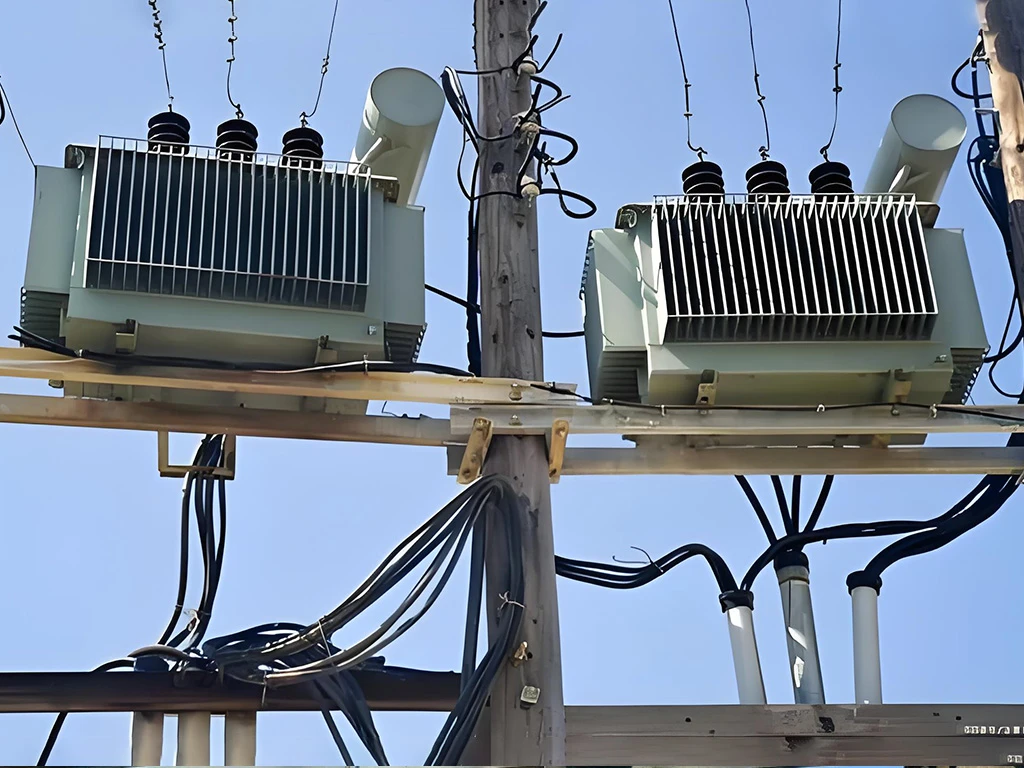
Pad-mounted and pole-mounted transformers also vary in cost depending on installation requirements and protection features. The cost of distribution transformer is usually lower than high-capacity units, but additional enclosures and safety components can increase pricing.
Ultimately, selecting the right type depends on balancing upfront investment with long-term operational benefits and application-specific requirements.
How to Choose a Cost-Effective Transformer Supplier
Selecting the best value transformer supplier is critical for achieving both quality and cost efficiency. Buyers should evaluate suppliers based on manufacturing capability, certifications, and experience in delivering similar projects.
A reliable supplier provides transparent pricing and a detailed transformer cost breakdown, helping buyers understand exactly what they are paying for. This transparency is essential for avoiding hidden costs and ensuring accurate budgeting for transformer projects.
Quality assurance is another key factor. Suppliers should comply with international standards and provide testing reports to guarantee product reliability. Additionally, strong after-sales support reduces downtime and lowers long-term transformer maintenance cost.
Global logistics capability is also important, especially for international projects. A supplier with efficient supply chain management can reduce delivery time and overall project expenses, ensuring a smooth procurement process.
What Is the Future Trend of Transformer Prices?
Understanding future transformer price trends is essential for long-term planning and investment decisions. In recent years, transformer prices have been influenced by fluctuations in raw material costs, particularly copper and steel. These materials are critical components in transformer manufacturing and significantly impact overall pricing.
The growing demand for renewable energy and grid expansion is expected to increase demand for transformers, potentially driving prices upward. However, technological advancements and improved manufacturing efficiency may help offset some of these increases.
Additionally, digitalization and smart grid development are introducing new types of transformers with advanced monitoring capabilities. While these innovations may increase initial costs, they can reduce transformer maintenance cost and improve long-term efficiency.
Overall, staying informed about market trends allows buyers to make strategic purchasing decisions and optimize their budgeting for transformer projects.
Conclusion
Understanding transformer pricing helps optimize costs, improve decisions, and secure reliable solutions for efficient and sustainable power infrastructure projects.
About ZISHENG ELECTRICAL
Zisheng are a professional 19+ years manufacturer in producing Oil-Immersed Transformers, Compact Substation, Pad Mounted Transformers, Pole Mounted Transformers and Dry Type Transformers. We own the certificates of ISO/CE/IEC 60076 and TUV Rheinland.
Transformers undergo rigorous FAT and type testing, support voltage/capacity customization. Welcome to consult for Catalog and Product. you can contact us at email info@bdzstransformer.com.