Three Phase Isolation Transformer: Why Is It Essential for Safe and Stable Power Systems?
Unstable power, electrical noise, and grounding issues can damage equipment and disrupt operations. Without proper isolation, systems face safety risks and costly failures. A three phase isolation transformer provides a reliable solution.
A three phase isolation transformer definition refers to a transformer that electrically separates input and output circuits in a three phase power system. It enhances safety, reduces noise, and stabilizes voltage using electromagnetic induction and proper winding configurations.
To fully understand its importance, it is essential to explore how it works and where it is used.
What Is a Three Phase Isolation Transformer and Why Is It Used?
A three phase isolation transformer definition describes a transformer designed to transfer electrical power between circuits while maintaining primary and secondary winding isolation. Unlike standard transformers, it does not directly connect the input and output electrically, ensuring electrical safety isolation.
This type of electrical isolation transformer is widely used in a three phase power system, where stable and safe energy distribution is critical. Its main purpose is to protect sensitive equipment from voltage spikes, electrical noise, and grounding issues.
By applying voltage isolation techniques, it prevents direct current flow between circuits, reducing the risk of electric shock and equipment damage. In modern industrial power distribution, these transformers are essential for maintaining system reliability, especially in environments with complex electrical loads and sensitive electronics.
How Does a Three Phase Isolation Transformer Work in Power Systems?
The isolation transformer working principle is based on the concept of an electromagnetic induction transformer. When alternating current flows through the primary winding, it generates a magnetic field in the transformer core. This magnetic field induces a voltage in the secondary winding without any direct electrical connection.
In a three phase power system, this process occurs across three sets of windings, ensuring balanced power transfer. The transformer winding configuration plays a critical role in determining performance, efficiency, and application suitability.
Common configurations include delta vs wye connection, each offering different advantages. Delta connections are often used for handling unbalanced loads, while wye connections provide a neutral point for grounding. Through this mechanism, the transformer achieves effective ground loop isolation and supports stable power delivery across various industrial applications.
Key Components of a Three Phase Isolation Transformer Explained
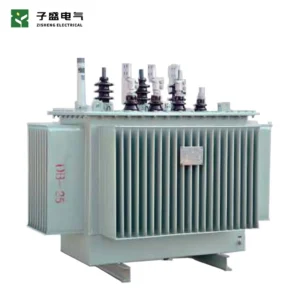
A three phase isolation transformer consists of several essential components that ensure efficient and safe operation. The core, typically made of laminated steel, supports magnetic flux generation required for the electromagnetic induction transformer process.
The primary and secondary windings are designed to maintain complete primary and secondary winding isolation, which is fundamental to the transformer’s function. The transformer winding configuration determines how voltage is transferred and how the transformer interacts with the electrical system.
Additional elements include insulation materials, cooling systems, and enclosures. Features such as transformer shielding and grounding are critical for minimizing electromagnetic interference and enhancing safety. In advanced designs, the transformer may also function as a harmonic filtering transformer, reducing distortion in power systems and improving overall performance in demanding environments.
Main Benefits of Using a Three Phase Isolation Transformer
The advantages of using a three phase isolation transformer are significant, especially in industrial and commercial settings. One of the primary benefits is electrical safety isolation, which protects both equipment and personnel from electrical faults.
Another key benefit is its role as a noise reduction transformer, minimizing electrical interference that can affect sensitive devices. It also provides effective ground loop isolation, preventing unwanted current paths that can lead to instability or damage.
Additionally, it serves as a power conditioning transformer, improving voltage quality and system reliability. By applying advanced voltage isolation techniques, it ensures consistent performance even under fluctuating load conditions. These features make it an indispensable component in modern industrial power distribution systems.
Typical Applications of Three Phase Isolation Transformers
Three phase isolation transformers are widely used across various industries due to their versatility and reliability. In industrial power distribution, they are essential for powering heavy machinery and maintaining stable operations.
They are also commonly used in data centers, hospitals, and telecommunications systems, where clean and stable power is critical. In such environments, the transformer acts as a noise reduction transformer, ensuring that sensitive equipment operates without interference.
In renewable energy systems, these transformers help integrate power from different sources while maintaining system stability. Their ability to function as a harmonic filtering transformer further enhances their value in complex electrical networks, making them suitable for a wide range of demanding applications.
Isolation Transformer vs Other Transformer Types: What’s the Difference?
When comparing isolation transformers with other transformer types, the key difference lies in primary and secondary winding isolation. Standard transformers may share a direct electrical path, whereas isolation transformers provide complete separation between circuits.
This distinction is crucial for applications requiring high levels of electrical safety isolation and noise suppression. In contrast, conventional transformers focus primarily on voltage conversion rather than isolation.
The comparison also extends to delta vs wye connection, where isolation transformers offer flexible configurations to meet specific system requirements. Additionally, features such as transformer shielding and grounding make them more suitable for sensitive and high-risk environments.
Overall, while all transformers rely on the electromagnetic induction transformer principle, isolation transformers provide enhanced protection, making them a preferred choice for critical applications.
Conclusion
Three phase isolation transformers ensure safe, stable, and noise-free power, making them essential for reliable operation in modern industrial and commercial systems.
About ZISHENG ELECTRICAL
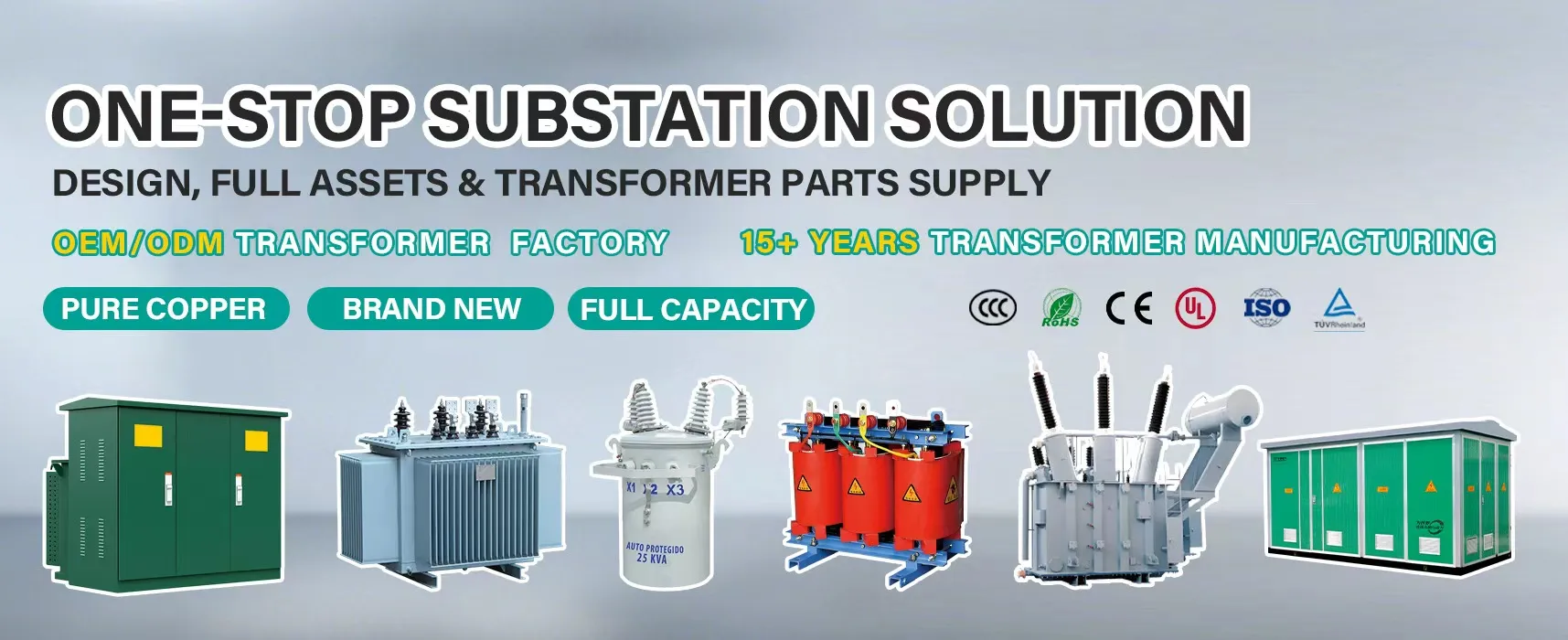
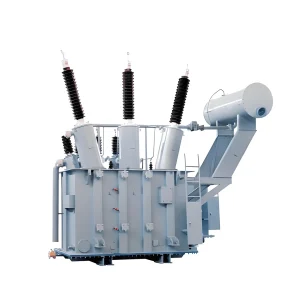
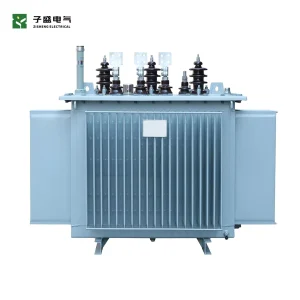
Zisheng are a professional 19+ years manufacturer in producing Oil-Immersed Transformers, Compact Substation, Pad Mounted Transformers, Pole Mounted Transformers and Dry Type Transformers. We own the certificates of ISO/CE/IEC 60076 and TUV Rheinland.
Transformers undergo rigorous FAT and type testing, support voltage/capacity customization. Welcome to consult for Catalog and Product. you can contact us at email info@bdzstransformer.com.