Step-up Transformer: How Does It Improve Voltage Efficiency in Power Transmission Systems?
Low voltage levels during transmission can cause high energy losses and inefficiency, increasing operational costs and reducing system reliability. A step-up transformer provides an effective solution for efficient long-distance power delivery.
A step-up transformer is a device that increases voltage from lower to higher levels, enabling efficient power transmission over long distances. It is widely used in power generation plants, substations, and renewable energy systems to reduce energy loss and improve overall transmission efficiency.
Understanding its functions and applications is essential for optimizing modern electrical infrastructure.
Step-up Transformer: Definition, Features, and Key Applications
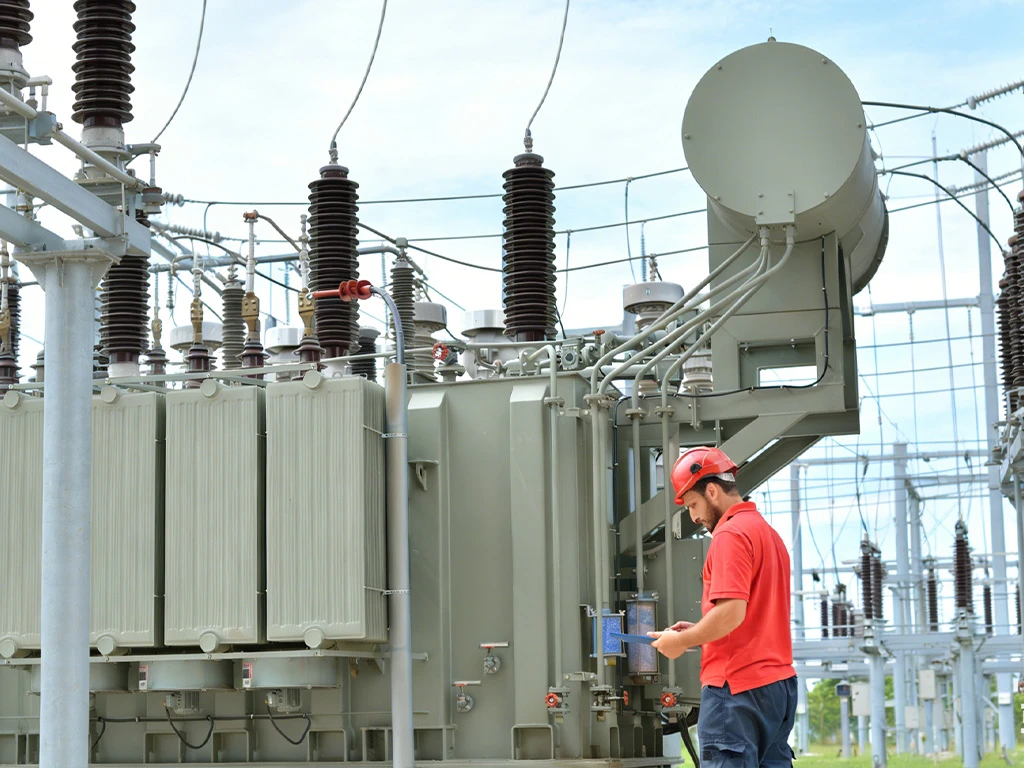
A step-up transformer is a type of voltage step-up transformer designed to increase voltage from the primary winding to the secondary winding. It plays a critical role in power transmission systems, where higher voltage levels reduce current and minimize transmission losses.
These transformers are essential in electric power generation facilities, where electricity produced at lower voltages must be increased before entering the grid. Common applications include power plant transformers, substation transformers, and renewable energy systems such as solar step-up transformers and wind power transformers.
As part of the grid transmission infrastructure, step-up transformers ensure efficient energy delivery across long distances. Their ability to support medium to high voltage conversion makes them indispensable in modern power networks.
How Step-up Transformers Work in Power Generation and Transmission
To understand how a step-up transformer operates, it is important to examine electromagnetic induction principles. When alternating current flows through the primary winding, it creates a magnetic field in the transformer core. This field induces a higher voltage in the secondary winding due to a greater number of turns.
This process enables medium to high voltage conversion, which is essential for efficient energy transmission efficiency. By increasing voltage, current is reduced, leading to lower resistive losses during transmission.
A typical generator step-up transformer (GSU) is used in power plants to connect generators to the transmission grid. These high voltage transformers are designed to handle large capacities and ensure stable operation within complex power transmission systems.
Types of Step-up Transformers in Industrial and Utility Systems
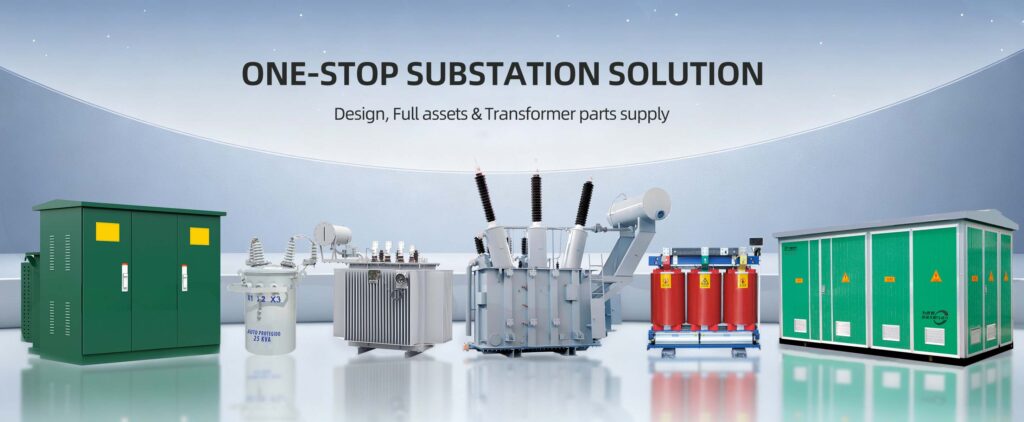
There are several types of step-up transformer designs used across industries. These include oil-immersed transformers, dry-type transformers, and specialized high-capacity units for utility applications.
Generator step-up transformer (GSU) units are commonly used in power plants, while substation transformers handle voltage increases within distribution networks. In renewable energy sectors, solar step-up transformers and wind power transformers are tailored to variable energy inputs.
Industrial systems may use customized transformers for specific loads and environmental conditions. Each type is designed to meet the demands of grid transmission infrastructure, ensuring reliable performance in diverse applications.
Design and Technical Specifications of Step-up Transformers
The electrical transformer design of a step-up transformer focuses on efficiency, durability, and safety. Key parameters include voltage ratio, power capacity, insulation class, and cooling method.
Typical high voltage transformers are designed to handle large loads and operate continuously under demanding conditions. Engineers must evaluate system requirements to ensure proper medium to high voltage conversion.
Advanced materials and construction techniques improve performance and reduce losses, enhancing overall energy transmission efficiency. Proper design also ensures compatibility with existing power transmission systems, supporting stable and reliable operation.
Installation, Maintenance, and Safety Considerations for Step-up Transformers
Proper installation is essential for maximizing the performance of a step-up transformer. These units are typically installed in substations or power plants as part of the grid transmission infrastructure.
Installation guidelines include correct positioning, grounding, and cooling system setup to ensure safe operation. Regular maintenance is also necessary to maintain efficiency and reliability.
Routine inspections, oil testing (for oil-filled units), and component checks help prevent failures. Safety measures are critical, especially for high voltage transformers, to protect personnel and equipment within power transmission systems.
Future Trends in Step-up Transformer Technology and Power Systems
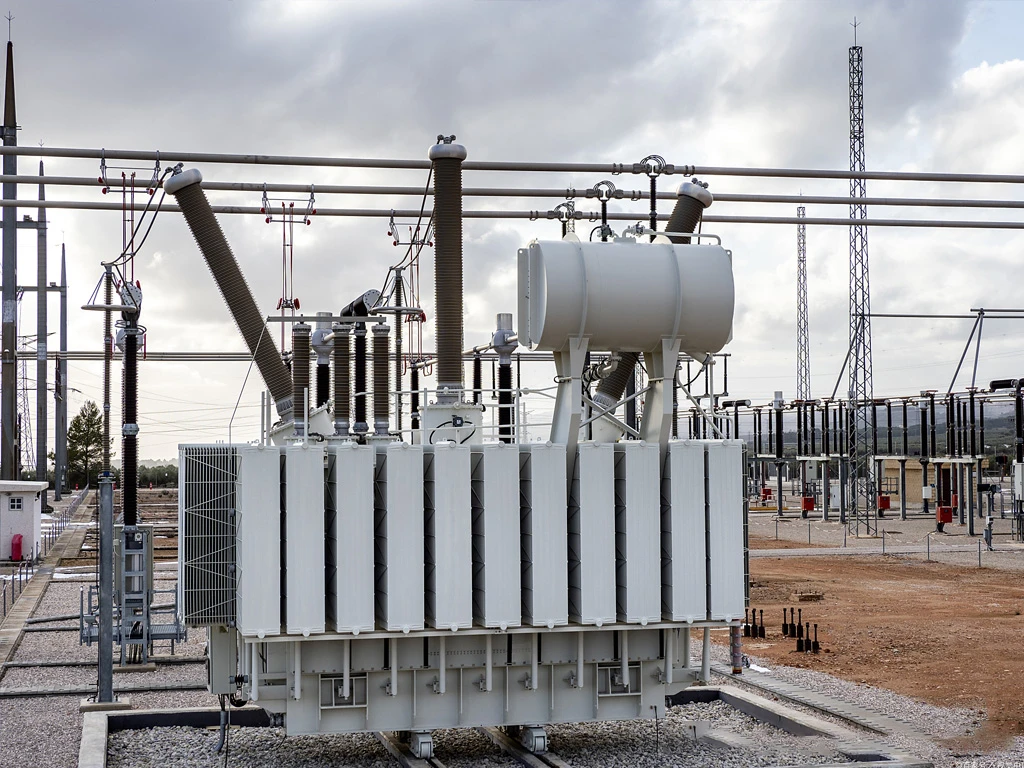
The future of step-up transformer technology is closely linked to the evolution of smart grids and renewable energy integration. As global energy demand increases, these transformers will play a key role in improving efficiency and reliability.
Innovations in materials and monitoring systems are enhancing performance and reducing energy losses. Renewable energy transformers, including solar step-up transformers and wind power transformers, are becoming more advanced and efficient.
With the expansion of grid transmission infrastructure, the importance of step-up transformers will continue to grow. Their role in enabling efficient and sustainable energy systems makes them vital for the future.
Conclusion
Step-up transformers enhance voltage efficiency, reduce losses, and support reliable power transmission, making them essential in modern electrical infrastructure.
About ZISHENG ELECTRICAL
Zisheng are a professional 19+ years manufacturer in producing Oil-Immersed Transformers, Compact Substation, Pad Mounted Transformers, Pole Mounted Transformers and Dry Type Transformers. We own the certificates of ISO/CE/IEC 60076 and TUV Rheinland.
Transformers undergo rigorous FAT and type testing, support voltage/capacity customization. Welcome to consult for Catalog and Product. you can contact us at email [email protected].