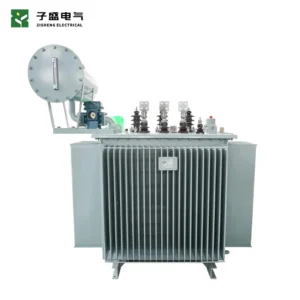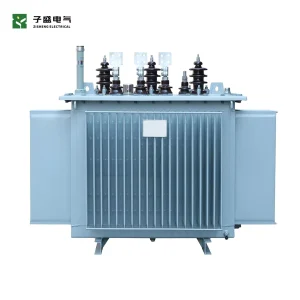
Step-down Transformer: How Can It Ensure Safe and Reliable Power for End-Users?
High transmission voltage cannot be used directly, risking equipment damage and safety hazards. Without proper voltage reduction, systems fail. A step-down transformer ensures safe, stable, and efficient power delivery.
A step-down transformer is an electrical device that reduces high voltage to lower, usable levels for consumers. It is widely used in homes, industries, and power distribution networks to ensure safety, efficiency, and reliable electricity supply.
Understanding its working principles and applications helps users optimize power systems and avoid costly failures.
What Is a Step-down Transformer and How Does It Work?
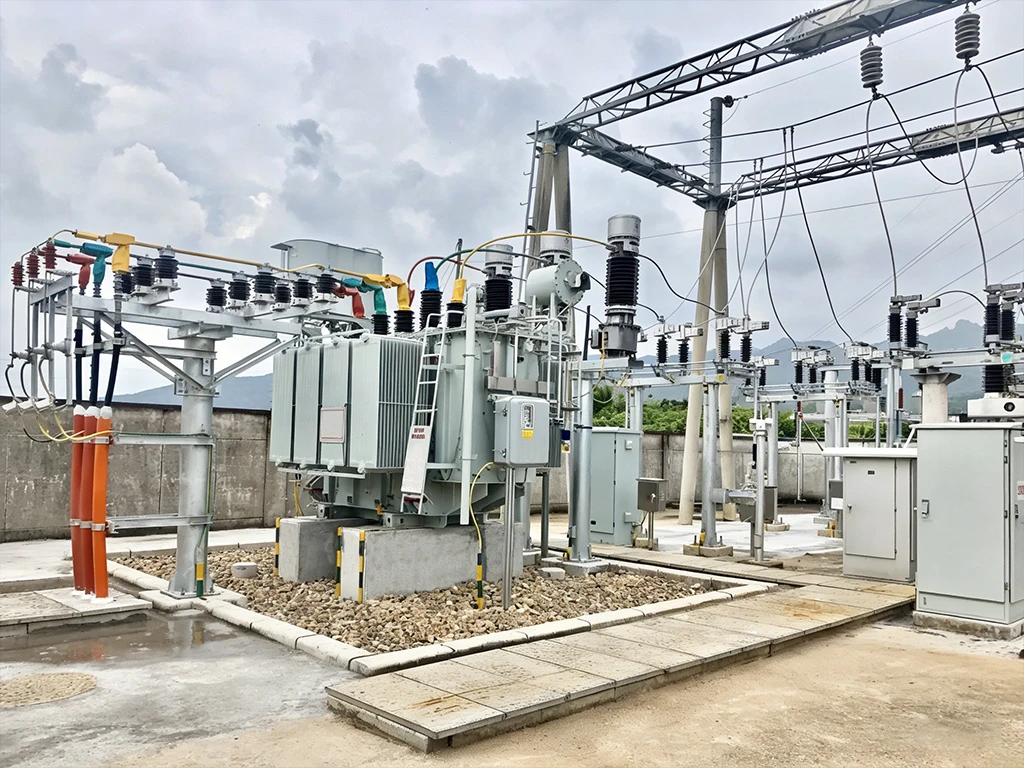
To understand what is a step-down transformer, it is important to recognize its primary function: reducing voltage from a higher level to a lower, usable level. A step-down transformer is a key component in electrical systems, ensuring that electricity delivered from transmission lines is suitable for consumption.
Explaining how step-down transformers work, the transformer operates based on electromagnetic induction. When alternating current flows through the primary winding, it generates a magnetic field in the core. This field induces a lower voltage in the secondary winding, which has fewer turns than the primary.
This voltage reduction process ensures safe energy delivery while maintaining efficiency. By controlling voltage levels, step-down transformers play a critical role in protecting equipment and supporting reliable power usage.
Where Are Step-down Transformers Commonly Used?
Understanding where are step-down transformers used highlights their importance in daily life and industrial operations. These transformers are widely deployed in residential, commercial, and industrial environments.
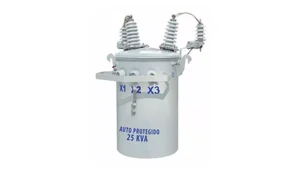
Typical step-down transformer applications include step-down transformer for home use, where high-voltage electricity from the grid is reduced to safe levels for appliances. They are also essential as a step-down transformer for industrial applications, supplying stable voltage to heavy machinery and production systems.
In addition, they are used in substations and distribution networks to ensure proper voltage levels across different stages of power delivery. Their widespread use makes them indispensable in modern electrical infrastructure.
What Are the Advantages of Step-down Transformers?
The advantages of step-down transformers are significant in ensuring safe and efficient energy use. One of the main benefits is voltage regulation, which protects electrical equipment from damage caused by excessive voltage.
Another key advantage is improved system efficiency. By delivering electricity at appropriate voltage levels, they reduce energy waste and enhance performance. This explains why use a step-down transformer in both residential and industrial settings.
They also contribute to system reliability and long service life. With proper step-down transformer maintenance, these transformers can operate efficiently for many years, making them a cost-effective solution for power distribution.
How to Choose the Right Step-down Transformer for Your Application
Knowing how to choose a step-down transformer is essential for achieving optimal performance. Important factors include voltage requirements, load capacity, environmental conditions, and installation space.
Reviewing step-down transformer specifications such as insulation class, efficiency, and cooling methods ensures compatibility with system needs. Proper sizing helps avoid overload or underutilization.
When evaluating step-down transformer cost, it is important to consider not only the initial price but also long-term operational efficiency and maintenance expenses. Following a proper step-down transformer installation guide ensures safe setup and reliable performance.
Step-down Transformer vs Step-up Transformer: What Is the Difference?
The difference between step-down and step-up transformer lies in their function. A step-down transformer reduces voltage for end-user consumption, while a step-up transformer increases voltage for efficient transmission.
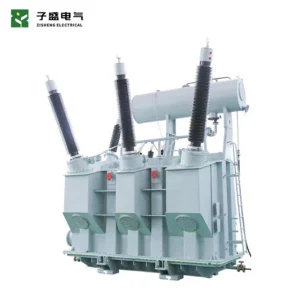
Step-down transformers are typically used in distribution networks and end-use applications, whereas step-up transformers are used in power generation and transmission systems. Both are essential components of the power grid, working together to ensure efficient electricity delivery.
Understanding this distinction helps engineers design balanced and effective electrical systems.
What Is the Future of Step-down Transformers in Modern Power Systems?
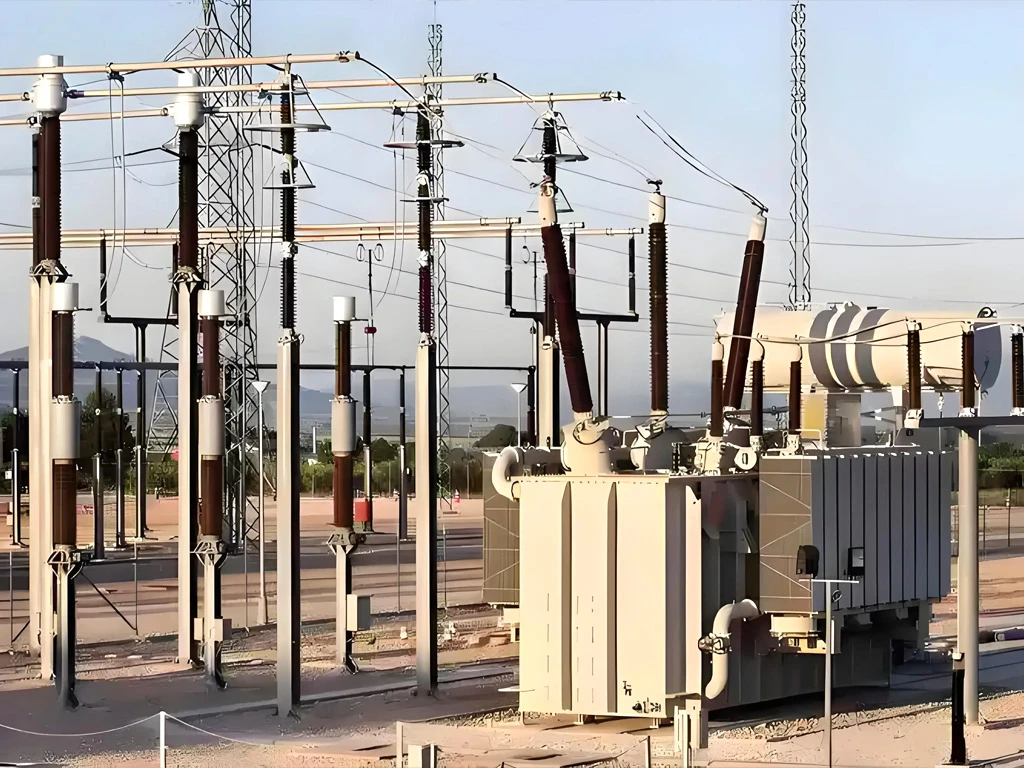
The future of power distribution systems depends heavily on advancements in transformer technology. Step-down transformers are evolving to meet the demands of modern energy networks, including smart grids and renewable energy integration.
Innovations in materials and design are improving efficiency and reducing losses. Digital monitoring systems are enhancing reliability and enabling predictive maintenance.
As electricity demand continues to grow, step-down transformers will remain essential for ensuring safe and efficient energy distribution in modern infrastructure.
Conclusion
Step-down transformers ensure safe voltage levels, improve efficiency, and support reliable power distribution across modern electrical systems.
About ZISHENG ELECTRICAL
Zisheng are a professional 19+ years manufacturer in producing Oil-Immersed Transformers, Compact Substation, Pad Mounted Transformers, Pole Mounted Transformers and Dry Type Transformers. We own the certificates of ISO/CE/IEC 60076 and TUV Rheinland.
Transformers undergo rigorous FAT and type testing, support voltage/capacity customization. Welcome to consult for Catalog and Product. you can contact us at email info@bdzstransformer.com.