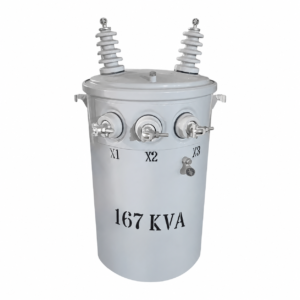
South Africa Power Transformer Procurement: Grid Expansion and EPC Readiness
South Africa’s transmission build-out is changing the questions that utilities, EPC contractors and industrial project owners need to ask before placing a transformer order. Zisheng Electric approaches South Africa power transformer procurement as an interface-management task: the transformer rating matters, but so do the system study, network connection conditions, civil limits, transport route, protection philosophy and acceptance plan.
The scale of the planned work explains why procurement discipline deserves attention. South Africa’s National Treasury stated in June 2025 that more than 14,000 km of new transmission lines would be required over the following decade to accommodate an additional 53 GW of generation capacity. The Development Bank of Southern Africa later summarized the National Transmission Company South Africa’s 2025–2034 Transmission Development Plan as requiring approximately 14,500 km of new lines and 133,000 MVA of transformer capacity. These are system-level planning figures, not a specification for any individual transformer. They do, however, point to a larger and more varied project pipeline in which early technical alignment can protect both delivery dates and lifecycle performance.
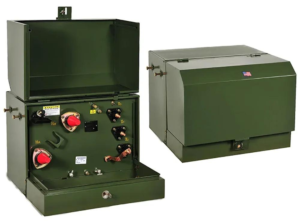
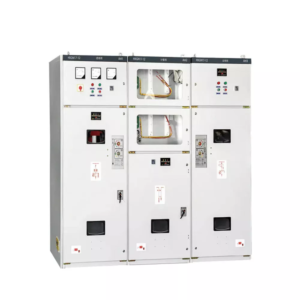
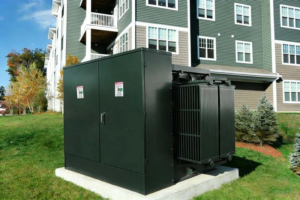
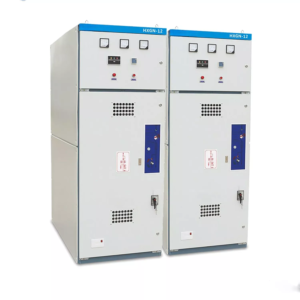
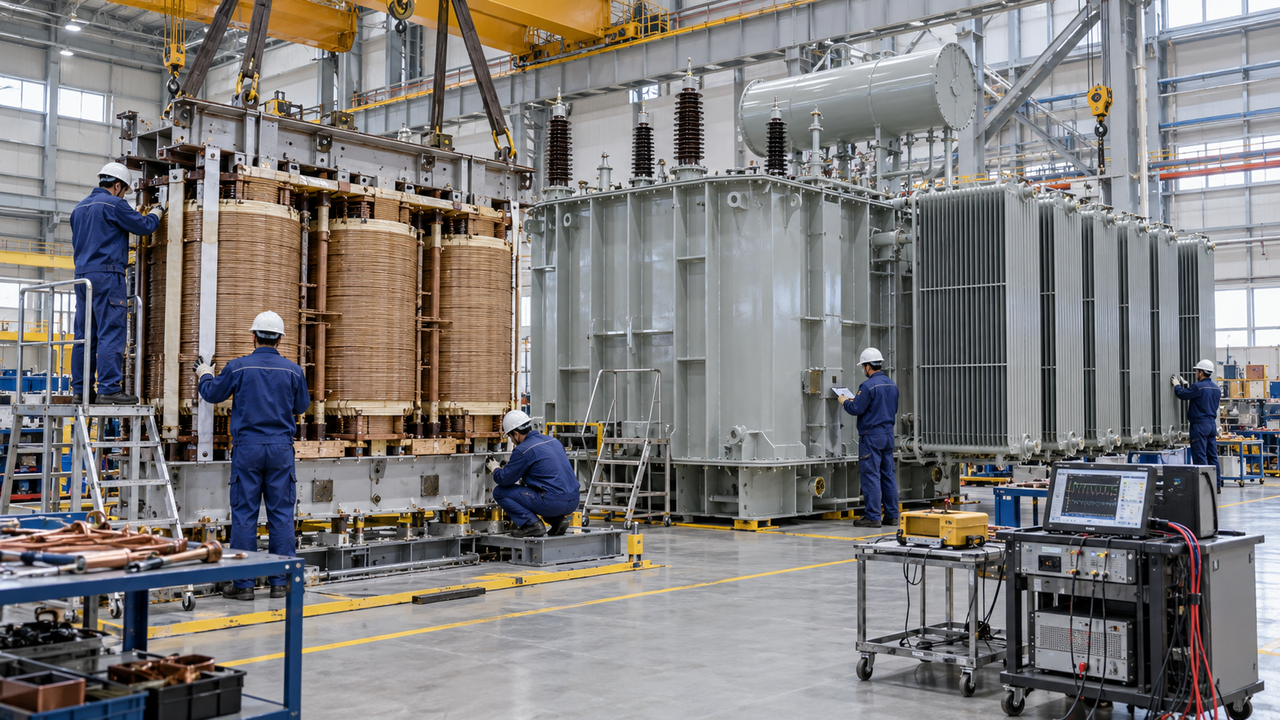
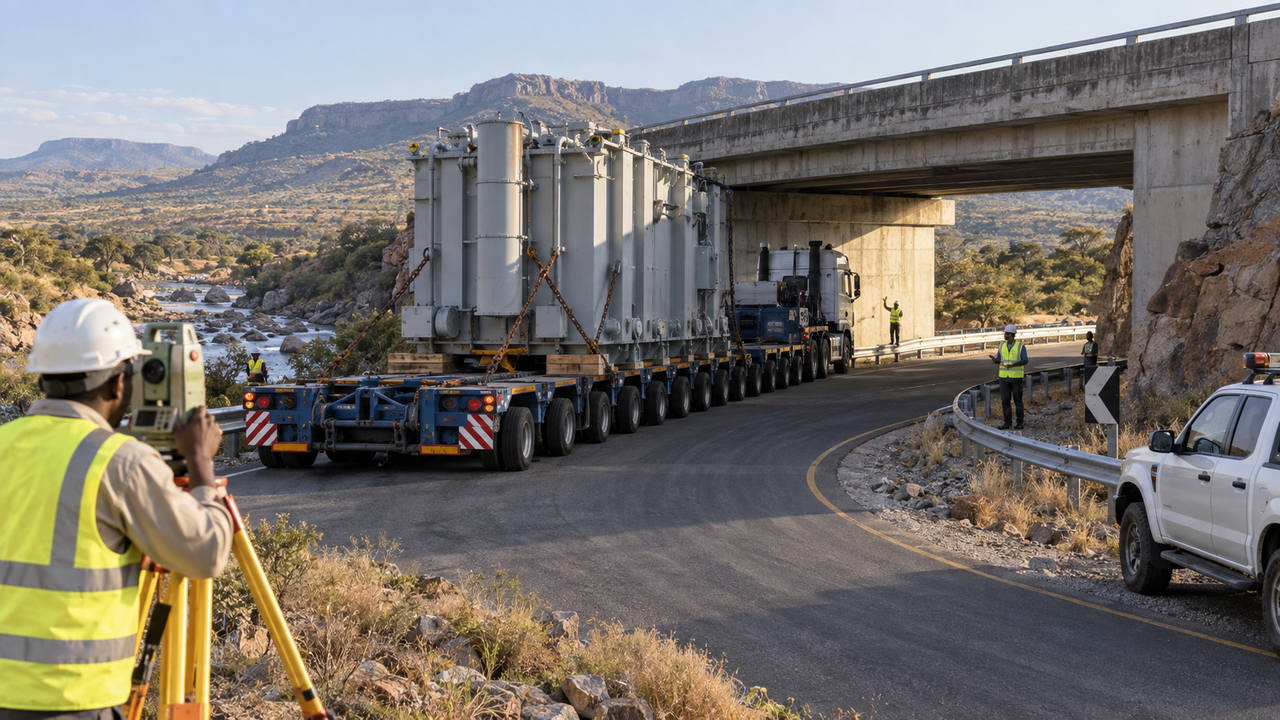
All images in this article are AI-generated engineering illustrations. They do not depict a customer project, an actual Zisheng Electric installation or a recorded factory test.
What the transmission plan means for South Africa power transformer procurement
A national capacity target does not determine a project’s voltage ratio, MVA rating or impedance. Those values must come from the connection agreement, load-flow and short-circuit studies, reactive-power assessment, equipment ratings and the approved single-line diagram. The practical implication of the expansion programme is different: more projects will compete for engineering attention, specialist components, factory test slots, heavy transport resources and site outage windows.
Procurement teams should therefore resist the temptation to issue a short commercial enquiry built around only voltage and MVA. That approach may obtain a quick quotation, but it transfers unresolved interfaces into the order stage. Late changes to bushings, tap range, neutral arrangement, loss capitalization, cooling control or transport dimensions can affect drawings, tank design, accessories, test scope and schedule.
The first package sent to potential suppliers should identify which parameters are fixed by the utility or owner, which remain subject to study, and which may be proposed by the manufacturer. A clean deviation schedule is just as important as the data sheet. It prevents an attractive price from hiding an assumption that is incompatible with the project.

Freeze the electrical duty before freezing the transformer
System voltage, insulation and earthing
Nominal system voltage alone is not enough. The purchaser should state the highest voltage for equipment, system earthing method, insulation levels, neutral insulation, surge-arrester coordination basis and whether temporary operating configurations create a different stress. A transformer designed around the wrong insulation coordination may require major redesign, while an unclear neutral interface can delay protection and grounding reviews.
The applicable standards and utility requirements must be listed by edition in the project specification. IEC 60076 is commonly used for power transformers, but the buyer must confirm the required parts, national adoptions, utility supplements and project-specific deviations. Zisheng Electric does not assume that one utility’s practice automatically applies to another South African project.
Rated power and realistic load cases
Rated MVA should be checked against the operating scenarios, not selected from peak demand alone. Studies should address normal operation, N-1 conditions, future stages, cyclic loading, embedded generation, motor starting and the expected power factor. If two units will operate in parallel, the purchaser must provide ratio, vector group, tap position, impedance and loading constraints for the existing or companion transformer.
A low initial load followed by a rapid generation or industrial expansion may justify a staged cooling arrangement or a future unit, but it does not automatically justify oversizing the first transformer. Excess capacity increases capital cost and may change losses, protection sensitivity, transport weight and civil requirements. Conversely, undersizing can reduce thermal margin and make a planned outage or N-1 condition unmanageable.
Impedance, fault level and voltage performance
Transformer impedance affects both short-circuit current and voltage regulation. A higher impedance may help keep switchgear fault duty within limits, yet it can increase voltage drop and reactive demand. A lower value may support voltage performance while raising fault current. The correct value is a system-study result that must be coordinated with the purchaser’s tolerances and test acceptance criteria.
For renewable connections, the study package should also state converter characteristics, reactive-power requirements, harmonic assessment responsibilities and the operating voltage range at the point of connection. These details influence winding design, tap-changer duty, dielectric coordination and monitoring requirements.
Procurement data that should be confirmed at enquiry stage
| Decision item | Minimum purchaser input | Engineering effect | Risk if left open |
|---|---|---|---|
| Network duty | Single-line diagram, rated and highest voltages, frequency, earthing and fault levels | Insulation coordination, winding connection and mechanical short-circuit design | Redesign, protection mismatch or inadequate equipment rating |
| Power and loading | Continuous rating, load profile, future stages, N-1 case and overload philosophy | Winding temperature, cooling stages and expected service margin | Unnecessary cost or restricted operating capability |
| Voltage control | Tap range, step size, control mode, parallel-operation rules and target bus voltage | OLTC selection, controls and voltage-regulation performance | Circulating current, tap hunting or poor voltage control |
| Loss evaluation | No-load and load-loss limits, capitalization formula and reference temperature | Conductor and core optimization | Lowest purchase price may create higher lifecycle cost |
| Site environment | Maximum/minimum temperature, altitude, pollution, wind, seismic and coastal exposure | Cooling, clearances, coating, bushings and enclosure details | Reduced thermal or dielectric margin and premature corrosion |
| Physical interface | Foundation, rail gauge, terminal elevations, fire separation and maintenance access | Tank outline, marshalling position, cable/bus connection and radiator arrangement | Civil rework or inaccessible accessories |
| Logistics | Port, route survey, bridge/height limits, lifting points and site off-loading plan | Shipping split, transport mass, oil handling and accessory packing | Route refusal, delay or additional site assembly |
| Acceptance | Approved inspection and test plan, witness points, document format and release authority | Production hold points, FAT duration and shipping release | Missed witness tests or shipment without complete records |
Site conditions must become design inputs
Temperature and altitude
South Africa includes coastal, inland plateau, arid and elevated locations. A country name cannot replace the site data. The enquiry should give the design ambient range and installation altitude for the exact location. Higher altitude can affect external insulation and cooling performance; high ambient temperature affects the thermal margin available to the windings and oil. The supplier needs these inputs before finalizing clearances, cooling equipment and guaranteed performance.
Pollution, salt and dust
Coastal salt exposure and inland dust require different controls. The purchaser should define the pollution and corrosion basis, insulator creepage requirement, coating system, stainless-steel grades where specified, cabinet sealing and space-heater philosophy. Simply writing “outdoor tropical” does not establish a measurable requirement. For additional background on environmental specification, see Zisheng Electric’s guide to transformers for coastal West Africa; the same checklist logic applies, but the actual South African site conditions must be verified independently.
Cooling and auxiliary supply
Radiator arrangement, fan or pump staging and control alarms should match the load profile and redundancy philosophy. The buyer should identify available auxiliary AC and DC supplies, preferred control voltage, duplicated feeder expectations and the interface with the substation control system. Missing auxiliary details often remain invisible until schematic review, when changing motors, contactors or terminal blocks may already affect procurement.
Convert the specification into controlled documents
A practical order should have a document register with named reviewers, submission dates and approval codes. At minimum, include the guaranteed technical particulars, outline drawing, foundation loading, bushing data, schematic diagrams, terminal plan, tap-changer information, cooling-control logic, nameplate drawing, shipping arrangement, test schedule and operation manuals.
Use an interface register to track each cross-discipline decision. Civil engineers need verified static and dynamic loads. Protection engineers need CT data, vector group, zero-sequence information and inrush assumptions. Control engineers need the I/O list and protocol requirements. Logistics teams need transport dimensions and centre-of-gravity data. Operations personnel need access clearances, isolation points, spares and maintenance tooling.
The register should distinguish “information required for design” from “information required before manufacture” and “information required before shipment.” This simple distinction helps avoid holding fabrication for a document that can be finalized later, while protecting the decisions that genuinely affect the active part or tank.
Manufacturing surveillance and FAT planning
The inspection and test plan should identify review, witness and hold points agreed before production. The scope depends on the project specification and applicable standards. Typical controls can include material certificates, winding and active-part inspections, ratio and vector-group checks, winding resistance, insulation tests, no-load and load-loss measurements, impedance verification, temperature-rise evidence where required, functional checks of cooling controls and tap-changer operation, leak checks and final dimensional inspection.
The purchaser should state which tests require attendance, what notice period applies, whether calibrated instruments and raw records must be reviewed, and who can release the unit for packing. The acceptance limits must be traceable to the approved specification. A generic FAT agenda sent shortly before the test creates disputes that can otherwise be avoided.
Zisheng Electric’s articles on 33 kV oil-immersed transformer project decisions and transformer voltage regulation for African industrial plants provide related checks for project teams developing their enquiry and review packages.
Transport is part of transformer design
Large transformers cannot be treated as ordinary cargo. Route feasibility should be studied before the shipping configuration is frozen. Port handling limits, axle-load controls, bridge capacity, road width, gradients, overhead clearances, turning radii, permits and site access may determine whether radiators, bushings, conservator and oil ship separately. The preferred shipping split then affects factory assembly, packing, site erection, oil processing and testing.
The purchase specification should define transport acceleration monitoring if required, preservation period, nitrogen or dry-air arrangement, oil shipment method, shock-recorder review, storage conditions and inspection after arrival. It should also assign responsibility for cranes, jacking, skidding, final positioning and disposal of packing material. A technically acceptable transformer that cannot reach the foundation on schedule is not an acceptable project outcome.
An assumed enquiry example
Illustrative example only — not a real project: an EPC contractor is preparing an enquiry for a grid substation transformer. The approved single-line diagram shows the voltage ratio and vector group, but final short-circuit study results and the utility’s protection interface comments are still open. Instead of inserting guessed values, the enquiry marks impedance, neutral CT details and protection data as “subject to study/utility confirmation,” gives a decision date, and asks bidders to identify schedule impact if the values change after design freeze.
The same enquiry supplies confirmed ambient temperature, altitude, foundation envelope, terminal orientation, auxiliary voltages, language requirements, transport-route limits and document workflow. Bidders can then price the known scope consistently and list exceptions against the same open-item register. This produces a more useful technical comparison than a tender in which every supplier silently assumes different conditions.
Buyer checklist before issuing the RFQ
- Issue the latest single-line diagram, load cases and system-study responsibility matrix.
- State rated and highest voltages, frequency, earthing, insulation levels and fault duties.
- Define MVA ratings, cooling stages, overload philosophy and future expansion cases.
- Confirm tap range, control mode, parallel-operation requirements and communication interfaces.
- Provide exact site temperature, altitude, pollution, corrosion, wind and seismic inputs.
- Attach the civil interface drawing, terminal arrangement and maintenance-access constraints.
- Complete a preliminary route survey before approving the shipping outline.
- Define guaranteed losses, evaluation method, noise limits and acceptance tolerances.
- Agree the document register, inspection plan, FAT witness points and shipment-release authority.
- Request a priced schedule for commissioning spares, operating spares and special tools.
Choosing the product range without skipping the studies
Zisheng Electric can review project requirements against available product ranges such as the 132 kV/138 kV power transformer, the 138 kV–150 kV three-phase oil-immersed transformer and the 66 kV/69 kV power transformer. These product pages are starting points, not substitutes for the project specification or utility approval.
For a South Africa power transformer procurement enquiry, send the drawings, data sheets, load list, technical specification, single-line diagram, network parameters, environmental conditions and installation-site constraints. Identify every value that remains subject to a system study or utility decision. Zisheng Electric can then review the technical interfaces and return a focused list of clarifications with the proposed equipment configuration. Our engineering team will review the requirements and respond to project inquiries within 24 hours.
Authoritative planning sources
- South African National Treasury: Independent Transmission Programme, 6 June 2025
- Development Bank of Southern Africa: Transmission Infrastructure Investment Models
About ZISHENG ELECTRICAL
Zisheng are a professional 19+ years manufacturer in producing Oil-Immersed Transformers, Compact Substation, Pad Mounted Transformers, Pole Mounted Transformers and Dry Type Transformers. We own the certificates of ISO/CE/IEC 60076 and TUV Rheinland.
Transformers undergo rigorous FAT and type testing, support voltage/capacity customization. Welcome to consult for Catalog and Product. you can contact us at email [email protected].