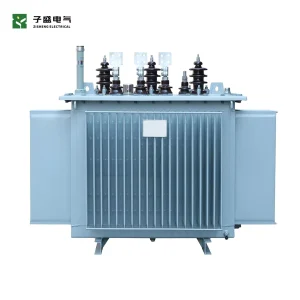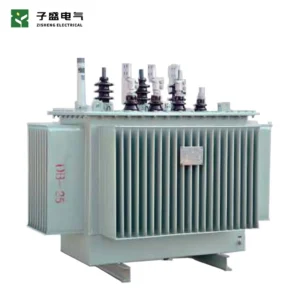
Smart Transformer Technology: How Can It Revolutionize Modern Power Distribution?
Power systems face inefficiency, outages, and rising maintenance costs. Without intelligent monitoring, failures escalate quickly. Smart transformer technology offers real-time control and predictive insights, ensuring stability.
Smart transformer technology integrates digital sensors and communication systems for real-time monitoring and control. IoT-enabled transformers provide continuous data collection, enabling utilities to improve operational efficiency, enhance reliability, and support predictive maintenance. These systems play a critical role in modern smart grids by enabling remote monitoring, adaptive performance, and seamless integration with renewable energy sources.
This article explores how smart transformer technology is reshaping power distribution and why it is essential for future energy systems.
What Is Smart Transformer Technology?
Smart transformer technology refers to advanced transformer systems embedded with digital sensors, communication modules, and intelligent control capabilities. Unlike conventional transformers, these systems are designed to monitor, analyze, and optimize performance in real time. Smart transformer technology integrates digital sensors and communication systems for real-time monitoring and control, allowing operators to gain continuous visibility into voltage, current, temperature, and load conditions.
These transformers are not just passive devices but active components within digital power networks. IoT-enabled transformers provide continuous data collection to improve operational efficiency and reliability. By leveraging real-time data analytics, smart transformers can detect abnormalities, predict failures, and adjust operations dynamically. This transformation from traditional equipment to intelligent assets enables utilities and industries to achieve higher levels of automation, efficiency, and resilience in power distribution systems.
Key Features and Functional Capabilities
Smart transformers are equipped with a range of advanced features that distinguish them from traditional systems. One of the most critical capabilities is real-time monitoring, which allows operators to track performance metrics continuously. Advanced monitoring systems enable remote management and significantly reduce the need for manual inspection, improving operational efficiency and safety.
Another essential feature is predictive maintenance. Smart transformers support predictive maintenance by analyzing performance data and detecting potential faults in advance. This reduces unplanned downtime and extends the lifespan of the equipment. Additionally, real-time data analytics helps optimize transformer performance and reduce energy losses, ensuring efficient energy utilization.
Smart transformers also incorporate adaptive control mechanisms, allowing them to respond dynamically to load variations. This is particularly important in modern grids where demand patterns fluctuate frequently. Furthermore, cybersecurity and data protection are critical considerations in smart transformer deployment, ensuring that sensitive operational data remains secure from potential threats.
Integration with IoT and Digital Monitoring Systems
The integration of IoT and digital monitoring systems is a defining characteristic of smart transformer technology. IoT-enabled transformers provide continuous data collection, enabling seamless communication between devices, control centers, and grid management systems. This connectivity allows operators to monitor transformer conditions remotely and make informed decisions in real time.
Advanced monitoring systems allow remote management and reduce the need for manual inspection, which is especially beneficial in large-scale or geographically dispersed power networks. Through cloud-based platforms and digital dashboards, operators can access performance data, analyze trends, and implement corrective actions instantly.
Moreover, the integration of IoT facilitates the use of real-time data analytics, which helps optimize transformer performance and reduce energy losses. This digital transformation enhances the overall efficiency and reliability of power systems. However, as connectivity increases, cybersecurity and data protection become critical considerations, requiring robust systems to safeguard operational integrity and prevent unauthorized access.
Benefits of Smart Transformers in Power Distribution
Smart transformers offer numerous advantages in modern power distribution systems. One of the primary benefits is improved reliability. By enabling real-time monitoring and predictive maintenance, these transformers minimize the risk of unexpected failures and ensure continuous power supply.
Energy efficiency is another significant benefit. Real-time data analytics helps optimize transformer performance and reduce energy losses, contributing to energy saving and consumption reduction. This is particularly important for utilities and industrial users seeking to lower operational costs and meet sustainability goals.
Smart transformer solutions enhance grid stability and improve power quality in modern energy systems. They can regulate voltage fluctuations, manage load imbalances, and respond quickly to disturbances. Additionally, advanced monitoring systems allow remote management, reducing labor costs and improving operational efficiency.
Finally, the ability to support predictive maintenance not only extends equipment lifespan but also reduces maintenance expenses. This combination of reliability, efficiency, and cost-effectiveness makes smart transformers a valuable investment for modern power infrastructure.
Applications in Smart Grid and Renewable Energy Systems
Smart transformers play a key role in the development of smart grids and digital power distribution networks. In smart grid environments, these transformers act as intelligent nodes that facilitate real-time communication and coordination between different components of the grid. This enables efficient load management, fault detection, and system optimization.
The integration with renewable energy systems presents another important application. Renewable energy sources such as solar and wind are inherently variable, requiring transformers to handle fluctuating loads and bidirectional power flow. Smart transformer technology is specifically designed to manage these challenges, ensuring stable and efficient energy distribution.
Integration with renewable energy systems requires transformers to handle variable loads and bidirectional power flow, which smart transformers achieve through adaptive control and real-time monitoring. This capability supports the transition toward cleaner energy systems while maintaining grid stability.
Additionally, smart transformers are widely used in industrial facilities, data centers, and infrastructure projects where reliable and efficient power distribution is critical. Their ability to provide real-time insights and adaptive performance makes them essential for modern energy applications.
Future Trends and Development of Smart Transformer Technology
The future of smart transformer technology is closely tied to advancements in artificial intelligence, automation, and digitalization. Future smart transformers will incorporate AI and automation to enable self-diagnosis and adaptive operation. These capabilities will allow transformers to identify issues, optimize performance, and even implement corrective actions without human intervention.
Another key trend is the increasing use of big data and advanced analytics. Real-time data analytics will continue to play a vital role in optimizing transformer performance and reducing energy losses. As data collection becomes more sophisticated, predictive maintenance models will become more accurate and effective.
Cybersecurity and data protection will also remain critical considerations as smart transformers become more interconnected. Ensuring secure communication and data integrity will be essential for maintaining trust and reliability in digital power systems.
Furthermore, the ongoing development of smart grids and renewable energy integration will drive the demand for advanced transformer solutions. Smart transformers will continue to evolve, offering higher efficiency, greater flexibility, and improved performance to meet the needs of modern energy systems.
Conclusion
Smart transformer technology enhances efficiency, reliability, and sustainability, making it essential for future-ready power distribution and smart energy systems.
About ZISHENG ELECTRICAL
Zisheng are a professional 19+ years manufacturer in producing Oil-Immersed Transformers, Compact Substation, Pad Mounted Transformers, Pole Mounted Transformers and Dry Type Transformers. We own the certificates of ISO/CE/IEC 60076 and TUV Rheinland.
Transformers undergo rigorous FAT and type testing, support voltage/capacity customization. Welcome to consult for Catalog and Product. you can contact us at email info@bdzstransformer.com.