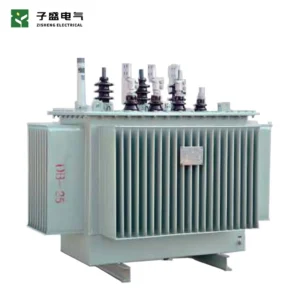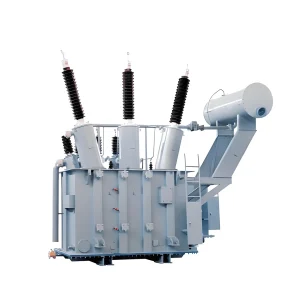
Single-phase Transformer: How to Choose the Best Solution for Efficient and Reliable Power Supply?
Voltage instability, inefficient equipment, and improper selection often lead to energy waste and system failures. Choosing the right single-phase transformer ensures stable performance, safety, and cost efficiency.
A single-phase transformer is widely used in residential and light commercial power systems to step voltage up or down efficiently. It ensures safe electricity distribution, reduces energy losses, and supports reliable operation in low voltage networks, making it essential for modern homes and small-scale applications.
Understanding its working principles and selection criteria helps users avoid costly mistakes and improve system reliability.
What Is a Single-phase Transformer and How Does It Work?
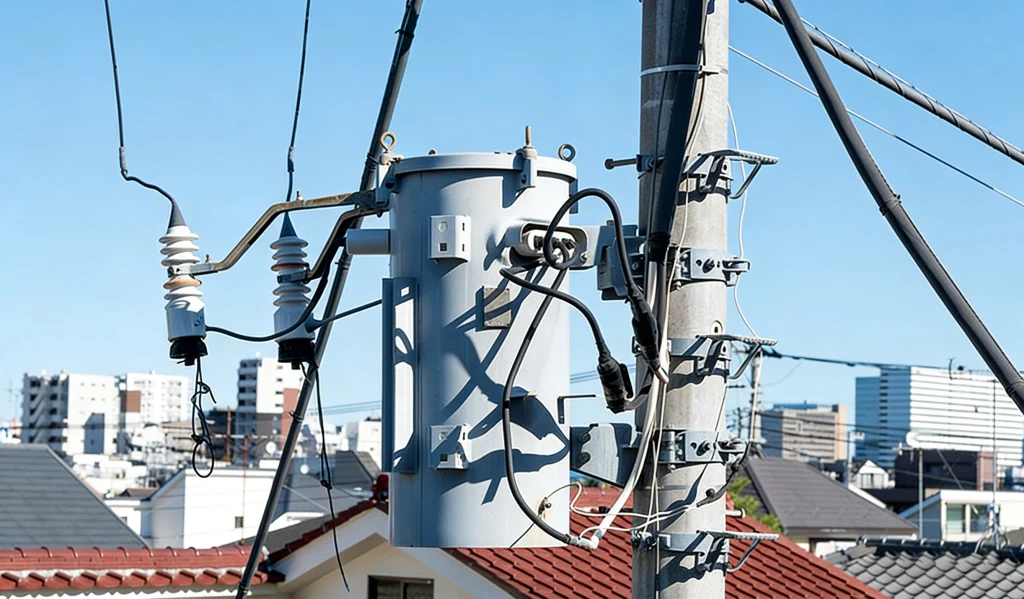
Understanding what is a single-phase transformer is essential for selecting the right equipment. A single-phase transformer is an electrical device that transfers energy between two circuits using electromagnetic induction, commonly used in low-power applications.
To explain how single-phase transformers work, alternating current flows through the primary winding, creating a magnetic field in the core. This magnetic field induces voltage in the secondary winding, allowing energy transfer without direct electrical connection.
This process ensures efficient voltage conversion in residential environments. The advantages of single-phase transformers include simple design, lower cost, and ease of installation. These features make them ideal for residential transformer solutions, where stable and safe electricity supply is critical for daily operations.
Where Are Single-phase Transformers Commonly Used?
Understanding where are single-phase transformers used helps clarify their importance in everyday life. These transformers are widely applied in homes, small businesses, and light commercial facilities where power demand is relatively low.
Typical single-phase transformer applications include lighting systems, household appliances, HVAC units, and office equipment. They are also essential in rural electrification projects and small infrastructure developments.
As the best transformer for home use, they provide stable voltage and protect electrical devices from fluctuations. Their role in residential transformer solutions ensures reliable electricity supply across neighborhoods.
Additionally, they are used in small-scale power distribution networks, supporting efficient and safe energy delivery in local communities.
What Are the Different Types of Single-phase Transformers?
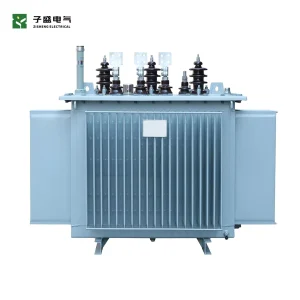
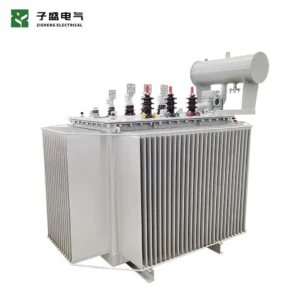
There are several types of single-phase transformers designed to meet different application needs. The most common include oil-filled transformers and dry-type transformers.
Oil-filled transformers use insulating oil for cooling and are suitable for outdoor installations, offering high efficiency and durability. Dry-type transformers, on the other hand, use air cooling and are preferred for indoor environments due to enhanced safety.
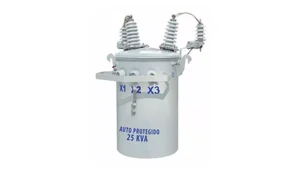
Other types include pole-mounted and pad-mounted transformers used in distribution systems. Each type is designed with specific single-phase transformer specifications, such as voltage rating, insulation level, and cooling method.
Understanding these variations helps users select the most suitable transformer for their application while optimizing performance and reliability.
How to Choose the Right Single-phase Transformer for Your Application
Knowing how to choose a single-phase transformer is crucial for ensuring system efficiency and reliability. The selection process should consider load requirements, voltage levels, and environmental conditions.
Key single-phase transformer specifications include capacity (kVA), frequency, insulation class, and cooling method. Buyers should also evaluate the single-phase transformer cost, balancing initial investment with long-term energy savings.
Following a proper single-phase transformer installation guide ensures safe setup and optimal performance. Additionally, regular single-phase transformer maintenance is essential to extend service life and prevent unexpected failures.
A well-informed selection process helps users choose the most efficient and reliable solution for their specific needs.
Single-phase vs Three-phase Transformer: What Is the Difference?
The comparison of single-phase vs three-phase transformer is important when selecting the right system. A single-phase transformer operates with one alternating current, while a three-phase transformer uses three currents with phase differences.
The advantages of single-phase transformers include simplicity, lower cost, and suitability for small-scale applications. They are ideal for homes and small businesses.
In contrast, three-phase transformers are more efficient for heavy loads and industrial use. However, for residential applications, single-phase systems remain the preferred choice.
Understanding this difference helps users select the appropriate transformer based on power requirements and application scenarios.
What Is the Future of Single-phase Transformers in Modern Power Systems?
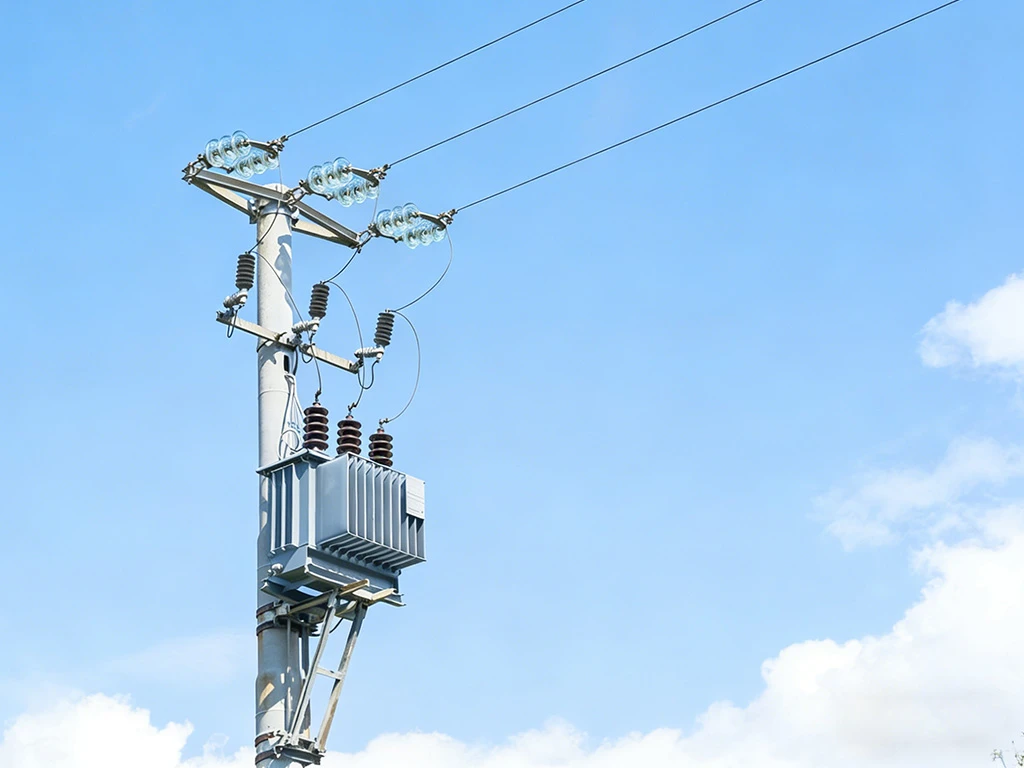
The future of single-phase power systems is evolving with advancements in smart grid technology and energy efficiency. Modern transformers are being designed with improved materials and intelligent monitoring systems.
Integration with digital technologies allows real-time performance tracking and predictive maintenance. These innovations enhance reliability and reduce operational costs.
Additionally, the development of eco-friendly and energy-efficient designs is shaping the next generation of transformers. These improvements support sustainable energy distribution and reduced environmental impact.
As demand for reliable electricity continues to grow, single-phase transformers will remain essential in residential and small-scale power systems.
Conclusion
A well-chosen single-phase transformer ensures efficient, safe, and reliable power supply for residential and light commercial applications worldwide.
About ZISHENG ELECTRICAL
Zisheng are a professional 19+ years manufacturer in producing Oil-Immersed Transformers, Compact Substation, Pad Mounted Transformers, Pole Mounted Transformers and Dry Type Transformers. We own the certificates of ISO/CE/IEC 60076 and TUV Rheinland.
Transformers undergo rigorous FAT and type testing, support voltage/capacity customization. Welcome to consult for Catalog and Product. you can contact us at email info@bdzstransformer.com.