Electrolyser Transformer Specification for African Projects: Converter Data, Duty Cases and Bid Evidence
Electrolyser transformer specification begins with the selected power-conversion system and its operating cases, not a single plant megawatt figure. For an African hydrogen project, the transformer enquiry should connect the grid interface, converter input requirements, thermal duty and site conditions before suppliers offer equipment on different assumptions.
The practical buying decision is whether each bid describes the same application and provides evidence for the proposed arrangement. This guide sets out seven procurement checks for EPC teams and industrial buyers. It is a review framework, not a completed transformer design or a claim that one standard distribution unit suits every electrolyser.
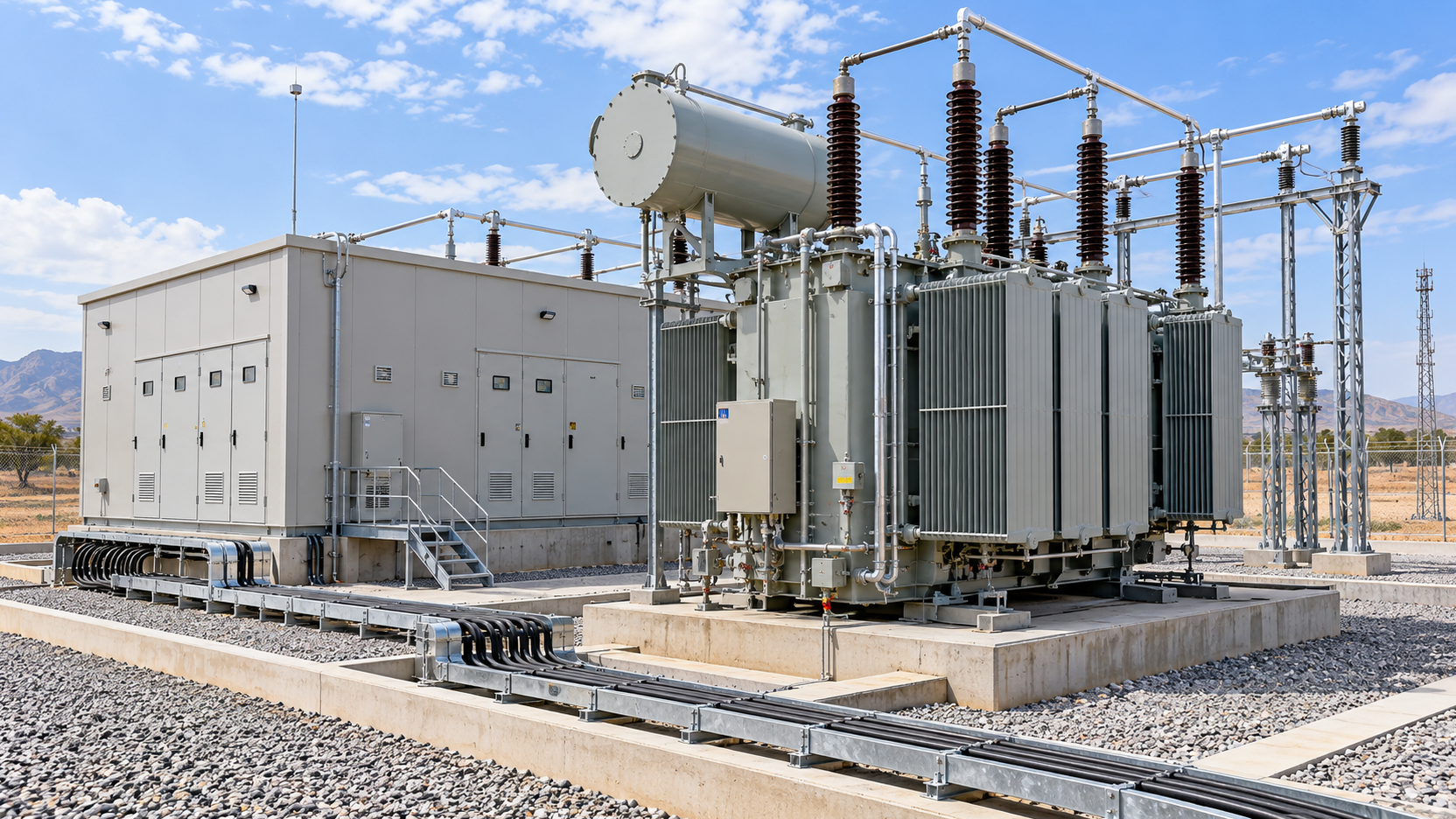
Contents
- 1. Define the electrical package boundary
- 2. Obtain converter input data
- 3. Agree operating duty cases
- 4. Reconcile harmonic and thermal evidence
- 5. Specify the actual African site
- 6. Compare bids on a common basis
- 7. Close factory and site acceptance
- Frequently asked questions
1. Define the electrolyser transformer specification boundary
Start with the approved or preliminary single-line diagram. Identify the grid connection transformer, any transformer feeding the rectifier or converter, and the separate auxiliary supplies. These functions may be combined or separated by the selected architecture. Record the actual arrangement rather than applying the label “hydrogen transformer” to every unit in the plant.
Hitachi Energy’s hydrogen transformer overview distinguishes rectification-related transformer applications from grid-connection applications. The procurement implication is to define each unit’s duty and interface separately. The reference describes that manufacturer’s portfolio; it is not evidence of Zisheng Electric’s supplied project scope or qualification.
Assign responsibility for the AC connection, converter package, DC system, cooling, protection, communications and system studies. A transformer supplier cannot confirm converter-specific behavior from an electrolyser production target alone. The converter integrator must provide the relevant electrical data, while the system designer coordinates those data with the grid and other plant loads.
Keep package interfaces visible in the purchase order
Record who supplies terminal connectors, bus connections, interconnecting cables and mechanical supports. Identify the owner of each drawing approval and the last date for final interface data. If a converter model changes after transformer design approval, the change must return to engineering review rather than being treated as a like-for-like purchasing substitution.

2. Obtain data for the selected converter configuration
Request the converter manufacturer, model and topology, rated AC input, permitted voltage range, frequency and the operating cases used to derive the input current. Obtain the winding arrangement and phase relationships required by the converter designer. Where several secondary windings or converter modules are involved, identify the duty of each winding and the permitted combinations of operation.
The enquiry should distinguish the electrolyser’s DC requirement from the transformer’s AC duty. Include the converter’s supported data for losses, reactive demand and relevant current distortion at the agreed operating points. Do not convert a headline DC power figure into a final transformer rating by applying an unexplained allowance. Every conversion assumption needs an owner and a document reference.
Clarify the voltage-control responsibility. State whether adjustment is provided by the converter, transformer taps, an upstream regulating arrangement or a coordinated combination. Ask the responsible designer to define the required range and operating constraints. The transformer tap range should follow this agreed interface, not an arbitrary percentage copied from a previous industrial enquiry.
For modular equipment, ask whether the proposed arrangement permits operation with a module unavailable, and what electrical conditions then apply. The answer can affect winding loading, source demand and the acceptance case list. Keep the supplier’s confirmed limits separate from the buyer’s requested operating flexibility.
3. Agree load cases across the project lifecycle
An electrolyser transformer specification needs a duty schedule that describes time and operating state as well as maximum demand. Include the intended production cases, turndown conditions, planned standby states and credible restoration sequence. If the plant follows a variable power source, provide the agreed operating profile and the controls that enforce it.
Distinguish the initial project phase from the final expansion. A transformer bought for future capacity may spend an extended period at a different loading pattern. Ask suppliers to state the guarantees and limitations for the specified phases. Do not assume that one rated-point efficiency value represents the annual operating result or every converter state.
Siemens Energy’s Power-to-X overview treats grid connection, electrolysis and auxiliary systems as connected parts of the plant. For procurement, use a coordinated electrical load schedule that also identifies water treatment, cooling and compression where these are within the project boundary. Do not silently add them to a transformer package that serves only the conversion train.
Turn operating assumptions into reviewable cases
- Normal production: defined module combination, load level and source condition.
- Reduced production: confirmed converter input characteristics at the agreed operating point.
- Contingency: permitted operation after a module or auxiliary function is unavailable.
- Restoration: the approved sequence after an interruption, including relevant temporary conditions.
- Expansion: the accepted future configuration and the changes required before it can operate.
For each case, identify whether the input is confirmed, preliminary or excluded from the offer. An assumption register is particularly useful when the process package is still being selected. Close assumptions at an agreed design gate so that a preliminary calculation is not mistaken for the final duty guarantee.
4. Reconcile harmonic, loss and thermal evidence
Request converter input-current information in the form needed by the transformer and system designers. A single total distortion figure may not describe the individual components and operating conditions needed for an assessment. Record the data source, load point, supply assumptions and measurement or modelling basis. Ask both parties to confirm that the data represent the offered configuration.
The supplier’s thermal review should identify how the specified duty is reflected in the transformer design and guarantees. The plant power-quality assessment addresses a wider boundary. Keep these deliverables coordinated while stating what each one proves. A transformer thermal assessment does not independently establish grid compliance, and a compliant connection study does not document every internal transformer temperature.
The existing transformer harmonic heating assessment guide provides a useful structure for the input package. For an electrolyser application, replace generic drive assumptions with the selected converter’s actual data and operating cases. The application name alone is not a supported harmonic spectrum.
Ask for the basis of guaranteed losses and the conditions to which each value applies. Identify included auxiliary consumption and any separately evaluated cooling equipment. If two bidders use different load cases or thermal assumptions, resolve the difference before comparing figures. Avoid presenting a lower number as an efficiency advantage until the bases are equivalent.
Record the limits of the evidence
A routine factory test establishes the quantities and conditions covered by its procedure. It may not reproduce the complete converter waveform, grid interaction or every variable-load condition. Agree which claims are supported by test, design calculation, applicable experience or a coordinated system study, and identify any qualification still required.
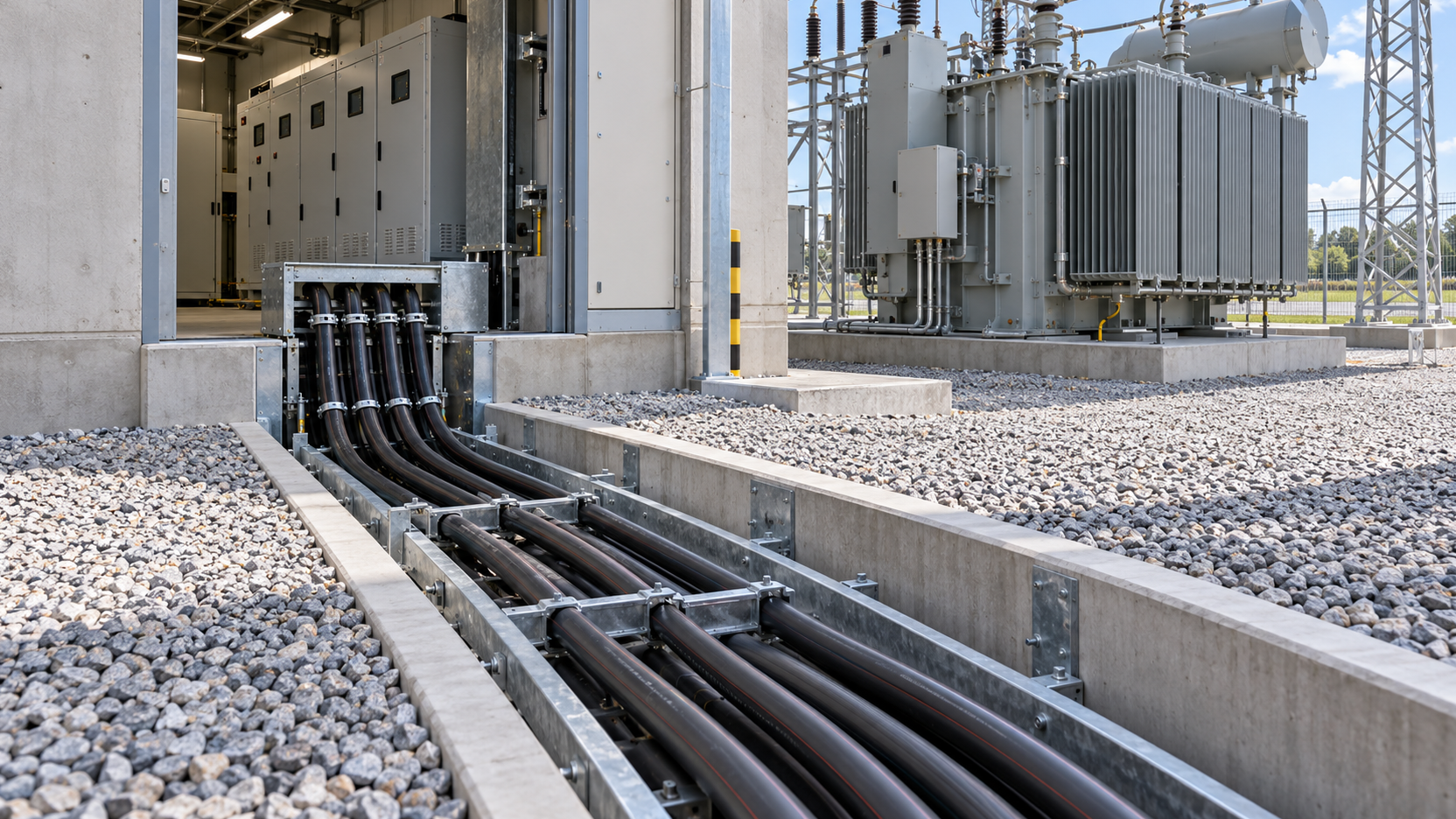
5. Specify the actual site instead of a regional default
African projects span different elevations, climates, utilities and logistics conditions. Provide the named site’s ambient-temperature basis, altitude, installation arrangement, pollution exposure and maintenance constraints. State the source of these inputs and whether they are preliminary. Do not apply a blanket derating factor or assume every project shares the same dust or coastal conditions.
Coordinate transformer placement with the approved plant layout and the relevant process-area classification. The process and electrical safety designers must establish the installation restrictions. This article does not assign hazardous-area boundaries or claim that a conventional transformer enclosure is suitable inside a classified area.
Review the actual cooling arrangement and available utilities. If a supplier proposes equipment that depends on external cooling or a separate auxiliary supply, record the required interfaces, availability assumptions and monitoring responsibility. An efficient equipment selection on paper can still leave an unresolved utility interface at site.
For delivery planning, obtain the offered transport dimensions and masses, required assembly scope, preservation instructions and access needs. A remote site may require a different spares and service plan from a facility near established maintenance resources. Specify the required outcome without inventing a standard lead time or claiming local service coverage that has not been agreed.
6. Compare bids using an evidence matrix
Use the following table to structure the technical clarification meeting. Enter document numbers, revisions and responsible parties for the actual project. The acceptance criteria must come from the approved design, contract and applicable requirements rather than from this generic checklist.
| Положение тендерной документации | Comparable evidence | Question before award |
|---|---|---|
| Package boundary | Single-line diagram and scope schedule | Do the offers include the same equipment and interfaces? |
| Converter duty | Selected converter data and winding requirements | Is the offered transformer reviewed for that configuration? |
| Примеры применения | Duty profile and module combinations | Which cases are guaranteed, preliminary or excluded? |
| Тепловых характеристик | Harmonic inputs, design basis and guarantee conditions | Do the thermal claims use the agreed input data? |
| System studies | Allocated study scope and accepted interfaces | Who closes grid and protection coordination? |
| Условия на объекте | Approved environmental and layout data | Are offered ratings and cooling based on the actual site? |
| Принятие | Inspection plan, test scope and open-item register | What evidence remains before shipment and energization? |
Record exceptions in the technical deviation register. Separate a request for clarification from an accepted deviation. A supplier statement such as “standard design applies” should be converted into a specific description of the proposed arrangement and its limits.
Confirm the applicable short-circuit duty and supporting evidence through the short-circuit withstand review. Coordinate the relevant fault-study inputs with the transformer and converter suppliers. A generic industrial reference does not automatically establish suitability for the project’s winding arrangement and fault cases.
7. Close factory and site acceptance separately
Before factory release, reconcile the approved drawings, final converter data, agreed deviations and inspection plan. Identify any change to the converter or plant duty since bid evaluation. Obtain the responsible engineering decision on its impact before accepting equipment against an outdated specification.
The factory dossier should identify the shipped equipment and the conditions of each test. Clearly list simulations, exclusions and site checks still required. Keep the transformer’s acceptance evidence separate from any combined converter-system demonstration, then link them through a shared interface register.
At site, verify the installed connections, auxiliary services, protection interfaces and accepted configuration before the approved commissioning sequence. Qualified personnel must follow the project’s isolation, testing and energization procedures. Do not use a procurement article as a live testing or switching instruction.
Hand over the final electrolyser transformer specification with the as-built drawings, test reports, accepted exceptions, operating limits and service documentation. State who owns future configuration changes. A later converter replacement or expansion must be assessed against this baseline rather than assumed compatible with the original transformer.
Frequently asked questions
Is a standard distribution transformer always suitable for an electrolyser?
No. Suitability depends on the selected conversion architecture, electrical duty, winding requirements, site conditions and evidence accepted by the project designer. Obtain a configuration-specific review before procurement.
Can the plant megawatt rating determine transformer size?
It is an input, not a complete specification. The enquiry also needs the converter AC demand, operating cases, auxiliary boundary and the agreed rating and thermal basis.
Does a larger transformer remove harmonic concerns?
Not automatically. The assessment must use the relevant current data and the proposed design. A general capacity margin does not replace a documented thermal and system review.
Must the project use an on-load tap changer?
That depends on the coordinated voltage-control arrangement. Ask the converter and system designers to define the required adjustment range and operating behavior before selecting the transformer tap solution.
Can factory testing prove the entire hydrogen plant’s performance?
Only within the defined test scope. Transformer testing, converter verification and site system acceptance establish different evidence. The handover plan should identify and close their interfaces.
Send a complete application package for technical review
For an enquiry to Zisheng Electric, provide the single-line diagram, converter datasheet, required winding arrangement, operating profiles, harmonic inputs, site conditions and inspection requirements. Ask for confirmation of the offered equipment scope, application suitability and any exclusions before treating a quotation as technically equivalent. A complete electrolyser transformer specification makes those discussions traceable and helps the EPC team resolve missing inputs before manufacturing.
The related products below are starting points for grid-side or auxiliary-supply discussions only. Their listing does not establish suitability for converter or rectifier duty; each application requires a separate manufacturer review.
О компании ZISHENG ELECTRICAL
Жишэнг является профессиональным производителем с более чем 19-летним опытом масляных трансформаторов, Компактная подстанция, Трансформаторы в пневматических установках, полевые трансформаторы и Сухие трансформаторы. У нас есть сертификаты ISO/CE/IEC 60076 и TUV Rheinland.
Трансформаторы проходят строгие испытания FAT и аттестацию типа, поддерживают настройку напряжения/емкости. Добро пожаловать на консультацию по Каталог и Продукт. вы можете связаться с нами по электронной почте [email protected].