Подбор трансформаторов для сахарного завода в Бразилии: пуск двигателей, когенерация и сезонные нагрузки
Zisheng Electric approaches a Brazil sugar mill transformer as part of a process-power system, not as a capacity selected from one peak-demand figure. Cane preparation, crushers, mills, pumps, conveyors, centrifuges, boilers, water treatment and workshops create different starting duties and operating patterns. Where bagasse-fired cogeneration is included, the transformer may also experience export, reverse power, generator synchronization and plant-islanding conditions that a conventional radial-load design does not address.
Brazilian projects also vary by utility concession area, site climate, available fault level and the owner’s operating philosophy. The enquiry must therefore state the actual point of connection, supply voltage, frequency, earthing method, metering boundary and local standards. Country names are not specifications. This guide converts the sugar-and-ethanol plant operating cycle into procurement checks for EPC contractors, industrial owners and electrical distributors.
Map the Sugar Mill Load Before Selecting kVA
A load list should separate continuous process loads, intermittent loads, standby equipment, future additions and emergency services. Connected kW is not the same as simultaneous demand. However, applying a single diversity factor to the whole plant can hide the exact event that governs transformer voltage drop: several large motors restarting after a process interruption.
Record motor rated power, efficiency, power factor, starting method, locked-rotor current or vendor start profile, starts per hour and required acceleration time. Variable-frequency drives reduce some starting duties but introduce harmonics and may have limited ride-through during voltage dips. Direct-on-line and autotransformer starts require a network calculation using the real source impedance and transformer impedance.
| Load or operating event | Transformer decision | Risk if omitted | Data to request |
|---|---|---|---|
| Cane preparation and mill drives | Capacity, impedance and voltage-drop check | Slow acceleration or process trips | Motor kW, starting current, sequence, load torque |
| Pumps, fans and conveyors | Diversity and restart grouping | Underestimated simultaneous demand | Operating matrix and starts per hour |
| VFD and rectifier loads | Harmonic and thermal assessment | Extra loss, heating or nuisance protection | Pulse number, harmonic spectrum, filters |
| Bagasse cogeneration, if used | Bidirectional power-flow and protection review | Incorrect vector group, metering or relay logic | Generator data, export limit, operating modes |
| Off-season maintenance | Low-load voltage and loss evaluation | Poor regulation or avoidable no-load cost | Seasonal demand profile and energized months |
| Plant expansion | Thermal margin and staged transformer plan | Early overload or excessive first-stage cost | Firm future loads, dates and redundancy target |
Use Motor Starting as a System Calculation
Transformer nameplate kVA alone does not prove that a crusher, pump or induced-draft fan will start. Calculate voltage at the motor terminals through the utility source, incoming line, transformer, switchgear, cables and any reactor. Check both the starting torque available and the contactor or drive undervoltage limits. A motor can fail to accelerate even when the transformer thermal loading remains below rating.
Starting events should be modeled in the order used by operations. Following a brief outage, the plant may attempt to restart conveyors, lubrication systems, pumps and the main process drive within minutes. An automatic restart sequence can create a more severe demand than normal production. The procurement data sheet should identify which motors may start together and which are blocked by the control system.
Do not select impedance from fault current alone
Higher transformer impedance reduces downstream short-circuit current but increases voltage drop during motor starting and load steps. Lower impedance supports starting voltage but can raise switchgear duties beyond the selected ratings. Compare tendered impedance on the same MVA and voltage base, apply manufacturing tolerances required by the contract, and verify both maximum fault current and minimum starting voltage.
Coordinate Cogeneration and Utility Supply
Some sugar and ethanol facilities use process residue as boiler fuel and operate on-site generation. When this applies, the single-line diagram should show whether the generator supplies an islanded plant bus, operates in parallel with the utility, exports power or changes mode by season. Each mode changes transformer loading, fault contribution, neutral behavior and protection direction.
Confirm the transformer role: generator step-up, utility incomer, plant distribution or unit auxiliary supply. A transformer designed only for forward power flow may still carry reverse power thermally, but metering CT orientation, directional relays, tap control and differential-protection references can be wrong. The EPC protection study must define synchronization, anti-islanding, transfer logic, interlocks and permissible export with the responsible Brazilian utility or system authority.
Evaluate Seasonal Duty and Losses
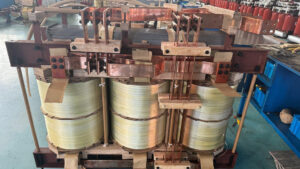
Sugar processing has a campaign cycle. The transformer may carry high process demand during crushing and remain lightly loaded during maintenance or off-season periods. Ask for monthly or hourly demand where available, not only the annual energy total. The economic comparison should apply guaranteed no-load and load losses to that profile using the purchaser’s energy-cost and evaluation method.
Oversizing can reduce loading but increases capital cost and may increase the cost of no-load loss over long energized periods. Undersizing may create high winding temperature, accelerated insulation aging and no margin for blocked cooling equipment. Where production continuity is critical, compare one large transformer with two units, bus sectioning and maintenance transfer arrangements. State whether temporary overload is permitted and which temperature limits or loading guide governs it.
Specify Harmonics and Power-Factor Equipment
VFDs, rectifiers, welders and electronic supplies can distort current. The transformer supplier needs the expected harmonic spectrum or a study summary to evaluate additional eddy and stray losses. A generic statement such as “nonlinear load present” is not enough. Identify the total nonlinear kVA, individual converter arrangements, filters and the load combinations that produce the highest distortion.
Capacitor banks and harmonic filters must be coordinated with the network. Their switching can produce voltage transients, while resonance may amplify particular harmonics. Provide bank steps, reactor data, switching frequency and connection point. Do not assign a K-factor or derating value without relating it to the actual spectrum and transformer design method.
Convert the Brazilian Site into Design Inputs
Brazil covers very different climatic and logistics conditions. The tender must state site altitude, maximum and minimum ambient temperature, humidity, rainfall exposure, solar radiation, pollution, corrosive agents, insects, flooding risk and seismic requirement where applicable. A coastal site, an inland agricultural site and a high-elevation site should not receive identical assumptions.
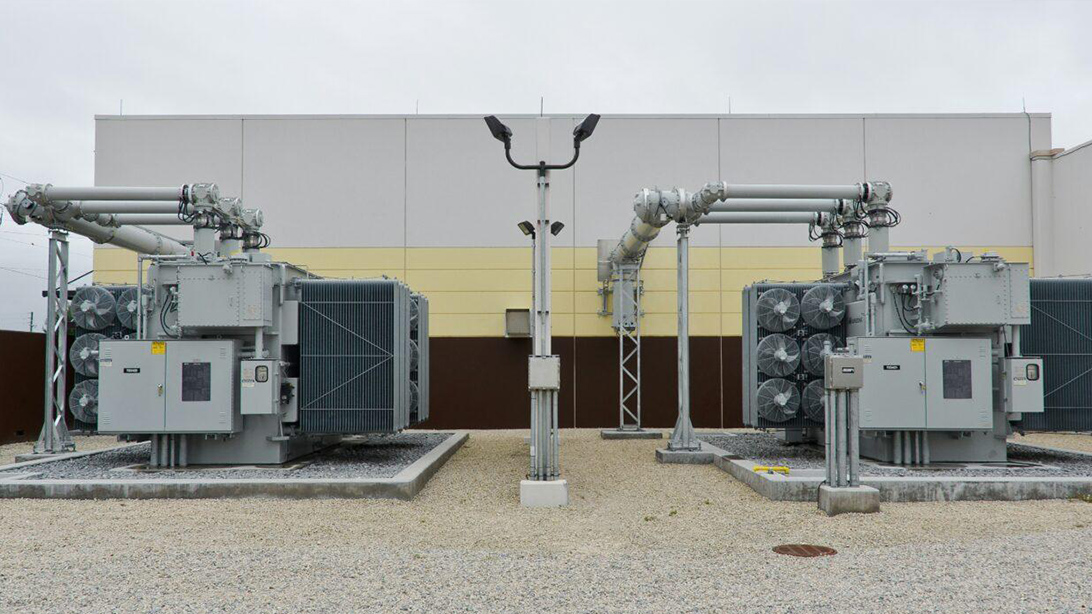
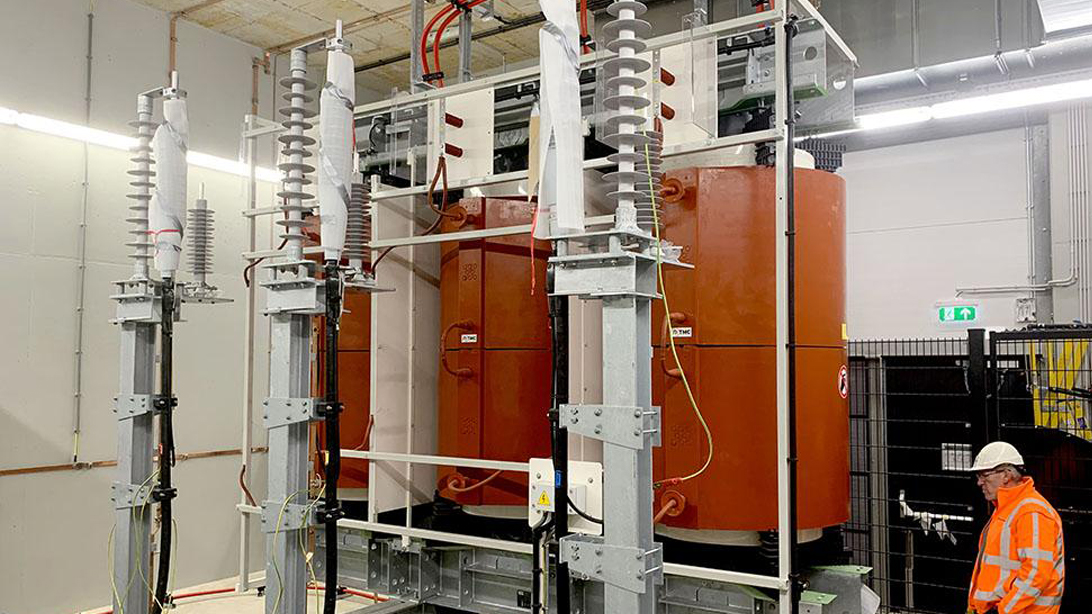
For outdoor oil-immersed equipment, review coating system, radiator arrangement, gasket materials, terminal boxes, cable entries, breather or sealed-tank philosophy and maintainable clearances. For indoor dry-type equipment, define enclosure protection, ventilation-air temperature, dust loading, room heat rejection and fire strategy. Use measured site data and the owner’s specification rather than a generic “tropicalized” label.
Check Interfaces with Switchgear and Protection
Confirm transformer vector group, neutral terminals, earthing resistor or reactor interface, CT ratios/classes, differential zones, temperature contacts, pressure devices and trip destinations. Utility and generator contributions must both appear in the short-circuit study. The switchgear rating should cover the maximum credible operating configuration, including parallel sources and future transformers.
Control power, annunciation and communication also need a boundary list. State auxiliary AC/DC voltages, heater supply, fan control, remote/local selection, alarm contacts and protocol requirements. FAT should prove terminal numbering and functional logic against the approved schematic. A mechanically complete transformer can still delay energization if the interface list is not frozen.
Brazil Sugar Mill Transformer Procurement Checklist
- Issue the utility supply and plant single-line diagrams with all operating modes.
- Provide a tagged load list, motor start data and restart sequence.
- Identify cogeneration rating, export limits and synchronization philosophy where applicable.
- State maximum and minimum fault levels and required transformer impedance.
- Submit harmonic spectra, capacitor-bank and filter information.
- Provide seasonal demand and firm future expansion loads.
- Define site climate, altitude, contamination and installation enclosure.
- Confirm local utility, metering, protection and applicable-standard requirements.
- List transport route restrictions, unloading method and storage duration.
- Require guaranteed losses, temperature limits, FAT scope and document deliverables.
Hypothetical Specification-Filling Example
Hypothetical example only—not a completed Zisheng Electric project: Transformer function: main process distribution. Utility supply: [confirmed by local utility]. Rated power: [calculated continuous demand plus approved margin] kVA. Largest motor: [kW], starting method [method], starting current [per-unit], required acceleration [seconds]. Simultaneous restart group: [tag list]. Cogeneration: [none / island / parallel / export], generator rating [MVA], export limit [MW]. Harmonic load: [kVA and spectrum]. Site: altitude [m], maximum ambient [°C], pollution/corrosion description [text]. Redundancy: [single / N+1 / sectionalized]. FAT: routine tests plus project-specified functional and witnessed checks.
Related Selection Guides and Product Options
For comparable procurement decisions, review Zisheng Electric’s guides to Peru mining transformer selection, Ghana cold-storage transformer loads, Chile industrial transformer replacement и Nigerian industrial plant procurement. These provide useful comparison points, but the Brazilian utility and owner requirements remain project-specific.
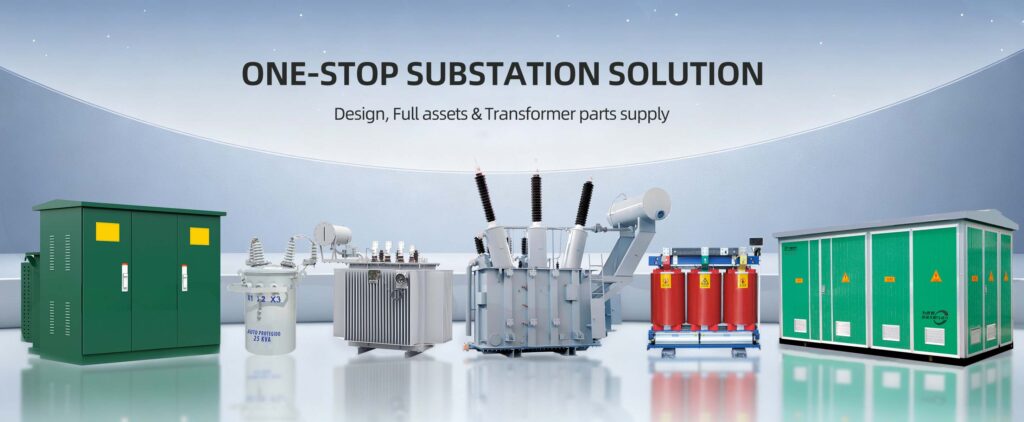
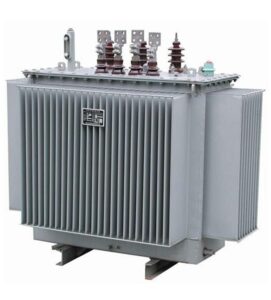
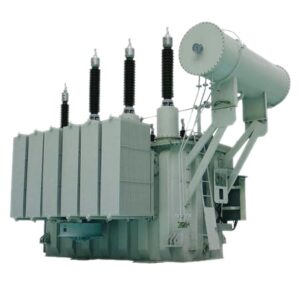
Potential equipment references include the 400 кВА масляный трансформатор, силовым трансформатором 35–46 кВ и 110–115 kV power transformer. These pages indicate product families only; the actual rating, voltage ratio, cooling, insulation and accessories must follow the approved plant study.
Compare Offers on a Common Engineering Basis
Commercial comparison becomes unreliable when suppliers interpret the load list differently. Issue a bid schedule that separates mandatory data from optional alternatives. Each bidder should state continuous and emergency ratings, voltage ratio and tapping range, vector group, impedance tolerance, cooling stages, guaranteed no-load and load losses, sound limit, winding and oil temperature limits, insulation levels, total mass, oil mass, transport dimensions and included accessories. Require deviations to be listed explicitly; silence should not be used to conceal a substituted requirement.
Normalize lifecycle costs only after confirming that the loss guarantees refer to the same rating, reference temperature and tap. A lower purchase price can be offset by higher losses during the long crushing season, but an oversized unit can also carry unnecessary no-load loss during low-production months. Evaluate the plant’s measured or modelled duty profile, energy valuation method and expected operating years. Keep this economic calculation separate from process reliability criteria such as starting-voltage performance, redundancy and repair strategy.
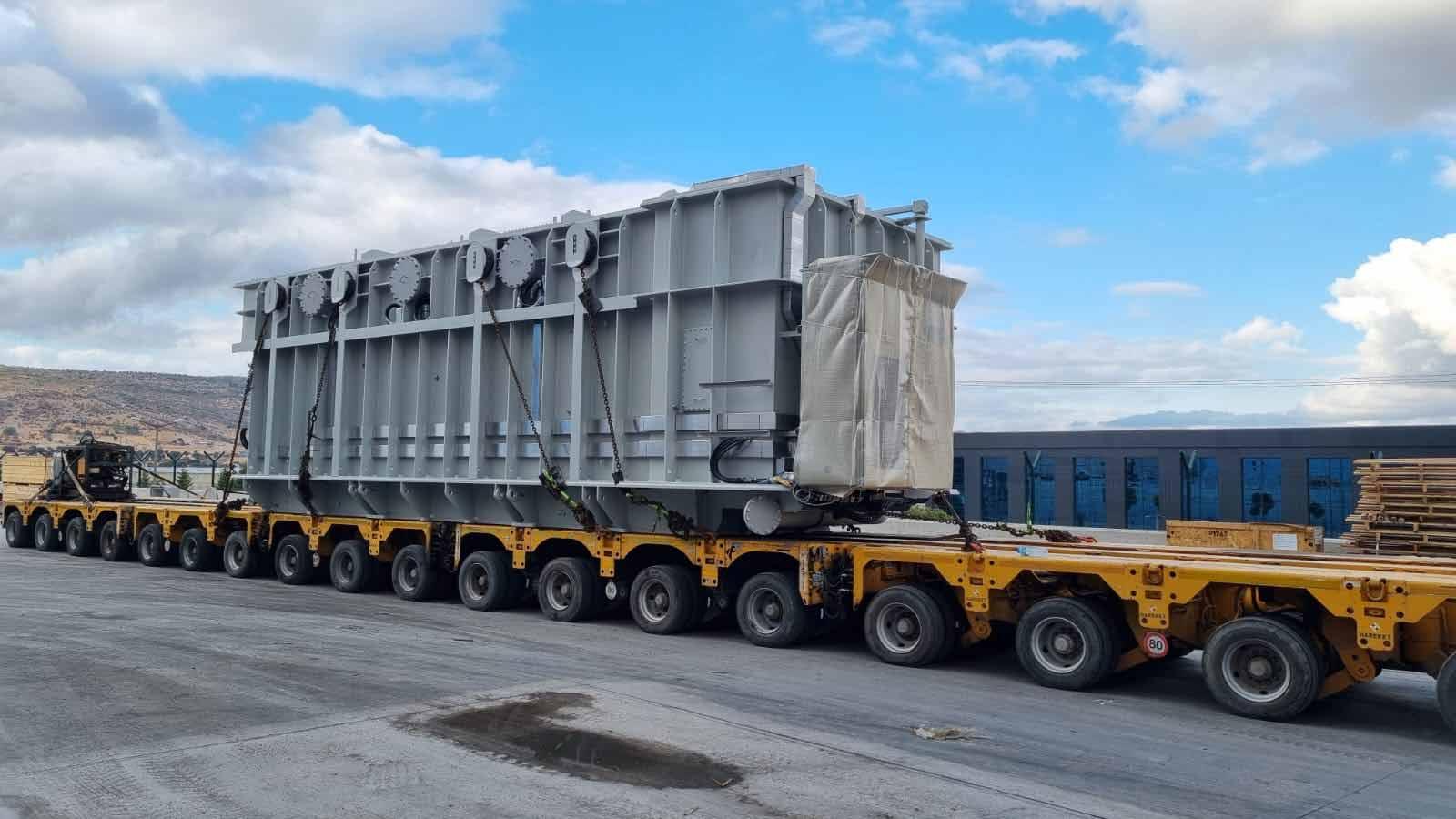
Finally, align the delivery package with the actual Brazilian site interface. Confirm who obtains local utility acceptance, who supplies metering and protection panels, whether Portuguese documentation is contractually required, and who is responsible for inland transport, unloading, oil processing and site tests. These requirements vary by concession area, owner and project, so they must be checked against current project documents rather than assumed from a national label. A technically comparable bid evaluation should close every material exception before purchase-order release and transfer the accepted data directly into the approval drawing and FAT process.
Final Engineering Review
Надежное Brazil sugar mill transformer specification connects the process cycle to electrical design. It explains which motors start together, how cogeneration changes power flow, why the selected impedance works, what the seasonal profile means for losses, and which site and utility rules control the final configuration.
Send Zisheng Electric the single-line diagram, utility data, load and motor lists, generator data, harmonic study, protection philosophy, site conditions, transport limits and technical specification. Наша инженерная группа рассмотрит требования и ответит на запросы по проекту в течение 24 часов.
О компании ZISHENG ELECTRICAL
Жишэнг является профессиональным производителем с более чем 19-летним опытом масляных трансформаторов, Компактная подстанция, Трансформаторы в пневматических установках, полевые трансформаторы и Сухие трансформаторы. У нас есть сертификаты ISO/CE/IEC 60076 и TUV Rheinland.
Трансформаторы проходят строгие испытания FAT и аттестацию типа, поддерживают настройку напряжения/емкости. Добро пожаловать на консультацию по Каталог и Продукт. вы можете связаться с нами по электронной почте [email protected].