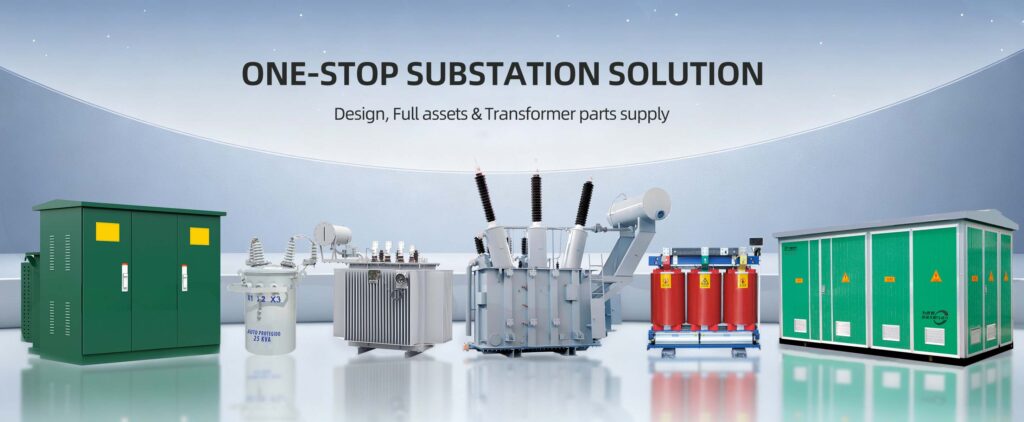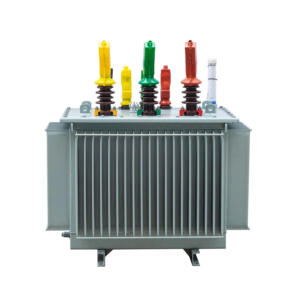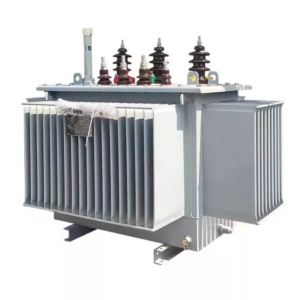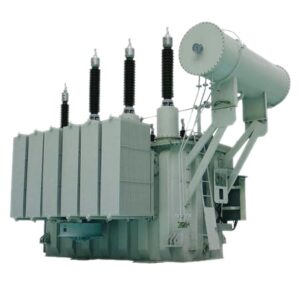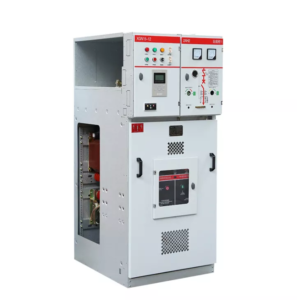
Распределительный трансформатор против силового трансформатора: какой из них подходит для вашей энергосистемы?
Выбор неправильного трансформатора приводит к неэффективности, несоответствию напряжения и дорогостоящим сбоям. Плохой выбор нарушает работу. Понимание различий обеспечивает оптимальную работу и надежную подачу электроэнергии.
Разница между распределительными и силовыми трансформаторами заключается в уровнях напряжения, приложениях и производительности. Распределительные трансформаторы работают в сетях среднего и низкого напряжения для конечных пользователей, в то время как силовые трансформаторы обрабатывают высоковольтную передачу, что делает каждый из них необходимым для различных этапов систем электросетей.
Чтобы выбрать правильное решение, важно детально сравнить их роли, приложения и производительность.
В чем разница между распределительными и силовыми трансформаторами?
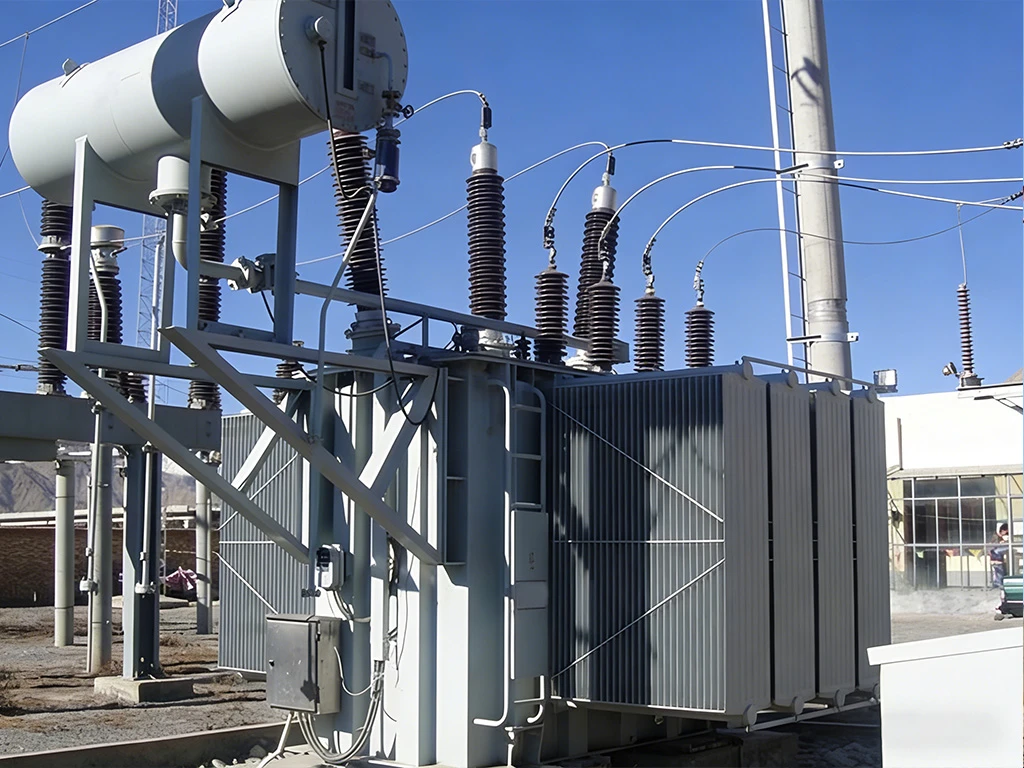
The разница между распределительным и силовым трансформатором в первую очередь определяется их функцией, уровнем напряжения и позицией внутри приложения трансформаторов в электросети системам.
A распределительный трансформатор используется на конечном этапе передачи электроэнергии, преобразуя среднее напряжение в пригодное низкое напряжение для потребителей. В отличие от этого, силовой трансформатор работает в сетях передачи, управляя высоковольтной электроэнергией на больших расстояниях.
Еще одним ключевым фактором является разница в уровнях напряжения трансформаторов.. Силовые трансформаторы обычно работают на уровне выше 110 кВ, в то время как распределительные трансформаторы функционируют на гораздо более низких уровнях напряжения. Эта разница напрямую влияет на проектирование, изоляцию и системы охлаждения.
В сравнение распределительного и силового трансформатора, трансформаторы мощности предназначены для максимальной эффективности при полной нагрузке, в то время как распределительные трансформаторы оптимизированы для непрерывной работы с минимальными потерями в периоды низкого спроса. Эти различия определяют их роли в современных энергетических системах.
Что лучше: распределительный трансформатор или силовой трансформатор?
Определение того, какой трансформатор лучше, полностью зависит от приложения. Нет универсального ответа, так как каждый из них выполняет специфическую роль в энергетической системе.
Для доставки электричества конечному пользователю распределительный трансформатор является предпочтительным вариантом. Он специально разработан для который трансформатор используется в распределительных системах, обеспечивая стабильное напряжение для жилых, коммерческих и небольших промышленных пользователей.
С другой стороны, для высокоемких передач и подстанций силовой трансформатор является незаменимым. Его обычно считают лучшим трансформатором для подстанций из-за его способности обрабатывать высокое напряжение и большие электрические нагрузки.
С точки зрения стоимости, стоимость распределительного трансформатора по сравнению с трансформатором мощности значительно различается. Трансформаторы мощности дороже из-за своего размера, мощности и сложности, в то время как распределительные трансформаторы более экономичны для локальных приложений.
В конечном итоге выбор зависит от требований системы, а не от превосходства.
Где обычно используются распределительные трансформаторы?
Understanding где обычно используются распределительные трансформаторы помогает прояснить их важность в энергетических системах.
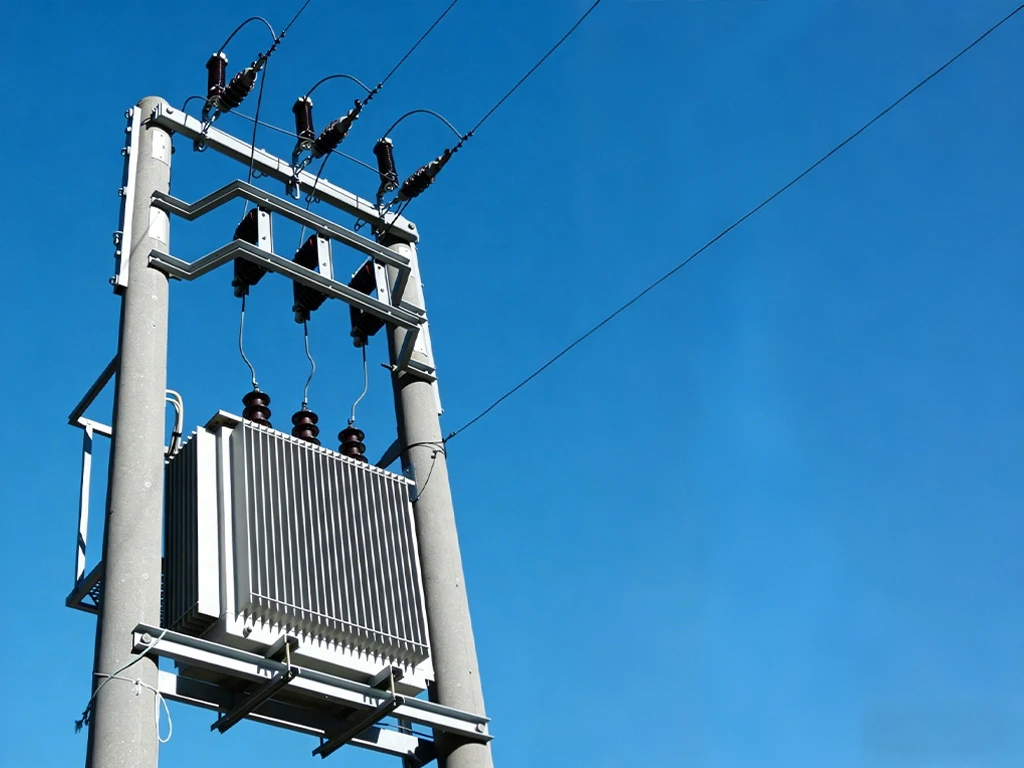
Распределительные трансформаторы широко используются в жилых районах, коммерческих зданиях и небольших промышленных предприятиях. Они играют критически важную роль в доставке электричества в рамках электрической сети распределения.
Эти трансформаторы обычно устанавливаются на столбах или на уровне земли в закрытых единицах. Они разработаны для непрерывной работы, что делает их необходимыми для поддержания стабильного электроснабжения. Их способность эффективно преобразовывать среднее напряжение в пригодные уровни делает их незаменимыми в ежедневном потреблении электричества.
С оперативной точки зрения, когда использовать распределительный трансформатор это когда электричество нужно подавать непосредственно конечным пользователям. Они оптимизированы для эффективности при различных условиях нагрузки, обеспечивая надежную работу.
Их широкое использование делает их одним из самых распространенных компонентов в современной энергетической инфраструктуре.
Когда следует использовать силовой трансформатор?
Knowing когда использовать силовой трансформатор это важно для проектирования крупных энергетических систем.
Силовые трансформаторы в первую очередь используются на электростанциях и подстанциях, где высоковольтное электричество должно передаваться на большие расстояния. Эти трансформаторы критически важны для поддержания эффективности в системах передачи.
В терминах применения, где используются силовые трансформаторы включает в себя высоковольтные подстанции, промышленные объекты и крупные энергетические проекты. Их способность обрабатывать значительные нагрузки делает их незаменимыми в приложения трансформаторов в электросети системам.
Силовые трансформаторы разработаны для непрерывной работы при высоких нагрузках, обеспечивая эффективную передачу энергии. Они также играют ключевую роль в регулировании напряжения и стабильности системы.
Их использование необходимо всякий раз, когда требуется передача высокого напряжения или обработка крупной мощности.
Каковы преимущества и недостатки каждого типа трансформатора?
Анализируя преимущества распределительных трансформаторов и преимущества силовых трансформаторов помогает понять их сильные и слабые стороны.
Распределительные трансформаторы предлагают высокую эффективность при низких нагрузках, более низкую стоимость и пригодность для локализованных приложений. Однако у них ограниченная мощность, и они не подходят для передачи высокого напряжения.
Силовые трансформаторы, с другой стороны, обеспечивают высокую эффективность при полной нагрузке, большую мощность и пригодность для передачи на большие расстояния. Однако они имеют более высокие расходы и более сложные требования к установке.
В отношении эффективность распределительного трансформатора против силового трансформатора, каждый оптимизирован для разных условий эксплуатации. Распределительные трансформаторы минимизируют потери без нагрузки, в то время как силовые трансформаторы сосредотачиваются на эффективности нагрузки.
Эти различия подчеркивают важность выбора правильного трансформатора в зависимости от операционных потребностей.
Как выбрать правильный трансформатор для промышленного или коммунального использования
Правильный руководство по выбору и размеру трансформаторов является необходимым для обеспечения оптимальной производительности и экономии затрат.
Сначала оцените требования к напряжению. Для высоковольтной передачи необходим силовой трансформатор. Для снабжения конечных пользователей более уместен распределительный трансформатор.
Во-вторых, учитывайте грузоподъемность и тип применения. Выбор трансформатора для промышленных приложений часто требует силовых трансформаторов для больших нагрузок, в то время как меньшие предприятия могут использовать распределительные трансформаторы.
В-третьих, оцените стоимость и циклы жизнедеятельности. Это стоимость распределительного трансформатора по сравнению с трансформатором мощности должно быть сбалансировано с производительностью и долгосрочной эффективностью.
Наконец, учитывайте условия установки, требования к обслуживанию и будущее расширение. Правильное планирование обеспечивает надежную работу и поддерживает долгосрочный рост системы.
Заключение
Выбор между распределительными и силовыми трансформаторами зависит от напряжения, приложения и стоимости, что обеспечивает эффективную, надежную и оптимизированную производительность энергетической системы.
О компании ZISHENG ELECTRICAL
Жишэнг является профессиональным производителем с более чем 19-летним опытом масляных трансформаторов, Компактная подстанция, Трансформаторы в пневматических установках, полевые трансформаторы и Сухие трансформаторы. У нас есть сертификаты ISO/CE/IEC 60076 и TUV Rheinland.
Трансформаторы проходят строгие испытания FAT и аттестацию типа, поддерживают настройку напряжения/емкости. Добро пожаловать на консультацию по Каталог и Продукт. вы можете связаться с нами по электронной почте [email protected].