Pad-Mounted Transformer vs Pole-Mounted Transformer: Which One Is Best for Your Power Distribution Needs?
Choosing the wrong transformer can cause inefficiency, safety risks, and costly redesigns. Poor decisions delay projects. Understanding the differences ensures optimal performance and reliable power distribution.
Pad-mounted transformers and pole-mounted transformers are two common distribution transformer types used in utility distribution systems. The main difference lies in installation—pad-mounted transformers support underground power distribution, while pole-mounted transformers are used in overhead power distribution, each offering unique advantages in safety, cost, and application scenarios.
To make the right choice, it is essential to understand how each transformer type works and where it performs best.
Pad-Mounted Transformer vs Pole-Mounted Transformer: Key Differences Explained
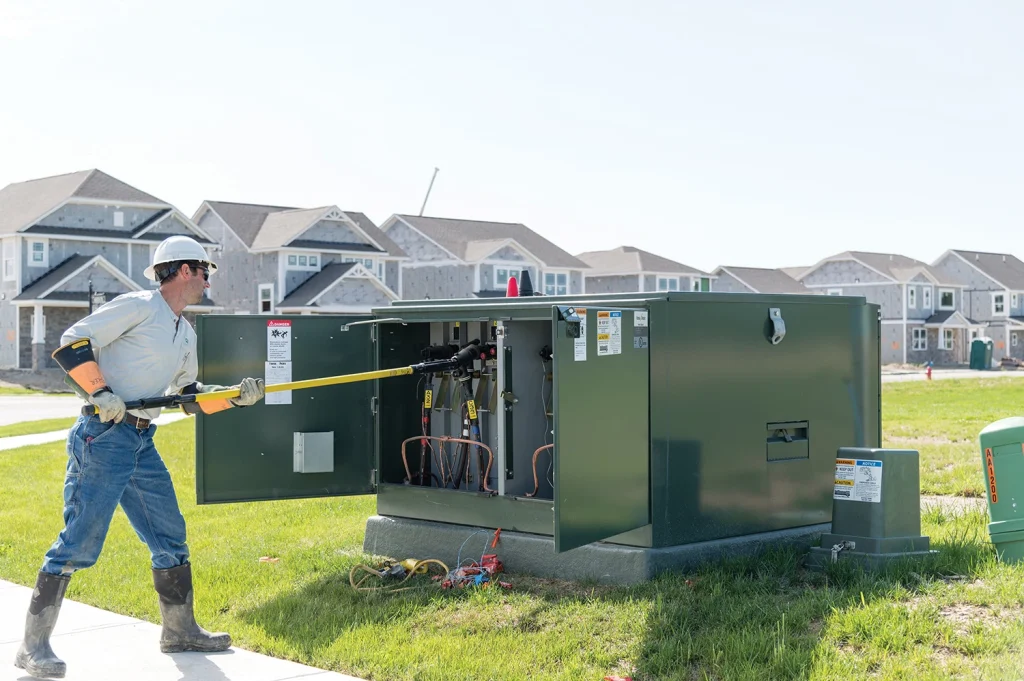
The comparison between pad-mounted transformer and pole-mounted transformer focuses on design, application, and performance within utility distribution systems.
A pad-mounted transformer is installed on the ground within a secure enclosure, typically used in underground power distribution networks. In contrast, a pole-mounted transformer is installed on utility poles and serves overhead power distribution systems.
One key difference is accessibility. Pad-mounted units are easier to access for maintenance, while pole-mounted units require specialized equipment for servicing. Another distinction lies in safety—pad-mounted transformers feature enclosed designs that reduce public exposure, aligning with strict transformer safety standards.
From an application perspective, pad-mounted transformers are commonly used in urban and commercial areas, while pole-mounted transformers are preferred in rural and less densely populated regions. These differences make each type suitable for specific project requirements.
What Is a Pad-Mounted Transformer and How Does It Work?
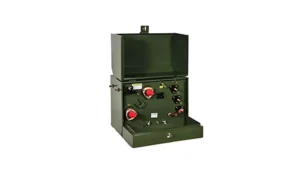
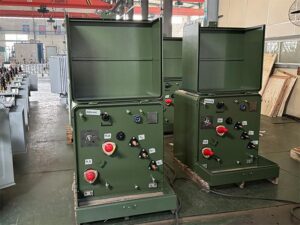
A pad-mounted transformer is a ground-level electrical device designed for medium voltage distribution in underground systems. It is housed in a locked steel cabinet, known as a transformer enclosure design, which protects internal components and ensures safety.
These transformers are commonly used in residential neighborhoods, commercial complexes, and industrial parks where underground cabling is preferred. They typically operate as oil-filled transformers, although dry-type transformers are also available for specific applications.
The working principle involves stepping down medium voltage electricity from the distribution network to lower voltage levels suitable for end users. The transformer receives power through underground cables and distributes it to buildings through secondary connections.
One of the main advantages of pad-mounted transformers is their integration with modern power grid infrastructure, providing a cleaner and more aesthetically pleasing solution. They also support enhanced safety by minimizing exposure to live components.
What Is a Pole-Mounted Transformer and Where Is It Used?
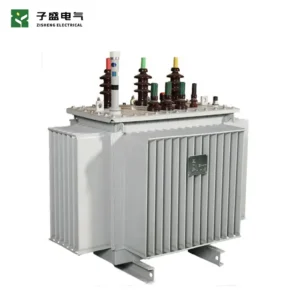
A pole-mounted transformer is installed on utility poles and is widely used in overhead power distribution systems. These transformers are commonly found in rural and suburban areas where overhead lines are more practical and cost-effective.
Pole-mounted transformers are typically smaller in size and are designed for easy installation on existing poles. They are usually oil-filled transformers, providing efficient cooling and reliable performance under varying load conditions.
These transformers step down high distribution voltage to usable levels for homes and small businesses. Their elevated position reduces the risk of accidental contact, although they must still comply with strict transformer safety standards.
Pole-mounted transformers are a key component of traditional utility distribution systems, especially in regions where underground infrastructure is not feasible due to cost or terrain challenges. Their simplicity and lower installation cost make them a popular choice for many projects.
Advantages and Disadvantages of Pad-Mounted vs Pole-Mounted Transformers
Both transformer types offer distinct advantages and limitations, depending on application requirements.
The pad-mounted transformer provides enhanced safety due to its enclosed design, making it suitable for populated areas. It also supports underground power distribution, improving aesthetics and reducing exposure to environmental factors. However, it generally involves higher installation costs and requires more space.
On the other hand, the pole-mounted transformer is cost-effective and easier to install, particularly in rural areas. It supports overhead power distribution, which is simpler to deploy. However, it is more exposed to weather conditions and may require more frequent transformer maintenance requirements.
From a performance perspective, both types can handle medium voltage distribution effectively. The choice depends on project priorities such as cost, safety, and environmental considerations.
Installation, Maintenance, and Safety Considerations for Both Transformer Types
Proper electrical transformer installation is essential for ensuring long-term performance and reliability. Pad-mounted transformers require site preparation, including a concrete foundation and underground cable connections. In contrast, pole-mounted transformers are installed on utility poles with overhead line connections.
Maintenance practices differ between the two types. Pad-mounted transformers allow easier access for inspection and servicing, simplifying transformer maintenance requirements. Pole-mounted transformers, however, require specialized equipment and trained personnel for maintenance activities.
Safety is a critical factor in both cases. Pad-mounted transformers are designed with secure enclosures and tamper-proof features, meeting stringent transformer safety standards. Pole-mounted transformers rely on elevation and insulation to ensure safety.
Environmental factors also play a role. Pad-mounted units are less exposed to weather, while pole-mounted transformers must withstand harsh conditions such as wind, rain, and lightning.
Choosing the Right Transformer for Your Power Distribution Needs
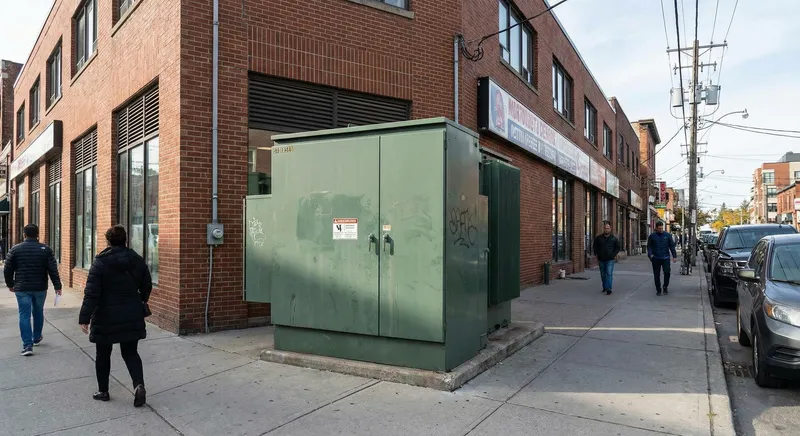
Selecting between a pad-mounted transformer and a pole-mounted transformer depends on several key factors related to project requirements and site conditions.
For urban and commercial projects, pad-mounted transformers are often preferred due to their compatibility with underground power distribution and modern infrastructure design. They provide better safety and aesthetics, making them ideal for densely populated areas.
In contrast, pole-mounted transformers are suitable for rural or remote locations where overhead power distribution is more practical. Their lower cost and simpler installation make them a cost-effective solution.
Other considerations include load requirements, environmental conditions, and long-term maintenance needs. Evaluating these factors ensures the selection of the most appropriate electrical engineering solutions for specific applications.
Ultimately, choosing the right transformer supports efficient and reliable operation within the broader power grid infrastructure.
Conclusion
Choosing between pad-mounted and pole-mounted transformers depends on cost, location, and safety, ensuring efficient and reliable power distribution systems.
About ZISHENG ELECTRICAL
Zisheng are a professional 19+ years manufacturer in producing Oil-Immersed Transformers, Compact Substation, Pad Mounted Transformers, Pole Mounted Transformers and Dry Type Transformers. We own the certificates of ISO/CE/IEC 60076 and TUV Rheinland.
Transformers undergo rigorous FAT and type testing, support voltage/capacity customization. Welcome to consult for Catalog and Product. you can contact us at email [email protected].