IEC Standard Transformer: How Can You Ensure Compliance and Reliability for Global Power Projects?
Non-compliant transformers cause delays, failures, and project rejection. Selecting an IEC standard transformer ensures safety, compatibility, and smooth execution in international markets.
An IEC standard transformer is designed according to international standards such as IEC 60076, ensuring consistent performance, safety, and compatibility across global power systems. It simplifies procurement, guarantees compliance, and supports reliable operation in diverse environments, making it essential for international energy and infrastructure projects.
Understanding IEC standards is critical for selecting the right transformer and avoiding costly compliance risks.
What Is an IEC Standard Transformer and Why Is It Important?
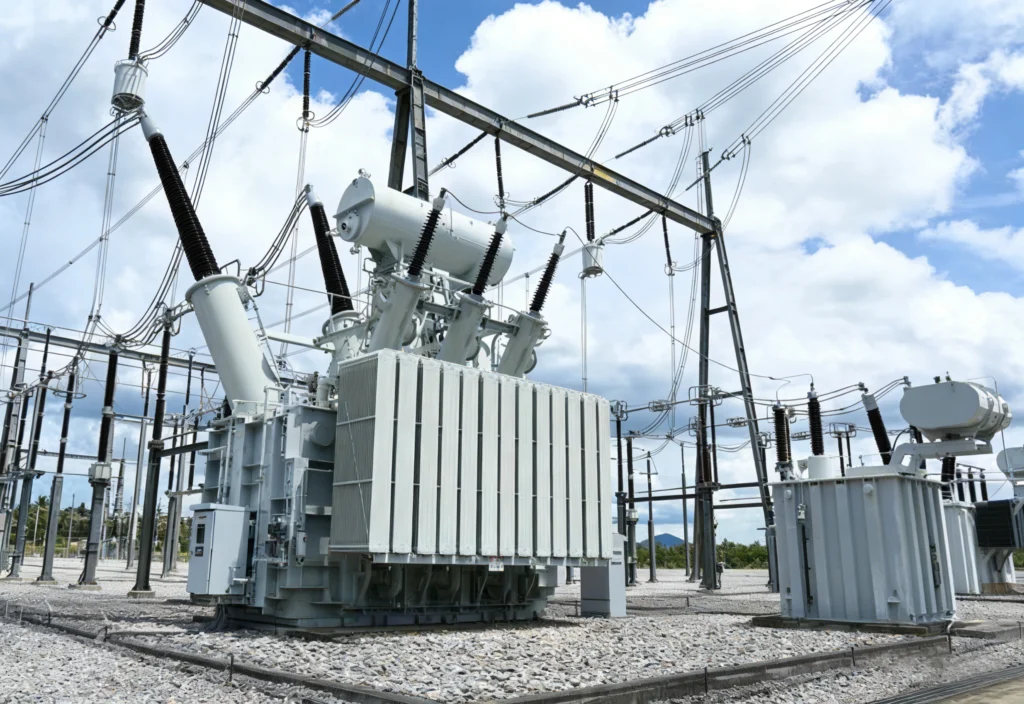
To understand what is IEC standard transformer, it is important to recognize that it refers to transformers manufactured in accordance with International Electrotechnical Commission (IEC) standards. These standards define design, testing, and performance requirements to ensure consistency and safety.
IEC transformers are widely used in global markets because they meet global transformer certification requirements and are compatible with various grid systems. Their importance lies in enabling standardized solutions for transformer standards for international projects, reducing technical mismatches.
Additionally, IEC compliance ensures that transformers meet strict safety and efficiency benchmarks. This is particularly important for large-scale infrastructure and energy developments, where reliability and performance are critical. As a result, IEC transformers are often considered the best transformer for international markets.
What IEC Standards Do Transformers Need to Meet?
The most essential standard is IEC 60076 explained, which outlines requirements for power transformers, including design parameters, testing procedures, and operational performance. This standard covers insulation levels, temperature rise limits, and short-circuit withstand capability.
In addition to IEC 60076, other standards may apply depending on the transformer type and application. These standards collectively form a comprehensive IEC transformer specification guide, ensuring that all technical aspects are addressed.
Compliance with IEC transformer testing requirements ensures that transformers are rigorously evaluated under real operating conditions. These tests verify electrical performance, thermal stability, and mechanical strength.
Meeting these standards is essential for ensuring safety, reliability, and compatibility in global power systems.
How to Ensure a Transformer Is IEC Compliant
Understanding how to ensure IEC compliance for transformers involves verifying that the manufacturer follows all relevant standards throughout the production process. This includes design validation, material selection, and strict quality control.
A reliable IEC certified transformer supplier will provide complete documentation, including test reports and compliance certificates. These documents confirm adherence to IEC standards.
Using an IEC compliance checklist helps buyers evaluate key factors such as production processes, testing capabilities, and certification status. Factory audits and third-party inspections further ensure compliance.
By taking these steps, buyers can reduce risks and ensure that the transformer meets all necessary requirements for international use.
IEC vs ANSI Transformers: What Is the Difference?
The comparison of IEC vs ANSI transformer standards is important when selecting equipment for different regions. IEC standards are widely used in Europe, Asia, Africa, and many international markets, while ANSI standards are primarily used in North America.
One key difference is in design philosophy. IEC standards emphasize performance and efficiency, while ANSI standards focus more on specific construction requirements. This leads to variations in voltage ratings, insulation systems, and testing procedures.
The difference between IEC and UL transformers also highlights regional certification approaches, with UL focusing on safety certification in North America.
Choosing between IEC and ANSI depends on project location and regulatory requirements. For international applications, IEC standards are generally preferred.
How to Choose an IEC Standard Transformer Supplier
Selecting the right supplier is essential for successful procurement. Understanding how to choose IEC transformer manufacturer involves evaluating technical expertise, production capacity, and compliance history.
A qualified IEC certified transformer supplier should have experience in exporting to multiple regions and meeting global transformer certification requirements. Reviewing past projects and customer feedback helps assess reliability.
Buyers should also evaluate testing facilities, quality control systems, and adherence to IEC transformer testing requirements. Conducting factory inspections ensures that the supplier maintains consistent production standards.
Choosing the right partner ensures access to high-quality products and reduces risks in transformer procurement for EPC projects.
What Are the Benefits of IEC Certified Transformers in International Projects?
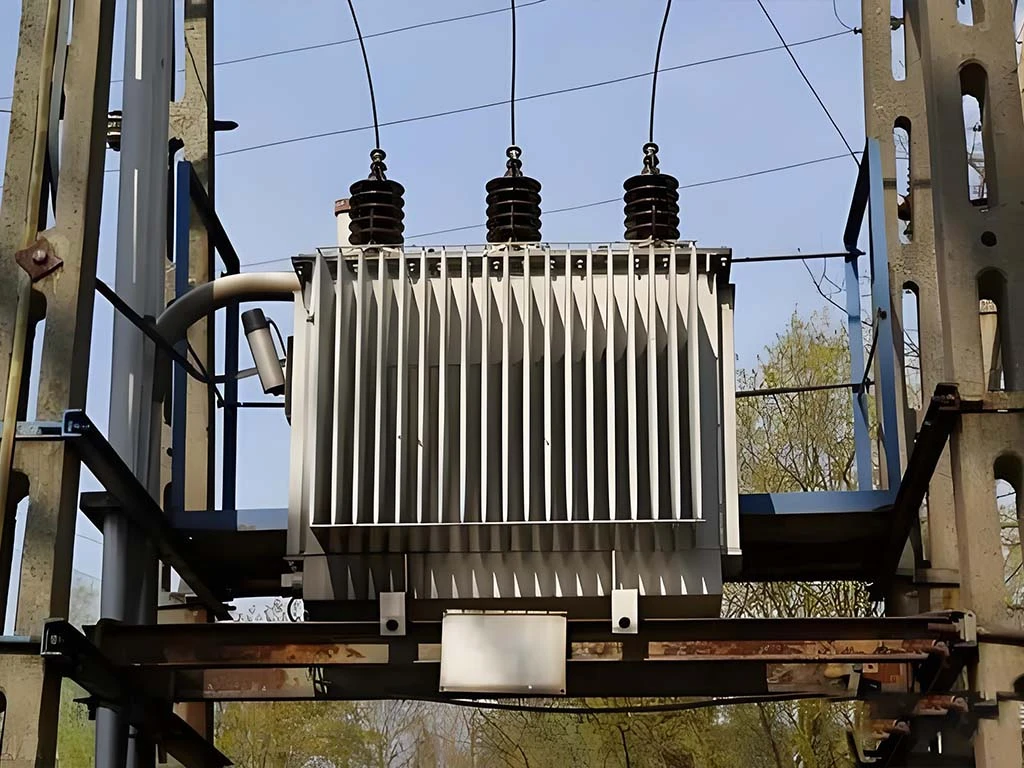
There are many benefits of IEC compliant transformers in global projects. First, they ensure compatibility with international power systems, reducing integration challenges.
Second, IEC compliance guarantees high performance and reliability, minimizing operational risks. This is particularly important for infrastructure and energy projects that require continuous operation.
IEC-certified transformers also simplify procurement by providing standardized specifications, making it easier to compare options and select suitable solutions.
Additionally, they support efficient transformer procurement for EPC projects, ensuring timely delivery and compliance with project requirements. These advantages make IEC transformers the preferred choice for international applications.
Conclusion
IEC standard transformers ensure compliance, reliability, and global compatibility, making them essential for successful international power and infrastructure projects.
About ZISHENG ELECTRICAL
Zisheng are a professional 19+ years manufacturer in producing Oil-Immersed Transformers, Compact Substation, Pad Mounted Transformers, Pole Mounted Transformers and Dry Type Transformers. We own the certificates of ISO/CE/IEC 60076 and TUV Rheinland.
Transformers undergo rigorous FAT and type testing, support voltage/capacity customization. Welcome to consult for Catalog and Product. you can contact us at email info@bdzstransformer.com.