How to Choose the Right Transformer for EV Charging Infrastructure?
Power instability, overload risks, and inefficient energy distribution often challenge EV charging projects. Without proper transformers, systems face failures, increased costs, and downtime. The right solution ensures stable, efficient, and scalable charging performance.
Transformers play a critical role in supplying stable and reliable power to EV charging stations. They convert grid voltage to suitable levels, handle high power loads, and ensure safe, efficient operation. Proper transformer selection improves energy efficiency, reduces losses, and supports the growing demand for fast and ultra-fast EV charging infrastructure.
Understanding transformer selection and performance is essential for building reliable EV charging systems and ensuring long-term operational success.
Role of Transformers in EV Charging Infrastructure
Transformers play a critical role in supplying stable and reliable power to EV charging stations. They act as the backbone of the electrical system by converting medium-voltage grid electricity into usable low-voltage power for charging equipment. Without transformers, EV charging infrastructure cannot function efficiently or safely.
EV charging transformers must handle high power loads and frequent load fluctuations. Charging demand can vary significantly depending on the number of vehicles connected and the charging speed required. This dynamic behavior requires transformers with strong overload capacity and excellent voltage regulation.
In addition, transformers ensure grid compatibility and protect sensitive charging equipment from voltage spikes and instability. Their role extends beyond simple voltage conversion—they contribute to system reliability, safety, and long-term performance. As EV adoption increases, the importance of robust transformer solutions becomes even more critical for infrastructure scalability.
Types of Transformers Used for EV Charging Stations
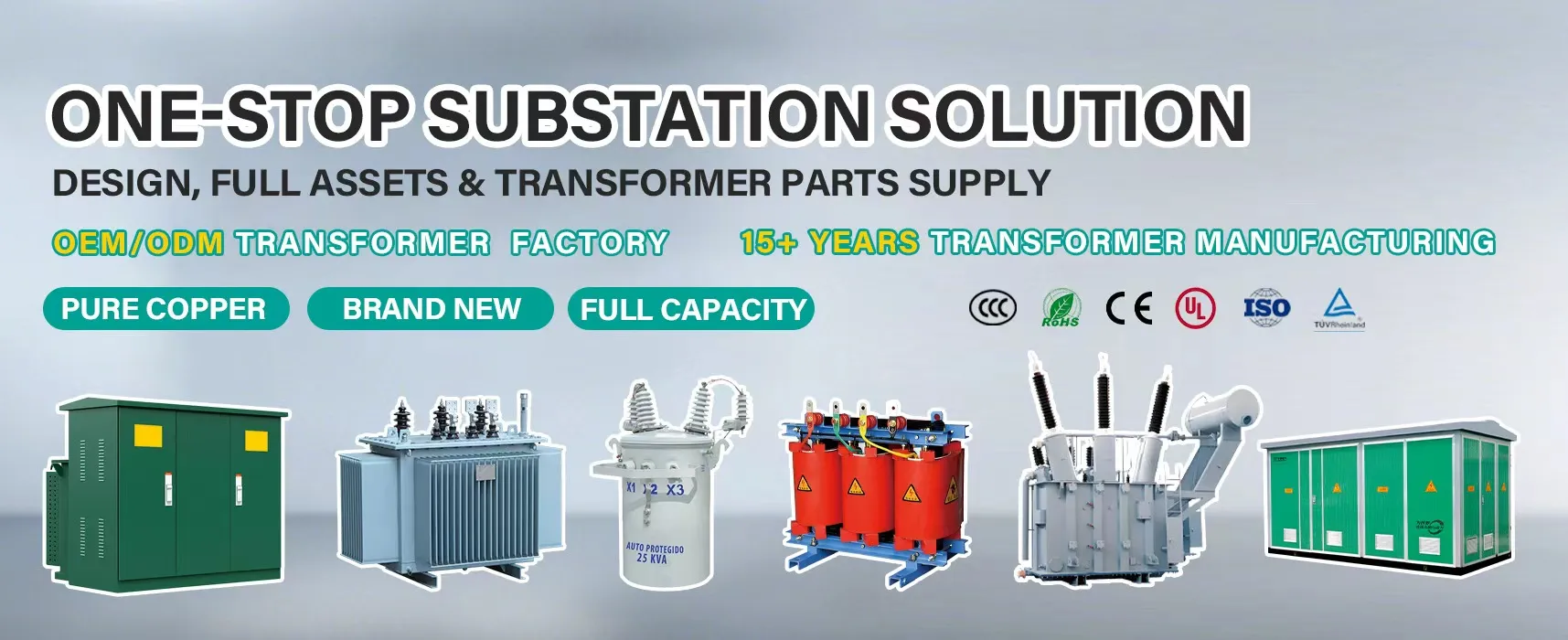
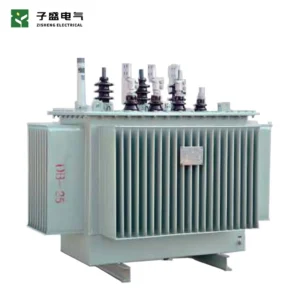
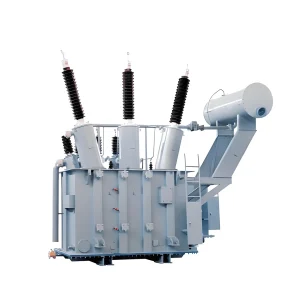
Oil-filled and dry type transformers are both used in EV charging applications depending on installation conditions. Each type offers distinct advantages based on environmental, safety, and operational requirements.
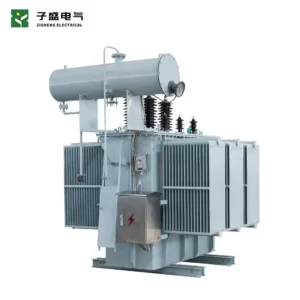
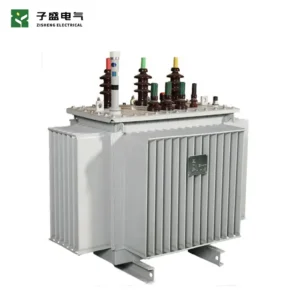
Oil-filled transformers are widely used in outdoor installations due to their superior cooling performance and ability to handle high-capacity loads. They are ideal for large-scale EV charging stations, especially those supporting fast charging networks. Their durability and efficiency make them suitable for harsh environments, including high temperatures and heavy usage conditions.
Dry type transformers, on the other hand, are commonly installed in indoor or urban environments where fire safety and environmental concerns are priorities. They require less maintenance and eliminate the risk of oil leakage, making them suitable for commercial buildings, parking structures, and densely populated areas.
Choosing between these types depends on project-specific factors such as location, capacity requirements, and safety regulations. Both options can deliver reliable performance when properly selected and configured.
Key Technical Requirements for EV Charging Transformers
EV charging transformers must handle high power loads and frequent load fluctuations. This requirement makes technical performance a key consideration during selection. Transformers used in EV infrastructure must be designed to operate efficiently under variable load conditions without compromising stability.
One of the most important requirements is high energy efficiency. High-efficiency transformers help reduce operating costs and improve the sustainability of EV infrastructure. Energy losses during voltage conversion must be minimized to ensure optimal system performance.
Another critical factor is thermal performance. Continuous operation under heavy loads generates significant heat, so transformers must have effective cooling systems to maintain safe operating temperatures. Additionally, strong short-circuit resistance and overload capacity are essential to ensure durability and reliability.
Grid integration and compliance with local standards are also key considerations in EV charging transformer design. Transformers must meet regulatory requirements and be compatible with existing grid infrastructure to ensure smooth and safe operation.
Transformer Selection for Fast and Ultra-Fast Charging
Fast charging stations require high-capacity transformers to support rapid energy transfer. As EV technology advances, ultra-fast charging systems demand even greater power levels, often exceeding several hundred kilowatts per charging point.
Proper transformer selection ensures efficient operation and reduces energy losses in EV charging systems. For fast and ultra-fast charging applications, transformers must be capable of delivering consistent power without voltage drops or instability. This requires careful consideration of capacity, impedance, and load characteristics.
In addition, transformers must be designed to handle sudden load spikes when multiple vehicles begin charging simultaneously. This makes load forecasting and system design crucial during the planning stage.
Scalability is another important factor. EV charging infrastructure must be future-proof, allowing for expansion as demand grows. Selecting transformers with flexible configurations and upgrade potential ensures long-term usability and cost efficiency.
Efficiency, Load Management, and Energy Optimization
Load management strategies are essential for balancing power demand in large-scale EV charging networks. Without proper management, simultaneous charging can lead to grid overload and reduced system efficiency.
High-efficiency transformers help reduce operating costs and improve the sustainability of EV infrastructure. By minimizing energy losses, these transformers contribute to lower electricity consumption and reduced environmental impact.
Smart monitoring systems enable real-time control and optimization of EV charging transformer performance. These systems track load conditions, temperature, and energy usage, allowing operators to make data-driven decisions and prevent potential issues.
Energy optimization also involves integrating renewable energy sources such as solar power. Transformers must be capable of handling variable input from these sources while maintaining stable output. This integration supports greener charging solutions and enhances overall system efficiency.
Future Trends in EV Charging Transformer Technology
Future EV charging infrastructure will rely on advanced transformer technologies for higher efficiency and scalability. As the demand for electric vehicles continues to grow, transformer design is evolving to meet new challenges.
One key trend is the development of smart transformers with integrated digital monitoring and control capabilities. These systems provide real-time data, predictive maintenance, and automated load balancing, improving overall reliability and efficiency.
Another trend is the adoption of eco-friendly materials and designs to reduce environmental impact. Green transformers with lower losses and biodegradable insulation fluids are becoming increasingly popular.
Compact and modular transformer designs are also gaining attention, allowing for easier installation and scalability in urban environments. These innovations support the rapid expansion of EV charging networks while maintaining high performance and reliability.
Conclusion
Selecting the right transformer ensures efficient, reliable, and scalable EV charging infrastructure while reducing costs and supporting sustainable energy development.
About ZISHENG ELECTRICAL
Zisheng are a professional 19+ years manufacturer in producing Oil-Immersed Transformers, Compact Substation, Pad Mounted Transformers, Pole Mounted Transformers and Dry Type Transformers. We own the certificates of ISO/CE/IEC 60076 and TUV Rheinland.
Transformers undergo rigorous FAT and type testing, support voltage/capacity customization. Welcome to consult for Catalog and Product. you can contact us at email info@bdzstransformer.com.