How Do Transformers Optimize Efficiency and Reliability in Wind Power Systems?
Wind farms face unstable output, grid challenges, and costly failures. Without reliable transformers, efficiency drops and downtime rises. The right transformer solution ensures stable transmission and long-term performance.
Transformers are essential in wind power systems for stepping up voltage and enabling efficient power transmission to the grid. They must handle variable outputs, ensure grid compatibility, and operate reliably in harsh environments while supporting large-scale renewable energy integration.
Understanding transformer roles, types, and technical requirements is critical for optimizing wind power system performance and long-term project success.
Role of Transformers in Wind Power Systems
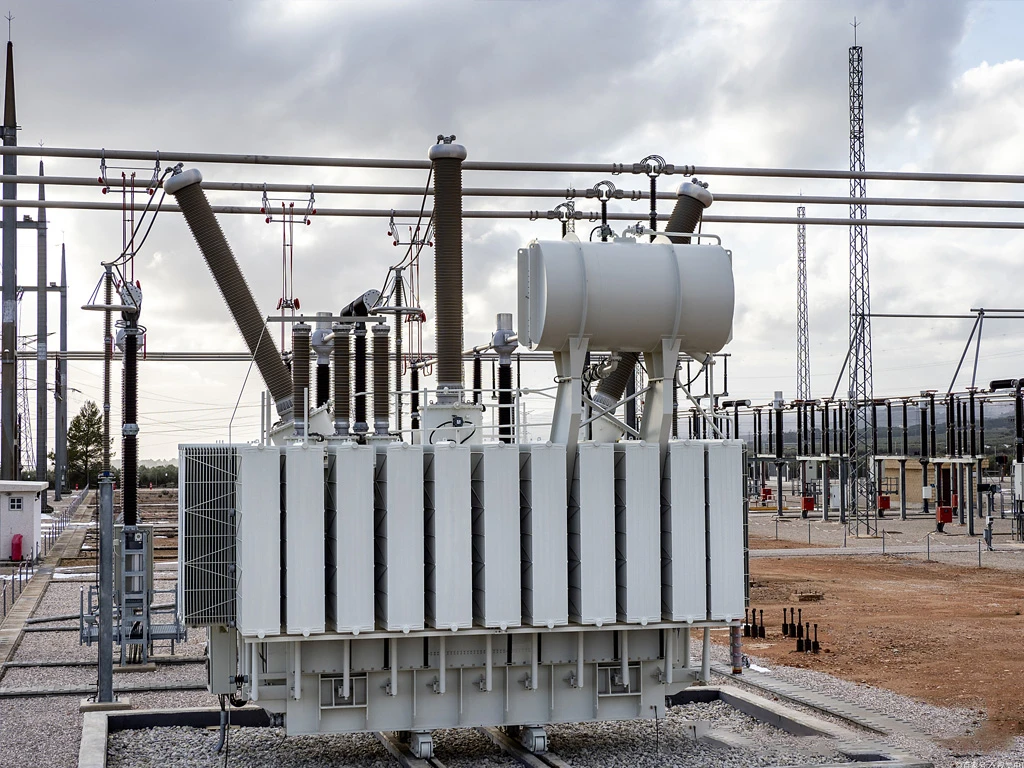
Transformers play a fundamental role in wind energy systems by ensuring that generated electricity is efficiently transmitted from turbines to the power grid. Wind turbines typically generate electricity at low voltage levels, which are not suitable for long-distance transmission. Transformers are essential in wind power systems for stepping up voltage and enabling efficient power transmission to the grid.
In addition, wind turbine transformers must handle variable power output due to changing wind conditions. Unlike conventional power plants, wind energy generation fluctuates continuously, requiring transformers to adapt to dynamic load conditions without compromising performance.
Moreover, transformers help stabilize voltage levels, reduce transmission losses, and ensure compatibility with grid requirements. Their role is not limited to voltage conversion; they are also critical for maintaining system reliability, protecting equipment, and enabling seamless integration of renewable energy into modern power networks.
Types of Transformers Used in Wind Turbines
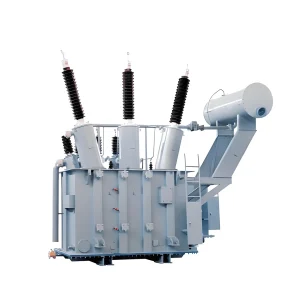
Several types of transformers are used in wind power applications, each designed for specific operational requirements. Step-up transformers are commonly used to connect wind farms to medium and high voltage transmission networks. These transformers increase the voltage generated by turbines to levels suitable for efficient grid transmission.
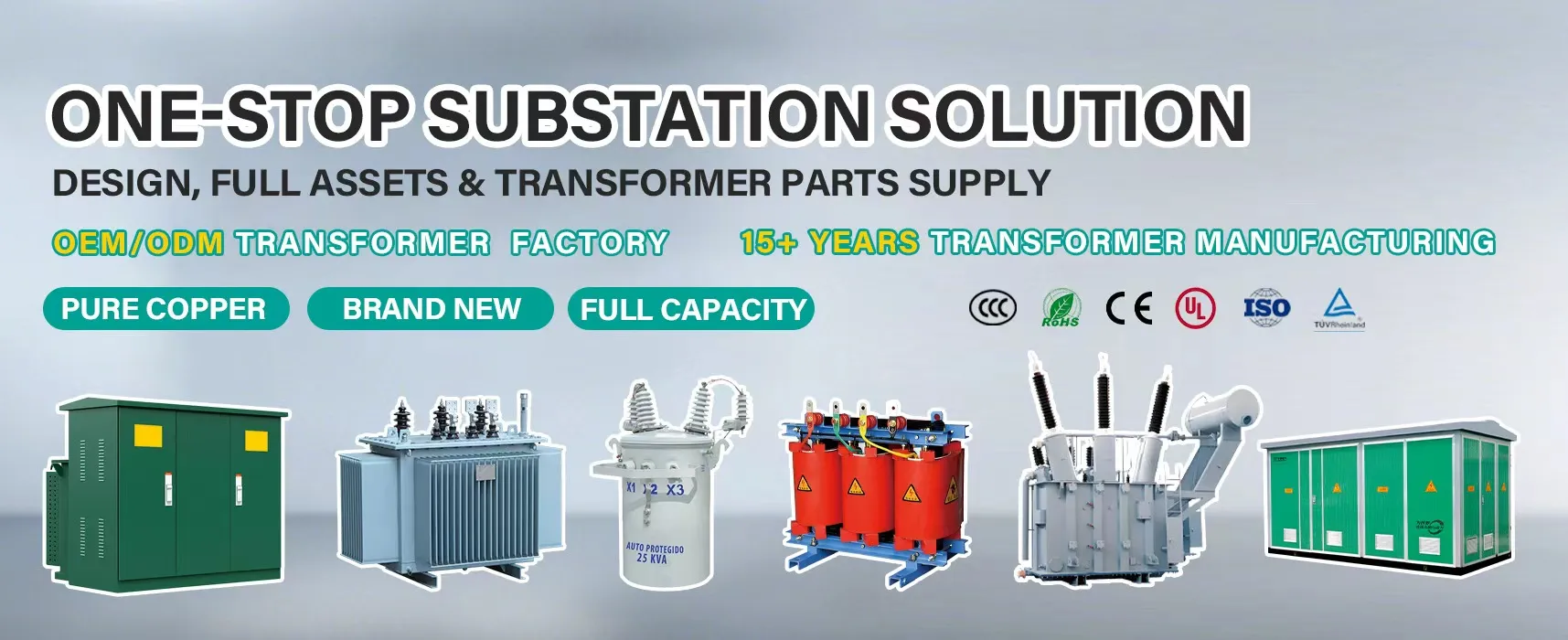
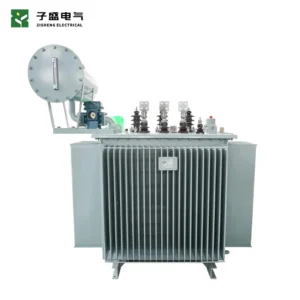
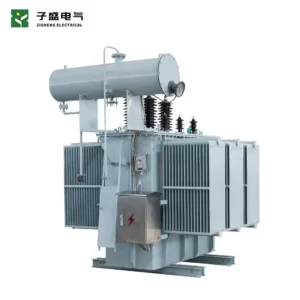
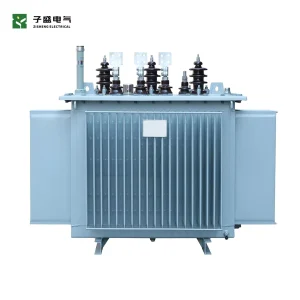
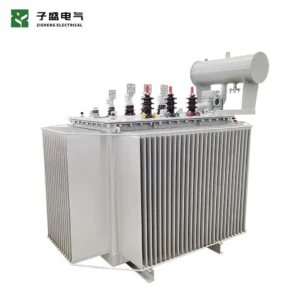
In turbine-level applications, compact and lightweight transformers such as dry type transformers are often used due to space constraints within nacelles. Oil immersed transformers, on the other hand, are widely applied in substations because of their superior cooling performance and higher capacity handling.
For offshore wind farms, specialized transformers are required to withstand extreme environmental conditions. These include corrosion-resistant designs and sealed structures to prevent moisture ingress. Additionally, pad mounted transformers and compact substations are frequently used in distributed wind energy systems, offering flexibility and ease of installation.
Each transformer type is selected based on project scale, environmental conditions, and grid connection requirements, ensuring optimal performance across different wind energy applications.
Key Technical Requirements for Wind Power Transformers
Wind power transformers must meet strict technical requirements to ensure reliable and efficient operation. One of the most important aspects is the ability to handle fluctuating loads. Wind turbine transformers must handle variable power output due to changing wind conditions, which places significant stress on electrical components.
Efficient cooling systems are required to maintain stable performance under fluctuating loads. Overheating can lead to insulation degradation and reduced lifespan, making thermal management a critical design factor. Both natural and forced cooling methods are used depending on transformer size and application.
Proper insulation and protection systems help ensure long-term operation of wind power transformers. High-quality insulation materials prevent electrical failures, while advanced protection systems safeguard against overloads, short circuits, and lightning strikes.
In addition, transformers must comply with international standards and certifications to ensure safety and performance. These technical requirements are essential for supporting the reliability and efficiency of wind energy systems, particularly in large-scale projects.
Grid Integration and Voltage Step-Up Solutions
Grid integration is a key challenge in wind power development, and transformer design plays a central role in addressing it. Grid integration requirements influence transformer design, including voltage levels and connection configurations. Transformers must be customized to match the specific needs of the grid infrastructure.
Step-up transformers are commonly used to connect wind farms to medium and high voltage transmission networks. These transformers ensure that electricity generated by turbines can be transmitted over long distances with minimal losses. They also help maintain voltage stability and power quality.
In many wind farms, multiple turbines are connected to a central substation where voltage is further increased before being fed into the transmission grid. This multi-stage transformation process enhances efficiency and ensures compliance with grid codes.
Advanced transformer technologies support the growth of large-scale and high-capacity wind energy projects by enabling flexible and reliable grid integration solutions. These innovations are essential for expanding renewable energy adoption worldwide.
Reliability and Performance in Harsh Environments
Wind power transformers are often installed in challenging environments, including remote onshore locations and offshore platforms. High reliability is critical for wind power transformers to minimize maintenance in remote or offshore locations where access is difficult and costly.
Transformers used in offshore wind farms must withstand harsh environmental conditions such as humidity, salt, and corrosion. These factors can significantly impact equipment performance if not properly addressed. Therefore, robust enclosure designs, anti-corrosion coatings, and sealed components are essential.
Temperature variations and high wind speeds also impose additional stress on transformer systems. To maintain performance, transformers must be designed with durable materials and advanced cooling systems that can operate efficiently under extreme conditions.
Reliability is not only about durability but also about consistent performance. High-quality manufacturing and rigorous testing processes ensure that transformers can operate continuously without failure, supporting the stability of wind power systems.
Maintenance and Lifecycle Management for Wind Power Transformers
Effective maintenance and lifecycle management are essential for maximizing the performance and lifespan of wind power transformers. Regular monitoring and maintenance improve the efficiency and lifespan of wind power transformers by identifying potential issues before they lead to failures.
Modern transformers are often equipped with intelligent monitoring systems that track parameters such as temperature, load, and oil condition in real time. These systems enable predictive maintenance, reducing downtime and maintenance costs.
Routine inspections, including checking insulation integrity and cooling system performance, are critical for ensuring long-term reliability. Proper maintenance strategies also help optimize operational efficiency and reduce the risk of unexpected outages.
Lifecycle management involves not only maintenance but also strategic planning for upgrades and replacements. As wind energy projects expand, advanced transformer technologies support the growth of large-scale and high-capacity wind energy projects, ensuring continued performance improvements over time.
Conclusion
Reliable, efficient transformers are essential to ensure stable wind power transmission, reduce losses, and support long-term renewable energy system performance.
About ZISHENG ELECTRICAL
Zisheng are a professional 19+ years manufacturer in producing Oil-Immersed Transformers, Compact Substation, Pad Mounted Transformers, Pole Mounted Transformers and Dry Type Transformers. We own the certificates of ISO/CE/IEC 60076 and TUV Rheinland.
Transformers undergo rigorous FAT and type testing, support voltage/capacity customization. Welcome to consult for Catalog and Product. you can contact us at email info@bdzstransformer.com.