How Do Transformers Ensure Efficient Power Distribution in Community Solar Projects?
Unstable voltage, grid mismatch, and inefficient distribution hinder solar projects. These issues cause energy loss and reduced returns. Proper transformer solutions ensure efficient integration and reliable solar power delivery.
Transformers for community solar projects are essential for voltage conversion, grid interconnection, and efficient energy distribution. They enable seamless solar energy integration, support stable power flow, and ensure that electricity generated from shared solar installations is safely delivered to the grid and end users.
Understanding transformer roles is key to maximizing solar project performance and reliability.
Transformers for Community Solar: Key Functions and System Integration
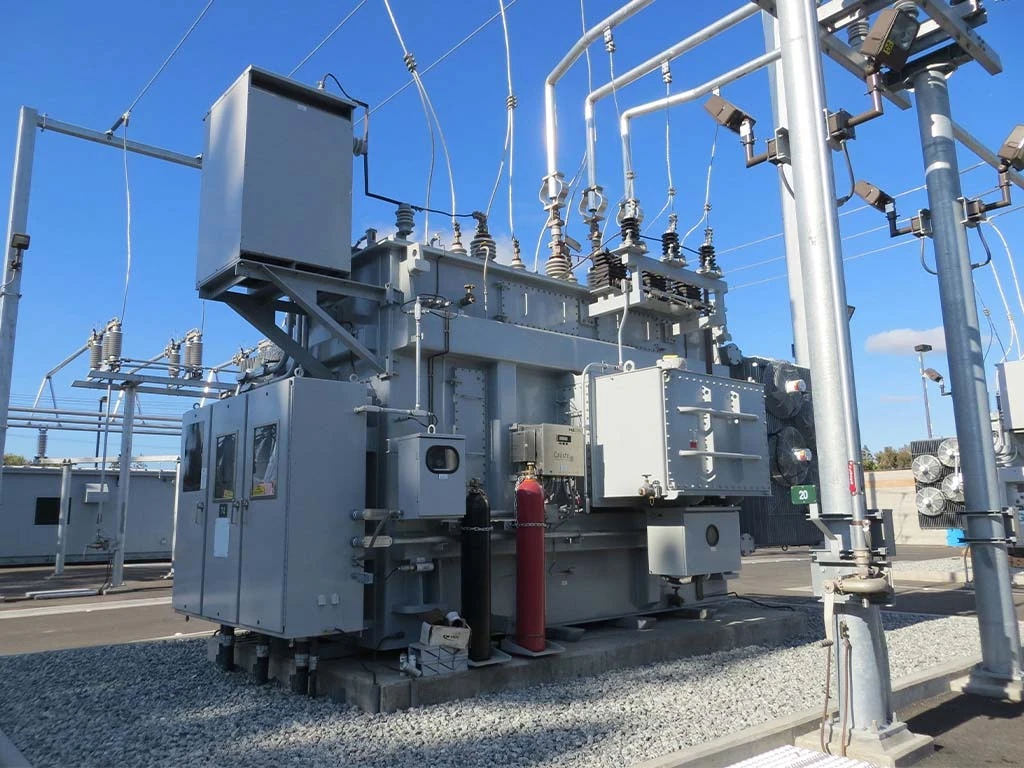
Transformers play a central role in community solar projects, ensuring efficient operation within solar power distribution systems. Their primary function is to convert voltage levels between solar generation units and the utility grid.
In modern renewable energy infrastructure, transformers enable smooth solar energy integration by connecting photovoltaic systems to distribution networks. They ensure proper voltage matching and protect system components from electrical faults.
Additionally, transformers support synchronization with grid-connected solar systems, allowing stable and continuous energy transfer. They are critical in maintaining power quality and ensuring that electricity generated by shared solar installations can be distributed efficiently to multiple users.
These functions make transformers indispensable in achieving reliable and scalable solar energy solutions.
Types of Transformers Used in Community Solar Projects
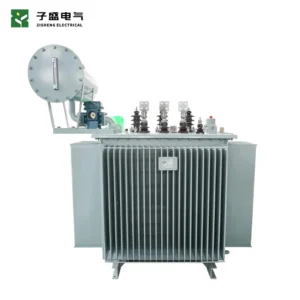
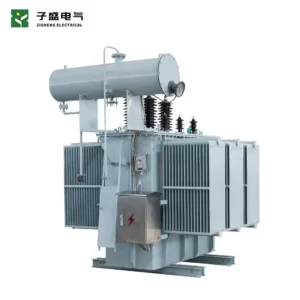
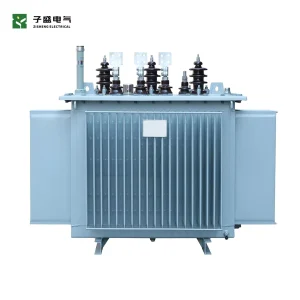
Several transformer types are used depending on system size and configuration. Step-up transformers for solar farms are commonly installed to increase voltage from solar arrays to transmission levels, reducing energy losses.
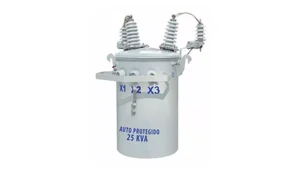
Medium voltage solar transformers are used to connect solar generation to local distribution networks, ensuring efficient energy transfer over medium distances. At the consumption level, distribution transformers for solar step down voltage for safe delivery to end users.
In utility-scale solar systems, specialized solar farm transformers are designed to handle high loads and variable generation patterns. The selection of transformer types depends on system capacity, layout, and integration requirements.
These different transformer solutions ensure flexibility and efficiency across various solar project scales.
How Transformers Support Solar Energy Distribution and Grid Connection
Transformers are essential for enabling power grid interconnection in solar projects. They adjust voltage levels to match grid requirements, ensuring compatibility and safe operation.
In grid-connected solar systems, transformers regulate voltage fluctuations caused by changing sunlight conditions. This ensures consistent energy output and protects grid stability.
They also play a key role in solar energy engineering, supporting efficient energy transfer within solar power distribution systems. By minimizing transmission losses, transformers improve overall system efficiency.
Furthermore, transformers facilitate integration with smart grid and solar integration technologies, enabling better monitoring and control of energy flows. This enhances reliability and supports the growth of modern solar infrastructure.
Design Considerations for Community Solar Transformer Selection
Selecting the right transformer is critical for project success. Engineers must evaluate system capacity, voltage levels, and environmental conditions when designing community solar projects.
Compatibility with clean energy infrastructure and renewable energy infrastructure is essential to ensure long-term performance. Transformers must also support efficient solar energy integration and handle fluctuating generation levels.
Thermal performance, efficiency, and durability are key factors in solar energy engineering. Additionally, cost considerations and lifecycle performance must be balanced to optimize investment.
Proper transformer selection ensures reliable operation, reduced losses, and improved system efficiency in solar installations.
Challenges in Community Solar Transformer Deployment and Maintenance
Despite their advantages, deploying transformers in community solar projects presents several challenges. One major issue is managing voltage fluctuations caused by variable solar generation.
Maintenance can also be complex, especially in remote or large-scale installations within utility-scale solar systems. Ensuring long-term reliability requires robust design and regular monitoring.
Integration with smart grid and solar integration systems may introduce technical complexities, requiring advanced control strategies. Additionally, environmental factors such as temperature and humidity can affect performance.
Addressing these challenges is essential to ensure efficient and reliable operation of solar energy systems.
Future Trends in Community Solar and Transformer Technologies
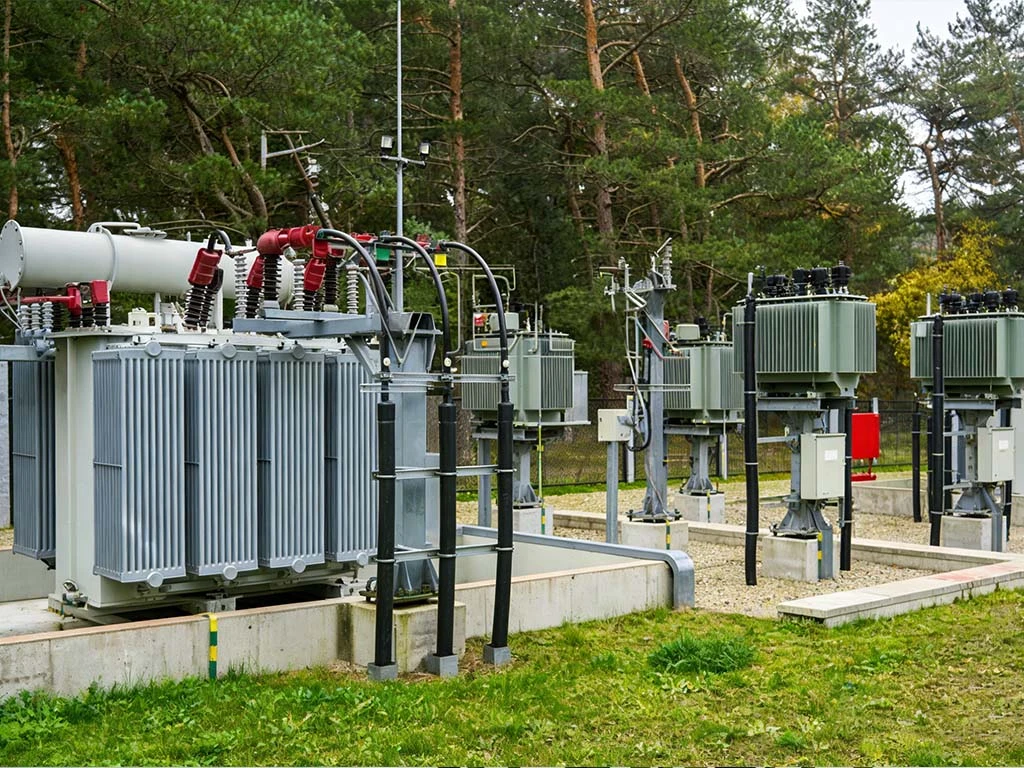
The future of transformers in community solar projects is closely linked to advancements in energy transition technologies. As solar adoption increases, demand for more efficient and intelligent transformer solutions will grow.
Innovations in materials and design will improve performance and reduce losses, supporting more advanced solar power distribution systems. Integration with digital monitoring and control systems will enhance reliability and efficiency.
The expansion of clean energy infrastructure and renewable energy infrastructure will further drive transformer innovation. These developments will support the transition toward more sustainable and resilient energy systems.
Transformers will continue to play a vital role in enabling efficient and scalable solar energy solutions worldwide.
Conclusion
Transformers are essential for efficient, reliable, and scalable community solar systems, supporting sustainable energy distribution and long-term grid stability.
About ZISHENG ELECTRICAL
Zisheng are a professional 19+ years manufacturer in producing Oil-Immersed Transformers, Compact Substation, Pad Mounted Transformers, Pole Mounted Transformers and Dry Type Transformers. We own the certificates of ISO/CE/IEC 60076 and TUV Rheinland.
Transformers undergo rigorous FAT and type testing, support voltage/capacity customization. Welcome to consult for Catalog and Product. you can contact us at email info@bdzstransformer.com.