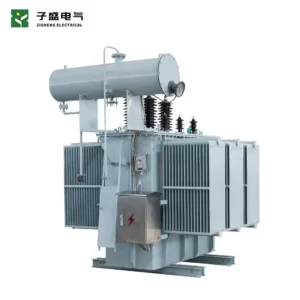
How Do Transformers Enable Reliable and Efficient Operation in Microgrids?
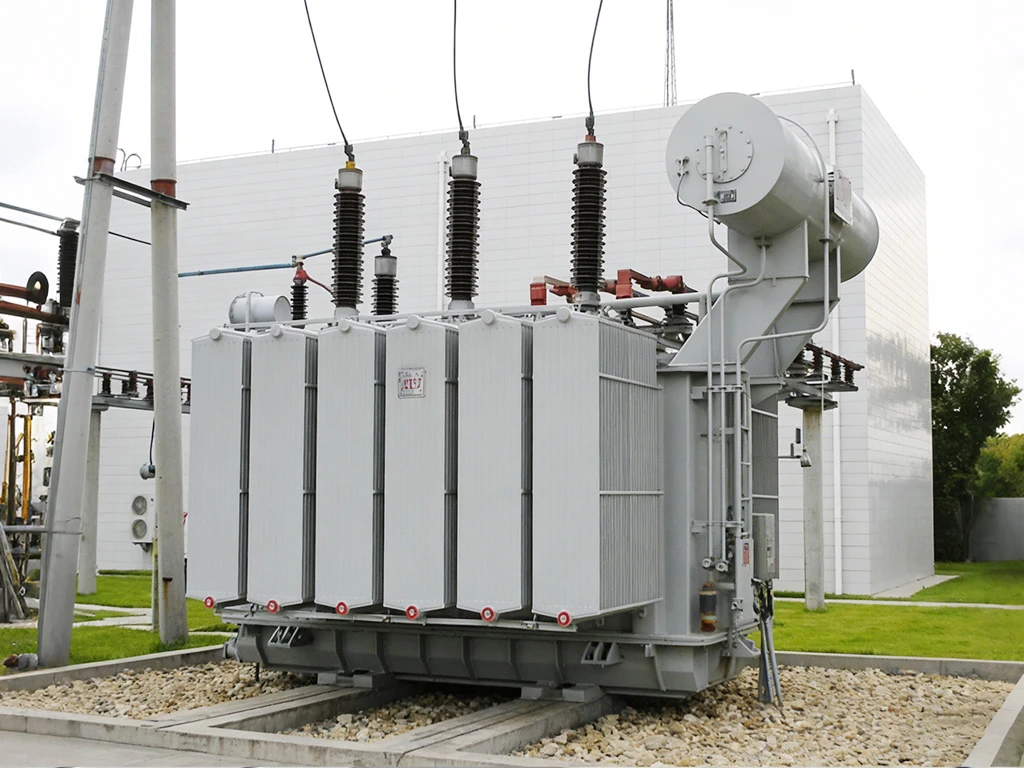
Unstable voltage, renewable intermittency, and poor coordination disrupt microgrids. These issues cause outages, inefficiencies, and equipment damage. Proper transformer solutions ensure stability, flexibility, and reliable operation.
Transformers for microgrids are essential for voltage regulation, energy distribution, and system stability. They enable seamless integration of distributed energy resources, support both grid-connected and islanded operations, and ensure efficient power flow across modern decentralized energy networks.
Exploring their role reveals how microgrids achieve reliability and scalability.
Transformers for Microgrids: Key Functions and Applications
Microgrid transformers play a central role in ensuring stable and efficient microgrid power distribution. Their primary function is to step voltage levels up or down to match generation, storage, and consumption requirements within localized energy systems.
In modern distributed energy systems, transformers enable safe interconnection between various assets such as solar panels, wind turbines, and diesel generators. They also isolate faults and maintain system protection, which is critical for maintaining operational continuity.
Applications include industrial parks, remote communities, military bases, and commercial facilities. In renewable energy microgrids, transformers ensure that fluctuating generation sources can be effectively integrated without compromising system stability.
Additionally, they support both grid-connected microgrids and islanded microgrid systems, ensuring smooth transitions between operating modes and enhancing overall system resilience.
Types of Transformers Used in Microgrid Systems
Various transformer types are deployed depending on system design and voltage requirements. Medium voltage transformers are typically used to connect microgrids to utility networks or distribute power across larger sites.
At the consumption level, low voltage distribution transformers step down electricity for end users, ensuring safe and efficient utilization. Isolation transformers are also used to protect sensitive equipment and improve power quality.
In systems with high renewable penetration, transformers must be compatible with power electronics in microgrids, such as inverters and converters. This ensures stable voltage and frequency regulation.
The selection of transformer types depends heavily on microgrid design and engineering, including load profiles, generation mix, and system configuration, making customization a key requirement for optimal performance.
How Transformers Support Renewable Energy Integration in Microgrids
Transformers are critical enablers of renewable energy microgrids, allowing diverse energy sources to operate cohesively. They regulate voltage fluctuations caused by solar and wind variability, ensuring consistent power delivery.
Incorporating distributed energy resources (DERs) requires transformers that can handle bidirectional power flow, as energy may move between generation sources, storage systems, and loads dynamically.
They also facilitate energy storage integration, ensuring batteries can charge and discharge efficiently without destabilizing the system. This is essential for balancing supply and demand in real time.
Moreover, transformers support advanced energy management systems (EMS) by providing accurate voltage control and system monitoring capabilities, enabling smarter and more efficient microgrid operation.
Design Considerations for Microgrid Transformer Selection
Selecting the right transformer requires careful evaluation of technical and environmental factors. Key aspects include load demand, voltage levels, and compatibility with distributed energy systems.
Engineers must consider performance in both grid-connected microgrids and islanded microgrid systems, ensuring seamless transitions without voltage instability. Efficiency and thermal performance are also critical for long-term reliability.
Integration with smart grid infrastructure requires transformers capable of handling digital monitoring and control systems. This supports predictive maintenance and optimized performance.
Environmental conditions, such as high temperatures or humidity, must also be considered during microgrid design and engineering, ensuring transformers maintain stable operation in challenging environments.
Challenges in Microgrid Transformer Deployment and Operation
Despite their advantages, deploying microgrid transformers comes with several challenges. One major issue is managing voltage fluctuations caused by intermittent renewable energy sources.
Compatibility with power electronics in microgrids can also create harmonics and power quality issues, requiring advanced design solutions. Additionally, ensuring efficient coordination between multiple distributed energy resources (DERs) can be complex.
Space constraints in urban environments and cost considerations further complicate implementation. Moreover, maintaining reliability in islanded microgrid systems requires robust transformer performance under varying load conditions.
Addressing these challenges is essential to deliver effective grid resilience solutions and ensure long-term operational stability.
Future Trends in Microgrid Transformers and Distributed Energy Systems
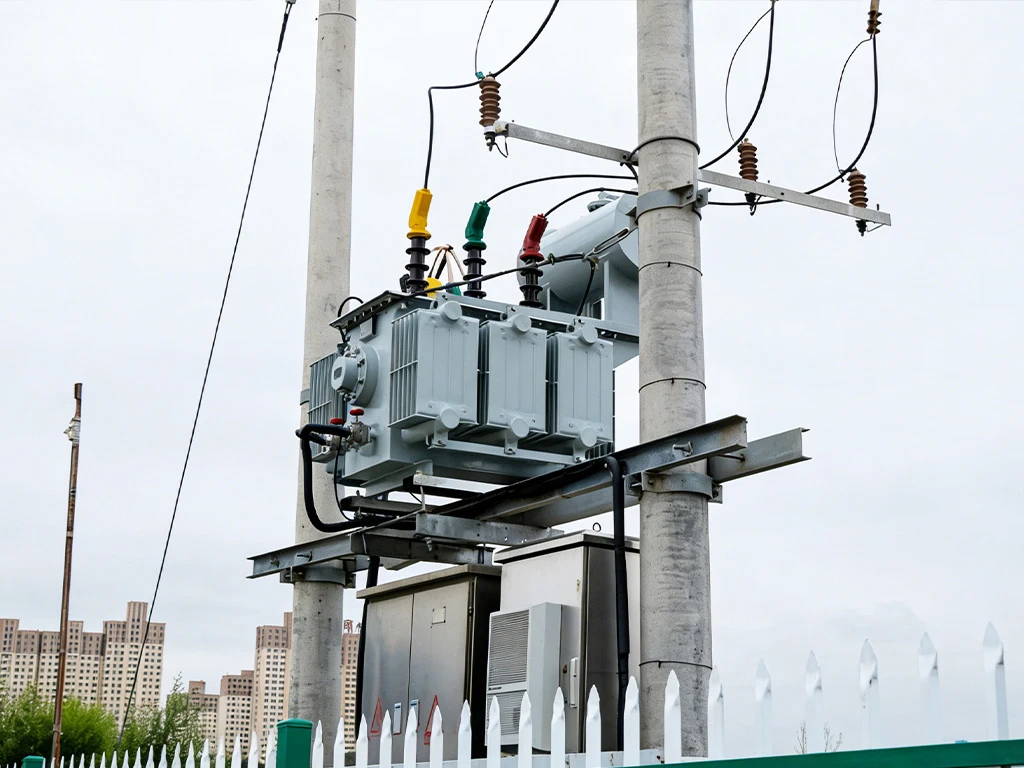
The future of microgrid transformers is closely linked to the evolution of distributed energy systems and digital technologies. Increasing adoption of renewable energy will drive demand for more flexible and efficient transformer solutions.
Advanced materials and smart monitoring will enhance performance and reduce maintenance costs. Integration with smart grid infrastructure and AI-driven energy management systems (EMS) will enable real-time optimization and predictive control.
As renewable energy microgrids expand, transformers will play a key role in supporting decentralized energy generation and consumption. These innovations will strengthen grid resilience solutions and improve energy security worldwide.
Conclusion
Microgrid transformers are essential for stability, efficiency, and renewable integration, forming the backbone of modern distributed and resilient energy systems.
About ZISHENG ELECTRICAL
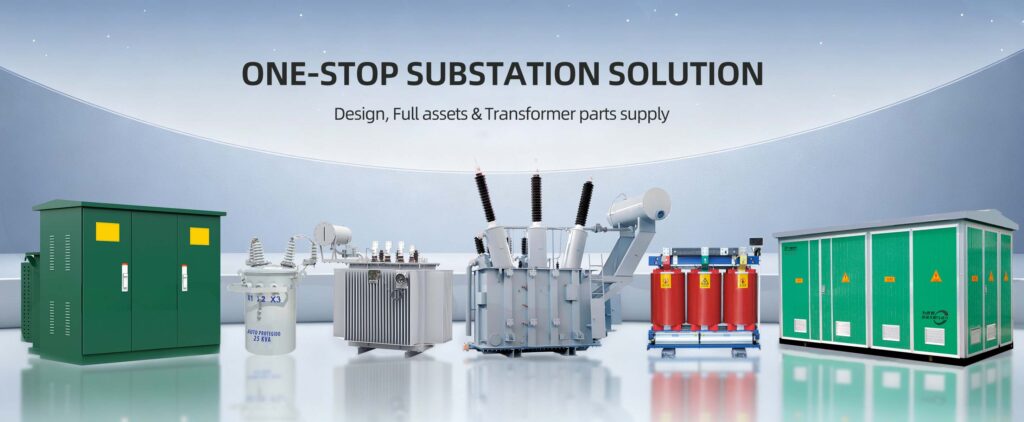
Zisheng are a professional 19+ years manufacturer in producing Oil-Immersed Transformers, Compact Substation, Pad Mounted Transformers, Pole Mounted Transformers and Dry Type Transformers. We own the certificates of ISO/CE/IEC 60076 and TUV Rheinland.
Transformers undergo rigorous FAT and type testing, support voltage/capacity customization. Welcome to consult for Catalog and Product. you can contact us at email [email protected].