How Can Transformers Achieve Green, Low-Carbon Environmental Protection in Modern Power Systems?
Power systems face rising carbon pressure, inefficient transformers increase energy waste, emissions, and costs. Adopting green transformer solutions enables sustainable, low-carbon, and compliant operations.
Green transformers reduce environmental impact by combining energy-efficient designs, low-loss materials, and eco-friendly insulation. Technologies such as natural ester insulating oil transformers and amorphous alloy transformers significantly lower emissions, improve efficiency, and support transformer carbon footprint reduction while meeting evolving transformer environmental protection standards.
This article explores practical strategies and technologies enabling transformers to achieve green, low-carbon performance across their lifecycle.
How to achieve green environmental protection for oil-immersed transformers? What are the key breakthrough points?
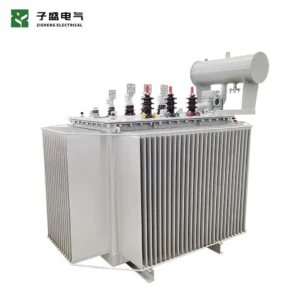
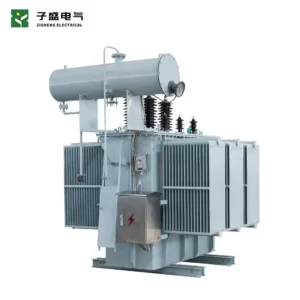
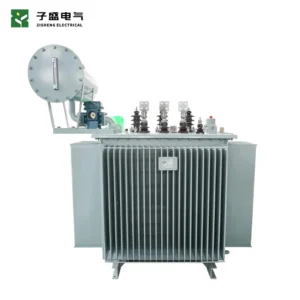
Oil-immersed transformers remain widely used, but achieving green transformer performance requires significant innovation in materials, design, and operation. One major breakthrough is the adoption of natural ester insulating oil transformer technology. Compared with traditional mineral oil, natural ester oil is biodegradable, has a higher flash point, and significantly reduces environmental risks in case of leakage or fire.
Another key improvement lies in reducing no-load and load losses through optimized core materials such as amorphous alloy transformer cores. These materials drastically lower energy loss, making the transformer more energy efficient. Additionally, sealed tank designs help prevent oil oxidation and contamination, extending service life and reducing maintenance-related emissions.
Digital monitoring systems also play a critical role by enabling real-time condition tracking, preventing failures, and optimizing operational efficiency. Combined, these advancements contribute significantly to transformer carbon footprint reduction and align with stricter transformer environmental protection standards.
What inherent advantages do dry-type transformers have over oil-immersed ones in terms of green and low carbon?
Dry-type transformers offer several inherent advantages when it comes to green transformer and low carbon transformer applications. First, they eliminate the need for insulating oil, removing the risk of oil leakage and soil or water contamination. This makes them particularly suitable for environmentally sensitive areas such as urban centers, hospitals, and data centers.
In addition, dry-type transformers typically use epoxy resin or vacuum pressure impregnation (VPI) insulation systems, which are more environmentally stable and require less maintenance. Their fire-resistant properties also enhance safety while reducing the need for additional fire protection systems, indirectly lowering carbon emissions.
From an energy efficiency perspective, modern dry-type transformers are designed to meet first-class energy efficiency transformer standards, ensuring minimal losses during operation. Their compact design and recyclability further contribute to lifecycle sustainability. These advantages make dry-type transformers an essential solution for achieving long-term transformer carbon footprint reduction.
How to reduce carbon emissions and achieve low-carbon manufacturing in the transformer production process?
Low-carbon transformer manufacturing begins with material selection and process optimization. Using high-grade silicon steel or amorphous alloy cores reduces energy losses during operation, but it also lowers lifecycle emissions. Additionally, sourcing eco-friendly insulating materials such as biodegradable ester fluids contributes to overall sustainability.
Production processes can be further optimized through automation and energy-efficient machinery, reducing electricity consumption in manufacturing facilities. Implementing lean manufacturing principles minimizes waste, while recycling copper, aluminum, and steel significantly cuts raw material emissions.
Another important strategy is adopting renewable energy sources within production plants, such as solar or wind power, to reduce dependence on fossil fuels. Carbon tracking systems also allow manufacturers to measure and control emissions throughout the production cycle, ensuring compliance with transformer environmental protection standards.
These combined efforts enable manufacturers to produce energy efficient transformers that not only perform better but also support global carbon neutrality goals.
When renovating old transformers, how to balance energy conservation and environmental protection to achieve low-carbon upgrading?
Upgrading aging transformers is a critical step toward achieving low carbon transformer systems. Instead of complete replacement, retrofitting can significantly reduce environmental impact while improving efficiency. One common approach is replacing outdated cores with high-efficiency materials such as amorphous alloys to reduce no-load losses.
Another strategy involves upgrading insulation systems, including converting to natural ester insulating oil transformer configurations. This improves safety and environmental performance without requiring full system replacement. Installing intelligent monitoring devices also enhances operational efficiency by enabling predictive maintenance and reducing unnecessary energy consumption.
However, balancing cost and environmental benefits is essential. A thorough lifecycle assessment should be conducted to determine whether retrofitting or replacement provides better carbon reduction outcomes. Proper recycling of dismantled components further ensures minimal environmental impact.
Through these methods, transformer carbon footprint reduction can be achieved while extending equipment life and maintaining economic viability.
In addition to reducing losses, what other low-carbon energy-saving skills are there during the operation of transformers?
Beyond minimizing electrical losses, several operational strategies can enhance the performance of green transformers. Load management is crucial; operating transformers within optimal load ranges prevents inefficiencies and prolongs equipment life. Intelligent grid systems can dynamically distribute loads, ensuring balanced and efficient operation.
Temperature control is another key factor. Maintaining optimal cooling conditions reduces thermal stress and energy waste. Advanced cooling technologies, including forced air or liquid cooling systems, can improve efficiency in high-demand environments.
Regular maintenance also plays a significant role. Cleaning, tightening connections, and monitoring insulation conditions help maintain peak performance and avoid energy losses caused by degradation. Additionally, integrating transformers into smart energy management systems enables real-time optimization and reduces unnecessary energy consumption.
These practices complement the use of energy efficient transformers and further contribute to long-term low carbon transformer operation.
Under the trend of green and low carbon, what new requirements are there for environmental protection standards in the transformer industry?
As global sustainability goals become more stringent, transformer environmental protection standards are evolving rapidly. Modern standards increasingly emphasize energy efficiency classifications, such as first-class energy efficiency transformer requirements, which mandate lower loss thresholds and higher operational performance.
Environmental regulations also focus on the use of eco-friendly materials, encouraging the adoption of biodegradable insulating fluids and recyclable components. Restrictions on hazardous substances are becoming stricter, pushing manufacturers toward greener alternatives.
In addition, lifecycle carbon assessments are gaining importance. Manufacturers are now expected to evaluate emissions from raw material extraction to end-of-life disposal, ensuring comprehensive transformer carbon footprint reduction. Digital documentation and certification transparency are also critical to prevent compliance risks.
These new requirements are reshaping the industry, driving innovation toward more sustainable, green transformer solutions that align with global environmental objectives.
Conclusion
Green transformer technologies enable efficient, low-carbon power systems, ensuring sustainability, compliance, and long-term economic value across the entire transformer lifecycle.
About ZISHENG ELECTRICAL
Zisheng are a professional 19+ years manufacturer in producing Oil-Immersed Transformers, Compact Substation, Pad Mounted Transformers, Pole Mounted Transformers and Dry Type Transformers. We own the certificates of ISO/CE/IEC 60076 and TUV Rheinland.
Transformers undergo rigorous FAT and type testing, support voltage/capacity customization. Welcome to consult for Catalog and Product. you can contact us at email info@bdzstransformer.com.