How Can Transformer Cooling Methods Prevent Overheating and Extend Equipment Lifespan?
Overheating damages transformers, causing failures, costly downtime, and safety risks. Without proper cooling, performance declines rapidly. The right cooling method ensures reliable operation and long-term efficiency.
Transformer cooling methods are essential for dissipating heat and maintaining safe operating temperatures. They directly influence transformer efficiency, lifespan, and operational stability. Oil-immersed cooling systems use insulating oil, while air-cooled transformers rely on airflow. Selecting appropriate cooling solutions such as ONAN, ONAF, or forced systems ensures optimal heat dissipation, reduces energy losses, and supports reliable performance in modern power systems.
Understanding how cooling works helps engineers and buyers make informed decisions, ensuring safe operation, improved efficiency, and longer transformer service life.
Overview of Transformer Cooling Methods
Transformer cooling methods are essential for dissipating heat and maintaining safe operating temperatures. During operation, transformers generate heat due to core losses and winding resistance. If not properly managed, this heat can degrade insulation and reduce equipment lifespan.
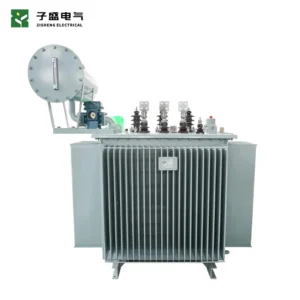
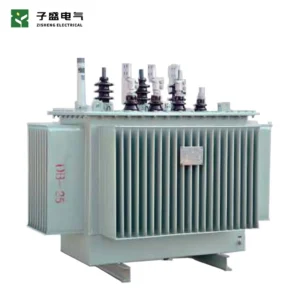
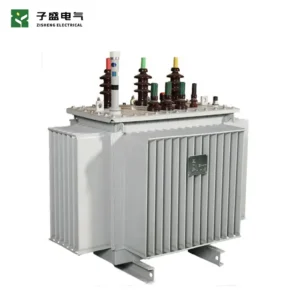
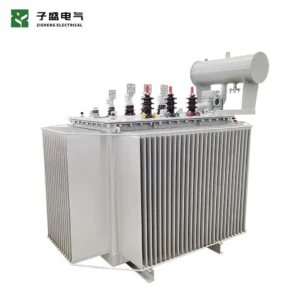
There are two primary categories of cooling systems: oil-based and air-based. Oil-immersed cooling systems use insulating oil to transfer heat away from the transformer core and windings. The oil absorbs heat and releases it through radiators or heat exchangers. In contrast, air-cooled transformers rely on natural or forced air circulation to remove heat from the system.
Each method is designed to match specific operational needs. Smaller transformers often use natural air cooling, while larger power transformers require advanced oil cooling systems. Effective cooling design helps prevent overheating and extends the service life of transformers, ensuring stable and efficient power distribution.
Oil Cooling vs Air Cooling: Key Differences
Oil cooling and air cooling represent two fundamentally different approaches to transformer thermal management. Oil-immersed cooling systems use insulating oil not only as a coolant but also as an electrical insulator. This dual function makes them highly efficient for high-capacity applications. The oil circulates either naturally or through pumps, transferring heat from internal components to external radiators.
Air-cooled transformers, on the other hand, rely on ambient air to dissipate heat. These systems can be natural air-cooled (AN) or forced air-cooled (AF), where fans enhance airflow. While air cooling is simpler and requires less maintenance, it is generally less efficient for large transformers.
The choice between oil and air cooling depends on factors such as installation environment, capacity, and safety requirements. Oil cooling is preferred for high-load and outdoor applications, while air cooling is suitable for indoor use where fire safety and environmental concerns are critical.
Common Cooling Types (ONAN, ONAF, OFAF, etc.)
Cooling methods such as ONAN and ONAF are commonly used in power transformers for efficient heat dissipation. These standardized designations describe how oil and air circulate within the system.
ONAN (Oil Natural Air Natural) relies on natural convection of oil and air. It is widely used in medium-capacity transformers due to its simplicity and reliability. ONAF (Oil Natural Air Forced) enhances cooling by adding fans to increase air circulation, improving heat dissipation without requiring oil pumps.
For higher capacity transformers, forced cooling systems are applied. OFAF (Oil Forced Air Forced) uses both oil pumps and fans to maximize cooling efficiency. Similarly, OFWF (Oil Forced Water Forced) uses water as a secondary cooling medium, offering superior heat transfer performance.
Forced cooling systems, including OFAF and OFWF, provide enhanced cooling performance for high-capacity transformers. These systems are essential in applications where load demand is high and temperature control is critical.
Cooling System Design and Heat Dissipation Principles
Cooling system design is based on fundamental heat dissipation principles, including conduction, convection, and radiation. Heat generated inside the transformer must be efficiently transferred to the surrounding environment to maintain safe operating conditions.
In oil-immersed transformers, heat is conducted from the windings and core to the insulating oil. The heated oil rises and circulates, transferring heat to radiators where it is released into the air. This process can be natural or assisted by pumps and fans, depending on the cooling method.
Air-cooled transformers rely on convection, where warm air rises and is replaced by cooler air. Forced air systems use fans to accelerate this process, improving cooling efficiency.
Proper heat dissipation improves transformer efficiency and reduces energy losses. Advanced cooling technologies are being developed to optimize airflow, enhance oil circulation, and improve thermal performance in modern high-load power systems.
Impact of Cooling Methods on Transformer Performance
The choice of cooling method has a direct impact on transformer performance, efficiency, and reliability. Effective cooling ensures that the transformer operates within its designed temperature limits, preventing insulation degradation and extending service life.
Transformers with efficient cooling systems can handle higher loads without overheating. This improves operational flexibility and allows for better utilization of installed capacity. In contrast, inadequate cooling can lead to thermal stress, reduced efficiency, and increased risk of failure.
Cooling methods also influence energy consumption. Forced cooling systems require additional power for fans and pumps, but they significantly improve heat dissipation. This trade-off is often justified in high-capacity applications where performance and reliability are critical.
Regular maintenance of cooling systems is important to ensure stable and reliable transformer operation. Cleaning radiators, checking oil levels, and maintaining fans and pumps help sustain optimal performance over time.
How to Select the Right Cooling Method for Your Application
Selecting the appropriate cooling method requires careful consideration of several factors. The choice of cooling method depends on transformer capacity, installation environment, and load conditions.
For small to medium transformers, natural cooling methods such as ONAN or air-cooled systems are often sufficient. These solutions are cost-effective and require minimal maintenance. However, for large power transformers operating under heavy loads, forced cooling systems like ONAF, OFAF, or OFWF are more suitable.
Environmental conditions also play a crucial role. High ambient temperatures, humidity, or limited ventilation may require enhanced cooling solutions. Indoor installations may favor dry-type or air-cooled transformers for safety reasons, while outdoor installations often use oil-immersed systems.
Additionally, project requirements such as efficiency targets, energy savings, and long-term reliability must be considered. Advanced cooling technologies are increasingly used to meet the demands of modern power systems, ensuring optimal performance and reduced operational risks.
Conclusion
Choosing the right transformer cooling method ensures efficient heat dissipation, reliable performance, and extended service life in demanding power applications.
About ZISHENG ELECTRICAL
Zisheng are a professional 19+ years manufacturer in producing Oil-Immersed Transformers, Compact Substation, Pad Mounted Transformers, Pole Mounted Transformers and Dry Type Transformers. We own the certificates of ISO/CE/IEC 60076 and TUV Rheinland.
Transformers undergo rigorous FAT and type testing, support voltage/capacity customization. Welcome to consult for Catalog and Product. you can contact us at email info@bdzstransformer.com.