How Can High Voltage Transformers Ensure Stable and Efficient Power Delivery in Modern Power Systems?
Power instability and overload conditions threaten system reliability, causing outages and costly damage. Without robust solutions, risks increase. Advanced transformers ensure stable transmission and efficient energy management.
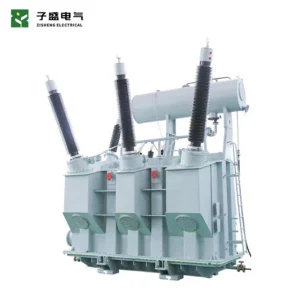
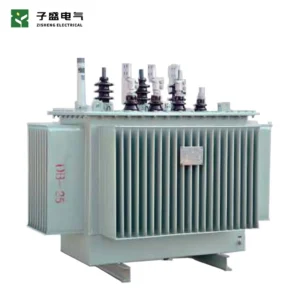
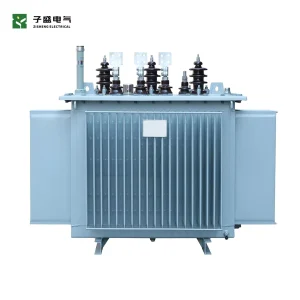
A high voltage transformer plays a vital role in high voltage power applications by supporting grid transmission systems, enabling long distance power transmission, and ensuring reliable power distribution. With high efficiency transformer design and low energy loss design, it enhances power grid stability and supports future power infrastructure development.
Understanding its real-world performance and applications is essential for optimizing modern energy systems.
Applications of High Voltage Transformers in Power Systems
A high voltage transformer is widely used in various high voltage power applications, forming the backbone of modern electrical infrastructure. One of its primary roles is within grid transmission systems, where it enables efficient long distance power transmission by stepping up voltage and reducing current losses.
These transformers are essential in substation transformer applications, where they regulate voltage levels between transmission and distribution networks. They are also heavily utilized in industrial power systems, supporting large-scale manufacturing facilities and energy-intensive operations.
In renewable energy projects, such as wind and solar farms, high voltage transformers facilitate grid connection and efficient energy transfer. Their ability to handle high loads and maintain stable performance makes them indispensable in modern energy networks.
Overall, their versatility and reliability ensure consistent power delivery across diverse applications.
Performance Under Heavy Load and Extreme Conditions
High voltage transformers are designed to perform reliably under heavy load operation and extreme environmental conditions. In many power systems, transformers must operate continuously at or near their rated capacity, requiring robust design and advanced engineering.
A high performance transformer is built to withstand temperature fluctuations, humidity, and harsh environmental factors without compromising performance. This is particularly important in remote or industrial locations where conditions can be challenging.
The ability to maintain stability during peak demand ensures continuous operation reliability, which is critical for preventing power interruptions. Transformers are also designed with strong mechanical structures to endure electrical stress and fault conditions.
Their durability and resilience make them suitable for demanding applications, ensuring consistent performance even under the most challenging circumstances.
Efficiency Optimization and Energy Loss Reduction
Efficiency is a key factor in modern power systems, and a high efficiency transformer plays a crucial role in minimizing energy losses. Advanced designs focus on low energy loss design, reducing both no-load and load losses.
This contributes significantly to energy efficiency optimization, lowering operational costs and improving overall system performance. By minimizing wasted energy, these transformers enhance the sustainability of power networks.
Improved core materials and optimized winding designs help achieve higher efficiency levels. These innovations ensure that energy is transmitted with minimal loss, even over long distances.
As energy demand continues to grow, optimizing transformer efficiency becomes increasingly important for achieving cost-effective and sustainable power solutions.
Role in Grid Stability and Power Distribution
A high voltage transformer is essential for maintaining power grid stability and ensuring reliable power distribution. By regulating voltage levels and balancing load conditions, it helps prevent fluctuations that could disrupt system performance.
In grid transmission systems, transformers manage the flow of electricity, ensuring that power is delivered where it is needed without overloading the network. This is particularly important in complex grids with multiple generation sources.
Their role in substation transformer applications includes voltage control and system protection, which are critical for maintaining stable operation. Proper transformer performance directly impacts the reliability of the entire power system.
By supporting stable and efficient power distribution, high voltage transformers contribute to the overall resilience of modern energy infrastructure.
Maintenance and Operational Reliability
Ensuring long-term performance requires effective maintenance and inspection practices. Regular monitoring and preventive maintenance are essential for maintaining continuous operation reliability.
A well-maintained high performance transformer can operate efficiently for decades, reducing the need for costly replacements. Maintenance activities include checking insulation, cooling systems, and electrical connections.
Advanced monitoring technologies allow operators to detect potential issues early, minimizing downtime and improving system reliability. This proactive approach helps maintain optimal performance and extends equipment lifespan.
Reliable maintenance strategies are critical for ensuring that transformers continue to perform effectively in demanding power system environments.
Future Trends in High Voltage Transformer Technology
The development of future power infrastructure is driving innovation in high voltage transformer technology. Advances in materials, design, and digital monitoring are enhancing performance and efficiency.
Modern transformers are increasingly incorporating smart technologies, enabling real-time monitoring and improved control. These features support better energy efficiency optimization and system management.
New designs focus on improving durability and reducing environmental impact, aligning with global sustainability goals. Enhanced cooling systems and advanced materials contribute to higher efficiency and longer service life.
As power systems evolve, high voltage transformers will continue to play a critical role in supporting reliable and efficient energy distribution, shaping the future of global energy infrastructure.
Conclusion
High voltage transformers ensure efficient transmission, stability, and reliability, supporting modern power systems and advancing future power infrastructure development.
About ZISHENG ELECTRICAL
Zisheng are a professional 19+ years manufacturer in producing Oil-Immersed Transformers, Compact Substation, Pad Mounted Transformers, Pole Mounted Transformers and Dry Type Transformers. We own the certificates of ISO/CE/IEC 60076 and TUV Rheinland.
Transformers undergo rigorous FAT and type testing, support voltage/capacity customization. Welcome to consult for Catalog and Product. you can contact us at email info@bdzstransformer.com.