How Can AI Transformer Monitoring Improve Reliability and Prevent Costly Failures?
Unexpected transformer failures disrupt power systems, causing downtime, financial loss, and safety risks. Without timely insights, minor issues escalate rapidly. AI transformer monitoring system offers proactive solutions.
An AI transformer monitoring system leverages intelligent data analytics, real-time condition monitoring, and machine learning algorithms to continuously assess transformer health. By integrating sensor-based monitoring and predictive maintenance technology, it enables early fault detection, improves operational reliability, and reduces unplanned outages in modern power systems.
Understanding how AI enhances transformer monitoring is essential for utilities and industrial operators seeking efficiency and reliability improvements.
What Is AI-Based Transformer Monitoring?
AI-based transformer monitoring refers to the application of advanced digital technologies to continuously evaluate transformer performance and condition. Unlike traditional inspection methods that rely on periodic manual checks, modern systems utilize real-time condition monitoring combined with intelligent data analytics to provide continuous visibility.
This approach integrates multiple data sources, including temperature, load conditions, dissolved gas analysis, and environmental factors. Through sensor-based monitoring, data is collected and processed in real time, enabling operators to detect abnormalities instantly.
The core advantage lies in its ability to perform comprehensive transformer health assessment. By analyzing historical and live data simultaneously, AI systems can identify patterns that human operators might overlook. This ensures more accurate diagnostics and better decision-making.
Ultimately, AI-based monitoring transforms maintenance from reactive to proactive, significantly improving reliability while reducing operational risks and maintenance costs.
Key Technologies Behind AI Transformer Monitoring Systems
The effectiveness of an AI transformer monitoring system depends on several advanced technologies working together seamlessly. These technologies form the backbone of intelligent monitoring and diagnostics.
At the forefront are machine learning algorithms, which analyze vast datasets to identify patterns, trends, and anomalies. These algorithms continuously improve over time, enhancing prediction accuracy and system reliability.
Another critical component is sensor-based monitoring, where IoT-enabled sensors capture real-time data such as temperature, oil levels, humidity, and electrical parameters. These sensors ensure continuous and accurate data flow from the transformer.
Cloud computing and edge computing also play vital roles by enabling fast data processing and storage. Combined with intelligent data analytics, these systems can process large volumes of information efficiently.
Additionally, anomaly detection models are used to identify deviations from normal operating conditions. These models trigger alerts when unusual patterns are detected, allowing operators to take immediate action.
Together, these technologies create a robust and scalable monitoring ecosystem capable of supporting modern power infrastructure.
Real-Time Data Collection and Intelligent Analysis
Real-time data collection is a fundamental aspect of modern transformer monitoring. Through advanced sensor-based monitoring, critical parameters are continuously captured and transmitted for analysis.
This constant data stream enables real-time condition monitoring, ensuring that any deviation from normal operating conditions is detected immediately. Unlike traditional systems, which rely on delayed reporting, AI-powered solutions provide instant insights.
Once collected, the data is processed using intelligent data analytics. These analytics tools evaluate trends, correlations, and performance indicators, offering a comprehensive understanding of transformer behavior.
The integration of AI allows systems to filter out noise and focus on meaningful data. This improves the accuracy of diagnostics and reduces false alarms.
Moreover, real-time analysis supports dynamic decision-making. Operators can respond quickly to emerging issues, preventing minor faults from escalating into major failures.
This capability significantly enhances operational efficiency and ensures continuous power supply, especially in critical applications such as industrial facilities and grid infrastructure.
Predictive Maintenance Using Machine Learning
Predictive maintenance represents one of the most valuable applications of AI in transformer monitoring. By leveraging machine learning algorithms, systems can predict potential failures before they occur.
Unlike traditional maintenance strategies, which are either reactive or scheduled, predictive maintenance technology uses historical and real-time data to forecast equipment behavior. This allows maintenance activities to be planned based on actual condition rather than fixed intervals.
Through continuous transformer health assessment, AI models evaluate parameters such as insulation degradation, thermal stress, and load patterns. These insights help identify early signs of wear and deterioration.
Additionally, anomaly detection models play a crucial role in recognizing subtle deviations that indicate potential faults. Early detection enables timely intervention, reducing downtime and repair costs.
The implementation of predictive maintenance not only extends transformer lifespan but also optimizes resource allocation. Maintenance teams can focus on high-risk equipment, improving overall operational efficiency.
This proactive approach is particularly beneficial for large-scale power networks and industrial operations where reliability is critical.
Fault Detection and Early Warning Mechanisms
Fault detection is a critical function of any monitoring system, and AI significantly enhances its effectiveness. A modern fault diagnosis system uses advanced algorithms to identify and classify different types of transformer faults.
By combining real-time condition monitoring with intelligent data analytics, the system can detect abnormalities such as overheating, insulation failure, and partial discharge at an early stage.
The integration of anomaly detection models ensures that even subtle irregularities are identified. These models compare real-time data with baseline performance, highlighting deviations that may indicate potential issues.
Once a fault is detected, the system generates early warnings, allowing operators to take preventive actions. This reduces the risk of catastrophic failures and minimizes downtime.
Furthermore, AI-based systems can prioritize alerts based on severity, enabling efficient response management. This ensures that critical issues are addressed promptly while avoiding unnecessary interventions.
Overall, AI-driven fault detection improves system reliability, enhances safety, and reduces maintenance costs.
Integration with Smart Grid and Digital Substations
The integration of AI monitoring systems with modern power infrastructure is essential for achieving full operational efficiency. Digital substation integration enables seamless communication between transformers and centralized control systems.
In a smart grid environment, an AI transformer monitoring system plays a key role in enhancing grid stability and efficiency. By providing real-time insights, it supports better load management and energy distribution.
Through digital substation integration, monitoring systems can interact with other intelligent devices, enabling coordinated operations. This improves system responsiveness and reduces the risk of outages.
Additionally, the use of sensor-based monitoring and advanced communication technologies ensures reliable data transmission across the network.
The integration also supports remote monitoring and control, allowing operators to manage assets from centralized locations. This is particularly beneficial for large and geographically dispersed power systems.
By aligning with smart grid technologies, AI-based monitoring systems contribute to a more resilient, efficient, and sustainable energy infrastructure.
Conclusion
AI-driven monitoring enhances reliability, enables predictive maintenance, and ensures efficient transformer operation in modern power systems.
About ZISHENG ELECTRICAL
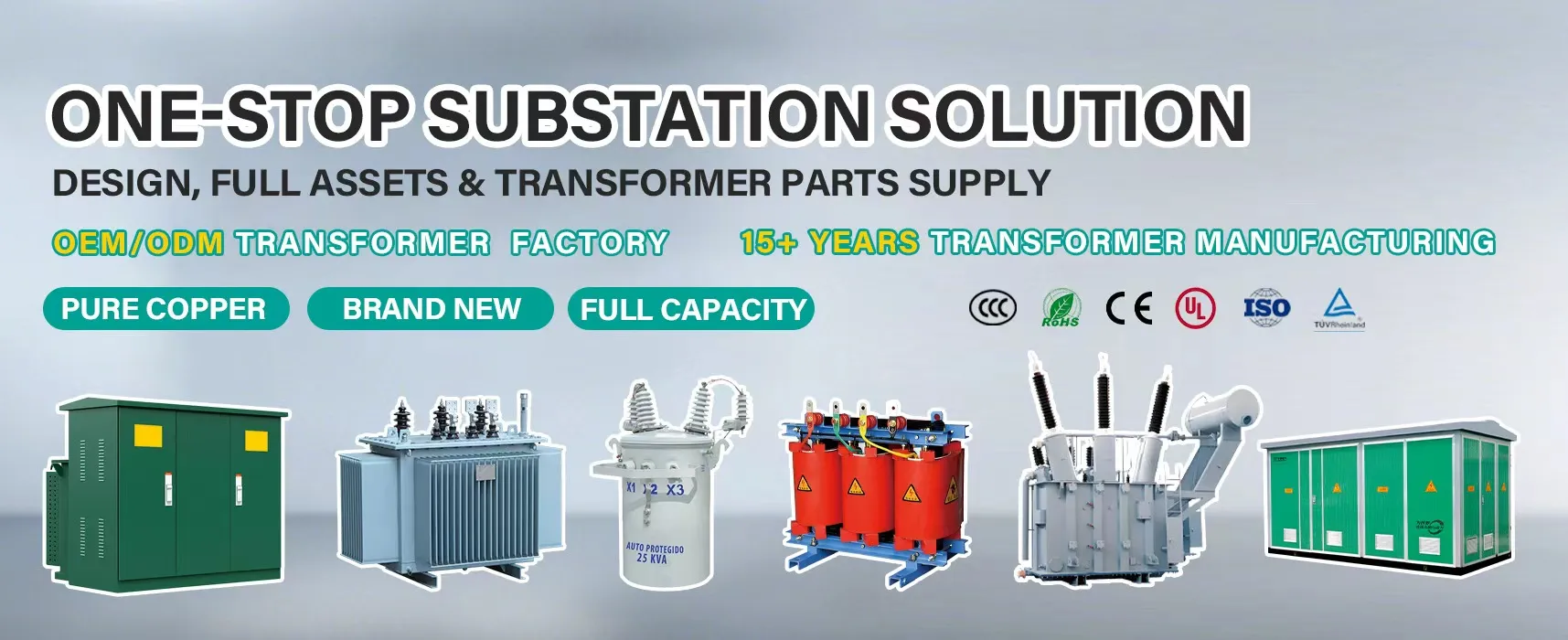
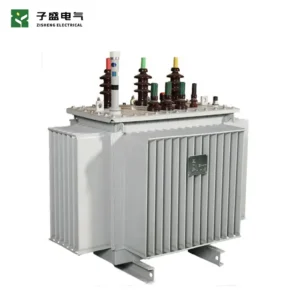
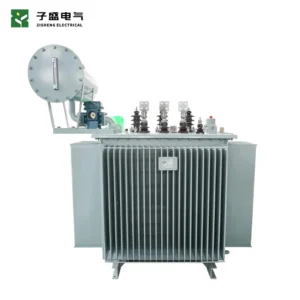
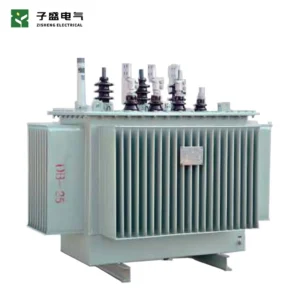
Zisheng are a professional 19+ years manufacturer in producing Oil-Immersed Transformers, Compact Substation, Pad Mounted Transformers, Pole Mounted Transformers and Dry Type Transformers. We own the certificates of ISO/CE/IEC 60076 and TUV Rheinland.
Transformers undergo rigorous FAT and type testing, support voltage/capacity customization. Welcome to consult for Catalog and Product. you can contact us at email info@bdzstransformer.com.