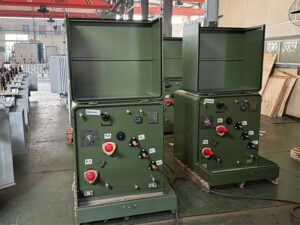
Temporary Construction Power Transformer for African EPC Sites: Stage Loads, Relocation and Ownership
Zisheng Electric s'apprête à temporary construction power transformer as equipment serving a changing project, not a smaller version of the final plant substation. The crane compound, concrete plant, workshops and accommodation may peak at different times. Cable routes move. A utility connection can become available after work has already started on generators. These changes should appear in the procurement brief before a transformer is ordered.
For African EPC projects, location alone does not define voltage, frequency, climate or approval requirements. A coastal site, an inland plateau and an urban redevelopment can require different arrangements. This guide sets out the information needed to choose a temporary supply package, compare ownership options and control relocation. It does not assign one regional electrical standard or promise a universal construction-site rating.
Start the temporary construction power transformer brief with the exit plan
Ask what will happen to the equipment when construction ends. It may be removed and returned to a rental fleet, relocated to another work front, sold with project assets or retained for permanent service. Each outcome changes the design and documentation required. A low first price can be misleading if the unit cannot be moved economically or accepted into the permanent installation.
Write the expected service period and relocation count into the enquiry. Identify the longest period at one location, the anticipated storage intervals and the party responsible for preservation. If future sites are unknown, separate confirmed requirements from optional capability. Paying for every conceivable voltage combination can produce a costly package that still lacks the mechanical interface needed at the next site.
Keep permanent acceptance separate
A transformer used during construction should not automatically enter permanent service. The owner may require different metering, loss guarantees, protection, documentation or condition checks. Agree the acceptance route before construction use begins. Record operating history and changes so that the final owner can assess the actual equipment being handed over.
A planned reuse arrangement should state who restores missing accessories, repairs coatings and replaces temporary cable arrangements. Otherwise, the construction team can finish its work while leaving the permanent installation with an unresolved refurbishment scope.

Describe construction stages as distinct electrical cases
Build a load list for enabling works, peak civil construction, mechanical erection and commissioning. For each stage, identify simultaneous running loads, starting events, nonlinear equipment and essential services. Use the programme to explain overlap; do not simply total every piece of equipment that might ever visit the site.
Crane drives, pumps, welding equipment and workshop loads can have very different operating patterns. A demand estimate expressed only in average kilowatts hides power factor, starting duty and the current waveform seen by the transformer. Ask equipment suppliers for usable electrical input data and mark provisional values so that changes trigger a review.
The important question is which combination governs the design. Peak running demand may determine continuous capacity, while a particular starting event determines voltage performance. A different stage may have the longest cable route or the smallest available source. Choosing the largest kVA rating on the list does not resolve every one of these constraints.
Use sequencing as a defined operating measure
If the proposal relies on starting large loads separately, identify how that sequence will be enforced and who may change it. An informal instruction passed between subcontractors is a weak design assumption. Put any loading restrictions into the operating plan and verify that the construction programme can tolerate them.
Allow for commissioning loads that arrive before the permanent distribution system is complete. The temporary package may need to support auxiliary systems or selected test activities during this transition. Coordinate those requirements with the project’s Spécifications relatives à l'alimentation auxiliaire du transformateur so that neither team assumes the other has provided the source.
Choose an arrangement using the whole project boundary
The table below compares procurement choices by their consequences. It is a decision aid; it does not establish electrical ratings or installation clearances. The design engineer should assess the selected arrangement against the verified site and source data.
| Choice | Where it may help | Issue to resolve before award | Pièces à demander |
|---|---|---|---|
| One central transformer | Concentrated work areas with manageable feeder lengths | Voltage performance, cable cost and the consequence of losing the common source | Stage load cases and feeder assessment |
| Several distributed units | Separated work fronts or staged site occupation | Additional connections, protection coordination and maintenance responsibility | Single-line diagrams for each stage |
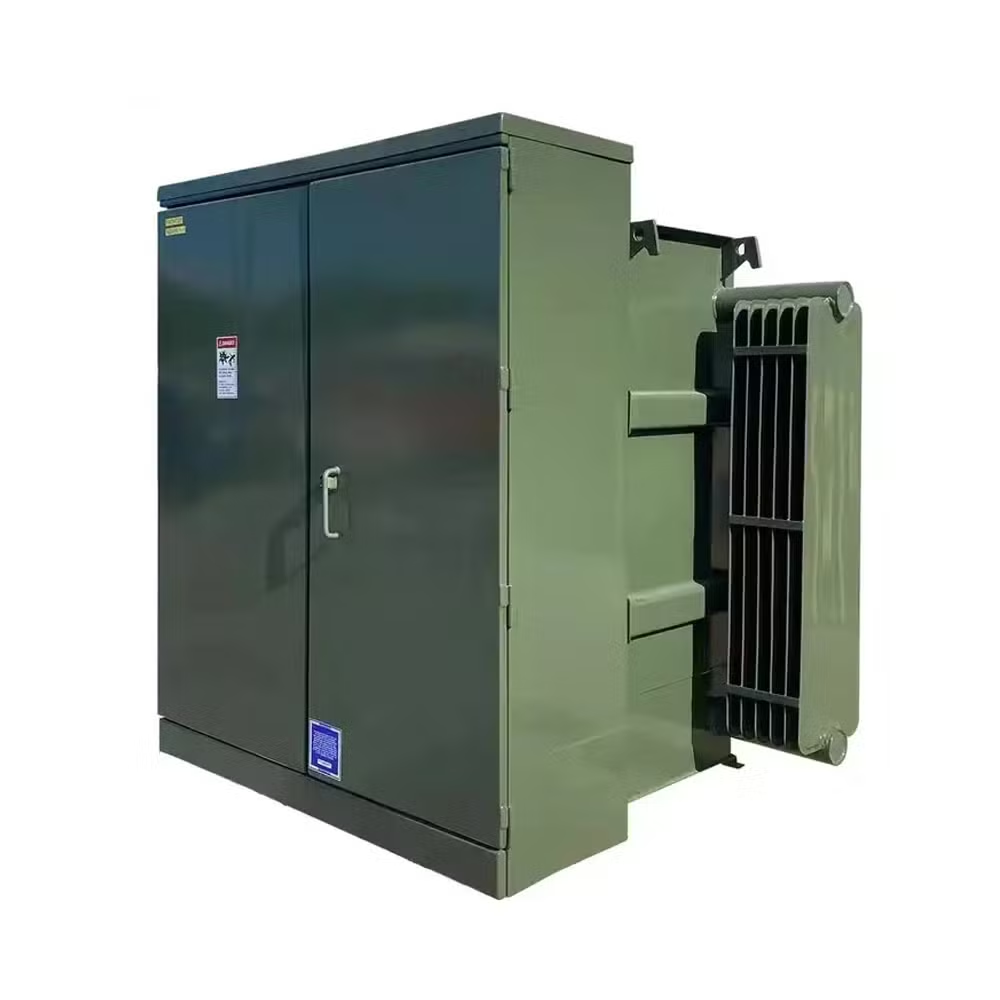
| Integrated prefabricated package | Defined transformer and switchgear scope with repeatable interfaces | Enclosure thermal performance, access and transport envelope | Assembled-package drawings and test scope |
| Rental package | Known short-term requirement with a suitable available configuration | Condition, included cables, damage allocation and extension charges | Equipment-specific condition and scope records |
| Purchased reusable package | Several planned projects sharing confirmed interfaces | Future compatibility, storage and relocation costs | Fleet interface register and preservation plan |
| Early use of permanent equipment | Owner-approved transition with controlled construction exposure | Warranty, contamination, temporary protection and final acceptance | Written construction-use and restoration agreement |
Compare total project cost on the same boundary. Include transformers, switchgear, metering, cables, foundations, guarding, connection work, testing, maintenance, fuel where relevant, removal and reinstatement. A rental quotation and a purchase quotation cannot be compared fairly when one includes commissioning and the other stops at delivery.
Confirm the source and utility interface for every stage
Request the connection voltage, frequency, available capacity, permissible operating range and relevant fault information from the responsible source owner. Record the supply point and who has authority to approve the connection. A national nominal voltage reference is not a substitute for the project connection offer.
If generators are part of the arrangement, the source characteristics and operating modes need their own assessment. Transfer between sources can change fault levels, protection behaviour and earthing interfaces. Specify the permitted modes and prevent an unreviewed assumption that sources will operate in parallel. Detailed switching and protection design belongs with the authorised electrical designer.
Make the commercial boundary equally clear. Identify which party supplies the incoming termination, revenue or allocation meter, connection application and test evidence. Distinguish utility approval from acceptance of the transformer itself. A factory report cannot establish that a local service connection has been authorised.
Match standards to the installation scope
IEC 60364-7-704:2017 addresses low-voltage installations used during construction and demolition work and intended to be taken out of service when the work ends. Its scope is relevant to the installation brief, but citing it does not define the complete medium-voltage transformer package or prove local adoption.
List the standards and editions required by the contract, then obtain confirmation of applicable local requirements from the project authority. Keep transformer, switchgear, assembly and installation responsibilities explicit. Avoid a blanket statement that a package complies with every requirement simply because one component has a test certificate.
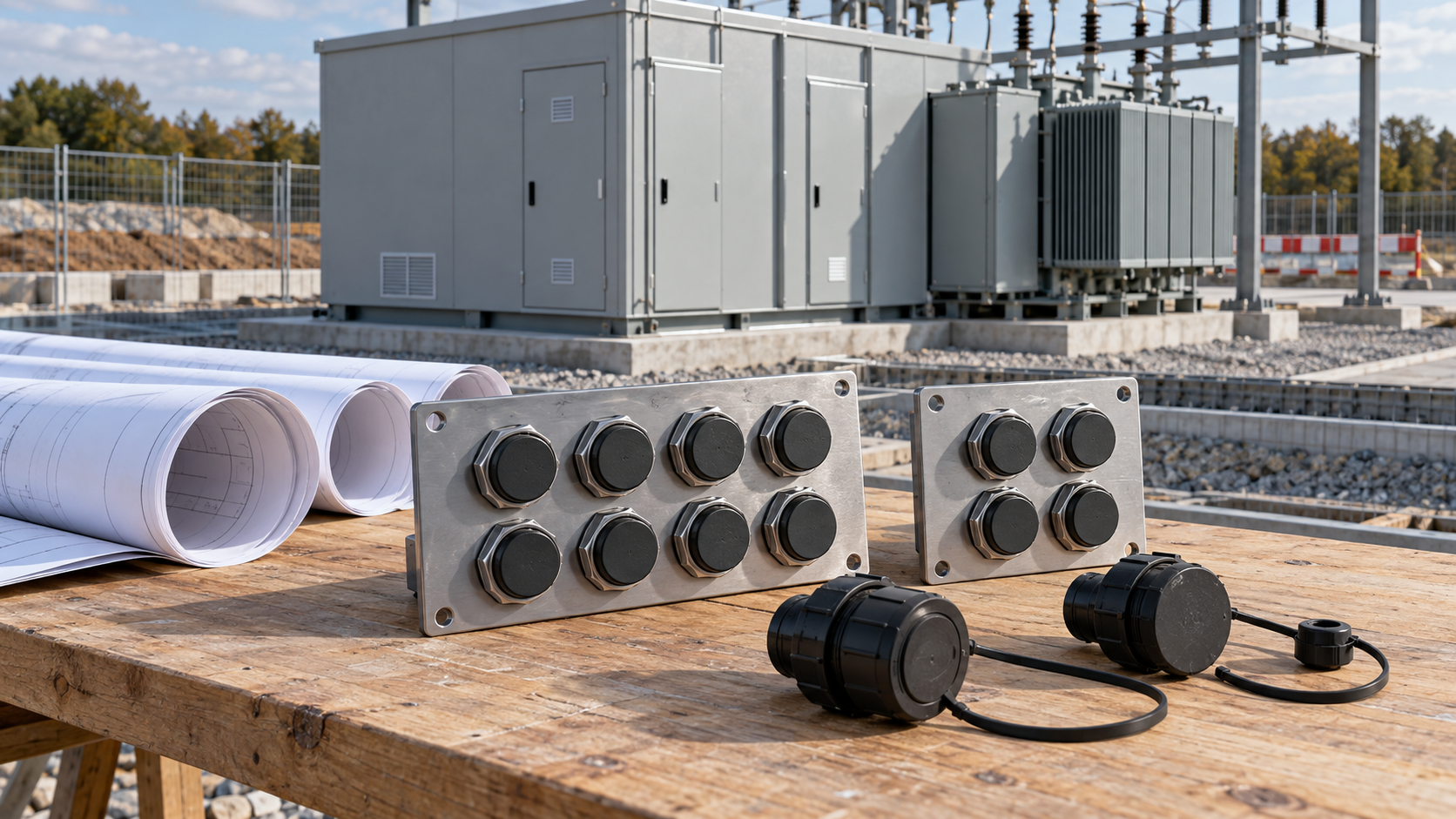
Turn African site conditions into equipment decisions
Use a site data sheet rather than a continent-wide climate assumption. Confirm elevation, temperature range, expected solar exposure, rainfall and drainage, humidity, dust and any coastal salt exposure. Ask how each condition affects the proposed enclosure, cooling, insulation arrangement, corrosion protection or maintenance plan.
The temporary location may be less developed than the final substation site. Check the finished pad level, vehicle movements, flood pathways and access after heavy rain. A delivery route that is usable during dry-weather mobilisation may not remain suitable when a relocation is required. Obtain route and ground information from the civil and logistics teams before fixing the transport arrangement.
Construction dust can make inspection and cleaning more demanding. Specify access to ventilation openings and removable components without assuming that routine work can occur around energized equipment. The maintenance plan should identify suitable outages and qualified personnel. Keep the practical service burden visible when comparing enclosure options.
Also ask where replacement accessories and competent service support will come from. The appropriate spare package depends on the design and project duration. Define the part identity, lead-time assumptions and storage responsibility rather than making an unsupported promise that every item is available locally.
Make relocation a planned engineering event
Transportability is more than a lifting point on a drawing. Confirm the permitted shipping configuration, dimensions, mass, centre of gravity, support arrangement and the manufacturer’s handling instructions. Identify what must be disconnected or removed, how openings are protected and which inspections are required before return to service.
The next location needs a fresh interface check. Compare voltage, source characteristics, earthing design, cable entries, site conditions and loads with the original design basis. A unit that is mechanically easy to move is not automatically electrically suitable for a new work front.
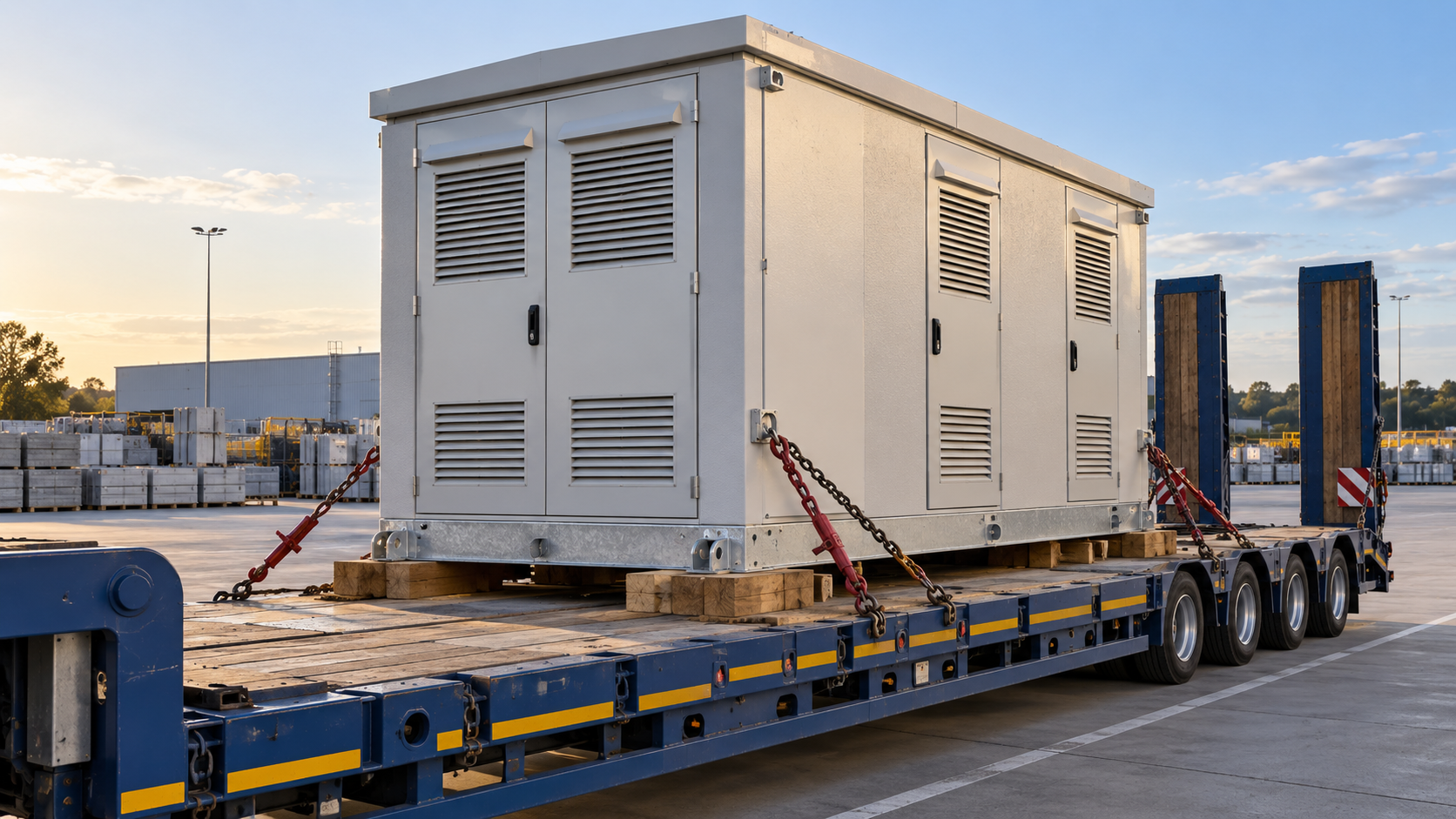
Use the same discipline described in the transformer shipping configuration review: document what is assembled, what is packed separately and what must happen after arrival. Keep a configuration record with the equipment so that the receiving crew does not have to infer the correct assembly from photographs.
Agree who authorises the move and who closes the recommissioning record. Include the cost and programme allowance in the original comparison. If repeated moves are likely, standardised interfaces may be valuable, but they should be engineered around actual fleet needs rather than improvised during mobilisation.
Give each proposed move a short approval sheet listing the original configuration, the destination requirements, the differences and the person accepting them. Include the relevant drawing revisions and any operating restriction that remains necessary. If the source or load changes again after approval, reopen the review instead of treating the previous signature as permanent permission. This makes the reuse decision visible to commercial staff as well as engineers, so that a transport booking does not run ahead of technical readiness.
Write the operating and return obligations into the order
For rented equipment, document the received condition and the limits of the supplier’s service. State who handles inspections, outages, call-outs, consumables and damage assessment. Define what happens if the construction programme extends beyond the rental period or requires a different configuration.
For purchased equipment, assign ownership of the technical file and operating history. Record source changes, relocations, faults, repairs and accessory replacements. These records support the next project’s suitability review and prevent repeated spending on investigations that have already been completed.
Before return or storage, agree the preservation and inspection scope with the supplier. Separate ordinary cleaning from repairs affecting insulation, sealing or protection. A return checklist should describe evidence and responsibilities, not merely state that the unit is “working”. The receiving party needs to know the condition in which responsibility is transferred.
Request a package that fits the construction programme
Zisheng Electric can review an integrated poste préfabriqué or a separate transformer arrangement against the project scope. A 315kVA oil-immersed transformer is one available product example; its suitability and rating must be checked against the actual load cases rather than selected from the example alone.
To specify a temporary construction power transformer, send Zisheng Electric the drawings, datasheets, load list, technical specifications, single-line diagram, grid parameters, environmental conditions and installation-site conditions. Include the construction stages, proposed source changes, relocation plan and final ownership arrangement. Our engineering team will review the requirements and respond to project inquiries within 24 hours.
À propos de ZISHENG ELECTRICAL
Zisheng sont un fabricant professionnel avec plus de 19 ans d'expérience dans la production Transformateurs immersés dans l'huile, Sous-station compacte, Transformateurs montés sur socle, Transformateurs montés sur poteau et Transformateurs à sec. Nous possédons les certificats de ISO/CE/IEC 60076 et TUV Rheinland.
Les transformateurs subissent des tests de FAT rigoureux et des essais de type, prenant en charge la personnalisation de la tension/capacité. Bienvenue pour consulter pour Catalogue et Produit. vous pouvez nous contacter par email [email protected].