Adquisición de transformadores para la industria minera de Mozambique: armónicos, polvo y planificación de repuestos
Para un Mozambique mining transformer project, mining camps in Mozambique are often specified from a short equipment list: transformer rating, primary voltage and delivery date. That is rarely enough. A remote mine combines variable generators or a weak utility feeder with large motors, VFDs, dusty access roads and long lead times for replacement parts. At Zisheng Electric, our review starts with the operating chain: source, feeder, transformer, medium-voltage switchgear, plant loads and protection. The transformer is selected after that chain is understood.
Why a mining camp needs a different procurement brief
A camp may include crushers, dewatering pumps, workshops, accommodation and a temporary construction load. Their demand profiles do not rise together. A transformer sized from the connected load alone can be too large at light load and still experience a severe voltage dip when a motor starts. The technical enquiry should show diversified demand, starting sequence, duty cycle and the future expansion allowance.
Inputs to collect before requesting prices
- Utility or generator voltage, frequency and available fault level.
- Motor list with starting method, locked-rotor current and acceleration time.
- Feeder lengths, conductor material, installation method and ambient temperature.
- Harmonic spectrum from VFDs, rectifiers, battery chargers and variable-speed drives.
- Site dust, humidity, altitude, access limits and planned maintenance resources.
Engineering decision table
| Datos de entrada del proyecto | What can go wrong | Procurement evidence |
|---|---|---|
| Crusher or pump starts across the line | Bus voltage collapses and protection trips | Motor-starting study, impedance target and staged-start sequence |
| Cargas de variadores de frecuencia y rectificadores | Extra heating and nuisance alarms | Harmonic current data, K-factor or derating method and temperature-rise basis |
| Dusty remote site | Blocked radiators and contaminated terminals | Enclosure details, radiator access, gasket plan and cleaning instruction |
| Long resupply route | Extended outage after a minor failure | Recommended spares, lifting points, oil kit and remote troubleshooting scope |
Capacity and voltage drop
Do not increase kVA until the feeder has been checked. A long medium-voltage run may create a drop that a larger transformer cannot correct. Request a load-flow check using the source impedance, transformer impedance and conductor reactance. For a large motor, examine the starting voltage at the motor terminals, not only the transformer secondary bus. The agreed impedance must also match the interrupting duty of the downstream switchgear.
Use load sequencing as part of the transformer specification
Mine operators often start the dewatering system before the crusher and conveyor. That sequence can reduce the required transformer margin. If the process cannot tolerate a staged start, consider reduced-voltage starting, a VFD or a dedicated motor transformer. The procurement document should state which loads may start simultaneously and what minimum bus voltage is acceptable.
Harmonics and thermal margin
VFDs and six-pulse rectifiers draw non-sinusoidal current. The additional eddy and stray losses are a thermal issue even when the RMS current remains below the nameplate value. Ask the supplier to state the harmonic design basis, expected current spectrum and any capacity derating. Where the data is not yet available, record it as an engineering hold point rather than silently accepting a generic transformer.
Dust, humidity and enclosure details
Outdoor equipment should be specified for the actual environment. Keep cable boxes sealed, provide a coating system suited to the declared corrosivity, and ensure the breather, oil level indicator, pressure relief device and thermometer remain accessible. A compact substation needs a ventilation path that does not pull dust directly across the transformer radiator. Site drawings should show clearances for inspection and oil handling.
FAT and remote delivery checks
During our design review, we normally ask for the single-line diagram, load schedule, motor list, harmonic assumptions, site elevation, ambient range, foundation drawing and transport route. FAT should cover ratio, winding resistance, insulation resistance, no-load loss, load loss, impedance and accessory alarms or trips. Before dispatch, match the nameplate, terminal markings, drawings, packing list and spare parts against the approved data sheet.
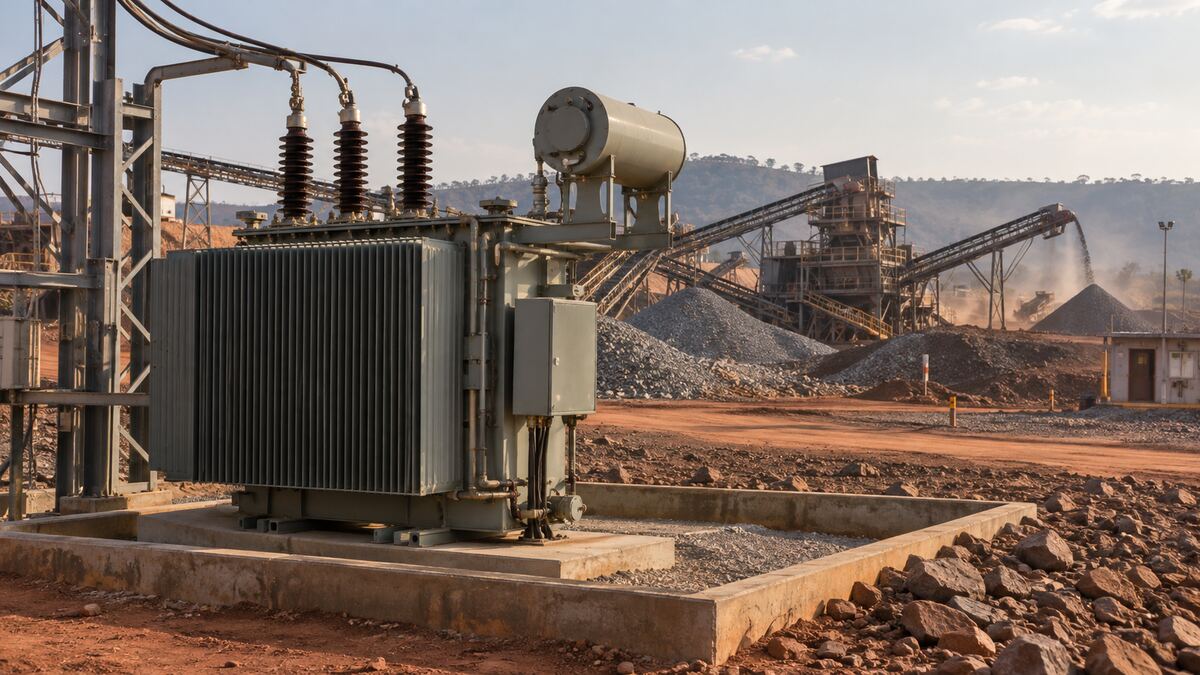
Mozambique Mining Transformer Load Cases
A procurement datasheet should separate operating cases rather than present one maximum kVA figure. At minimum, show normal production, plant start-up, reduced production, maintenance, emergency generation and planned expansion. For every case, identify running motors, starting motors, VFD loads, camp services and any temporary construction demand. The transformer must support the critical case without unacceptable voltage depression or thermal stress, but it should not spend most of its life so lightly loaded that capital and no-load losses are unnecessarily high.
Coincidence is an engineering assumption, not a discount applied to make the transformer smaller. The EPC team should document which loads can genuinely run together and which are prevented by control logic. If two large pumps are duty/standby, state whether automatic transfer can start the standby unit while another large motor is accelerating. If crushers restart sequentially after a supply interruption, include the restart sequence and minimum time between starts.
Motor-starting study inputs
The study needs more than motor nameplate kW. Provide rated current, efficiency, power factor, locked-rotor current, starting torque, load torque curve, acceleration time and starting method. Direct-on-line, soft-starter, autotransformer and VFD starts produce different current and torque profiles. The transformer impedance, upstream source strength, feeder impedance and generator transient response must be represented together. A pass/fail statement should identify the minimum bus voltage, motor acceleration margin and protection behavior during the event.
Harmonics, Temperature Rise and Neutral Duty
VFDs improve process control but transfer harmonic current into the distribution system. The load list should distinguish six-pulse, twelve-pulse and active-front-end converters, and should state the expected current spectrum or total harmonic current distortion at representative load. The transformer supplier can then evaluate additional winding and stray losses, conductor arrangement, temperature rise and any derating. A generic percentage of “nonlinear load” is not enough for a defensible thermal review.
Single-phase camp loads, IT equipment, chargers and lighting can also increase neutral current. Confirm the secondary connection, neutral loading assumption and earthing method. Where a distribution board supplies both industrial drives and accommodation loads, separate feeders may improve fault discrimination and reduce disturbance. The decision belongs in the single-line diagram, not only in a late cable schedule.
Cooling under dust exposure
Dust affects the external heat-transfer path even when it does not enter the tank. Radiator spacing, orientation and access should permit inspection and cleaning. The purchaser should define the maximum design ambient and any enclosure or acoustic barrier that restricts air movement. Where fans are supplied, clarify fan redundancy, control stages, alarm contacts, auxiliary supply and the maintenance method. Thermal margin should be demonstrated against the actual cooling arrangement rather than a catalogue photograph.
Power Source and Generator Interface
Remote mines may operate from a utility feeder, onsite generation or a hybrid arrangement. Each source has a different fault level and voltage response. The enquiry should provide maximum and minimum short-circuit data at the transformer primary terminals, source X/R ratio when available, generator subtransient data, permitted voltage and frequency excursions, and transfer philosophy. Zisheng Electric uses these inputs to coordinate transformer impedance, inrush expectations and protection interfaces.
If transformers can be energized from a generator, check generator capability during magnetizing inrush and during the first block of connected load. Closing a transformer and then immediately starting a crusher can be much more demanding than either event alone. The operating sequence, residual voltage conditions and relay settings should be reviewed together. Automatic transfer logic should block unsafe combinations and provide enough time for voltage and frequency recovery.
Parallel operation and future expansion
For two transformers intended to run in parallel, specify voltage ratio, tap range and tap position, vector group, impedance and phase sequence compatibility. Similar nameplate ratings do not guarantee acceptable load sharing. If the second unit is a future addition, retain the original test certificates and guaranteed data so the replacement can be matched. The switchboard short-circuit rating must also cover the higher fault contribution created by parallel operation.
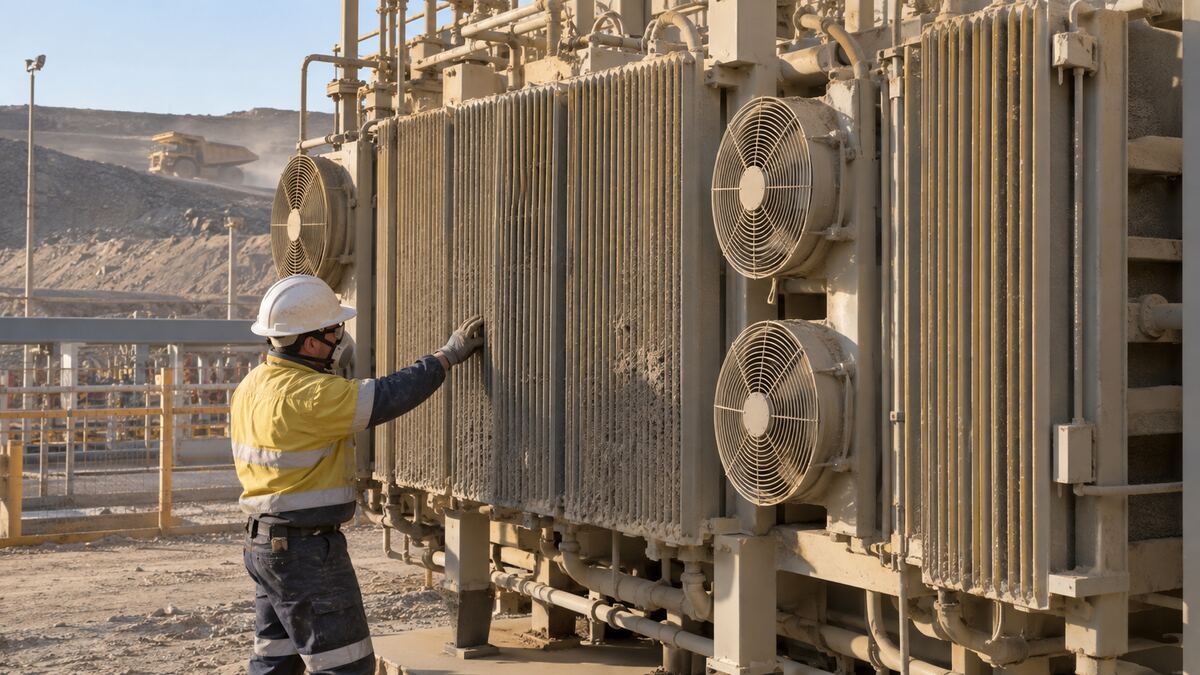
Environmental and Mechanical Site Inputs
“Outdoor tropical” is not a complete site condition. Provide maximum and minimum temperature, daily temperature range, altitude, humidity, rainfall exposure, dust characteristics, corrosive contaminants and any flooding or wildfire risk. The project specification should connect each condition to a design response such as insulation coordination, cooling margin, coating system, sealed marshalling box, space heaters, filters, gasket selection or elevated installation.
Altitude affects external insulation and cooling, but the required correction depends on the actual installation and applicable project standard. Do not assume a national average elevation. State the mine coordinates or verified site elevation and let the supplier document the design basis. Similarly, grid voltage and frequency should come from the project utility documents or owner data, not from a generic country table.
Dust ingress and maintainability
Terminal boxes, control cabinets and cable entries should be selected for the defined exposure and installation method. Gland plates must match cable size, armour, number of cores and entry direction. Heaters and thermostats need maintainable terminals and clear control-voltage identification. Access doors should open without obstruction from radiators, fences or cable trays. The layout review should include the technician’s working space, lifting path and spill-control area.
Transport and Site Assembly Planning
A transformer that meets electrical requirements can still be unsuitable for a remote mine if it cannot reach the foundation. Record route width, bridge capacity, gradients, turning radius, overhead clearances, crane access and seasonal road restrictions. Confirm whether radiators, bushings, conservator and oil will ship assembled or separately. Transport drawings should show total and shipping mass, centre of gravity, lifting points, jacking pads and tie-down locations.
If oil is shipped separately or the unit requires site oil processing, define storage drums, vacuum equipment, filtration criteria, weather protection, cleanliness controls and test responsibilities. Agree who supplies gaskets, blanking plates, special tools and consumables. Site assembly instructions should identify torque values, leak checks, oil filling steps and the required settling period before electrical tests and energization.
Protection, Monitoring and Communications
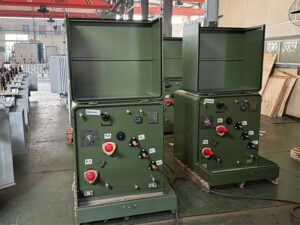
The protection schedule should allocate responsibility between transformer-mounted devices, the protection relay, switchgear and plant control system. List every alarm and trip contact, its normal state, auxiliary voltage, terminal number and destination. Typical interfaces can include oil and winding temperature, pressure relief, gas-actuated protection, oil level, cooling failure and marshalling-box alarms. The exact scope depends on transformer construction and project requirements.
For remote support, simple and well-documented signals are often more valuable than an overcomplicated monitoring package. Define which values must be available locally, which enter SCADA, the communication protocol, time synchronization, cybersecurity boundary and data ownership. FAT should simulate the agreed points and record their end-to-end mapping. Spare terminal capacity should be intentional rather than assumed.
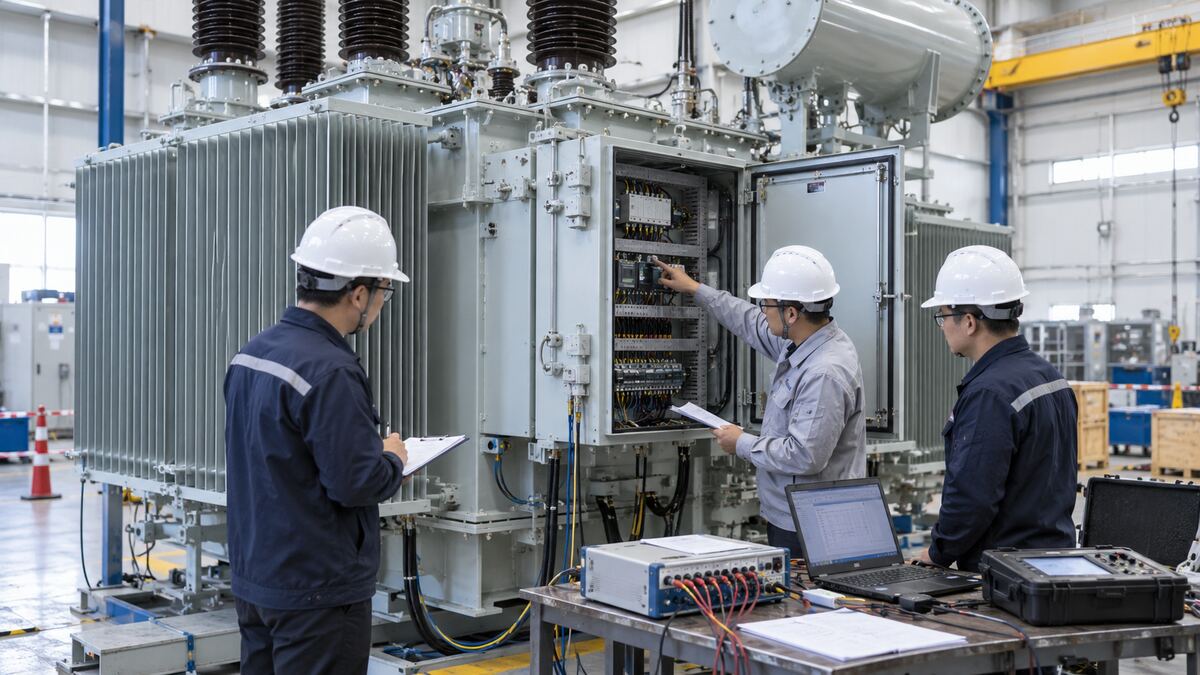
FAT Evidence for a Mozambique Mining Transformer
The inspection and test plan should distinguish document review, hold points, witness points and routine records. Confirm nameplate data, dimensions, accessories, wiring, paint system and terminal identification against approved drawings. Electrical testing should follow the agreed specification and applicable standards; any project-specific tests must be stated in the purchase order so equipment, procedures and acceptance criteria are available.
Motor starting and harmonic performance are usually validated through design calculations and guaranteed parameters rather than by reproducing the mine load at the factory. The FAT package should therefore include the final impedance, loss and temperature-rise basis used by the system studies. Close all deviations before shipment, or record them in an approved punch list with ownership and due dates.
Documents needed at release
- Approved general arrangement, nameplate, schematic and terminal drawings.
- Guaranteed technical particulars and routine test reports.
- Accessory certificates, calibration records and packing list.
- Installation, oil-handling, operation and maintenance instructions.
- Recommended commissioning, operational and insurance spares.
- Photographic record of the completed transformer and shipping preparation.
Spares and Lifecycle Support
Remote logistics make small components operationally important. Build the spares list from failure consequence, interchangeability and lead time. Commissioning spares may include gaskets, hardware and consumables used during assembly. Operational spares may include fans, relays, gauges, control components and a compatible sampling or filling kit. Insurance spares should be justified separately because their cost and storage requirements are different.
Every spare needs a part number, drawing reference, storage condition and preservation interval. Elastomer components can age on the shelf; electronic devices may require controlled humidity; oil containers need contamination protection. Train site personnel to distinguish consumables from reusable special tools and to record parts used, so replenishment is triggered before the next outage.
Internal Technical Resources and Product Options
For nonlinear loads, review the related guide on transformer harmonic loading in copper-processing plants. Projects with large traction or workshop motors can also use the engineering checks in the railway depot transformer specification. These resources support different search intents while providing reusable study inputs.
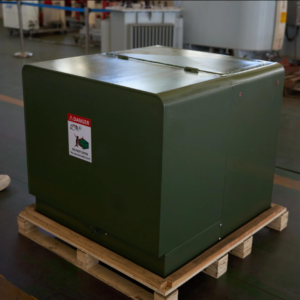
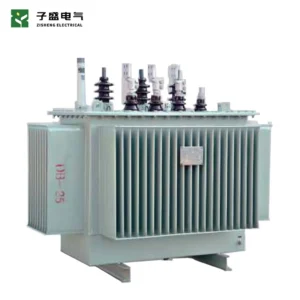
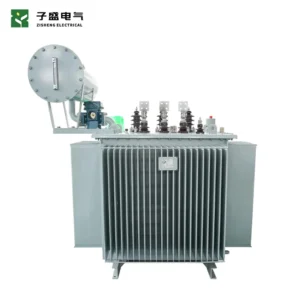
The equipment configuration may use an transformador sumergido en aceite for the main process supply, a substation transformer package where compact integration is required, or a transformador de tipo seco for suitable indoor auxiliary areas. Final selection depends on the load, environment, fire strategy, maintenance plan and approved project specification.
What to Send for a Firm Quotation
For a dependable Mozambique mining transformer proposal, send drawings, data sheets, the load list, technical specifications, single-line diagrams, verified grid parameters, environmental conditions and installation-site conditions. Add the motor schedule, harmonic data, source fault levels, generator information, transport survey, inspection plan, spares philosophy and delivery milestones. Mark every unconfirmed input so it can be closed during technical clarification instead of being silently assumed.
Zisheng Electric can review the electrical duty, mechanical interfaces, testing scope and logistics as one procurement package. The result should be a transformer specification that operators can understand, bidders can price consistently and the EPC team can verify at FAT and handover. Our engineering team will review the requirements and respond to project inquiries within 24 hours.
Acerca de ZISHENG ELECTRICAL
Zisheng somos un fabricante profesional con más de 19 años de experiencia en la producción de Transformadores Sumergidos en Aceite, Subestación Compacta, Transformadores Montados en Base, Transformadores Montados en Poste y Transformadores de Tipo Seco. Poseemos los certificados de ISO/CE/IEC 60076 y TUV Rheinland.
Los transformadores pasan por rigurosas pruebas FAT y de tipo, y apoyan la personalización de voltaje/capacidad. Bienvenido a consultar por Catálogo y Producto. puede contactarnos por correo electrónico [email protected].